
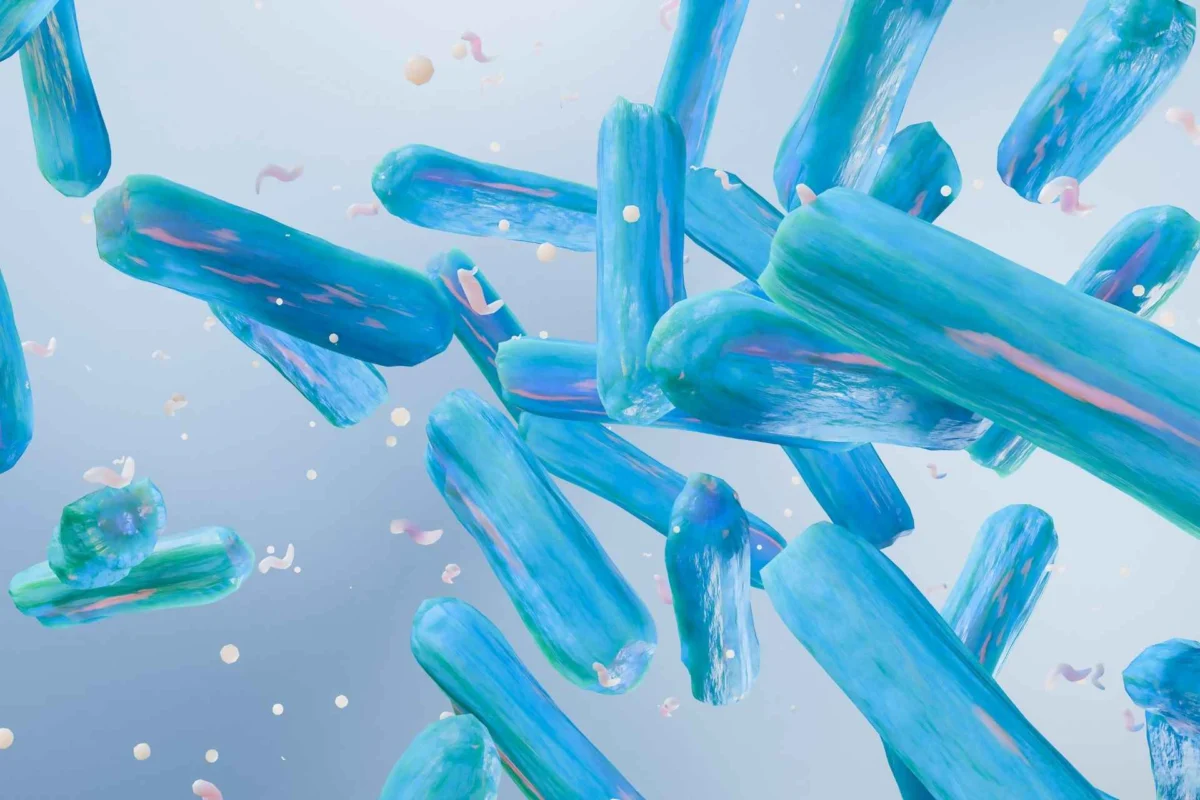
The human digestive system serves as a complex ecosystem for trillions of microorganisms, yet a significant portion of this biological landscape has remained a mystery to modern science because many of these species cannot be grown under traditional laboratory conditions. In a landmark study published in the journal Cell Host & Microbe, researchers have illuminated this "dark matter" of the gut, identifying a specific group of uncultured bacteria known as CAG-170 as essential contributors to a healthy microbiome. Led by Ana da Silva at the University of Cambridge, the research suggests that these elusive microbes are not merely passive residents but are critical players in preventing noncommunicable diseases, offering a new frontier for the development of next-generation microbial therapeutics.
The Challenge of the Unculturable Microbiome
For over a century, microbiology relied almost exclusively on the ability to isolate and grow bacteria in petri dishes or bioreactors. This method, while successful in identifying many pathogens and beneficial strains like Lactobacillus, created a "cultivation bias." Many gut bacteria are obligate anaerobes, meaning they die instantly upon exposure to oxygen, or they require highly specific nutrient signals from neighboring species to survive. Consequently, a vast majority of the microbial diversity within the human body remained "uncultured" and, therefore, largely misunderstood.
The advent of shotgun metagenomics—a method that sequences all the DNA in a sample rather than just specific marker genes—has begun to bridge this gap. By mapping DNA fragments back to massive genomic catalogs, scientists can now identify the presence and functional potential of bacteria that have never been seen alive in a laboratory. The University of Cambridge study represents one of the most comprehensive efforts to date to utilize these DNA-based methods to understand how uncultured species influence human health across diverse global populations.
Methodology and Scope of the Cambridge Study
To reach their conclusions, Ana da Silva and her team conducted a massive meta-analysis of more than 11,000 gut microbiota samples. These samples were sourced from individuals across various geographical regions and socioeconomic backgrounds, providing a robust dataset that accounts for the influence of diet, environment, and genetics.
The research focused specifically on a subset of 8,672 samples. This group included healthy individuals as well as patients suffering from 13 different noncommunicable diseases (NCDs), including Crohn’s disease, ulcerative colitis, obesity, type 2 diabetes, and colorectal cancer. By comparing the microbial signatures of healthy cohorts against those with chronic conditions, the researchers were able to identify which bacterial species were consistently absent or depleted in states of disease.
On average, each individual sample contained approximately 187 distinct bacterial species. Crucially, the study found that roughly 30% of these species belonged to the "uncultured" category. While these uncultured microbes accounted for only about 12% of the total microbial abundance in terms of sheer numbers, their influence on the ecosystem’s stability appeared disproportionately high.
CAG-170: The Sentinel of Gut Health
The most significant finding of the study was the identification of the CAG-170 group. This largely uncultured cluster of bacteria emerged as a primary indicator of gut health. The researchers found that both the abundance and the genetic diversity of CAG-170 were significantly higher in healthy individuals compared to those with chronic illnesses.
Beyond its mere presence, CAG-170 appears to function as a "sentinel" or keystone group within the gut. The study’s data suggests that CAG-170 interacts extensively with other bacterial species. It appears to play a role in regulating the environment of the gut, potentially suppressing the overgrowth of inflammatory or pathogenic species. When CAG-170 levels drop, the delicate balance of the microbiome shifts, often leading to a state of dysbiosis—a microbial imbalance linked to the progression of various diseases.
Comparative Analysis of Microbial Families
The research provided a clear contrast between the microbial profiles of healthy and diseased individuals. In healthy subjects, certain bacterial families were consistently overrepresented. These included:
- Oscillospiraceae: Often associated with lean body mass and a high-fiber diet, these bacteria are known for producing butyrate, a short-chain fatty acid that fuels the cells lining the colon and reduces inflammation.
- Ruminococcaceae: This family is essential for breaking down complex plant carbohydrates that human enzymes cannot digest, providing energy for both the host and other beneficial microbes.
In contrast, the microbiomes of individuals with noncommunicable diseases were characterized by an increase in "pro-inflammatory" bacterial families, such as:
- Streptococcaceae: While some members are harmless, an overabundance is often linked to oral and systemic inflammation.
- Enterobacteriaceae: This family includes well-known pathogens like E. coli and Salmonella. Their prevalence in the gut is a common hallmark of an inflamed or "leaky" intestinal barrier.
The study highlighted that Crohn’s disease, ulcerative colitis, obesity, and colorectal cancer were the conditions most strongly associated with the loss of uncultured species. In these cases, the "microbial shield" provided by groups like CAG-170 and the Oscillospiraceae family appears to have been compromised, allowing disease-linked bacteria to proliferate.
A Chronology of Microbiome Discovery
The discovery of CAG-170’s importance is the latest milestone in a rapidly evolving timeline of human microbiology:
- 1670s: Antonie van Leeuwenhoek first observes "animalcules" in human plaque and stool using early microscopes.
- 1880s-1920s: The "Golden Age of Microbiology" focuses on culturing pathogens (e.g., Koch’s postulates).
- 2007: The Human Microbiome Project (HMP) is launched, aiming to sequence the genetic material of the human microbiota.
- 2010s: The rise of "Culturomics" attempts to create new laboratory media to grow "un-growable" bacteria, though many remain elusive.
- 2020-2023: Research identifies specific disease-linked subtypes, such as a variant of Fusobacterium nucleatum found to exacerbate colorectal cancer.
- Present: The Cambridge study shifts the focus toward the "healthy dark matter," identifying CAG-170 as a therapeutic target.
Implications for Next-Generation Therapeutics
The identification of 715 species associated with at least one disease—many of which are uncultured—has profound implications for the future of medicine. Current probiotic treatments often rely on a very narrow range of bacteria, such as Bifidobacterium or Lactobacillus, primarily because they are easy to manufacture. However, the Cambridge study suggests that these common probiotics may not be the most effective tools for treating complex conditions like Inflammatory Bowel Disease (IBD) or obesity.
"This work will not only improve our understanding of the role of the microbiome in health and disease but may also inform the development of next-generation microbial therapeutics that leverage the full diversity of the gut ecosystem," the authors noted in their report.
The potential for "Next-Generation Probiotics" (NGPs) involves using uncultured or recently cultured "keystone" species to restore health. Since CAG-170 is difficult to grow, the industry may move toward "consortia-based" therapies. Instead of a single pill, patients might receive a laboratory-grown community of bacteria that mimics the natural interactions found in a healthy gut, providing the specific metabolic signals that CAG-170 needs to thrive.
Fact-Based Analysis of Broader Impacts
The findings from da Silva and her colleagues signal a shift toward precision microbiome medicine. If uncultured bacteria like CAG-170 serve as markers for health, their absence could be used as a diagnostic tool. A simple stool test could identify the depletion of these species years before the clinical symptoms of Crohn’s disease or colorectal cancer appear, allowing for early dietary or therapeutic intervention.
Furthermore, the study underscores the importance of microbial diversity. In modern industrialized societies, diet and antibiotic use have significantly reduced the variety of microbes in the human gut. The fact that healthy individuals in this study maintained a higher diversity of uncultured species suggests that preserving these "wild" microbes is essential for long-term public health.
However, challenges remain. Because these bacteria are uncultured, we still do not fully understand their metabolic requirements or exactly how they interact with human immune cells. The next phase of research will likely involve "reverse genomics," where scientists use the DNA sequences of CAG-170 to predict what nutrients it needs, eventually allowing researchers to grow it in the lab for the first time.
Conclusion
The discovery of the CAG-170 group and the broader role of uncultured bacteria represents a turning point in our understanding of the human body. By looking beyond the species that are easy to study, researchers at the University of Cambridge have revealed a hidden support system that is vital for metabolic and immunological health. As science moves toward a more holistic view of the microbiome, these uncultured "guardians" of the gut will likely become the foundation for a new era of personalized, preventive medicine.
