
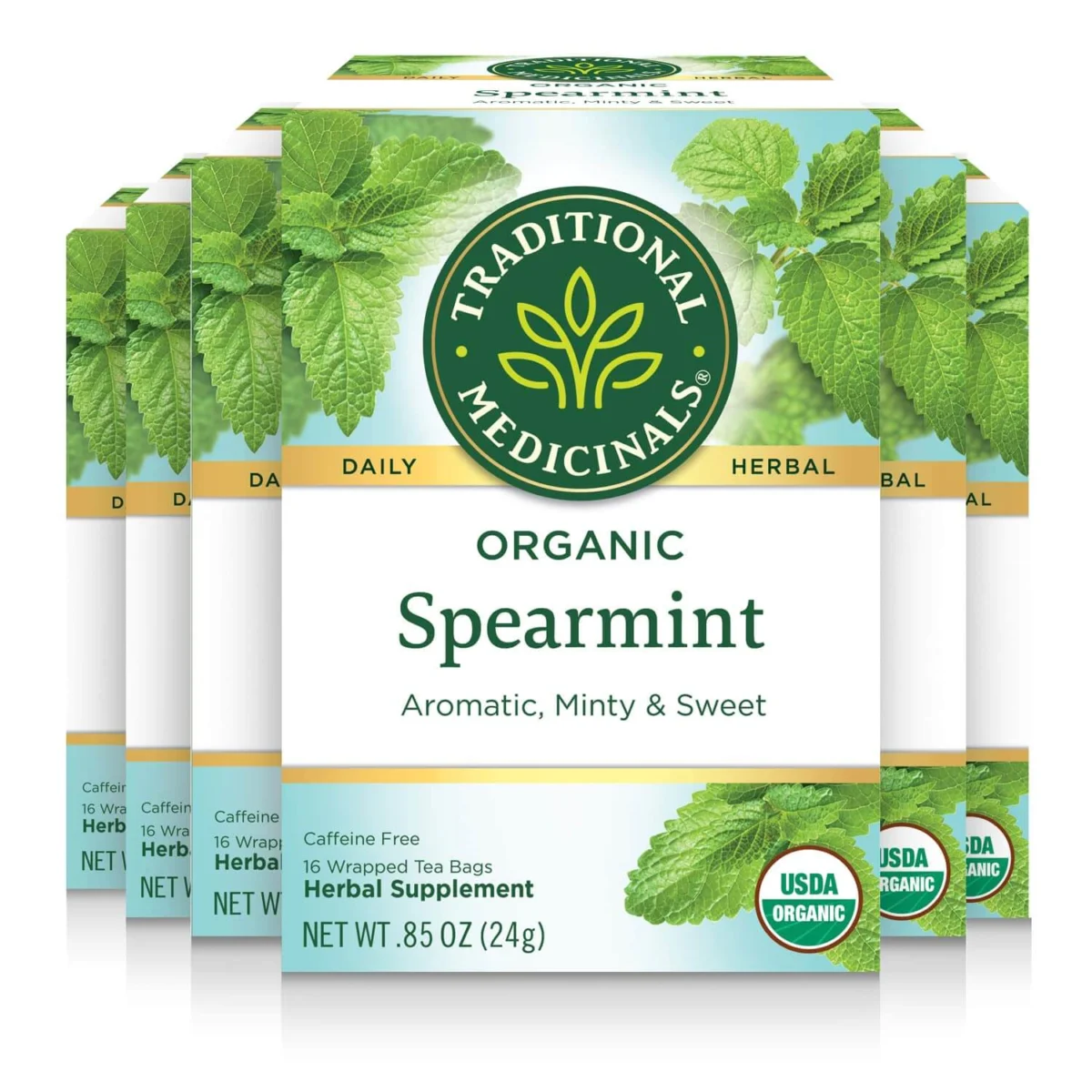
Clinical research increasingly identifies spearmint tea, derived from the Mentha spicata plant, as a significant natural intervention for women diagnosed with Polycystic Ovary Syndrome (PCOS). This endocrine disorder, which affects an estimated 8% to 13% of women of reproductive age globally, is characterized by hormonal imbalances, irregular menstrual cycles, and the presence of small cysts on the ovaries. The primary driver of many distressing PCOS symptoms is hyperandrogenism—an excess of "male" hormones such as testosterone. Recent randomized controlled trials and longitudinal observations suggest that the regular consumption of spearmint tea can exert potent anti-androgenic effects, providing a low-cost, accessible, and natural method for symptom management.
Clinical Findings and Hormonal Regulation
The foundation of the modern medical interest in spearmint tea for PCOS lies in a landmark randomized controlled trial involving 42 women. Participants were divided into two cohorts: one group consumed spearmint herbal tea twice daily for a one-month period, while the control group received a placebo herbal infusion. The results, published in Phytotherapy Research, revealed that the spearmint group experienced a statistically significant reduction in both free and total testosterone levels. Conversely, levels of luteinizing hormone (LH) and follicle-stimulating hormone (FSH) increased, suggesting a movement toward hormonal homeostasis.
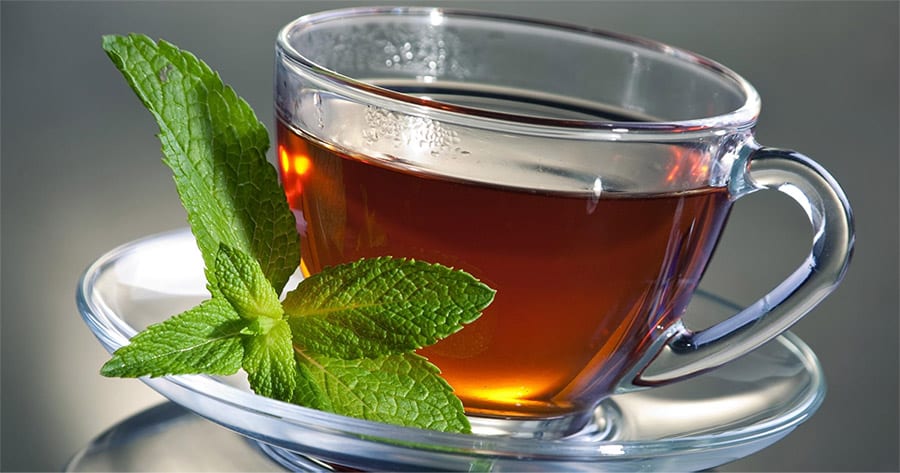
In the context of PCOS, high levels of testosterone are responsible for a range of physical manifestations, including hirsutism (unwanted facial and body hair) and persistent inflammatory acne. While the 30-day study period was not long enough to observe a complete clinical reversal of hirsutism—as hair growth cycles typically span several months—the participants reported a significant subjective decrease in the density and growth rate of unwanted hair. This indicates that while the hormonal shift occurs relatively quickly, the physical results require sustained adherence to the regimen.
Background: The Pathophysiology of PCOS and Hyperandrogenism
To understand why spearmint tea is gaining traction in the medical community, one must consider the broader context of PCOS pathology. The syndrome is not merely a reproductive issue but a complex metabolic condition. A central feature is insulin resistance, which affects approximately 70% of women with the condition regardless of their body mass index. When the body becomes resistant to insulin, the pancreas produces more of the hormone to compensate. High levels of insulin signal the ovaries to produce excess testosterone, creating a feedback loop that disrupts ovulation and causes physical androgenic symptoms.
Standard medical treatments often include the birth control pill to regulate cycles or spironolactone to block androgens. However, many patients seek natural alternatives due to the side effects associated with synthetic hormones or the desire for a holistic approach to endocrine health. Spearmint tea offers a phytochemical profile—specifically rich in flavonoids and volatile oils like carvone—that appears to interfere with the androgen synthesis pathway without the systemic disruption often seen with pharmaceutical interventions.

Chronology of Research and Discovery
The transition of spearmint from a culinary herb to a recognized therapeutic agent has followed a clear chronological progression over the last two decades:
- Traditional Use and Early Observations: For centuries, various cultures used mint species to treat digestive distress. However, anecdotal reports from the Middle East specifically linked spearmint consumption to a reduction in libido in men, prompting researchers to investigate its anti-androgenic properties.
- 2007 Initial Human Study: An early short-term study in Turkey first demonstrated that drinking spearmint tea for five days during the follicular phase of the menstrual cycle reduced free testosterone in women with hirsutism.
- 2009 Randomized Controlled Trial: Paul Grant and his team conducted the more rigorous 30-day study that confirmed the significant hormonal changes in a PCOS-specific population.
- 2013-2015 Acne Research: The American Academy of Dermatology highlighted research showing that spearmint tea could reduce inflammatory acne lesions by 25% after one month and 51% after three months, establishing a timeline for dermatological improvement.
- 2017-2018 Metabolic and Cognitive Expansion: Animal studies and separate human trials on cognitive function began to suggest that spearmint’s benefits extended to blood sugar regulation and mental clarity, providing a more comprehensive view of its impact on the "PCOS brain."
Metabolic Impact and Insulin Sensitivity
Beyond androgen suppression, emerging data suggests spearmint tea may play a role in managing the metabolic disturbances of PCOS. In animal models, specifically studies involving diabetic rats, aqueous extracts of Mentha spicata were shown to significantly lower blood glucose levels and improve antioxidant status. While human trials specifically targeting insulin resistance in PCOS are still in the early stages, the correlation between reduced androgen levels and improved insulin sensitivity is well-documented in endocrinology.
By potentially lowering blood sugar and improving the body’s response to insulin, spearmint tea may help mitigate the risk of Type 2 diabetes, a condition for which women with PCOS are at a significantly higher risk. This metabolic support is crucial for weight management, as insulin resistance often leads to weight gain around the abdomen, which in turn exacerbates hormonal imbalances.

Dermatological and Physical Benefits
The impact of spearmint tea on the skin and hair is perhaps its most sought-after benefit. Hirsutism and androgenic alopecia (female pattern hair loss) are among the most psychologically distressing symptoms of PCOS. High levels of dihydrotestosterone (DHT), a derivative of testosterone, shrink hair follicles on the head while overstimulating follicles on the face and body.
By lowering the circulating levels of free testosterone, spearmint tea reduces the amount of hormone available to be converted into DHT. Clinical observations suggest that:
- Acne Reduction: The anti-inflammatory properties of spearmint, combined with its ability to reduce sebum production by lowering androgens, lead to a clearer complexion.
- Hirsutism Management: Over a period of three to six months, regular drinkers often notice that facial hair becomes finer, lighter, and grows more slowly.
- Hair Loss Mitigation: While research specifically on PCOS-related hair loss and spearmint is sparse, the mechanism of reducing systemic androgens is the standard approach for treating androgenic alopecia.
Cognitive Function and Oxidative Stress
Women with PCOS frequently report "brain fog," fatigue, and increased levels of anxiety. These symptoms are often linked to oxidative stress and the fluctuating nature of hormonal imbalances. Spearmint tea contains high concentrations of rosmarinic acid and other antioxidants that protect cells from oxidative damage.

A 2018 study on individuals with age-associated memory impairment found that spearmint extract improved working memory and spatial memory. For the PCOS population, this neuroprotective quality may help combat the cognitive lethargy associated with insulin spikes and hormonal dips. Furthermore, the ritual of consuming herbal tea has been linked to reduced cortisol levels, providing a secondary benefit of stress management in a population prone to mood disorders.
Professional Medical Responses and Recommendations
The medical community’s response to spearmint tea has been cautiously optimistic. Many endocrinologists and gynecologists now recommend spearmint tea as a complementary therapy alongside lifestyle changes and, when necessary, medication. However, medical professionals emphasize that herbal remedies should not replace a comprehensive treatment plan.
"Spearmint tea is a valuable tool in our integrative toolkit for PCOS," says one perspective often shared in functional medicine. "It is generally safe and provides a measurable reduction in androgens, which can improve a patient’s quality of life significantly. However, dosage and consistency are key."
Healthcare providers generally recommend a dosage of two cups per day. Each cup should be prepared using approximately five grams (or one to two teaspoons) of dried spearmint leaves, steeped in boiling water for 10 to 12 minutes to ensure the extraction of the active volatile oils.
Safety, Contraindications, and Side Effects
Despite its natural origins, spearmint tea is not suitable for everyone. Journalistic review of clinical data suggests the following cautions:
- Gastroesophageal Reflux Disease (GERD): Like all mint species, spearmint can relax the lower esophageal sphincter, potentially worsening acid reflux or heartburn.
- Pregnancy and Breastfeeding: Due to its effects on hormone levels, pregnant women are advised to avoid spearmint tea unless cleared by a physician, as it could theoretically interfere with the hormonal environment required for pregnancy.
- Liver and Kidney Health: While rare, excessive consumption of highly concentrated spearmint supplements (as opposed to tea) has been linked to hepatic and renal stress in animal studies.
Broader Impact and Implications for Women’s Health
The rise of spearmint tea as a recognized treatment for PCOS reflects a broader shift in modern medicine toward "integrative endocrinology." As more women seek to manage chronic conditions through diet and natural supplements, the validation of traditional herbs through rigorous clinical trials becomes essential.

The economic impact is also noteworthy. For many women, particularly in developing nations or those without comprehensive health insurance, expensive hormonal medications and laser hair removal treatments are inaccessible. Spearmint tea provides a scientifically backed, low-cost intervention that empowers patients to take control of their symptoms.
As research continues, the focus may shift toward the synergistic effects of spearmint tea when combined with other supplements like inositol or N-acetylcysteine (NAC). For now, the evidence remains clear: for those navigating the complexities of PCOS, two cups of spearmint tea daily represent a simple, effective, and evidence-based step toward hormonal balance and improved physical well-being.
