
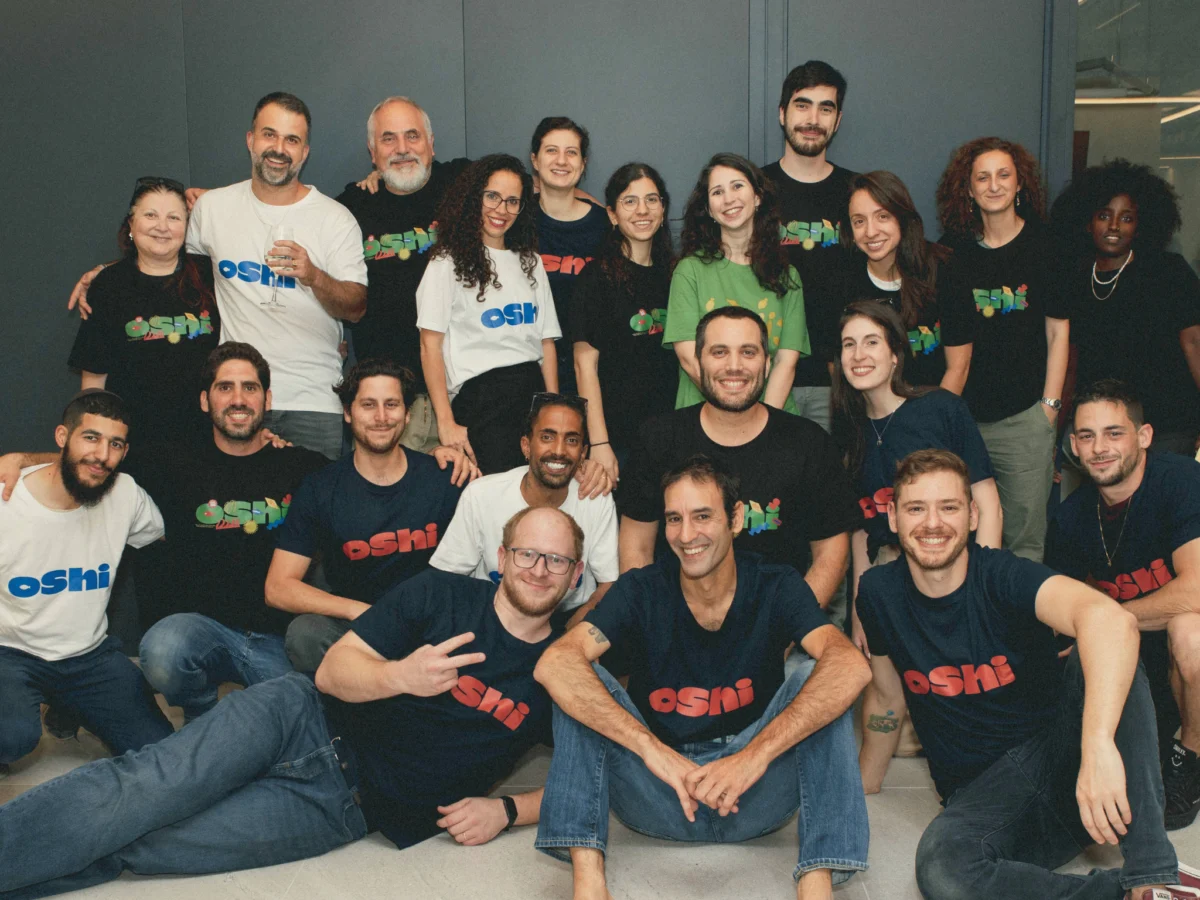
Vegan seafood innovator Oshi has announced a significant financial milestone, securing $3 million in investment from a prominent Latin American seafood conglomerate. This strategic funding infusion, coupled with the launch of a public crowdfunding campaign on WeFunder, signals a pivotal growth phase for the company, built upon a remarkable fourfold increase in sales in 2025 and ambitious plans for product diversification, including the introduction of a vegan whitefish alternative. The investment is poised to accelerate Oshi’s production capabilities and expand its market reach, particularly within the crucial Latin American region.
The recent financial injection comes at a critical juncture for Oshi, a food tech startup that has garnered attention for its pioneering approach to plant-based seafood. Formerly known as Plantish, Oshi has leveraged advanced 3D printing technology to create whole-cut fish alternatives that mimic the texture and nutritional profile of conventional seafood. Their flagship product, a whole-cut vegan salmon, has been instrumental in the company’s recent success. This new capital will be instrumental in establishing a dedicated production facility and distribution center in Latin America, a move designed to facilitate mass-scale production and meet burgeoning demand in the region.
This substantial investment from a major player in the traditional seafood industry underscores a growing recognition of the potential and viability of plant-based alternatives within established food sectors. It represents a significant endorsement of Oshi’s technology and market strategy, particularly at a time when the broader plant-based meat and seafood market has faced headwinds. The strategic partnership is expected to provide Oshi with invaluable industry expertise, logistical support, and market access, propelling its expansion beyond its current strong performance in the United States.
The company’s rapid ascent is further highlighted by its aggressive growth trajectory. In 2025, Oshi experienced a fourfold increase in sales within the US market. Building on this momentum, the company forecasts another fourfold expansion in revenue for the current year, with projections reaching $1 million. This optimistic outlook is supported by an expanding distribution network and the forthcoming launch of a new vegan whitefish product, designed to broaden its appeal and market penetration.
Oshi co-founder and CEO Ofek Ron candidly shared the company’s precarious position just months prior. “A few months ago, we were close to the end of our runway. I was worried that the company I had given everything to might not survive,” Ron stated in a LinkedIn post. “Then a strategic investor came in. Not just with capital, but with a real commitment to help us scale.” This narrative of overcoming significant financial challenges and securing a transformative partnership underscores the resilience and strategic vision driving Oshi. The involvement of a Latin American seafood giant not only provides crucial capital but also brings with it invaluable industry experience and established networks, a combination that is expected to significantly de-risk Oshi’s ambitious scaling plans.
Oshi’s Technological Edge and Cost Reduction Prowess
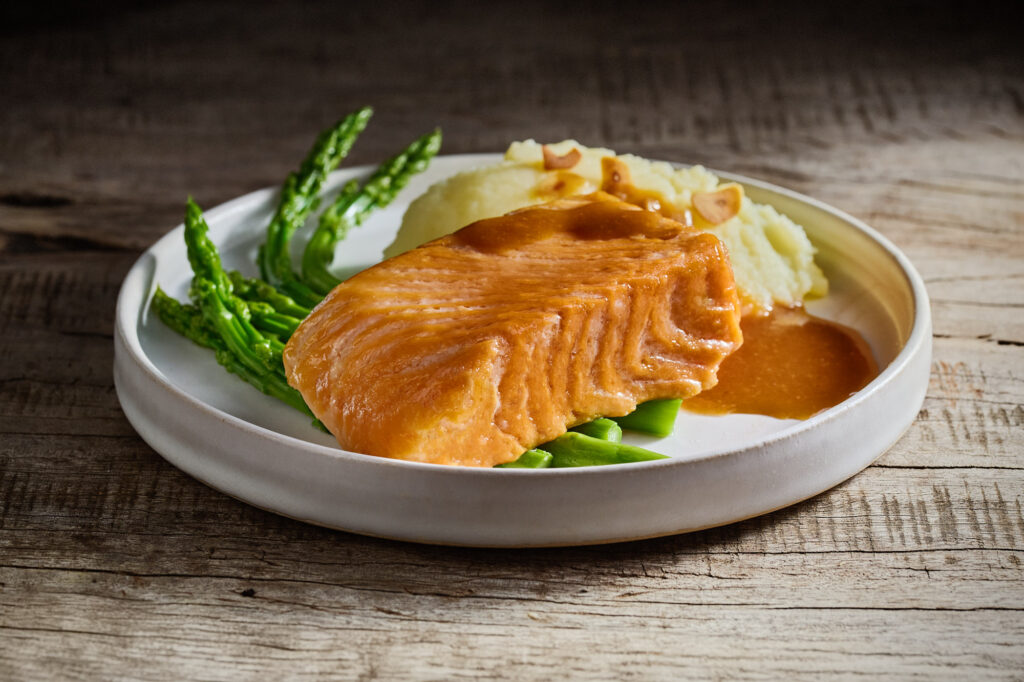
Oshi’s innovative approach to plant-based seafood hinges on its proprietary 3D printing technology. This advanced manufacturing process allows the company to transform plant-based proteins, such as soy and mycoprotein sourced from The Better Meat Co., into whole-cut fish alternatives. These products are engineered to deliver a compelling sensory experience, boasting 18 grams of protein per serving and incorporating beneficial algal omega-3 fatty acids, mirroring key nutritional attributes of conventional fish.
A critical factor in Oshi’s competitive advantage is its adoption of a “plug-and-play” manufacturing model. This agile production system has enabled the company to achieve a remarkable 80% reduction in production costs. This significant cost optimization is crucial for narrowing the price gap between Oshi’s plant-based offerings and traditional seafood, making sustainable choices more accessible to a wider consumer base. The company began its US scale-up efforts earlier this year, bringing its advanced manufacturing capabilities to the American market to meet increasing demand.
The expansion of Oshi’s distribution channels in the US has been a key driver of its sales growth. The company’s vegan salmon is now featured on the menus of over 100 restaurants, including prominent chains like Veggie Grill by Next Level Burger and independent establishments such as City Roots. A pivotal distribution agreement with Sysco, a leading foodservice distributor, has been instrumental in making Oshi’s products accessible to foodservice operators across all 50 states, significantly broadening its reach within the professional culinary sector.
Beyond foodservice, Oshi has also made significant inroads into the retail market. Direct-to-consumer sales were initiated last summer, and strategic partnerships with distributors like KeHE and UNFI have facilitated the brand’s entry into a growing number of retail outlets. Consumers can now find Oshi products in stores such as Lassens, Mother’s Market, Country & Market, and Earth Fare. The company is currently in discussions for a major rollout with a prominent national grocery chain, aiming to secure placement in approximately 686 stores by the end of the current year, a testament to its escalating market penetration.
The company’s international ambitions are also coming to fruition. “We are also being approved to sell in two new countries this year,” confirmed Ron. “The company that, only a few months ago, I was afraid might close, is now entering the strongest momentum we have ever had.” This expansion into new international markets, alongside its domestic growth, positions Oshi as a significant emerging player in the global plant-based seafood landscape.
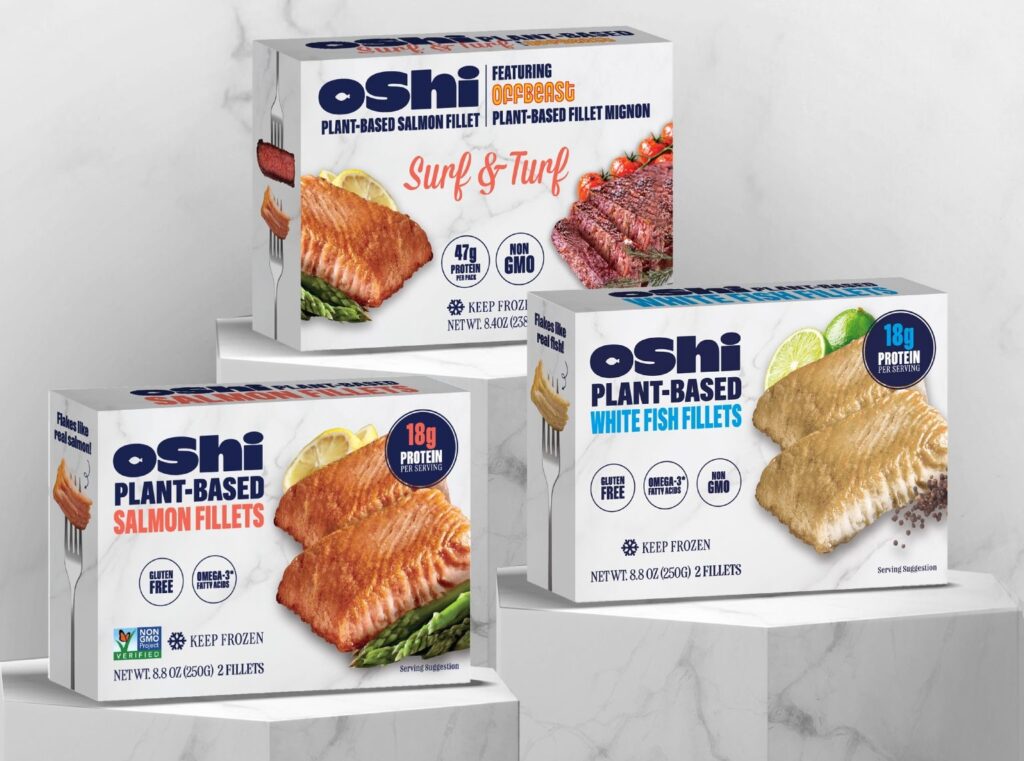
The impending launch of Oshi’s vegan whitefish alternative marks another strategic evolution for the company, transforming it into a comprehensive vegan seafood platform. This new product is a whole-cut fillet designed to replicate the delicate, flaky texture characteristic of conventional whitefish. The development of this product reflects Oshi’s commitment to addressing a broader segment of the seafood market, moving beyond its successful salmon offering.
The 3D-printed whitefish boasts an "ocean-scented" flavor profile, a carefully engineered characteristic intended to appeal to a diverse demographic, ranging from families seeking healthier meal options to fine-dining chefs exploring innovative ingredients. This new offering is set to join Oshi’s flagship salmon in high-profile culinary venues and retail environments across the United States, further solidifying its position as a versatile provider of plant-based seafood solutions.
A Beacon of Hope in a Challenging Plant-Based Landscape
The significant investment and strategic partnerships secured by Oshi stand in stark contrast to the broader challenges currently facing the plant-based meat and seafood sector. After five years of intensive research and development, Oshi’s transition from successful pilot programs to national-scale distribution, backed by a major seafood industry player, signifies a pivotal moment. “We are at a tipping point,” Ron articulated, emphasizing the company’s current growth trajectory.
The endorsement from a leading Latin American traditional seafood company is particularly noteworthy. “The fact that one of the largest traditional seafood players in Latin America is investing in us is a clear signal that plant-based seafood is the future of food security,” Ron elaborated. “We are now inviting our community to join this momentum – investing in a mission that is good for the ocean and built for massive commercial growth.” This statement highlights the dual appeal of Oshi’s venture: its positive environmental impact and its significant commercial potential.
The crowdfunding round, which opens with an accessible investment threshold of $250, offers Oshi’s customer base and broader community the opportunity to invest on the same terms as the major seafood conglomerate. This democratized approach to investment allows supporters to become stakeholders in the company’s mission and growth. These new investors will join an existing roster of notable backers, including Björn Øste, founder of Oatly, as well as venture capital firms Unovis and Alumni Ventures, further validating Oshi’s market proposition.
Björn Øste, an early supporter of Oshi, shared his initial skepticism and eventual conviction. “When I first tasted Oshi’s prototypes in 2022, I initially tried to talk Ofek out of it. Plant-based fish is a brutally tough challenge. What changed my mind was their execution,” Øste commented. He further praised the company’s strategic advantages: “Oshi hasn’t just developed a compelling product; they’ve built a proprietary production process that gives them a real edge. They have a real shot at defining this category.” This perspective from an established figure in the alternative protein industry underscores the technological innovation and execution capabilities that differentiate Oshi.
The investment in Oshi arrives as a welcome development in an often-discouraging environment for plant-based alternatives in the United States. Currently, plant-based products constitute a mere 1% of overall meat sales. In 2025, the category experienced a decline in consumer purchases, reportedly falling by 10%. While the plant-based sector saw a substantial 31.5% increase in funding last year, this figure was heavily skewed by a single $100 million funding round by Beyond Meat. Excluding this outlier, the sector’s funding growth would have been a more modest 2%. This context underscores the significance of Oshi’s successful funding round, which appears to be driven by fundamental growth and strategic partnerships rather than isolated large-scale investments.
Unovis, an early investor in Beyond Meat, highlighted the strategic importance of Oshi’s entry into the seafood market. In a statement, the firm noted, “Seafood is one of the last frontiers in the alternative protein revolution. We’ve seen what plant-based can do to meat and dairy – Oshi is bringing that same disruption to salmon, the most consumed seafood in America.” This perspective frames Oshi’s efforts as part of a larger, transformative movement within the food industry, targeting one of the most significant remaining categories for plant-based disruption. The company’s focus on salmon, the most popular seafood in the US, is a strategic move designed to capture a substantial market share.
The implications of Oshi’s success extend beyond its own growth. It offers a potential blueprint for other food tech companies navigating the challenging plant-based market. The company’s ability to secure funding from a traditional industry player, coupled with its focus on technological innovation and cost reduction, suggests a pathway toward mainstream acceptance and commercial viability for alternative proteins. As Oshi continues to expand its product line and market reach, its journey will be closely watched as a bellwether for the future of plant-based seafood and its potential to contribute to global food security and sustainability. The company’s commitment to producing products that are not only environmentally conscious but also commercially competitive positions it as a significant force in reshaping the future of food.
