
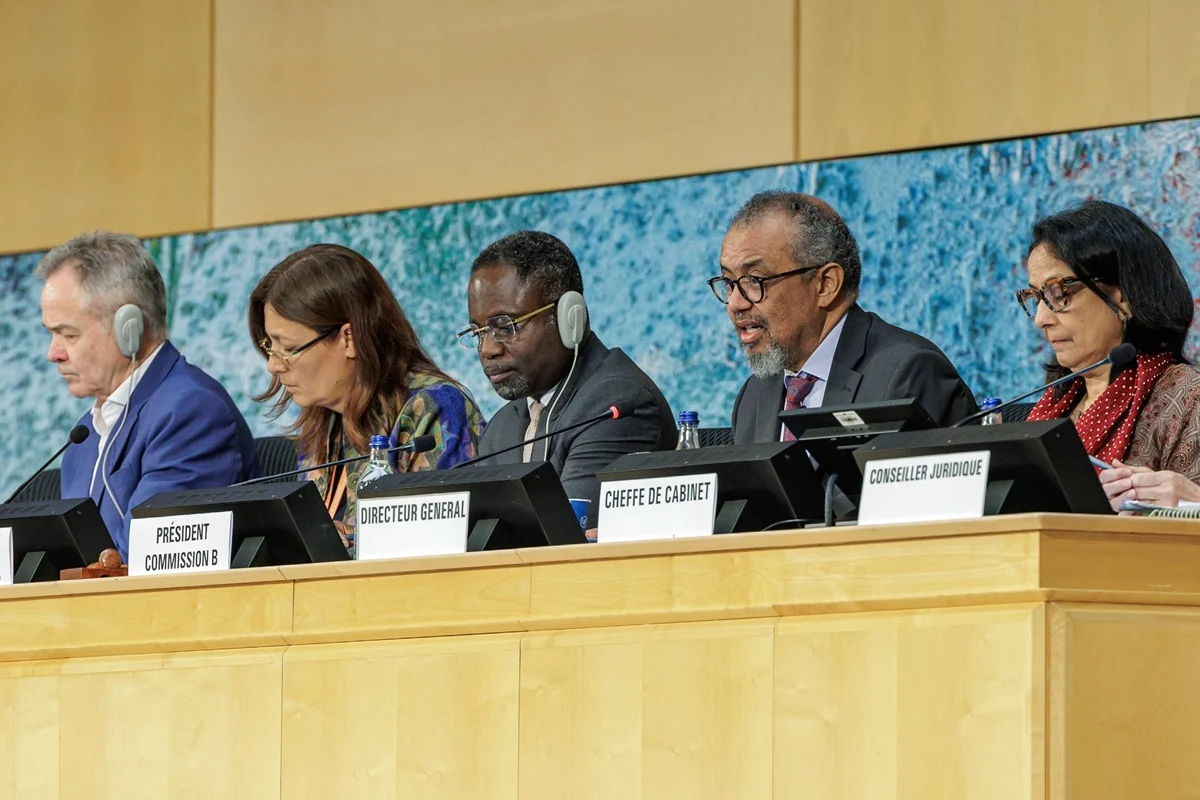
The 77th World Health Assembly has concluded a series of high-level deliberations in Geneva, marking a pivotal shift in the trajectory of international public health governance. Member States of the World Health Organization (WHO) have collectively moved to overhaul the existing global health architecture, seeking to address the systemic vulnerabilities exposed by recent pandemics and the rapid evolution of medical technology. In a landmark session, delegates approved a comprehensive suite of resolutions targeting non-communicable diseases, emergency medical infrastructure, and the ethical integration of artificial intelligence and genomic data into clinical practice. These decisions reflect a growing consensus that the institutional frameworks established in the mid-20th century are no longer sufficient to manage the complex, interconnected health threats of the 21st century.
Reforming the Global Health Architecture for a New Era
At the heart of the Assembly’s agenda was the decision to establish a joint, Member State-led process to reform the global health architecture. This initiative, hosted by the WHO in collaboration with global health partners, aims to develop a roadmap for a more agile and equitable international health system. The process is designed to maximize access and impact by drawing on existing reform initiatives, including the UN80 Initiative, which seeks to revitalize multilateralism ahead of the United Nations’ 80th anniversary.
Member States reaffirmed the WHO’s central convening and normative role, emphasizing that any reform must be inclusive of civil society, the private sector, and youth organizations. The proposal adopted by the Assembly acknowledges that while the current architecture has facilitated significant gains in disease control and global norm-setting, it has struggled to keep pace with a changing global environment. Key factors necessitating this reform include the expansion of national health sovereignty, regional manufacturing capacities, and the shifting burden of disease toward chronic conditions. Furthermore, the rapid rise of artificial intelligence and digital health technologies has created both opportunities and risks that the current framework is ill-equipped to regulate.
The fragmentation of the global health landscape was a recurring theme during the debates. With an increasing number of health actors—ranging from philanthropic foundations to regional health agencies—the risk of duplication and power imbalances has grown. This complexity has often undermined "country ownership," where sovereign nations struggle to lead their own health agendas amidst a sea of uncoordinated international interventions. The WHO Director-General has been tasked with submitting a final report with specific recommendations for this structural transformation to the World Health Assembly in 2025.
A Historic Milestone in the Fight Against Stroke
In a move hailed by neurologists and public health advocates worldwide, the Assembly approved the first-ever resolution dedicated to stroke. Titled "Reducing the burden of stroke: strengthening prevention, acute care, rehabilitation and health-system readiness," the resolution was proposed by Egypt and co-sponsored by a diverse coalition including Chile, Georgia, Palestine, Paraguay, and Tunisia. This broad support underscores the universal nature of the stroke epidemic, which has seen a 50% increase in lifetime risk over the last two decades.
Current epidemiological data paints a sobering picture: one in four adults is expected to experience a stroke in their lifetime. In 2021 alone, stroke was the third leading cause of death and disability globally, with 11.9 million new cases reported. The resolution calls for a paradigm shift in how countries approach the condition, moving beyond emergency intervention to include robust prevention strategies and long-term rehabilitation. By integrating stroke care into the WHO Global NCD Action Plan 2023–2030, the resolution ensures that stroke remains a high-priority item on the global development agenda, with clear reporting requirements and accountability mechanisms.
Strengthening Emergency, Critical, and Operative Care
The Assembly also approved the Global Strategy for Integrated Emergency, Critical and Operative (ECO) Care 2026–2035. This strategy addresses conditions that account for an estimated 38 million deaths and 1.3 billion disability-adjusted life years (DALYs) annually. ECO care encompasses the immediate medical response to injuries, acute illnesses, and the surgical interventions necessary to save lives and prevent permanent disability.
The background context for this strategy is rooted in the persistent gaps in health system readiness, particularly in low- and middle-income countries. Shortages of trained healthcare workers, lack of essential surgical equipment, and fragmented referral systems often mean that a treatable condition becomes a fatal one. The new roadmap provides countries with a framework to deliver timely, affordable, and quality ECO services across all levels of care. The WHO will now begin consultations to develop specific implementation targets, with an action plan expected by the end of 2026. This strategy is viewed as essential for mitigating the health impacts of climate change, armed conflicts, and future outbreaks, all of which put immense pressure on emergency medical services.
Precision Medicine and the Digital Frontier
In a forward-looking move, Member States adopted a landmark resolution on precision medicine, placing equity at the center of the genomic revolution. Precision medicine utilizes molecular, clinical, and genomic data to tailor medical treatments to individual patients. While the potential for improved cancer survival and the diagnosis of rare diseases is immense, there are significant concerns regarding a "genomic divide."
The Assembly noted that many developing nations lack the laboratory capacity and skilled workforce to implement these technologies, and that genomic databases are currently dominated by populations of European descent. To prevent the widening of global health inequities, the resolution requests the WHO to develop a global strategy and a self-assessment framework for country readiness. This ensures that the transition toward personalized healthcare does not leave underserved populations behind.
Complementing this digital push, the Assembly endorsed a resolution to scale up teleradiology. Diagnostic imaging is critical for maternal health, trauma care, and the management of non-communicable diseases. However, a global shortage of radiologists often leaves remote communities without access to expert interpretation of medical images. Teleradiology—the remote transmission and interpretation of images—is seen as a cost-effective solution to bridge this gap. The resolution emphasizes the need for strong governance and data protection, particularly as artificial intelligence begins to play a larger role in automated image analysis.
Pharmacovigilance and Lessons from the Pandemic
The COVID-19 pandemic served as a catalyst for a new resolution on pharmacovigilance—the science of monitoring the safety of medicines and vaccines. The rapid deployment of vaccines during the pandemic highlighted the need for robust, real-time safety monitoring systems. The resolution approved by the Assembly calls for the modernization of national pharmacovigilance systems, integrating patient reporting and real-world data into regulatory decision-making.
A significant challenge identified by Member States is the rise of mis- and disinformation, which can erode public trust in vaccines and medical interventions. The resolution commits countries to enhancing transparency and collaboration to combat these trends. By strengthening the global safety monitoring network, the WHO aims to ensure that health emergencies do not compromise the rigorous standards required for patient safety.
Diplomatic Resolutions and Regional Crises
The Assembly also addressed complex geopolitical issues that intersect with public health. A compromise was reached regarding Argentina’s notification of withdrawal from the WHO. After considering various proposals, the Assembly decided to take note of the communication while maintaining that no further action is desirable at this stage, signaling a desire for continued cooperation with the South American nation.
The humanitarian crisis in the occupied Palestinian territory (oPt), including east Jerusalem, was a point of intense discussion. A report by the Director-General detailed a catastrophic situation where healthcare services are under "severe strain" due to repeated attacks on medical facilities and a lack of essential supplies. Since October 2023, nearly 2,000 attacks on healthcare have been recorded across the West Bank and Gaza. The economic toll is equally devastating, with health sector losses in Gaza estimated at $6.78 billion. The Assembly voted to continue reporting on these conditions, reaffirming the WHO’s commitment to sustaining life-saving services in conflict zones. Additionally, a resolution was approved regarding the public health impact of regional escalations in the Middle East, specifically affecting Jordan and Gulf Cooperation Council countries.
Implications for the Future of Global Health
The decisions made at this World Health Assembly represent a comprehensive attempt to modernize the global health system. By addressing both the structural governance of the WHO and specific clinical challenges like stroke and emergency care, Member States have laid the groundwork for a more resilient international framework. The emphasis on equity—whether in the context of genomic data, diagnostic imaging, or the distribution of vaccines—suggests a shift toward a more inclusive model of multilateralism.
However, the success of these resolutions will depend on sustained political will and financial commitment. As the global economy faces contractions in health financing, the "joint process" for reform will need to find innovative ways to fund these ambitious strategies. The move toward AI and precision medicine also introduces new ethical and regulatory hurdles that will require ongoing international dialogue. As the WHO prepares for its next Assembly in 2025, the focus will likely shift from policy adoption to the practical challenges of implementation on the ground. The overarching message from Geneva is clear: the global health architecture must evolve, or it risks becoming obsolete in the face of a rapidly changing world.
