
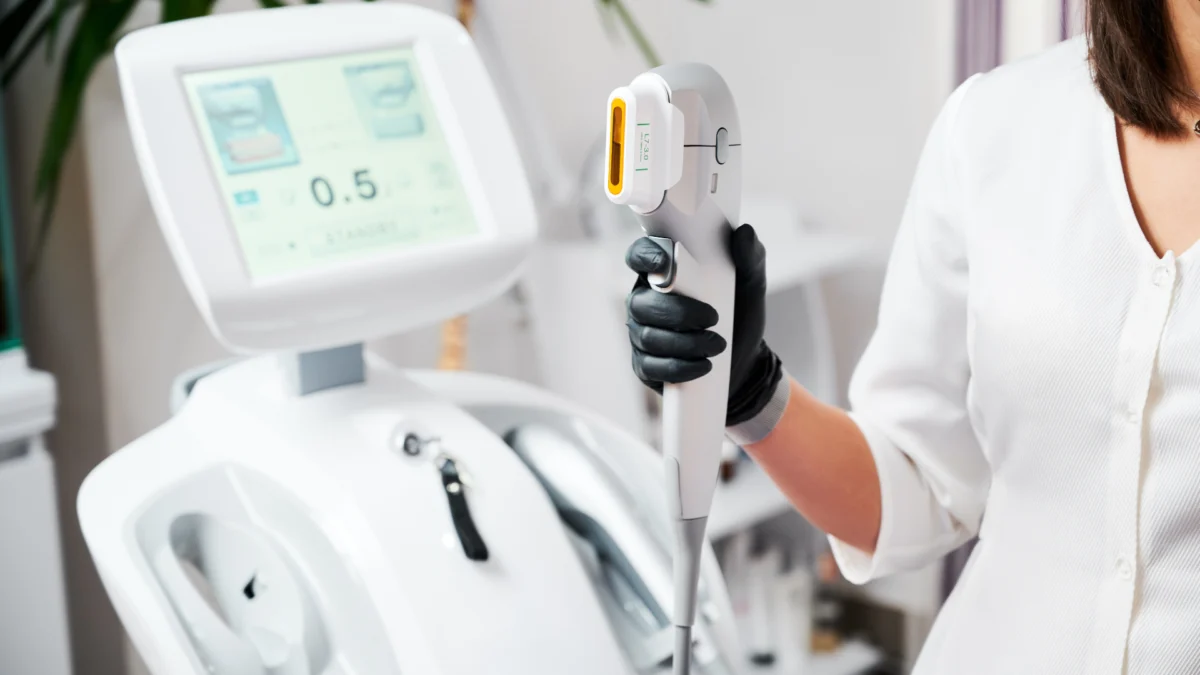
The United Kingdom’s aesthetic medicine sector is currently navigating a pivotal era of regulatory transition, a shift necessitated by a decade of explosive growth that has consistently outpaced legislative oversight. Vanessa Brown-Ofoedu, a prominent aesthetic clinic founder and industry advocate, has raised urgent concerns regarding the proliferation of counterfeit medical devices within this expanding market. As the demand for non-surgical cosmetic procedures—ranging from laser hair removal to high-intensity focused ultrasound (HIFU)—continues to soar, the influx of illicit, substandard, and "copycat" machinery has created a significant public health risk. Brown-Ofoedu emphasizes that while the sector is moving toward more robust regulation, the current "wild west" environment allows sophisticated counterfeits to bypass safety protocols, endangering patients and undermining the professional integrity of practitioners.
The Landscape of Counterfeit Aesthetic Technology
The rise of counterfeit devices is driven primarily by the high capital expenditure required to outfit a legitimate medical aesthetic clinic. Authentic, medical-grade devices from reputable manufacturers often cost between £30,000 and £120,000. In contrast, counterfeit versions, often manufactured in unregulated facilities and sold via global e-commerce platforms, are frequently listed for a fraction of the price, sometimes as low as £1,000 to £5,000. These machines are designed to mimic the aesthetic appearance of industry-leading brands, complete with forged branding, cloned software interfaces, and counterfeit regulatory markings.
According to Brown-Ofoedu, the danger lies in the internal components. While a legitimate laser device utilizes precision-engineered optics and sophisticated cooling systems to target specific chromophores in the skin without damaging surrounding tissue, a counterfeit device often lacks these safeguards. The result is often an unstable energy output that can lead to catastrophic clinical outcomes, including third-degree burns, permanent hyperpigmentation, and irreversible scarring.
A Chronology of Regulatory Evolution in the UK
To understand the current crisis, it is necessary to examine the timeline of the UK’s aesthetic regulatory framework, which has struggled to keep pace with technological advancement.
- 2013: The Keogh Review: Following the PIP breast implant scandal, Sir Bruce Keogh conducted a review of the regulation of cosmetic interventions. The report highlighted that non-surgical treatments were almost entirely unregulated, famously stating that "a person having a non-surgical cosmetic intervention has no more protection and redress than someone buying a ballpoint pen."
- 2017: EU Medical Device Regulation (MDR): The introduction of stricter EU regulations aimed to improve the safety and traceability of medical devices. However, the UK’s subsequent exit from the European Union created a complex transitional period for the recognition of CE marks versus the new UKCA (UK Conformity Assessed) marking.
- 2022: The Health and Care Act: This landmark legislation granted the Secretary of State for Health and Social Care the power to introduce a licensing scheme for non-surgical cosmetic procedures in England. This was a direct response to the rising number of complaints regarding botched procedures and unregulated devices.
- 2023–2024: Government Consultations: The Department of Health and Social Care (DHSC) launched consultations to determine which procedures should be included in the licensing scheme and what the minimum standards for premises and practitioners should be.
- 2025–2026: Implementation Phase: The industry is currently in the midst of this phase, where the Medicines and Healthcare products Regulatory Agency (MHRA) is tightening its grip on the medical device market, and local authorities are preparing to enforce new licensing standards.
Quantifying the Risk: Supporting Data and Market Trends
The scale of the counterfeit problem is reflected in data from both regulatory bodies and industry watchdogs. The MHRA has reported a steady increase in the seizure of illicit medical devices over the last five years. In 2023 alone, thousands of units of unapproved aesthetic equipment and associated consumables were intercepted at UK borders.
Furthermore, a study by the Joint Council for Cosmetic Practitioners (JCCP) indicated a 30% year-on-year increase in patient complaints related to treatments performed with "substandard or unidentified machinery." The most common issues reported included:

- Thermal Injuries: Caused by uncalibrated laser and Radiofrequency (RF) devices.
- Inefficacy: Patients paying for treatments (such as fat freezing or skin tightening) that yield zero results because the device lacks the necessary power or technology.
- Electrical Hazards: Counterfeit devices often bypass UK electrical safety standards, posing a risk of fire or electrocution to both the practitioner and the patient.
The economic impact is also substantial. Legitimate manufacturers lose millions in revenue annually to IP theft, which in turn reduces the capital available for Research and Development (R&D) into safer, more effective technologies.
Identifying the Red Flags: A Guide for Practitioners
Vanessa Brown-Ofoedu argues that the responsibility for due diligence lies heavily with the practitioner. To avoid the "trap" of counterfeit devices, she suggests several critical verification steps.
Price Disparity
If a device is being offered at 70% to 90% less than the manufacturer’s quoted retail price, it is almost certainly a counterfeit or an unauthorized "grey market" import. Authentic manufacturers maintain strict price controls to cover the costs of clinical trials, training, and post-market surveillance.
Documentation and Certification
Practitioners must look beyond a simple "CE" sticker. Counterfeiters frequently print fake certificates. A legitimate device should come with a comprehensive Declaration of Conformity that includes the Notified Body’s number. This number can be verified through official databases to ensure the certificate is valid and specifically applies to that model of device.
Software and User Interface
Counterfeiters often struggle to replicate the sophisticated software of high-end machines. Red flags include "clunky" user interfaces, spelling errors in the menu systems, and a lack of customizable patient parameters. Authentic devices usually feature proprietary software that requires regular updates from the manufacturer.
Physical Build Quality
Authentic medical devices are heavy, robust, and utilize medical-grade materials. Counterfeit versions often feel "hollow," using cheaper plastics and inferior cooling fans. Brown-Ofoedu notes that the cooling system is often the first point of failure in fake lasers, leading to the handpiece overheating and burning the patient.
Official Responses and Industry Reactions
The MHRA has issued several safety alerts regarding the use of non-compliant devices. A spokesperson for the agency stated, "Our priority is patient safety. We are working closely with Border Force to identify and intercept devices that do not meet the stringent safety requirements of the UK medical device regulations. We urge all healthcare professionals to purchase equipment only from reputable, authorized distributors."

The British Association of Aesthetic Plastic Surgeons (BAAPS) and the British College of Aesthetic Medicine (BCAM) have also echoed these sentiments. They emphasize that using a counterfeit device is not only a clinical risk but a legal one. Most professional indemnity insurance policies specifically exclude coverage for incidents involving non-CE or non-UKCA marked equipment. If a patient is injured by a counterfeit machine, the practitioner may be held personally liable for damages, potentially leading to financial ruin and the loss of their professional license.
Analysis of Implications: The Future of the UK Market
The move toward a mandatory licensing scheme is expected to act as a significant deterrent against the use of counterfeit devices. Under the proposed regulations, practitioners will likely be required to prove the provenance of their equipment as a condition of their license. This "traceability requirement" will force many "budget" clinics to either invest in legitimate technology or exit the market entirely.
However, Brown-Ofoedu warns that as regulation tightens in the UK, counterfeiters may become more sophisticated in their methods of deception. There is a concern that a "black market" for aesthetic services could emerge, where unregulated practitioners continue to operate out of residential settings using illicit machines, away from the eyes of local authority inspectors.
The broader implication for the industry is a "flight to quality." As consumers become more educated about the risks of "cheap" treatments, there is a growing trend toward seeking out clinics that can demonstrate a commitment to safety through the use of gold-standard, FDA-cleared, or UKCA-marked technology. This shift, while painful for those currently utilizing low-cost equipment, is viewed by industry leaders as a necessary step in maturing the aesthetics sector into a recognized branch of specialized healthcare.
Conclusion
The transition currently underway in the UK aesthetics sector represents a long-overdue alignment of technology, safety, and law. Vanessa Brown-Ofoedu’s insights serve as a critical reminder that in the pursuit of aesthetic enhancement, the integrity of the device is as important as the skill of the hand wielding it. As the MHRA and the DHSC continue to refine the regulatory landscape, the message to practitioners is clear: the short-term savings offered by counterfeit devices are far outweighed by the long-term risks to patient safety, professional reputation, and legal standing. The era of the "unregulated laser" is drawing to a close, making way for a standardized, transparent, and safer future for aesthetic medicine in the United Kingdom.
