

Polycystic Ovary Syndrome (PCOS) remains one of the most prevalent endocrine disorders among women of reproductive age, affecting approximately 8% to 13% of the global female population. As the leading cause of anovulatory infertility, the condition presents a complex web of hormonal imbalances, metabolic dysfunction, and psychological distress. While clinical interventions such as Metformin or Clomiphene are frequently prescribed, a growing body of medical research emphasizes the transformative role of nutritional therapy and lifestyle modification in restoring reproductive function. For many women, the journey from a devastating diagnosis to a successful pregnancy is defined by a rigorous commitment to metabolic health, as the stabilization of insulin and androgen levels serves as the primary gateway to regular ovulation.
The Clinical Landscape and Chronology of PCOS Management
The path to managing PCOS often begins with a delayed diagnosis, as symptoms such as irregular cycles, hirsutism, and adult acne are frequently misattributed to other factors. Historically, the medical community has utilized the Rotterdam Criteria to identify the condition, requiring at least two of three markers: oligo-ovulation or anovulation, clinical or biochemical signs of hyperandrogenism, and the presence of polycystic ovaries via ultrasound.

For patients seeking conception, the timeline of intervention is critical. Clinical data indicates that without targeted management, women with PCOS face significantly higher rates of miscarriage, gestational diabetes, and preeclampsia. However, the chronology of recovery often begins with a period of "metabolic priming." Experts suggest that a window of three to six months of dietary stabilization is often necessary to recalibrate the endocrine system before a successful conception can occur. Statistics show that while some women may conceive within nine months of lifestyle changes—a timeframe considered relatively rapid within the context of infertility—others may require years of multidisciplinary care.
The Insulin-Androgen Connection: A Metabolic Barrier to Conception
At the heart of PCOS-related infertility is the phenomenon of insulin resistance. It is estimated that up to 70% of women with PCOS, regardless of body mass index (BMI), exhibit some degree of impaired insulin signaling. When the body’s cells become resistant to insulin, the pancreas compensates by producing an excess of the hormone. This hyperinsulinemia acts directly on the theca cells of the ovaries, stimulating them to produce excessive amounts of testosterone.
Elevated testosterone levels are decidedly detrimental to the maturation of ovarian follicles. High androgens can arrest the development of the egg, preventing it from being released and leading to the "string of pearls" appearance of immature follicles often seen on ultrasounds. To counteract this, nutritionists and endocrinologists advocate for a Low Glycemic Index (GI) diet. By consuming carbohydrates that break down slowly, patients can prevent the sharp insulin spikes that trigger androgen production. Furthermore, balancing carbohydrate intake with high-quality proteins and healthy fats ensures a more stable hormonal environment, facilitating the "second miracle" of pregnancy for those who previously struggled with anovulation.

Hormonal Equilibrium: Managing Estrogen and Environmental Disruptors
Beyond insulin and testosterone, estrogen dominance or deficiency plays a pivotal role in the PCOS profile. Estrogen levels in women with PCOS are often skewed due to the lack of regular ovulation, which prevents the production of progesterone, the hormone meant to balance estrogen during the second half of the menstrual cycle.
Journalistic investigation into endocrine health has identified two primary sources of exogenous hormonal interference: xenoestrogens and dietary estrogens. Xenoestrogens are synthetic compounds found in plastics (BPA), cosmetics (parabens), and industrial chemicals that mimic natural estrogen, binding to receptors and disrupting the body’s delicate feedback loops.
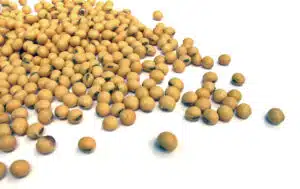
Dietary sources also require scrutiny. Phytoestrogens, found in soy products, remain a subject of clinical debate. These plant-based compounds can bind to estrogen receptors; while some theories suggest they may block stronger endogenous estrogens, other research indicates they may cause delayed ovulation in sensitive individuals. Furthermore, the modern meat industry frequently utilizes growth hormones to increase yield. For women with an already disordered hormonal system, the ingestion of these hormones through non-organic animal products can exacerbate imbalances. Consequently, many reproductive specialists recommend organic, pasture-fed meats to avoid adding synthetic hormones and antibiotics to the patient’s biological system.
The Impact of Adiposity: The 5-10 Percent Threshold
Weight management remains one of the most challenging yet effective pillars of PCOS treatment. The relationship between adipose tissue and hormones is bidirectional; while PCOS makes weight loss difficult due to insulin resistance, excess weight further worsens insulin resistance and inflammation.
However, clinical trials have consistently demonstrated a "threshold effect" regarding weight loss and fertility. Research published in various reproductive health journals confirms that a reduction of just 5% to 10% of total body weight can lead to a significant restoration of spontaneous ovulation. This modest weight loss improves insulin sensitivity, lowers circulating androgen levels, and often results in the return of a regular menstrual cycle. For a woman weighing 200 pounds, a loss of 10 to 20 pounds can be the literal tipping point between infertility and a viable pregnancy.
Targeted Micronutrient Supplementation: Addressing Systemic Deficiencies
While diet forms the foundation, targeted supplementation is increasingly recognized as a necessary component for addressing the specific nutrient gaps common in the PCOS population.

Chromium and Insulin Sensitivity
Many women with PCOS are found to be deficient in chromium, a trace mineral essential for the metabolism of glucose. Chromium picolinate supplementation has been shown to improve the body’s sensitivity to insulin, thereby lowering the insulin levels that drive testosterone production. Medical professionals caution, however, that patients already on insulin-sensitizing medications like Metformin must consult with a physician to prevent hypoglycemia.
Vitamin D and Calcium
Vitamin D functions more like a pro-hormone than a vitamin, influencing over 2,000 genes in the human body. It is estimated that a vast majority of women with PCOS are Vitamin D deficient. Clinical studies have linked low Vitamin D levels to insulin resistance and a lower rate of follicle maturation. When combined with calcium, Vitamin D supplementation has been shown to help regulate the menstrual cycle and improve the quality of the eggs produced.
The B-Vitamin Complex and Fetal Development
The role of B vitamins in reproductive health cannot be overstated. Vitamin B6 is critical for maintaining progesterone balance and regulating blood sugar. Perhaps most vital is Vitamin B9, or Folic Acid (preferably in the form of methylfolate for those with MTHFR mutations). Adequate folate levels are essential in the early stages of pregnancy to ensure the proper development of the neural tube and to prevent birth defects such as spina bifida.
Omega-3 Fatty Acids
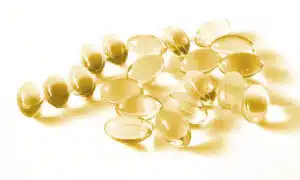
Omega-3 fatty acids, typically sourced from high-quality fish oils, serve as the building blocks for hormones. Research indicates that Omega-3s can significantly lower testosterone levels and reduce systemic inflammation, both of which are hallmarks of PCOS. By improving the lipid profile and reducing androgenicity, Omega-3s contribute to a more receptive uterine environment for implantation.
Broader Impact and Long-term Health Implications
The implications of managing PCOS through diet and lifestyle extend far beyond the immediate goal of conception. Women with PCOS are at a significantly higher risk for developing Type 2 diabetes, cardiovascular disease, and endometrial cancer later in life. Therefore, the strategies employed to achieve pregnancy—lowering insulin, managing weight, and reducing inflammation—serve as a lifelong blueprint for chronic disease prevention.
The psychological impact of the condition also warrants attention. The "out of control" feeling described by many patients regarding their own bodies can lead to high rates of anxiety and depression. Empowering patients with the knowledge that their dietary choices can directly influence their hormonal output provides a sense of agency that is often lost in a clinical setting.

Official Responses and Expert Consensus
Leading organizations, including the American College of Obstetricians and Gynecologists (ACOG) and the European Society of Human Reproduction and Embryology (ESHRE), have moved toward recommending lifestyle intervention as the "first-line" treatment for PCOS. While pharmacological aids are available, the consensus among fertility specialists is that the success rates of these drugs are markedly higher when the patient has already optimized their metabolic health through nutrition.
In summary, the management of PCOS and the pursuit of pregnancy require a multi-faceted approach that addresses the root causes of hormonal dysfunction. By prioritizing a low-GI diet, eliminating environmental and dietary endocrine disruptors, achieving modest weight loss, and utilizing evidence-based supplements, women can significantly improve their chances of a healthy pregnancy. As research continues to evolve, the integration of nutritional science into standard reproductive care offers a beacon of hope for millions of women worldwide seeking to overcome the challenges of Polycystic Ovary Syndrome.
