
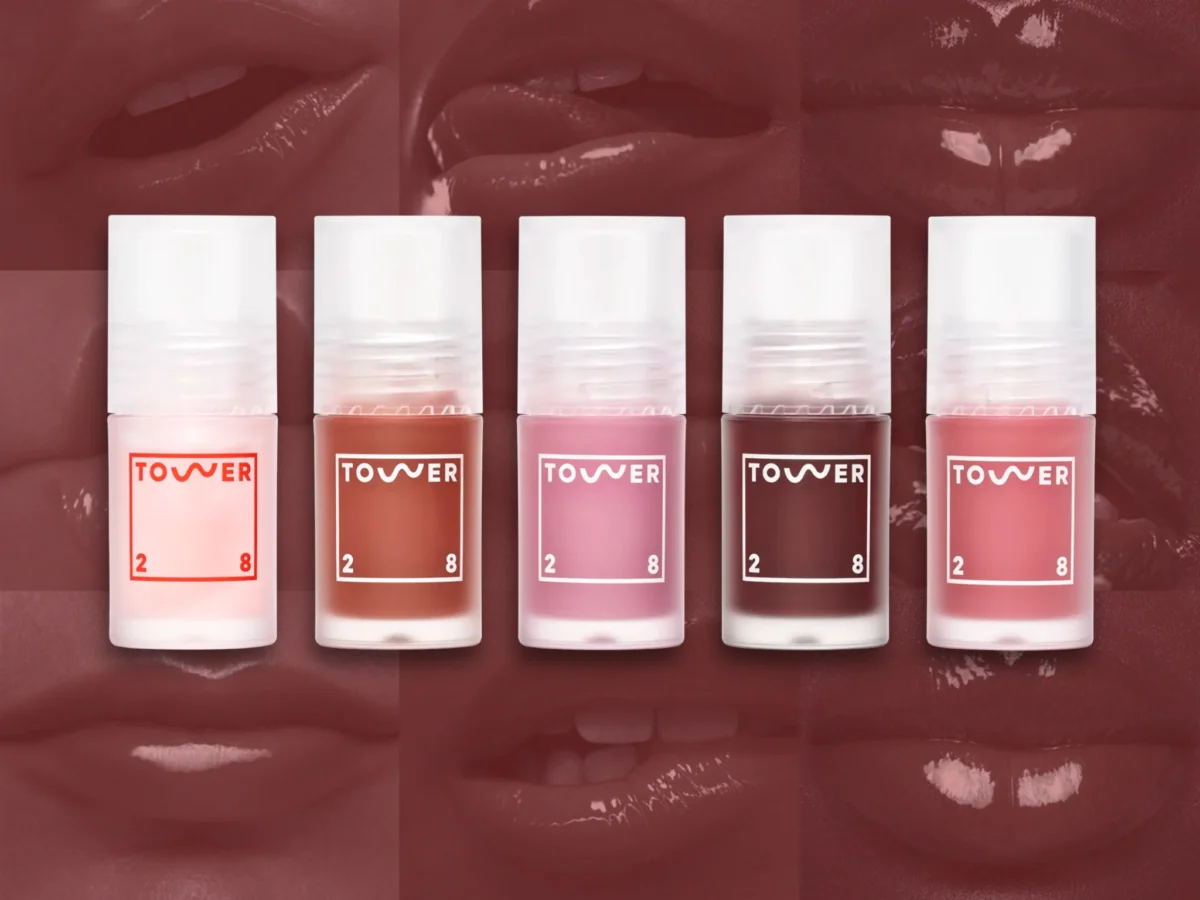
The beauty industry is witnessing a significant shift towards sustainable and ethically sourced ingredients, a trend exemplified by the recent launch of Tower 28 Beauty’s ShineOn Plumping Lip Jelly. This innovative product incorporates Palmless Torula Oil, a groundbreaking yeast-derived substitute for palm oil, developed by the New York-based biotechnology firm C16 Biosciences. This collaboration marks the first instance of C16’s Palmless Torula Oil being used in a color cosmetic, signaling a pivotal moment in the quest for deforestation-free alternatives within the beauty sector.
The introduction of a yeast-based ingredient into a lip care product might sound unconventional, but it represents a sophisticated application of biotechnology to address critical environmental concerns. Palm oil, a ubiquitous ingredient in cosmetics and numerous consumer goods, has been identified as a primary driver of tropical deforestation, contributing significantly to greenhouse gas emissions and habitat loss. C16 Biosciences’ Palmless Torula Oil offers a high-performance, sustainable alternative that aims to mitigate these detrimental impacts.
"Together with Tower 28, we’re bringing next-generation biotech ingredients into modern beauty formulations, combining high-performance shine and hydration with bio-designed innovation," stated C16 Biosciences in a recent LinkedIn post, underscoring the synergistic approach to developing and integrating these advanced materials into mainstream consumer products. This partnership highlights the growing recognition by beauty brands of their responsibility to adopt more environmentally conscious practices and the increasing maturity of biotech solutions available to them.
C16 Biosciences: Pioneering Fermentation for Decarbonized Fats
C16 Biosciences has emerged as a leader in the development of sustainable lipid alternatives through its innovative use of precision fermentation. This advanced biotechnological process involves genetically modifying microorganisms, such as yeast, to produce specific molecules when cultured in a controlled fermentation environment. By harnessing the metabolic capabilities of these microbes, C16 can create high-purity lipids that are chemically and functionally analogous to traditional palm oil but without the associated environmental devastation.
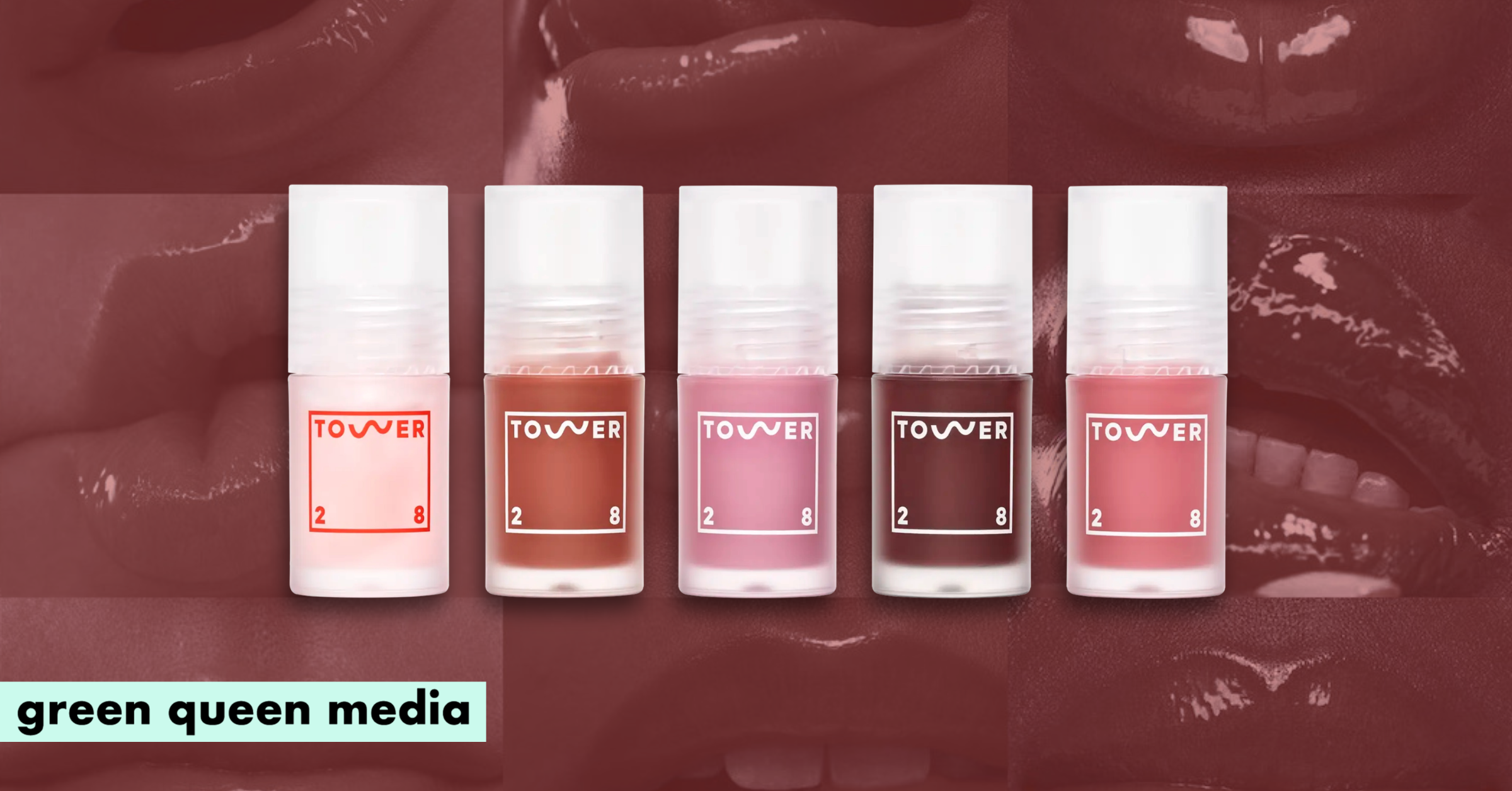
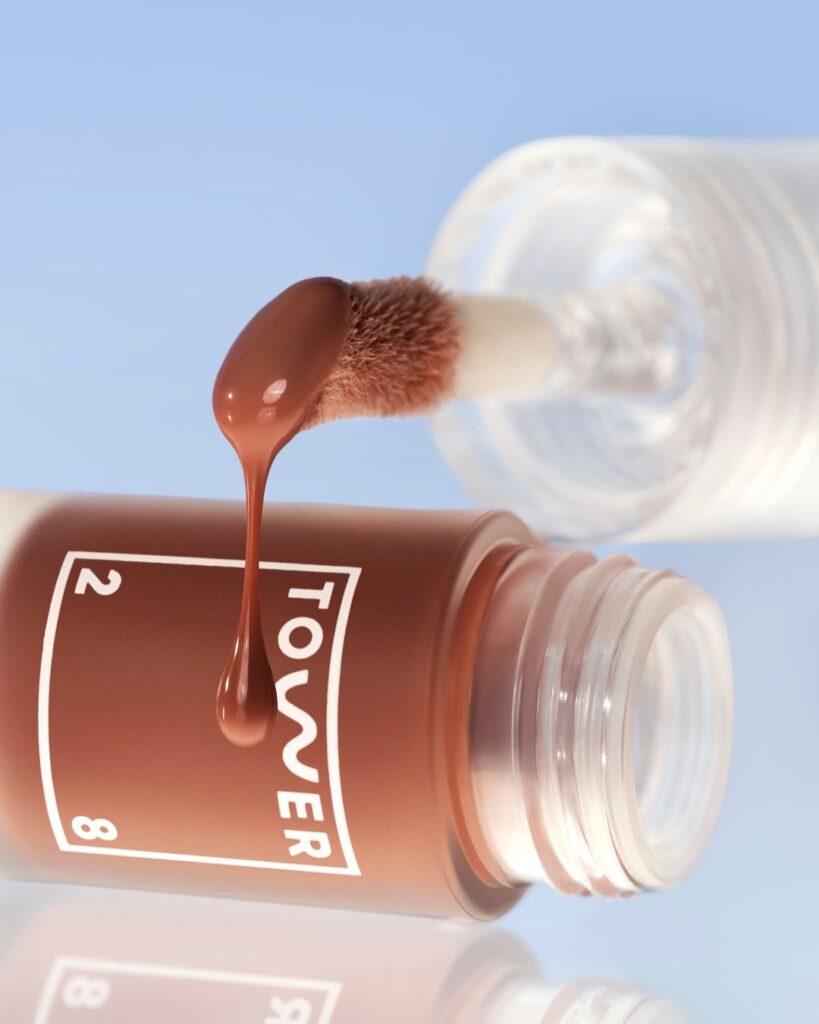
The ShineOn Plumping Lip Jelly itself is formulated with a blend of high-performance ingredients designed to deliver both aesthetic appeal and skin benefits. Beyond the novel Palmless Torula Oil, the lip jelly features the plant-based extract VibePlump and the peptide Volulip. These components work synergistically to enhance circulation within the lips, thereby naturally boosting hyaluronic acid production and contributing to a plumper, more hydrated appearance. The product is also engineered with a unique vibration technology that gently stimulates circulation, aiming to achieve a plumping effect without the common side effects of swelling, burning, or irritation often associated with conventional lip plumpers. The vanilla-scented formula is available in five shades, including the clear "Chill Heat" and the subtly tinted "Warm Flow," catering to a diverse range of consumer preferences.
The inclusion of Palmless Torula Oil alongside arnica in the formulation further enhances the product’s efficacy. Arnica is known for its soothing and anti-inflammatory properties, contributing to the overall hydration and comfort of the lips, while the Torula oil ensures a smooth, non-sticky finish. The near-identical chemical and functional properties of Torula oil to palm oil mean that formulators can seamlessly integrate it into existing product lines without compromising on texture, performance, or stability.
The Environmental Imperative: Palm Oil and Deforestation
The urgency behind C16 Biosciences’ work is underscored by the staggering environmental impact of conventional palm oil production. Palm oil accounts for approximately 40% of all oil produced globally and is found in an estimated 50% of supermarket products, spanning a vast array of categories from food and personal care to cleaning supplies. However, its widespread use has come at a tremendous environmental cost. The expansion of palm oil plantations is a leading cause of tropical deforestation, particularly in Southeast Asia, leading to the destruction of vital rainforest ecosystems, the endangerment of countless species, and significant contributions to global greenhouse gas emissions.
Estimates suggest that tropical deforestation, much of which is linked to agricultural expansion like palm oil cultivation, is responsible for nearly 20% of annual global greenhouse gas emissions. The association with devastating wildfires, particularly in Indonesia and Malaysia, further highlights the destructive nature of unsustainable palm oil practices. The carbon stored within these forests is released into the atmosphere when they are cleared and burned, exacerbating climate change.
In contrast, C16’s fermentation-derived lipids offer a compelling sustainable alternative. The company reports that its process achieves a land-use efficiency that is approximately 250 times greater than traditional palm oil cultivation. Furthermore, the traceable and reliable supply chain inherent in its biomanufacturing platform provides brands with a level of transparency and consistency that is often challenging to achieve with conventional agricultural commodities. C16 is scaling its production to meet industrial demand, with an output of several tonnes per week, demonstrating its capacity to provide significant volumes of these essential ingredients.
A Global Push for Palm Oil Substitutes in Personal Care
The personal care sector is at the forefront of the adoption of palm oil substitutes, driven by increasing consumer demand for ethical and sustainable products, as well as mounting regulatory pressure. The European Union’s Deforestation Regulation, set to take effect in December after several postponements, will prohibit the import of commodities, including palm oil, that are linked to deforestation. This legislation poses significant challenges for companies that rely heavily on palm oil derivatives, with potential fines of up to 4% of global turnover for non-compliance. The United Kingdom has implemented a similar law, and legislative efforts are also underway in the United States to curb imports of products tied to deforestation.
These regulatory shifts are accelerating innovation and investment in alternative lipid technologies. C16 Biosciences has successfully attracted substantial funding, securing $34 million to date. Key investors include Breakthrough Energy Ventures, backed by Bill Gates, and the Gates Foundation, underscoring the high-level recognition of the company’s potential to address global environmental challenges.
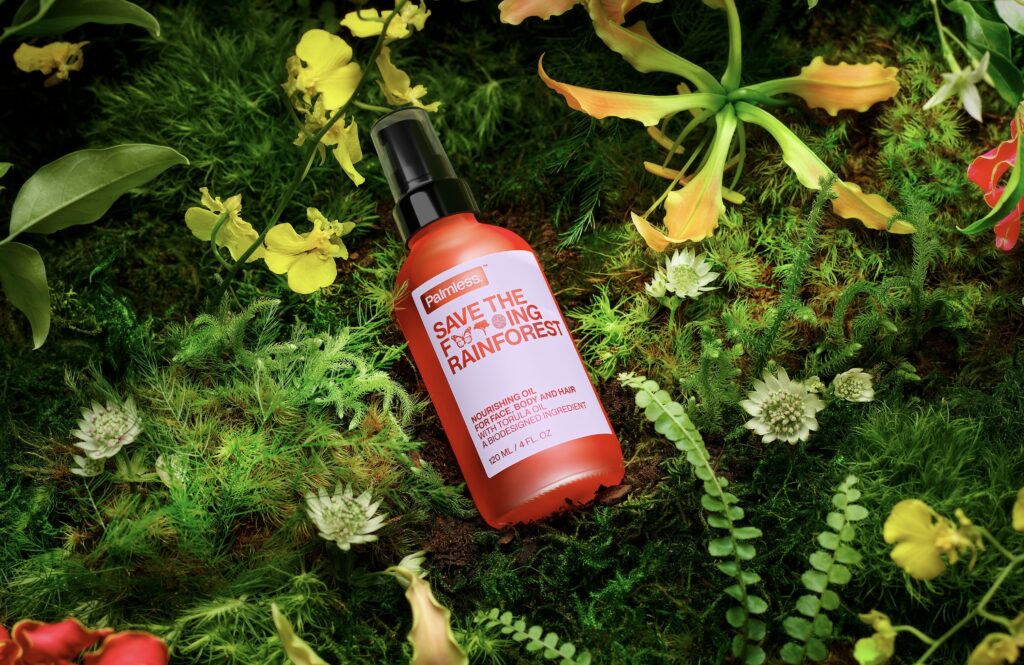
Palmless Torula Oil has previously made its debut in other notable products. It was featured in Palmless’s F#$%ing Rainforest Nourishing Oil and the Rewild Body Block, a soap bar jointly developed by Pangaia and Haeckels. Both of these limited-edition products experienced remarkable success, selling out within 24 hours, indicating a strong market appetite for products utilizing this deforestation-free ingredient.
The collaboration with Tower 28 Beauty is part of a broader trend in the beauty industry, where numerous biotech startups are actively developing and commercializing sustainable alternatives to palm oil. For instance, Savor recently launched four carbon-derived ingredients designed to reduce emissions by 90% compared to tropical oils, suitable for a wide range of cosmetic applications.
UK-based Clean Food Group has raised $7 million to further its work in developing yeast-oil alternatives through fermentation. Their product, CleanOil, aims to provide a sustainable solution for the beauty industry by utilizing food waste and yeast. Similarly, Estonian company Äio has introduced RedOil, an upcycled and sustainable fat alternative derived from fermentation, which has been incorporated into a skin-boosting serum by the personal care brand Tilk.
Swedish company Melt&Marble’s precision-fermented fat, Marble7, has achieved an International Nomenclature Cosmetic Ingredient (INCI) name, paving the way for its widespread use in the global personal care market. Meanwhile, French cosmetics specialist La Fabrique Végétale has partnered with US startup Checkerspot to bring the latter’s fermentation-derived algal oils to the European market, further diversifying the portfolio of sustainable ingredient options available to beauty formulators.
Analysis of Implications
The partnership between Tower 28 Beauty and C16 Biosciences represents more than just a new product launch; it signifies a crucial step in the mainstreaming of bio-engineered ingredients as viable alternatives to environmentally damaging commodities. For Tower 28, this collaboration allows them to align their brand values of conscious beauty with innovative product development, appealing to a growing segment of consumers who prioritize sustainability. The success of their ShineOn Plumping Lip Jelly could encourage other brands to explore similar ingredient innovations, creating a ripple effect across the industry.
From C16 Biosciences’ perspective, this partnership validates their technology and its applicability in the demanding color cosmetics market. As regulatory pressures intensify and consumer awareness grows, the demand for traceable, sustainable, and high-performing ingredients like Palmless Torula Oil is expected to soar. The company’s ability to scale production and achieve functional equivalence with palm oil is key to its long-term success and its potential to displace conventional lipids across various industries.
The broader implication of this trend is the potential for a significant reduction in deforestation and its associated environmental consequences. By providing scalable, sustainable alternatives, companies like C16 Biosciences can help decouple economic growth from environmental degradation. The development of a robust ecosystem of biotech ingredient suppliers and beauty brands willing to adopt these innovations is essential for creating a more sustainable future for the personal care industry and beyond. The coming years will likely see an acceleration of such collaborations, driven by both market demand and the imperative to address the climate crisis.
