
The global health landscape has undergone a significant transformation, particularly in the understanding of respiratory pathogen transmission. The recent pandemic brought into sharp focus the critical role of airborne spread, leading to a paradigm shift in both scientific consensus and public health strategies. This guide consolidates current knowledge and practical tools to empower individuals in reducing their risk of acquiring common respiratory illnesses, moving beyond traditional vaccination strategies to embrace a more holistic approach to personal and environmental protection.
The Paradigm Shift: Understanding Airborne Transmission
For decades, the dominant "droplet dogma" posited that most respiratory diseases primarily spread via large respiratory droplets expelled during coughing or sneezing, which were thought to fall rapidly to the ground within six feet. Early pandemic control measures, such as extensive handwashing campaigns, surface disinfection, plexiglass barriers, and the ubiquitous "six-foot rule," were largely predicated on this understanding. However, rigorous scientific investigation, spearheaded by persistent researchers like Linsey Marr, Kimberly Prather, and Jose-Luis Jimenez, thoroughly debunked this model by early 2021, establishing that severe acute respiratory syndrome coronavirus 2 (SARS-CoV-2) and indeed many other common respiratory pathogens, are predominantly transmitted through the air.
This revised understanding highlights that infectious aerosols, much smaller than droplets, can remain suspended in the air for extended periods and travel considerable distances, akin to smoke. Consequently, measures focused on surface hygiene or large droplet containment are demonstrably less effective against airborne viruses. Instead, the emphasis has shifted towards strategies that address inhaled air quality. It is crucial to note that this scientific evolution has been met with resistance in some sectors of the medical establishment, leading to persistent promotion of outdated advice.
Furthermore, critical misconceptions regarding immunity and illness persistence have been clarified. Contrary to popular belief, contracting an illness does not inherently bolster the immune system; beneficial microbes for immunity are distinct from pathogens. Emerging evidence suggests that certain infections, such as COVID-19, can lead to short-term immune dysregulation, potentially increasing susceptibility to subsequent infections. Additionally, the variability of symptoms across different viral variants and individuals means that self-diagnosis can be unreliable; what might be dismissed as a mild cold or stomach upset could, in fact, be an active infection, underscoring the importance of accurate testing and cautious interpretation of symptoms.
The Role of CO2 Monitoring in Assessing Ventilation
Effective ventilation is paramount in mitigating airborne transmission indoors. Carbon dioxide (CO2) levels serve as a highly practical and widely recognized proxy for assessing indoor air quality and, by extension, the concentration of exhaled breath from occupants. Since human respiration produces CO2, higher indoor CO2 concentrations directly correlate with a greater proportion of re-breathed air, which in turn implies a higher potential concentration of airborne pathogens if an infected individual is present.
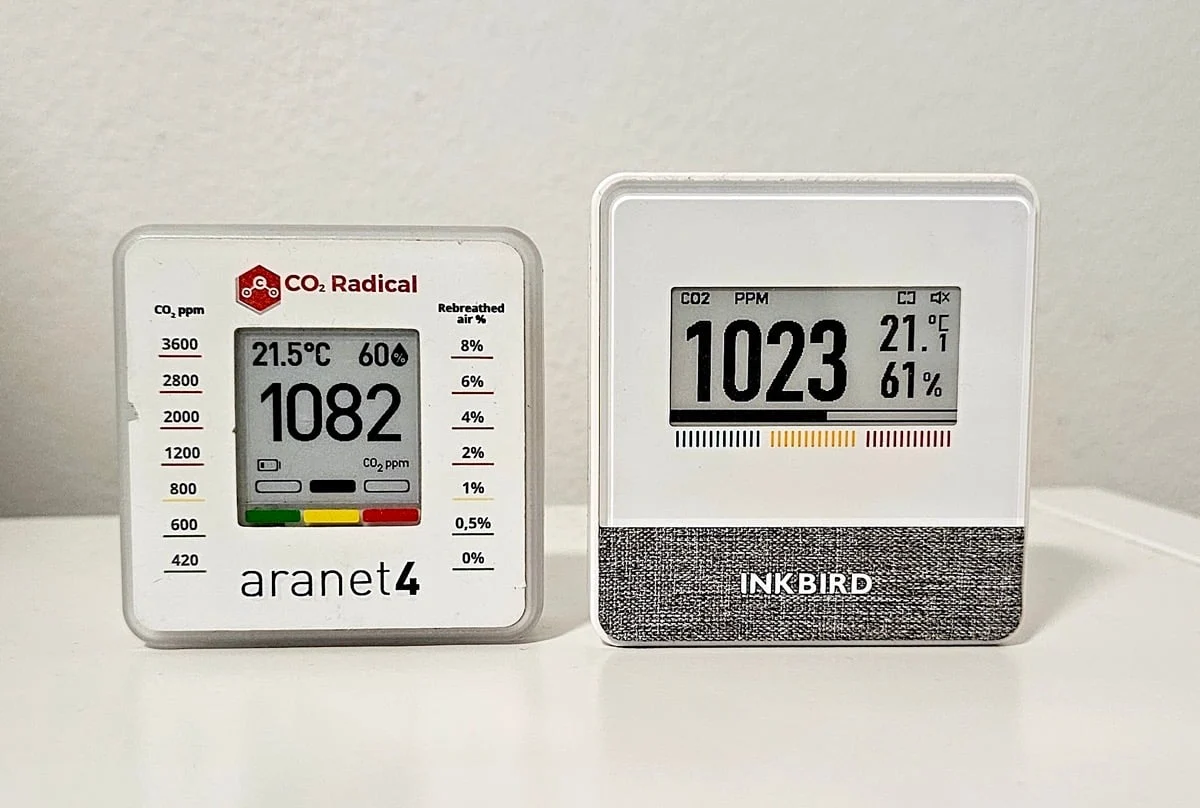
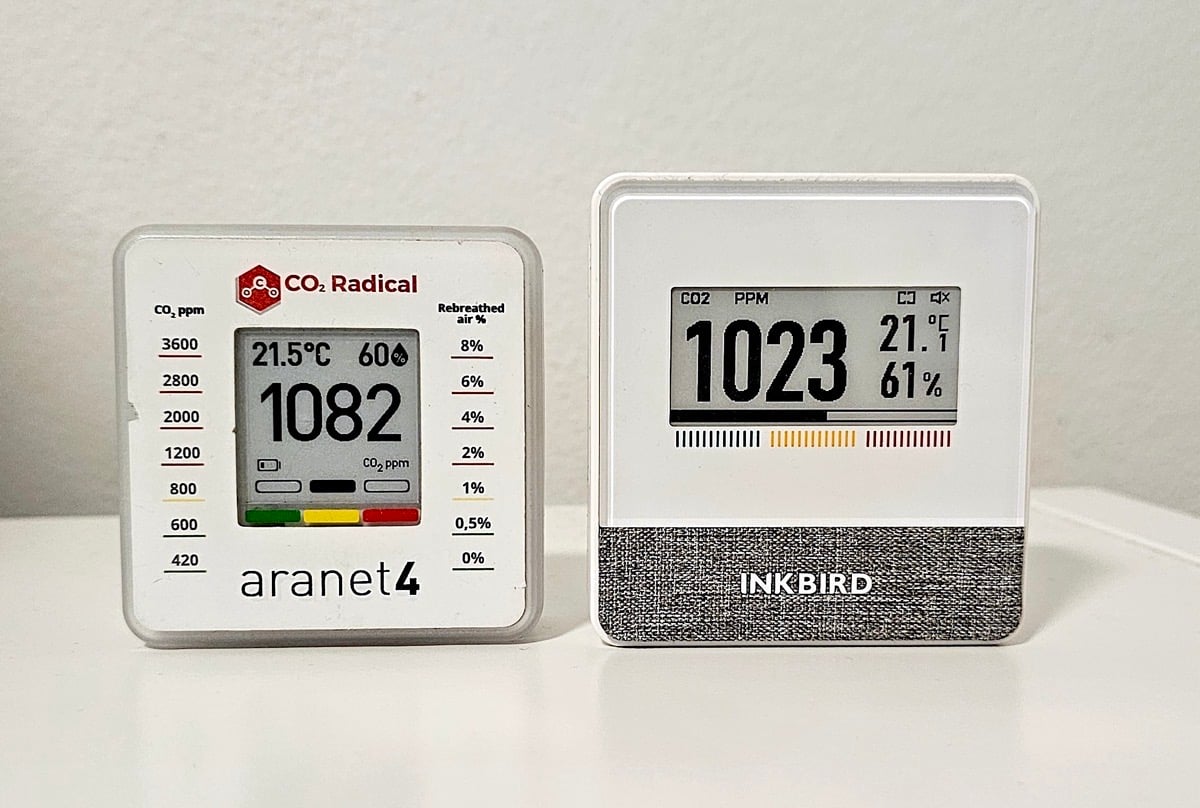
Portable CO2 monitors, such as the Aranet4 Home or Inkbird devices, empower individuals to make informed decisions about their environment. While outdoor ambient CO2 levels typically hover around 400-450 parts per million (ppm), indoor spaces with good ventilation should ideally maintain levels below 600-800 ppm. Levels exceeding 1000 ppm indicate poor ventilation and a significantly elevated risk of airborne transmission. For context, some guidelines suggest that offices and schools should aim for CO2 levels below 800 ppm, with classrooms often showing levels well above 1500 ppm in poorly ventilated settings.
Using a CO2 monitor allows for real-time assessment, akin to lifting the "fog of war" in a video game, revealing hidden risks. While precise risk calculation remains complex, depending on factors such as the number of infected individuals, their viral load, and individual susceptibility, a general heuristic can be applied: below 600 ppm, transmission risk is primarily from close-range interactions; above 1000 ppm, prolonged exposure warrants enhanced precautions like wearing a respirator or seeking better-ventilated spaces. Anecdotal evidence from users highlights the unexpected poor ventilation in seemingly open spaces like crowded warehouses, and surprisingly good ventilation in some restaurants. Beyond public health, CO2 monitoring has practical applications in home environments, such as identifying the need for improved overnight bedroom ventilation to reduce morning grogginess, or managing humidity for sensitive tasks like 3D printing.
It is important to note that CO2 levels alone do not tell the entire story. In environments equipped with high-efficiency particulate air (HEPA) filters or other advanced air purification systems, the air may be cleaner than CO2 readings suggest. For example, commercial aircraft often have high CO2 levels during flight but benefit from sophisticated HEPA filtration systems that rapidly exchange and clean cabin air. However, these filtration systems may not be fully operational when an aircraft is on the ground, emphasizing the need for continued vigilance and potentially, personal protective measures during boarding and deplaning.
Advanced Respiratory Protection: The Efficacy of N95/P2 Respirators
For personal protection against airborne pathogens, respirators classified as N95 (US standard), P2 (Australian/New Zealand standard), FFP2 (European standard), or KN95 (Chinese standard) offer significantly superior protection compared to surgical or cloth masks. These respirators are designed to create a tight seal around the face and feature advanced filter materials capable of capturing at least 95% of airborne particles as small as 0.3 microns, including infectious aerosols. This high filtration efficiency is often achieved through a combination of mechanical capture and electrostatic attraction.
Unlike surgical masks, which are primarily designed to protect others from the wearer’s exhalations, respirators protect the wearer by preventing inhalation of airborne contaminants. Key features contributing to their efficacy include:
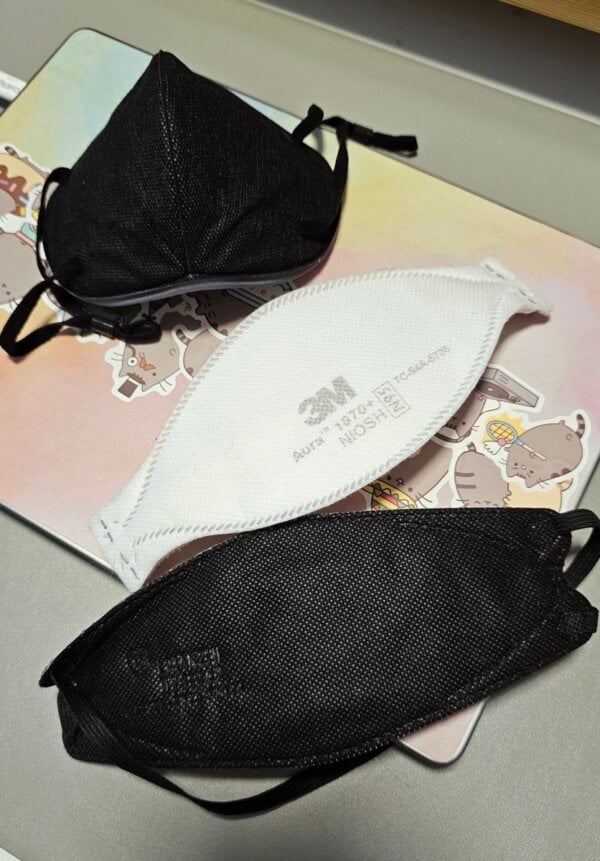
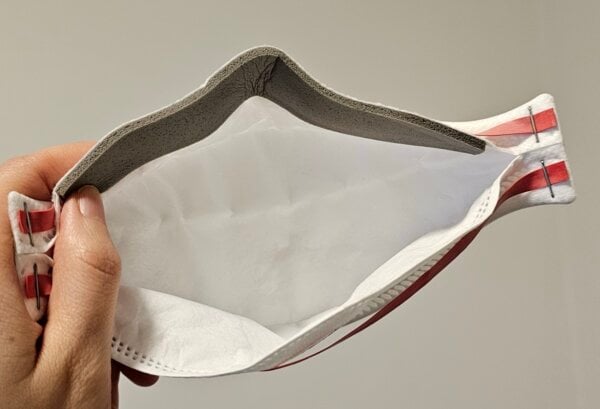
- Fit and Seal: The most crucial factor. Respirators with headstraps generally achieve a better and more consistent seal than those with earloops. Models like the 3M Aura, with its distinctive boat-shaped design and headstraps, are known for achieving a good fit on a large proportion of faces (studies indicate over 90% pass quantitative fit tests).
- Material and Design: Soft, multi-layered filter material with electrostatic properties enhances particle capture. Designs that sit off the nose and mouth, like the Aura, can also improve comfort and breathability compared to flatter mask types.
- Reusability: Contrary to common belief, N95 respirators can be reused multiple times until the filter material becomes noticeably difficult to breathe through or the seal is compromised. This prolongs their utility and reduces waste.
- Fit Testing: While occupational settings require quantitative fit testing, individuals can achieve good protection by performing a simple qualitative seal check, ensuring no air leaks around the edges when inhaling and exhaling forcefully.
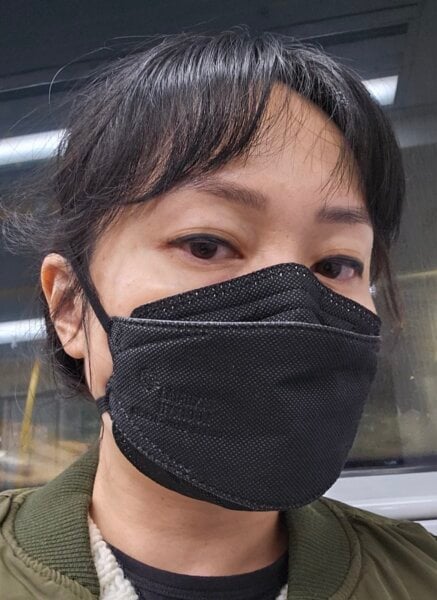
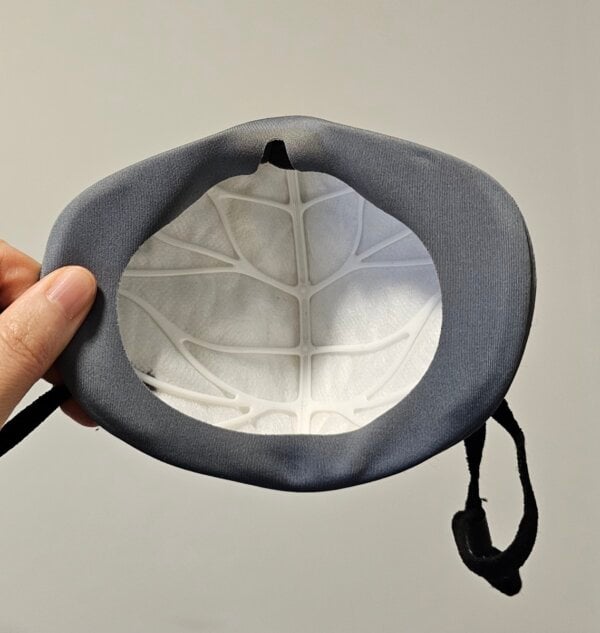
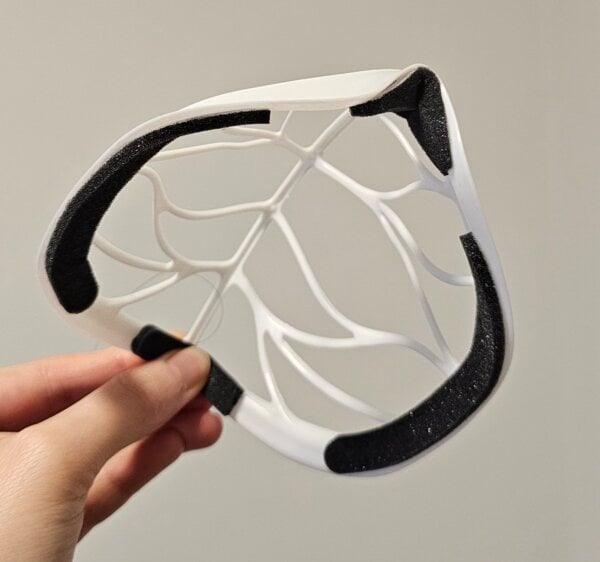
Examples of effective respirators include the 3M Aura (available in various models like 1870+, 9320A+), valued for its high filtration and comfort, often preferred over surgical masks due to its off-face design. The Laianzhi HYX1002, a KN100 mask, offers similar design principles with added aesthetic options like black fabric straps. Innovative designs like the Zimi Air feature an internal frame and gasket, providing an excellent seal without excessive pressure on the face, making them ideal for minimizing skin marks or makeup disruption, though they may require some customization for optimal fit.
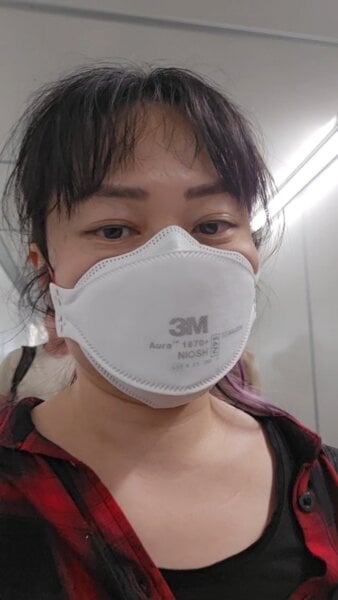
Respirators are particularly vital in high-risk environments such as airplanes, airports, medical facilities (pharmacies, hospitals, clinics), and during periods of high community transmission or seasonal illness. Beyond preventing infection, respirators offer ancillary benefits, such as maintaining nasal passage moisture on planes, thereby reducing instances of nosebleeds in dry cabin air. Public health messaging continues to emphasize the importance of correct respirator selection and usage for maximizing protection.
Innovative Air Purification Technologies: Laminar Flow and Far-UVC
Beyond general room air purification, emerging technologies offer more targeted or advanced germicidal solutions.
Laminar Air Flow Purifiers: Traditional air purifiers typically produce a turbulent stream of air, which mixes rapidly with the surrounding "dirty" air. Laminar flow purifiers, such as the AirFanta 4Lite, are engineered to maintain a unidirectional, clean stream of air over a longer distance. This creates a personal "clean air zone" directly in front of the device, allowing individuals to breathe significantly cleaner air even in a contaminated environment. This technology is particularly useful for activities where mask-wearing is impractical, such as eating in public spaces like restaurants or at shared tables. While highly effective for individual protection within its clean air zone, a portable laminar flow purifier is not a substitute for a well-fitting respirator in situations requiring broader protection. The AirFanta Wearable model, for instance, offers a localized clean air stream for personal use but does not provide the comprehensive protection of a mask.
Far-UVC Technology: Far-UVC refers to a specific wavelength of ultraviolet-C light, precisely 222 nanometers (nm), which has demonstrated significant germicidal efficacy against airborne pathogens while purportedly posing minimal harm to human skin and eyes. Unlike conventional germicidal UVC (typically 254 nm), which is highly dangerous to humans and requires unoccupied spaces for disinfection, Far-UVC’s shorter wavelength is thought to be unable to penetrate the outer, non-living layer of human skin or the tear layer of the eye, thus limiting cellular damage. This breakthrough technology holds immense promise for continuous air disinfection in occupied public spaces.
However, the technology is still evolving, and critical questions regarding long-term safety and product reliability persist. Many commercially available Far-UVC products may not accurately meet the specified 222 nm wavelength or output intensity, potentially exposing users to harmful conventional UVC radiation. Reputable brands like Nukit, which prioritize rigorous testing and transparent product specifications, are crucial for safe adoption. Potential applications include use in high-traffic areas like waiting rooms, public transport, and event venues, offering a proactive layer of environmental disinfection. Continued research and stringent regulatory oversight are essential to ensure the safe and widespread deployment of Far-UVC.
General Air Filtration and Environmental Control
Beyond personal devices, larger air purification systems are indispensable for improving indoor air quality in shared spaces. HEPA (High-Efficiency Particulate Air) filters are the gold standard for removing airborne particles, including viral aerosols, pollen, dust, and smoke. These filters are designed to capture 99.97% of particles that are 0.3 micrometers in diameter, though they are effective at capturing both smaller and larger particles.
When selecting an air purifier, the Clean Air Delivery Rate (CADR) is the most important metric, indicating how quickly the purifier cleans a room of specific pollutants. A higher CADR means faster air cleaning. For optimal performance, the CADR should be appropriate for the room size, aiming for at least 5-6 air changes per hour (ACH). Organizations like Clean Air Stars provide valuable tools and recommendations based on CADR and room dimensions. For those seeking cost-effective solutions, DIY Corsi-Rosenthal boxes, constructed from MERV-13 filters and a box fan, offer impressive CADR performance at a fraction of the cost of commercial units.
Strategic placement of air purifiers, away from walls to allow for unimpeded airflow, maximizes their effectiveness. These devices are beneficial in a wide array of settings, including classrooms, offices, hotel rooms with central air systems, and homes, significantly reducing the overall viral load in indoor environments.
Complementary Personal Hygiene Measures: Nasal Rinses and Sprays
While not primary defenses against airborne transmission, nasal rinses and sprays can serve as valuable complementary tools in a layered prevention strategy.
Nasal Rinses: Studies primarily support the use of nasal irrigation for reducing the duration and severity of common colds and allergies. The theoretical mechanism for viral illness prevention involves physically rinsing away trapped pathogens and irritants from nasal mucus before they can fully establish an infection. Products like the Neilmed bottle and sachets, utilizing a saline solution, are commonly used for this purpose. While not a substitute for robust measures like clean air or respirators, performing a nasal rinse after exposure to higher-risk environments (e.g., crowded events, medical appointments) is a low-risk practice that may help reduce viral load in the nasal passages.
Nasal Sprays: Certain nasal sprays contain active ingredients that, in theory, could either block viruses from binding to nasal receptors or directly inactivate them on contact. Examples include sprays containing carrageenan, xylitol, or povidone-iodine. However, the efficacy of nasal sprays can be inconsistent due to challenges in achieving uniform spray distribution and adequate contact time within the nasal cavity. As with rinses, these sprays are best viewed as supplementary measures to potentially reduce viral entry or replication, rather than standalone primary prevention methods. Their role in comprehensive airborne disease prevention requires further robust clinical evidence.
Public Health Surveillance and Informed Decision-Making
Staying informed about community viral activity is crucial for personal risk assessment. Public health dashboards and wastewater surveillance data provide valuable insights into local transmission levels. Wastewater testing, in particular, offers an early and aggregate indicator of viral prevalence in a community, often preceding clinical case surges. By monitoring these metrics, individuals can gauge the ambient risk, much like checking a UV index for sun exposure, and adjust their precautions accordingly. Higher community transmission levels may warrant increased reliance on respirators in public, avoiding crowded indoor spaces, or opting for outdoor social activities.
Challenges and Future Outlook in Airborne Disease Prevention
The shift towards recognizing and addressing airborne transmission represents a significant advancement in public health. However, its widespread adoption faces several challenges. Public education is paramount, requiring clear, consistent communication from health authorities to overcome ingrained beliefs from the droplet era. The stigma associated with mask-wearing or advocating for better ventilation remains a barrier in some communities. Furthermore, implementing broad environmental controls, such as upgrading HVAC systems in public buildings and schools, demands substantial investment and policy changes.
Despite these hurdles, the future of airborne disease prevention is promising. Continued research into novel air disinfection technologies, improved respirator designs for comfort and aesthetics, and advancements in real-time air quality monitoring will further empower individuals and institutions. A layered approach, combining vaccination, robust ventilation, effective personal respiratory protection, and informed risk assessment, offers the most comprehensive strategy for mitigating the impact of current and future respiratory pandemics. This integrated approach not only protects against pathogens but also improves overall indoor air quality, yielding benefits for allergies, asthma, and general well-being.
