

Polycystic Ovary Syndrome (PCOS) remains one of the most prevalent endocrine disorders among women of reproductive age, affecting approximately 8% to 13% of the global female population. Characterized by a complex interplay of hormonal imbalances, ovulatory dysfunction, and metabolic disturbances, the condition often necessitates a multi-faceted management strategy. In recent years, clinical attention has increasingly turned toward berberine, a natural plant alkaloid, as a potent therapeutic agent capable of addressing the underlying drivers of PCOS. Traditionally used in Ayurvedic and Traditional Chinese Medicine for over three millennia, berberine is now being re-evaluated through the lens of modern pharmacology, particularly for its ability to regulate insulin signaling and systemic inflammation.
The Biochemical Profile and Historical Context of Berberine
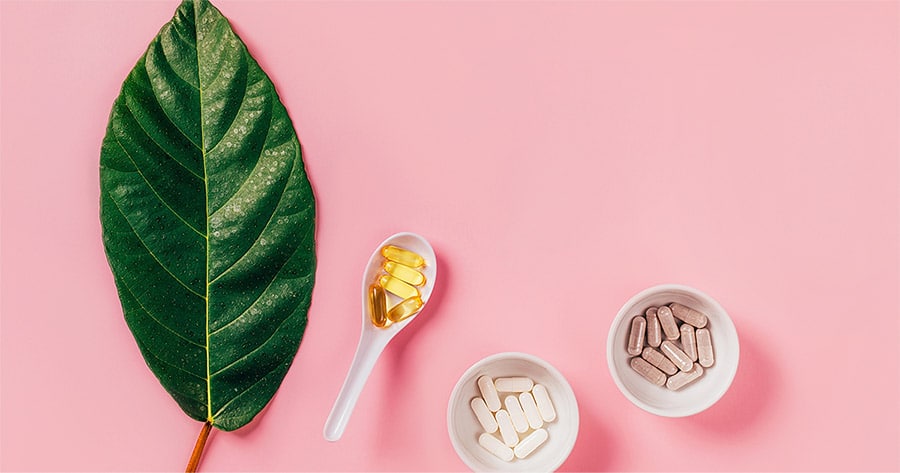
Berberine is a quaternary ammonium salt from the protoberberine group of benzylisoquinoline alkaloids. It is naturally occurring in several plant species, most notably within the roots, rhizomes, and stems of the Berberis genus, such as barberry (Berberis vulgaris), goldenseal (Hydrastis canadensis), and Oregon grape (Mahonia aquifolium). Its distinctive yellow hue led to its historical use as a dye, but its pharmacological value lies in its ability to cross cell membranes and interact with multiple intracellular targets.
The historical trajectory of berberine spans over 3,000 years, beginning in East Asia where it was utilized primarily as an antimicrobial and anti-diarrheal agent. However, the transition into Western clinical practice was catalyzed by contemporary research into its metabolic properties. Modern studies have identified that berberine’s primary mechanism of action involves the activation of adenosine monophosphate-activated protein kinase (AMPK). Often referred to as a "metabolic master switch," AMPK plays a crucial role in regulating energy homeostasis, glucose uptake, and fatty acid oxidation. For women with PCOS, whose physiological state is frequently defined by AMPK suppression and subsequent insulin resistance, this mechanism offers a targeted pathway for symptom relief.

The Pathophysiology of PCOS and Insulin Resistance
To understand the impact of berberine, one must first examine the metabolic environment of a typical PCOS patient. Insulin resistance is a hallmark of the syndrome, occurring in approximately 70% of affected women regardless of body mass index. When the body’s cells become less responsive to insulin, the pancreas compensates by overproducing the hormone, leading to hyperinsulinemia.
Excess insulin does more than disrupt blood sugar; it acts directly on the ovaries to stimulate the production of androgens, such as testosterone. This hormonal cascade leads to the classic symptoms of PCOS: hirsutism (excess hair growth), acne, and anovulation. Furthermore, irregularities in the insulin signaling pathway contribute to a cycle of weight gain and systemic inflammation. Clinical data suggests that berberine’s ability to sensitize insulin receptors and enhance glucose transporter type 4 (GLUT4) translocation can effectively break this cycle, offering a non-pharmaceutical alternative or adjunct to standard treatments like metformin.

Clinical Chronology and Comparative Research
The evolution of berberine research has moved from observational studies to rigorous randomized controlled trials (RCTs). A significant milestone occurred in the early 2010s when researchers began comparing berberine directly to metformin, the gold-standard pharmaceutical for insulin resistance.
In a landmark study published in the Journal of Clinical Endocrinology, 100 women diagnosed with PCOS were divided into groups receiving either berberine or metformin over a three-month period. The findings indicated that both treatments were effective in improving menstrual regularity and ovulation rates. However, the berberine group demonstrated a superior increase in sex hormone-binding globulin (SHBG) levels. SHBG is a protein that binds to testosterone in the blood; higher levels of SHBG result in lower "free" testosterone, thereby reducing androgenic symptoms more effectively than metformin alone.

Further research in 2022, published in Cureus, corroborated these findings, showing that a 12-week intervention with berberine significantly improved insulin sensitivity markers. These chronological developments highlight a shifting consensus in the medical community, moving berberine from a "supplemental" status to a recognized therapeutic candidate in integrative gynecology.
Metabolic Impact: Weight Loss and Lipid Regulation
Beyond hormonal regulation, berberine exerts a profound influence on body composition and cardiovascular health. For many women with PCOS, weight loss is notoriously difficult due to metabolic slowing. Berberine addresses this by reducing fat storage and increasing energy expenditure at the cellular level.

Data from a clinical study involving 37 participants with metabolic syndrome demonstrated that 12 weeks of berberine supplementation resulted in a significant reduction in Body Mass Index (BMI). On average, participants saw their BMI drop from 31.5 to 27.4. This change is attributed to berberine’s inhibition of adipogenesis—the process by which new fat cells are formed.
Concurrently, berberine serves as a powerful lipid-lowering agent. Women with PCOS are at a four-fold higher risk for cardiovascular disease, often presenting with high LDL (bad) cholesterol and low HDL (good) cholesterol. Research published in PubMed has indicated that berberine is nearly as effective as simvastatin, a common statin medication, in reducing LDL levels. By increasing the expression of LDL receptors in the liver, berberine facilitates the clearance of cholesterol from the bloodstream, thereby mitigating long-term cardiovascular risks associated with the syndrome.

Reproductive Health and Fertility Enhancements
Anovulation is the leading cause of infertility in the PCOS population. Berberine’s role in restoring the hypothalamic-pituitary-ovarian axis is critical for patients seeking to conceive. By lowering insulin levels, berberine reduces the "theca cell" overstimulation in the ovaries, allowing for the maturation of follicles and regular ovulation.
Furthermore, berberine has been found to improve endometrial receptivity. For an embryo to successfully implant, the lining of the uterus must be receptive to signaling. Chronic inflammation and insulin resistance often compromise this environment. By acting as an anti-inflammatory agent and improving blood flow to the pelvic region, berberine enhances the likelihood of successful implantation. In some clinical observations, women taking berberine prior to IVF treatments showed improved live birth rates compared to those who did not, though researchers emphasize that further large-scale trials are necessary to solidify these fertility protocols.

Broader Systemic Implications: Mental Health and Liver Function
The implications of berberine extend into the often-overlooked psychological and hepatic symptoms of PCOS. Depression and anxiety are significantly more prevalent in women with PCOS, likely due to a combination of hormonal fluctuations and the stress of managing a chronic condition. Recent neurological studies suggest that berberine may modulate neurotransmitters such as serotonin and dopamine, providing a mild antidepressant effect.
Additionally, Non-Alcoholic Fatty Liver Disease (NAFLD) is a frequent comorbidity of PCOS, with affected women being four times more likely to develop the condition. NAFLD occurs when excess fat is stored in liver cells, leading to inflammation and potential scarring. Berberine’s ability to reduce triglyceride levels and improve hepatic insulin sensitivity makes it an effective tool for liver protection. A meta-analysis in 2016 confirmed that berberine supplementation leads to a measurable decrease in liver enzymes, signaling a reduction in hepatic stress and fat accumulation.
Implementation, Dosage, and Safety Protocols
As berberine gains traction in mainstream wellness, medical professionals emphasize the importance of standardized dosing and quality control. The generally recommended dosage for PCOS management is 500mg, taken two to three times daily. This staggered approach is designed to maintain stable levels of the alkaloid in the bloodstream, as it has a relatively short half-life.
Pharmacological experts suggest opting for berberine hydrochloride (HCl), as this form is characterized by higher bioavailability. It is typically advised that the supplement be taken with or shortly after a meal to minimize gastrointestinal side effects. While berberine is generally considered safe for long-term use, some patients report mild digestive upset, including nausea or changes in bowel habits. These symptoms often resolve as the body acclimates to the supplement.

It is important to note that while berberine is a potent natural tool, it should be used under the guidance of a healthcare provider, particularly for patients already taking blood-sugar-lowering medications or hormonal contraceptives. Potential interactions must be monitored to ensure that glucose levels do not drop too low (hypoglycemia).
Conclusion and Future Outlook
The integration of berberine into PCOS management plans represents a significant step toward personalized, integrative medicine. By addressing the root causes of the disorder—namely insulin resistance and systemic inflammation—berberine offers a comprehensive solution that spans reproductive, metabolic, and mental health.

As the global medical community continues to struggle with the rising tide of metabolic disorders, the resurgence of this ancient alkaloid provides a hopeful avenue for millions of women. Future research is expected to focus on the synergistic effects of berberine when combined with other supplements, such as myo-inositol, potentially creating even more effective natural protocols for hormone balance. For now, the evidence remains clear: berberine is no longer just a traditional remedy; it is a scientifically backed cornerstone of modern PCOS therapy.
