
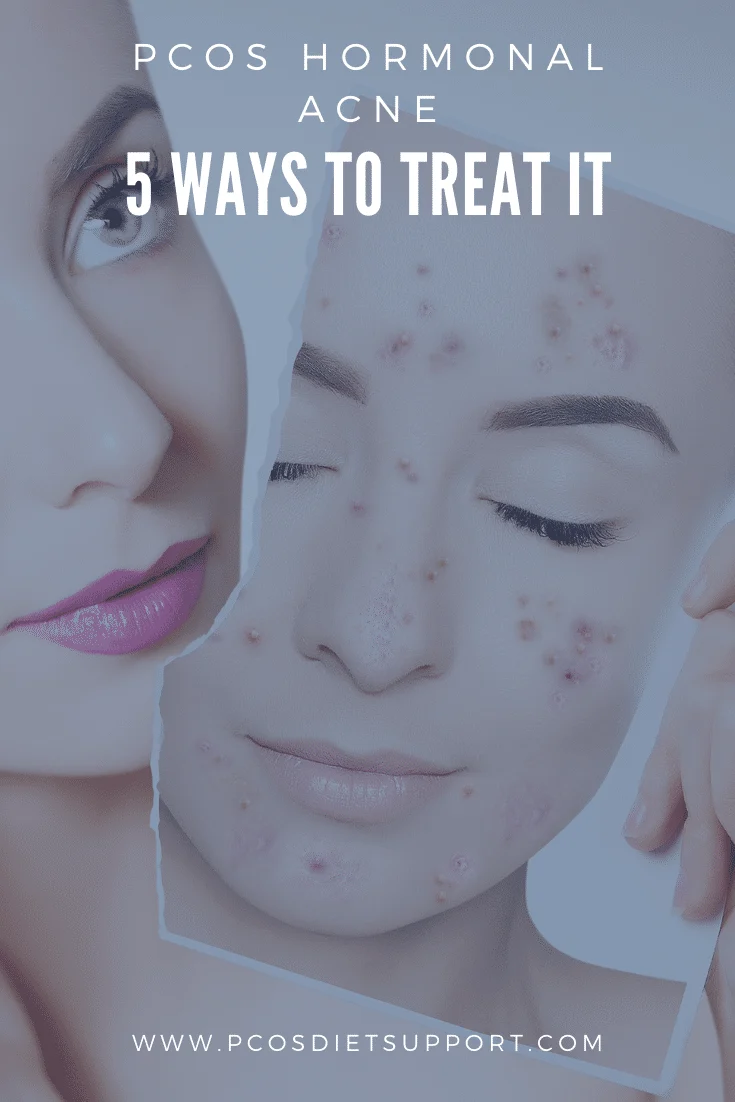
Polycystic Ovary Syndrome (PCOS) remains one of the most prevalent endocrine disorders affecting women of reproductive age, with clinical manifestations that extend far beyond the reproductive system. Among these symptoms, hormonal acne is often cited as one of the most distressing, characterized by persistent, deep-seated cystic lesions that frequently resist standard over-the-counter treatments. Unlike the transient acne associated with the menstrual cycle in the general population, PCOS-related acne is driven by a complex interplay of hyperandrogenism, insulin resistance, and chronic inflammation. Medical experts and dermatologists emphasize that managing this condition requires a multi-faceted approach that addresses the underlying hormonal imbalance rather than merely treating the skin’s surface.
The Pathophysiology of PCOS-Induced Acne
The genesis of acne in the context of PCOS is primarily rooted in the dysregulation of the hypothalamic-pituitary-ovarian axis. In a physiologically typical cycle, the pituitary gland orchestrates the production of estrogen, progesterone, and androgens in precise ratios. However, in patients with PCOS, the signals that govern hormone synthesis become disrupted. This frequently leads to an overproduction of luteinizing hormone (LH) and a relative deficiency in follicle-stimulating hormone (FSH), which stimulates the ovaries to produce excessive amounts of testosterone and other androgens.
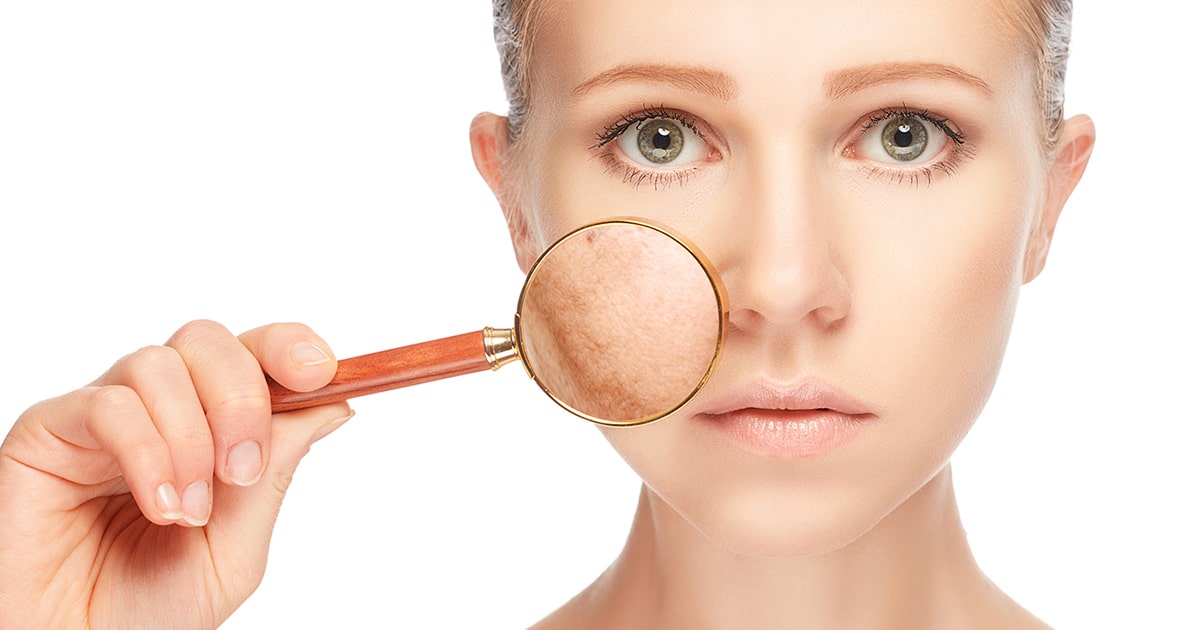
Androgens are the primary drivers of sebum production. When androgen levels are elevated, the sebaceous glands in the skin become hyperactive, producing an excess of oil. This oil, combined with a process called follicular hyperkeratosis—where skin cells do not shed properly and instead clog the pores—creates an ideal environment for the proliferation of Cutibacterium acnes. Furthermore, research indicates that women with PCOS often exhibit systemic low-grade inflammation, which exacerbates the redness and swelling associated with acne lesions.
Clinical Chronology and Diagnostic Framework
The onset of PCOS-related acne typically follows a specific clinical chronology, often beginning in late adolescence or early adulthood. While many teenagers experience "pubertal acne," those with PCOS frequently find that their skin concerns persist or even worsen well into their twenties and thirties. Clinical guidelines, such as the Rotterdam Criteria, require a patient to meet two of three specific markers for a PCOS diagnosis: oligo-ovulation or anovulation (irregular periods), clinical or biochemical signs of hyperandrogenism (such as acne or hirsutism), and polycystic ovaries as seen on an ultrasound.
Dermatological experts note that PCOS acne often presents in a specific distribution, frequently congregating along the "U-zone"—the jawline, chin, and upper neck. These lesions are typically inflammatory and cystic rather than comedonal (blackheads and whiteheads). The persistence of these symptoms, despite traditional topical treatments, often serves as the first clinical indicator that a patient should be screened for an underlying metabolic or endocrine disorder.
The Role of Insulin Resistance and Nutritional Impact
A critical factor in the management of PCOS is the high prevalence of insulin resistance, which affects an estimated 70% to 80% of diagnosed women, regardless of body mass index. Insulin resistance leads to hyperinsulinemia, a state where the body must produce excessive insulin to manage blood glucose levels. High levels of insulin are problematic because they directly stimulate the ovaries to produce more testosterone and simultaneously decrease the production of sex hormone-binding globulin (SHBG), a protein that normally "mops up" excess testosterone in the bloodstream.
From a nutritional standpoint, certain dietary patterns can significantly influence this insulin-androgen loop. Clinical observations and various studies have identified bovine dairy as a potential trigger for PCOS acne. Dairy products contain insulin-like growth factor 1 (IGF-1), which can mimic the effects of insulin and further stimulate androgen production. Furthermore, high-glycemic diets—rich in refined sugars and processed carbohydrates—spike insulin levels, fueling the cycle of sebum production and inflammation.
Data suggests that adopting a low-glycemic index diet can improve insulin sensitivity and, by extension, reduce the severity of acne. Many clinicians recommend focusing on anti-inflammatory whole foods, such as leafy greens, fatty fish, and complex carbohydrates, to stabilize blood sugar and lower systemic inflammation.

Pharmacological Interventions: Retinoids and Isotretinoin
When topical over-the-counter solutions fail, dermatologists often turn to prescription-strength retinoids. These vitamin A derivatives work by accelerating cell turnover and preventing the formation of keratin plugs in the pores. Tretinoin and Adapalene are common topical options that help maintain clear pores and reduce the likelihood of permanent scarring.
In severe or treatment-resistant cases, oral isotretinoin (commonly known by the brand name Accutane) may be prescribed. Isotretinoin is a potent systemic medication that shrinks the sebaceous glands and permanently alters the skin’s oil production. However, its use in the PCOS population requires careful monitoring. Because isotretinoin is highly teratogenic (causing severe birth defects), it is strictly regulated, often requiring patients to use two forms of contraception. Furthermore, while isotretinoin can clear existing acne, it does not address the underlying hormonal drivers of PCOS, meaning some patients may experience a relapse once the medication is discontinued if their hormones remain imbalanced.
Antiandrogen Therapy and Hormonal Regulation
For many women, the most effective long-term strategy for managing PCOS acne involves antiandrogen medications. These drugs work by blocking androgen receptors or inhibiting the production of androgens at the source.
- Spironolactone: Originally developed as a potassium-sparing diuretic, Spironolactone is widely used "off-label" for hormonal acne. It acts as an androgen antagonist, preventing testosterone from binding to receptors in the skin’s oil glands. Clinical data indicates that Spironolactone can reduce sebum production by 30% to 50%, significantly clearing cystic acne over a period of three to six months.
- Cyproterone Acetate: Frequently used in Europe and Canada, this progestogen has strong antiandrogenic properties. It is often combined with estrogen in birth control formulations to treat severe acne and hirsutism.
- Oral Contraceptives: Combined hormonal birth control pills containing both estrogen and progestin are a frontline treatment for PCOS. They work by suppressing the ovaries’ production of androgens and increasing the levels of SHBG. Modern "low-androgen" pills, such as those containing drospirenone (Yaz, Yasmin) or norgestimate (Ortho Tri-Cyclen), are specifically favored for their skin-clearing benefits.
However, medical professionals caution that hormonal contraceptives may carry risks, including an increased likelihood of venous thromboembolism (blood clots), particularly in patients who are obese or who smoke. Additionally, birth control functions as a symptomatic treatment; symptoms often return upon cessation of the medication.
Psychosocial Implications and the Vicious Cycle of Stress
The impact of PCOS acne extends beyond physical discomfort, carrying significant psychosocial implications. Studies have shown that women with PCOS experience higher rates of anxiety, depression, and body dysmorphia compared to the general population. The visible nature of acne, combined with other symptoms like weight gain and hirsutism, can lead to social withdrawal and diminished quality of life.
There is also a biological "vicious cycle" involving stress and skin health. Stress triggers the adrenal glands to release cortisol and dehydroepiandrosterone sulfate (DHEAS), an adrenal androgen. In women with PCOS, whose systems are already sensitized to androgens, this stress response can lead to immediate acne flare-ups. Effective management, therefore, often includes stress-reduction techniques such as mindfulness, cognitive behavioral therapy (CBT), and regular moderate exercise, which have been shown to lower cortisol levels and improve insulin sensitivity.
Broader Health Implications and Future Outlook
The presence of persistent hormonal acne in women should not be viewed as a cosmetic inconvenience but as a clinical window into their metabolic health. Untreated PCOS is associated with long-term risks, including Type 2 diabetes, non-alcoholic fatty liver disease, and cardiovascular disease. By addressing acne through a combination of endocrine management, nutritional adjustments, and targeted skincare, healthcare providers can mitigate these broader health risks.
The future of PCOS management is moving toward a more personalized, multidisciplinary approach. Integration between endocrinologists, gynecologists, and dermatologists is becoming the gold standard for care. Emerging research into gut microbiome health and its link to systemic inflammation and hormone regulation offers new avenues for treatment, potentially reducing the reliance on long-term antibiotic or hormonal therapy.
In conclusion, while PCOS-related hormonal acne presents a significant challenge, it is a manageable condition. Success requires moving beyond "spot treatments" to a comprehensive strategy that prioritizes hormonal balance and metabolic stability. Through a combination of medical intervention, dietary discipline, and psychological support, women with PCOS can achieve lasting skin clarity and improved overall health.
