
Polycystic Ovary Syndrome (PCOS) affects approximately 8% to 13% of reproductive-aged women worldwide, presenting a complex endocrine challenge that extends far beyond reproductive health. While many women experience mild discomfort during menstruation, those diagnosed with PCOS frequently face debilitating levels of pain, medically classified as secondary dysmenorrhea. This condition is characterized by irregular, heavy, and intensely painful periods that often result in significant disruptions to professional and personal lives. Unlike the manageable cramps associated with a typical menstrual cycle, PCOS-related pain is frequently resistant to standard over-the-counter interventions, necessitating a multi-faceted approach involving pharmacological treatments, lifestyle modifications, and nutritional adjustments.
The Pathophysiology of PCOS and Menstrual Pain
To understand why PCOS causes such significant pain, it is necessary to examine the biological mechanisms of the menstrual cycle. Menstrual cramps, or dysmenorrhea, are primarily driven by prostaglandins—hormone-like substances synthesized from fats that trigger uterine contractions. These contractions are essential for the uterus to shed its lining. However, in women with PCOS, the hormonal environment is often characterized by an imbalance of estrogen, progesterone, and elevated androgens. This imbalance can lead to an overproduction of prostaglandins, resulting in more frequent and forceful uterine contractions.
Medical professionals distinguish between two types of dysmenorrhea. Primary dysmenorrhea refers to the common menstrual cramps experienced by most women in the absence of an underlying pelvic pathology. Secondary dysmenorrhea, however, is pain caused by a specific disorder in the reproductive organs, such as PCOS or endometriosis. For the PCOS sufferer, the pain is often described as a deep, radiating ache or sharp, stabbing sensations that can affect the lower abdomen, hips, lower back, and thighs.
Clinical Data and the Impact of Menstrual Disorders
Recent studies have highlighted the severity of this condition. A 2019 study published in the journal Obstetrics & Gynecology Science examined the relationship between polycystic ovarian morphology and primary dysmenorrhea in young women. The research indicated that women with PCOS are not only more likely to experience irregular cycles but also suffer from heavier bleeding and the presence of large blood clots. This excessive bleeding increases the risk of secondary complications, such as iron-deficiency anemia, which further contributes to symptoms of dizziness and chronic fatigue.
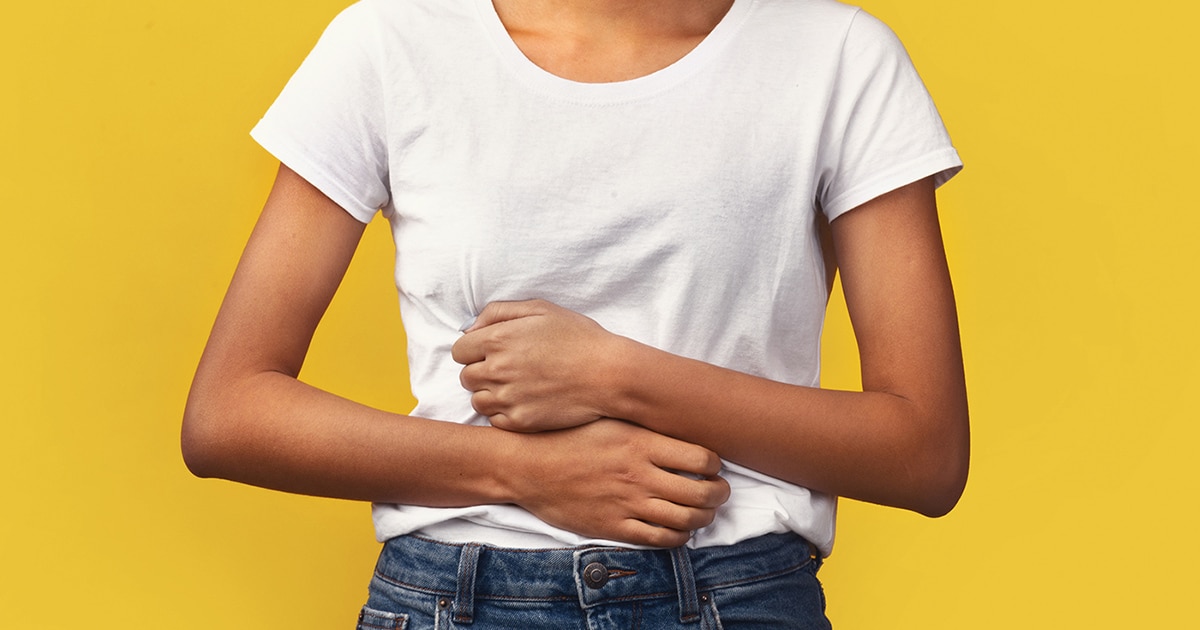
The economic and social implications are equally significant. Research suggests that severe dysmenorrhea is a leading cause of short-term absenteeism among young women in both educational and professional settings. When symptoms include vomiting, loose stools, and fainting—common occurrences for those with severe PCOS—the capacity to maintain a standard daily routine is severely compromised.
Pharmacological Interventions: NSAIDs and Hormonal Contraceptives
The first line of defense for managing PCOS-related pain remains Non-Steroidal Anti-Inflammatory Drugs (NSAIDs), such as ibuprofen or naproxen. These medications work by inhibiting the enzyme cyclooxygenase, which is responsible for the production of prostaglandins. By reducing the concentration of these compounds, NSAIDs can effectively diminish the intensity of uterine contractions and reduce the volume of menstrual flow. However, clinical experts note that for some PCOS patients, over-the-counter dosages are insufficient, requiring prescription-strength alternatives to achieve relief.
Beyond pain relief, hormonal birth control is a standard clinical recommendation for managing the underlying causes of PCOS symptoms. Oral contraceptives, which typically combine estrogen and progestin, help regulate the menstrual cycle by preventing the overgrowth of the uterine lining and suppressing ovulation. This leads to lighter, more predictable, and significantly less painful periods.
Patients may choose from several delivery methods:
- The Combination Pill: Provides both estrogen and progestin to stabilize hormones.
- The Mini-Pill: A progestin-only option for those who cannot tolerate estrogen.
- Vaginal Rings and Patches: These offer the same hormonal benefits as oral pills but utilize different absorption routes, which may be preferable for patients with specific side-effect sensitivities.
The Role of Physical Activity in Symptom Management
While the onset of severe pain often discourages physical exertion, clinical evidence supports the role of regular exercise in managing PCOS. According to a 2017 evidence-based review in the Saudi Journal of Sports Medicine, exercise is instrumental in improving menstrual regularity for women with PCOS. Physical activity serves a dual purpose: it helps manage the weight gain often associated with the disorder and improves insulin sensitivity.

For immediate pain management, aerobic exercises such as cycling, brisk walking, or swimming are recommended. These activities stimulate the release of endorphins, the body’s natural painkillers, and improve blood circulation to the pelvic region. While low-impact activities like yoga offer mental health benefits, more vigorous movement has been shown to be more effective in the actual reduction of prostaglandin-induced pain.
Thermal Therapy and Metabolic Health
Heat therapy is one of the oldest and most effective non-pharmacological remedies for menstrual cramps. The application of heat via electric pads, hot water bottles, or warm baths facilitates vasodilation—the widening of blood vessels. This process improves blood flow to the uterus and relaxes the smooth muscles, providing immediate relief from spasms.
Interestingly, the benefits of heat therapy for PCOS patients may extend beyond temporary pain relief. A 2019 study published in the American Journal of Physiology-Endocrinology and Metabolism found that regular heat therapy could improve glucose tolerance and adipose tissue insulin signaling in obese women with PCOS. Given that insulin resistance is a hallmark of PCOS, these findings suggest that thermal therapy could play a role in managing the metabolic aspects of the syndrome alongside its physical symptoms.
Nutritional Biochemistry and Anti-Inflammatory Diets
Dietary choices play a critical role in the management of PCOS, as the condition is inherently linked to systemic inflammation. Nutritional interventions focus on reducing inflammatory markers and balancing blood sugar levels.
Key nutrients include:

- Vitamin D: Approximately 85% of women with PCOS are deficient in Vitamin D. Supplementation can help regulate inflammation and improve calcium absorption, which is vital for muscle function.
- Magnesium and Vitamin E: These act as natural muscle relaxants and anti-inflammatories. Magnesium, in particular, has been shown to reduce the severity of menstrual cramps when taken consistently.
- Omega-3 Fatty Acids: Found in fatty fish like salmon and seeds like flax, Omega-3s help lower testosterone levels and reduce the inflammatory response that triggers pain.
Conversely, certain substances can exacerbate PCOS symptoms. Caffeine is a known vasoconstrictor, meaning it narrows blood vessels. This can increase uterine tension and worsen cramps. Similarly, high sugar intake can lead to insulin spikes, which not only aggravates the hormonal imbalance of PCOS but can also increase the perception of pain through inflammatory pathways.
Holistic and Botanical Support
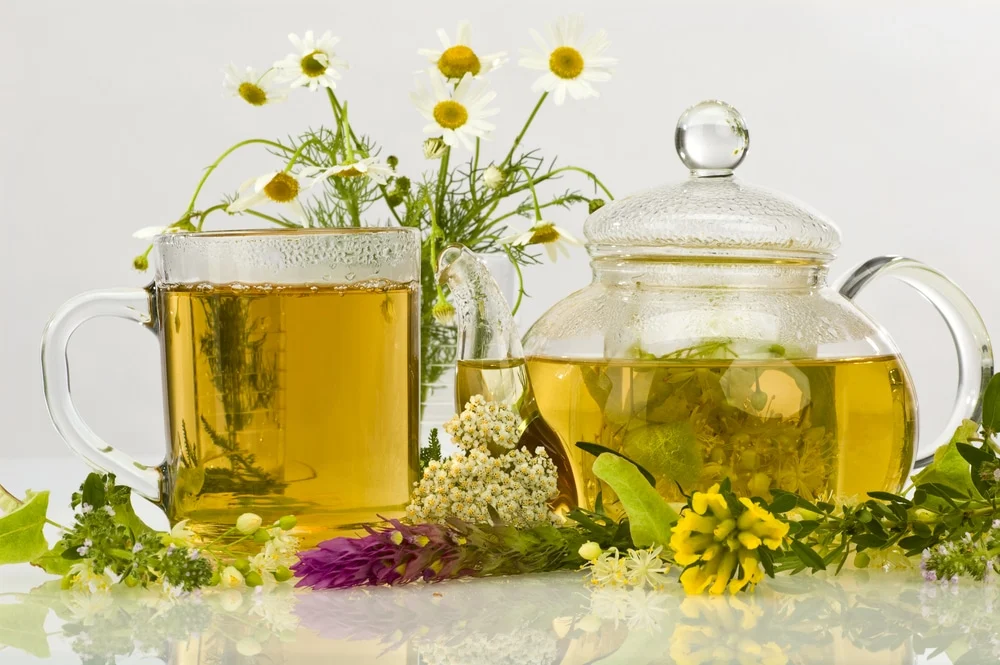
In addition to conventional medicine, certain herbal interventions have gained traction within the medical community for their adaptogenic and anti-inflammatory properties. Red reishi tea, for instance, contains adaptogens that help the body manage stress. Since stress can trigger cortisol spikes that worsen hormonal imbalances, maintaining a calm nervous system is essential for symptom control.
Stinging nettle (Urtica dioica) is another botanical frequently cited for its benefits in PCOS management. It acts as a natural anti-inflammatory and has been shown to help lower blood sugar and testosterone levels. Additionally, maintaining high levels of hydration is crucial. Proper water intake helps the body flush excess sodium, reducing the bloating that can add physical pressure to an already sensitive pelvic area.
Analysis of Long-Term Implications and Future Outlook
The management of PCOS-related pain is a lifelong journey for many women. If left unmanaged, the chronic inflammation and hormonal fluctuations associated with the disorder can lead to more severe health issues, including Type 2 diabetes, cardiovascular disease, and endometrial cancer. Furthermore, the psychological toll of living with chronic, cyclical pain cannot be overstated. Anxiety and depression are significantly more prevalent in the PCOS population than in the general public.
The medical community is increasingly moving toward a "whole-patient" approach to PCOS. This involves moving away from simply treating symptoms as they arise and instead focusing on the underlying metabolic and endocrine drivers. As research continues to evolve, there is a growing emphasis on personalized medicine, where a woman’s specific hormonal profile and metabolic needs dictate her treatment plan.

The shift toward holistic management—combining the precision of pharmacological interventions with the sustainability of lifestyle changes—offers the best hope for those suffering from the debilitating pain of PCOS. While there is currently no cure for the syndrome, the integration of heat therapy, targeted nutrition, regular exercise, and hormonal regulation allows many women to reclaim their lives from the constraints of their menstrual cycles. By addressing both the physical pain and the metabolic foundations of the disorder, healthcare providers can help patients transition from merely surviving "that time of the month" to maintaining consistent, long-term health and wellness.
