
The 2026 Global Hepatitis Report, released today by the World Health Organization (WHO) at the World Hepatitis Summit, provides a comprehensive and sobering assessment of the international community’s efforts to eradicate viral hepatitis. While the data underscores significant milestones in reducing new infections and lowering mortality rates in specific demographics, the overarching message remains one of urgent concern. Viral hepatitis B and C, the two primary strains responsible for 95% of all hepatitis-related fatalities, claimed an estimated 1.34 million lives in 2024. Despite the availability of effective vaccines for Type B and a near-total cure for Type C, the disease continues to circulate at an alarming rate, with 1.8 million new infections occurring annually—an average of more than 4,900 new cases every single day.
The report serves as a critical midpoint assessment for the WHO’s ambitious goal to eliminate viral hepatitis as a public health threat by 2030. Since the adoption of the Global Health Sector Strategy on Viral Hepatitis in 2016, the world has witnessed a 32% decline in new hepatitis B infections. Furthermore, mortality related to hepatitis C has decreased by 12% globally. One of the most significant triumphs highlighted in the report is the reduction of hepatitis B prevalence among children under five years of age, which has dropped to 0.6% globally. This achievement is largely attributed to the successful scaling of childhood immunization programs, with 85 countries already meeting or exceeding the 2030 target of 0.1% prevalence in this age group. However, these successes are contrasted by a stagnation in treatment access for adults and a burgeoning crisis in specific geographical regions, particularly Africa and the Western Pacific.
Historical Context and the Road to 2030
To understand the significance of the 2026 report, it is necessary to look back at the trajectory of global health policy regarding liver disease. For decades, viral hepatitis remained a "silent killer," receiving significantly less funding and political attention than HIV/AIDS, tuberculosis, or malaria. This changed in 2016 when the World Health Assembly (WHA) adopted the first Global Health Sector Strategy on Viral Hepatitis. This strategy established the "90-90-80" targets: a 90% reduction in new cases, a 90% diagnosis rate, and 80% treatment coverage for those eligible by 2030.
The timeline of progress since 2015 shows a world in transition. In 2015, the introduction of Direct-Acting Antivirals (DAAs) revolutionized hepatitis C treatment, offering a 12-week oral regimen with cure rates exceeding 95%. Prior to this, treatment was often grueling, involving long-term injections with significant side effects and lower success rates. Between 2015 and 2024, the global community focused on lowering the cost of these medicines and expanding diagnostic capabilities. While the price of DAAs has plummeted in many low- and middle-income countries due to generic competition and pooled procurement, the 2026 report reveals that the "last mile" of delivery remains the most difficult challenge.
The current trajectory suggests that while the world is making strides, the pace is insufficient to meet the 2030 goals. The WHO warns that without a massive influx of domestic financing and a fundamental shift in how hepatitis services are integrated into primary healthcare, millions of preventable deaths will occur over the next decade.
The Burden of Disease: A Data-Driven Overview
The 2026 WHO estimates indicate that approximately 287 million people were living with chronic hepatitis B or C infections in 2024. The distribution of this burden is highly unequal, both geographically and demographically.
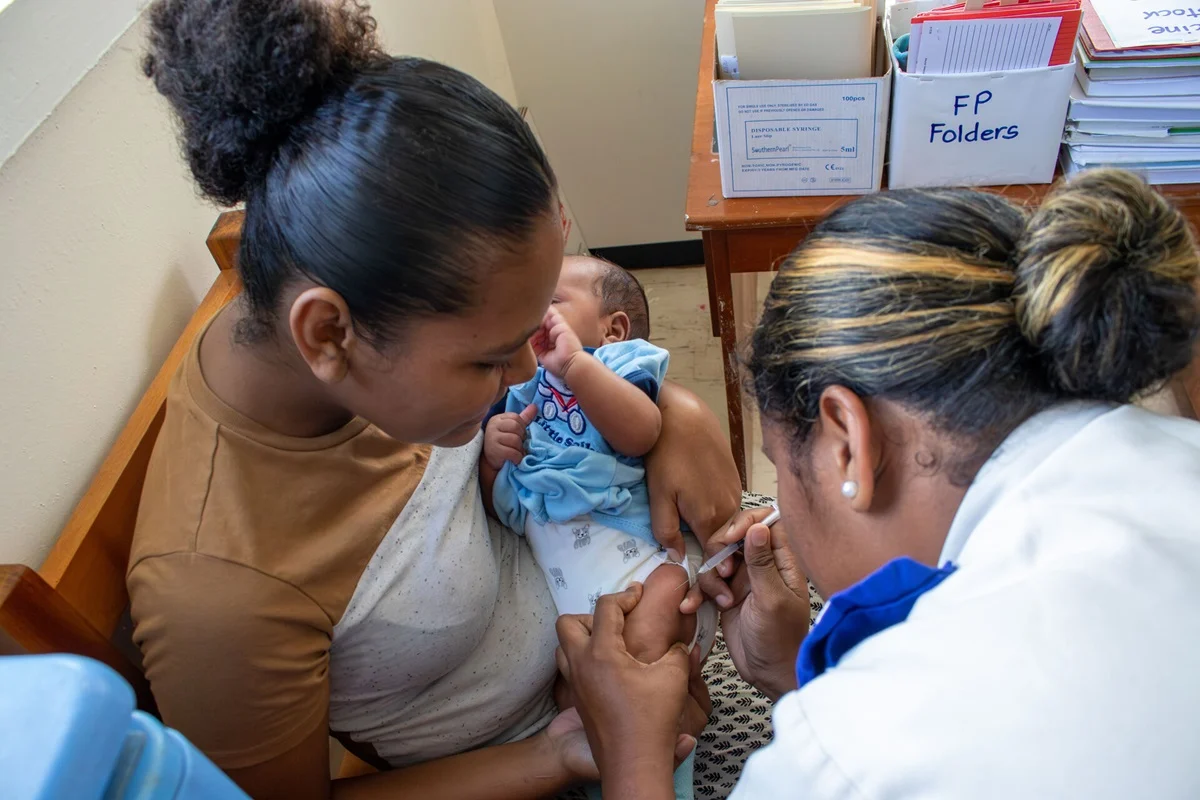
Hepatitis B remains the more prevalent and lethal of the two, accounting for 1.1 million deaths in 2024 alone. The African Region is currently the epicenter of the hepatitis B crisis, accounting for 68% of all new infections globally. This is largely driven by mother-to-child transmission and early childhood infection. Despite the proven efficacy of the hepatitis B birth-dose vaccine, only 17% of newborns in the African region received this critical intervention in 2024. This gap in early-life protection creates a pipeline of chronic infection that leads to liver cirrhosis and hepatocellular carcinoma (liver cancer) later in life.
Hepatitis C, while responsible for fewer total deaths (approximately 240,000 in 2024), presents a different set of epidemiological challenges. The report notes that 0.9 million new hepatitis C infections were recorded in 2024. A staggering 44% of these new infections occurred among people who inject drugs (PWID). This data highlights a critical failure in harm reduction coverage. In many nations, restrictive drug policies and the stigmatization of PWID prevent the implementation of needle and syringe programs (NSPs) and opioid agonist therapy (OAT), which are essential for breaking the chain of transmission.
The concentration of the disease is also highly localized within specific nations. Ten countries—Bangladesh, China, Ethiopia, Ghana, India, Indonesia, Nigeria, the Philippines, South Africa, and Viet Nam—accounted for 69% of all hepatitis B-related deaths in 2024. For hepatitis C, the burden is more dispersed but still concentrated, with ten countries (including the USA, Russia, and Pakistan) accounting for 58% of global deaths. The inclusion of high-income nations like the United States in this list underscores that hepatitis is not solely a disease of poverty, but one of systemic gaps in healthcare access and public health outreach.
Gaps in Diagnosis and Treatment Coverage
The most alarming finding of the 2026 report is the persistent "treatment gap." Of the 240 million people living with chronic hepatitis B in 2024, fewer than 5% were receiving antiviral treatment. Because hepatitis B often requires lifelong management rather than a one-time cure, the logistical and financial demands on health systems are substantial. However, the cost of generic tenofovir, the primary treatment for Hep B, has dropped to less than $30 per year in many regions, suggesting that the barrier is no longer just the price of medicine, but the lack of diagnostic infrastructure and clinical awareness.
In the case of hepatitis C, only 20% of infected individuals have been treated since the 2015 breakthrough in DAA therapy. This means that 80% of those living with a curable, life-threatening disease remain untreated. The "missing millions"—those who are infected but unaware of their status—represent the greatest hurdle. Without aggressive screening programs, many patients only discover their infection once they have developed advanced liver disease or cancer, at which point the cost of care skyrockets and the prognosis worsens significantly.
Leadership Perspectives and Expert Analysis
Dr. Tedros Adhanom Ghebreyesus, WHO Director-General, emphasized that the tools for elimination are already in hand, but political will remains the missing ingredient. “Around the world, countries are showing that eliminating hepatitis is not a pipedream; it’s possible with sustained political commitment, backed by reliable domestic financing,” Dr. Tedros stated during the summit. He further noted that the "uneven" progress is a result of deep-seated inequities, where stigma and weak health systems prevent the most vulnerable from accessing life-saving care.
Adding to this sentiment, Dr. Tereza Kasaeva, Director of the WHO Department for HIV, TB, Hepatitis, and Sexually Transmitted Infections, pointed out the human cost of statistical failures. “Every missed diagnosis and untreated infection due to chronic viral hepatitis represents a preventable death,” she said. Dr. Kasaeva called for a paradigm shift, urging countries to move away from centralized, specialist-led care and instead integrate hepatitis testing and treatment into primary healthcare clinics and maternal health services.
Public health analysts suggest that the report’s findings reflect a broader trend in global health where vertical, disease-specific programs are struggling to maintain momentum. The integration of hepatitis services into existing HIV or universal health coverage (UHC) frameworks is seen as the most viable path forward. For instance, in many parts of Africa, the infrastructure built for HIV monitoring could be leveraged for hepatitis B viral load testing, yet regulatory and funding silos often prevent such efficiencies.
Case Studies of Success: The "Gold Tier" Models
Despite the global challenges, the 2026 report highlights several "beacons of hope." Egypt, once home to the highest hepatitis C prevalence in the world, has achieved "gold tier" status on the path to elimination. Through a massive, state-funded national screening campaign that tested over 60 million people and provided free treatment to millions, Egypt has effectively turned the tide. This was achieved through a combination of political leadership at the highest level, domestic manufacturing of generic DAAs, and a decentralized approach to care.
Other nations like Rwanda and Georgia have shown similar success by implementing national elimination plans that prioritize high-risk populations and ensure that treatment is free at the point of care. In the United Kingdom, the focus on harm reduction and prison-based screening has led to a significant decline in hepatitis C transmission among PWID. These examples demonstrate that the WHO’s 2030 targets are technically feasible if governments treat hepatitis as a national security and economic priority.
Strategic Recommendations and Future Implications
The WHO report concludes with a series of priority actions aimed at accelerating the response. First among these is the expansion of the hepatitis B birth-dose vaccine. In regions like sub-Saharan Africa, providing the vaccine within 24 hours of birth is the most cost-effective way to prevent a lifetime of chronic illness. Second, the report calls for the "simplification" of treatment protocols. By allowing nurses and general practitioners to prescribe hepatitis medications—rather than requiring a specialist hepatologist—countries can dramatically increase treatment uptake.
Furthermore, the report emphasizes the need for "prophylaxis" for pregnant women. Treating highly viremic mothers with antivirals during the third trimester can virtually eliminate the risk of passing hepatitis B to their infants, yet this practice remains underutilized in high-burden countries.
The economic implications of the 2026 report are clear. The cost of treating liver failure, performing transplants, and managing liver cancer far exceeds the cost of early screening and antiviral therapy. If the current trends continue and the 2030 targets are missed, the global economy faces billions of dollars in lost productivity and healthcare expenditures.
As the World Hepatitis Summit continues, the 2026 Global Hepatitis Report stands as both a testament to human ingenuity and a reminder of the consequences of neglect. The tools to end this epidemic exist; the challenge for the next four years will be ensuring they reach the 287 million people currently waiting for a life-saving intervention. The global health community now faces a definitive choice: to accelerate the momentum seen in childhood vaccinations or to allow viral hepatitis to remain a leading cause of death for generations to come.
