
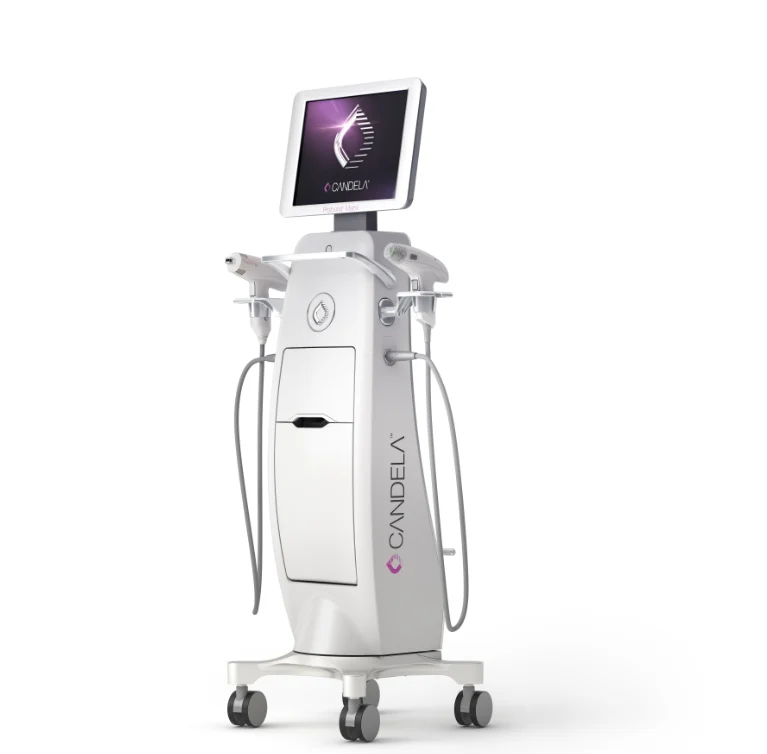
The global medical aesthetic device market has witnessed a significant technological leap with the introduction of the Matrix system by Candela, a prominent leader in energy-based medical aesthetic technology. This new radiofrequency (RF) platform represents a multi-faceted approach to skin rejuvenation, integrating three distinct modalities designed to address a comprehensive range of patient concerns, including skin laxity, textural irregularities, and facial wrinkles. By combining the Sublime, Sublative, and the newly engineered Matrix Pro applicators into a single, cohesive workstation, Candela aims to provide practitioners with a versatile tool capable of delivering customized, high-precision treatments.
The Matrix system’s arrival comes at a time when the demand for non-invasive and minimally invasive "tweakments" is surging globally. As patients increasingly seek procedures with minimal downtime that offer natural-looking results, the industry has pivoted toward energy-based devices (EBDs) that stimulate the body’s natural healing processes. The Matrix platform is positioned as a cornerstone for this new era of aesthetic medicine, utilizing advanced Depth Intelligence technology and real-time impedance monitoring to ensure safety and efficacy across diverse skin types.
The Technological Architecture of the Matrix Platform
At the core of the Matrix system’s innovation is its ability to deliver RF energy through three unique mechanisms, each targeting different layers and aspects of the skin’s physiology. The integration of these modalities allows for a "layered" treatment approach, which clinical experts suggest is more effective than mono-modality treatments for complex aging concerns.
The Matrix Pro applicator is perhaps the most significant advancement within the platform. It utilizes a fractional RF microneedling approach, employing ultra-thin stainless-steel needles to create micro-channels in the skin while delivering RF energy directly into the dermis. What distinguishes this applicator from its predecessors is its ability to deliver energy at up to three distinct depths in a single insertion. This "multi-layered" delivery is managed by Depth Intelligence technology, which automates the energy distribution to ensure that the thermal effect is concentrated precisely where it is needed—whether in the superficial, mid, or deep dermis.
Complementing the Matrix Pro are the Sublime and Sublative applicators. The Sublime modality uses a combination of bipolar RF and infrared light to provide deep dermal heating, which facilitates immediate skin tightening and long-term collagen remodeling without damaging the epidermis. The Sublative applicator, conversely, utilizes fractional bipolar RF to ablate and resurface the skin’s surface. This modality is particularly effective for improving skin texture, reducing the appearance of acne scars, and smoothing fine lines by triggering a wound-healing response that replaces old, damaged tissue with new collagen and elastin.
Innovation in Precision: Depth Intelligence and Impedance Monitoring
A primary challenge in RF-based treatments has historically been the variability of skin impedance. Different patients, and even different areas on the same patient’s face, exhibit varying levels of electrical resistance. If an RF device does not account for these variations, the energy delivery can be inconsistent, leading to either sub-optimal results or an increased risk of thermal injury.
Candela has addressed this through the implementation of real-time impedance monitoring. As the Matrix Pro needles penetrate the skin, the system constantly measures the resistance of the tissue. This feedback loop allows the device to adjust the energy output instantaneously, ensuring that the exact prescribed amount of energy is delivered to the target tissue regardless of the skin’s local characteristics. This level of precision is critical for maintaining a high safety profile, particularly when treating delicate areas around the eyes or mouth where skin thickness varies significantly.
The use of stainless-steel microneedles further enhances the system’s performance. Unlike some coated needles that may struggle with consistent energy emission, the Matrix Pro’s needles are designed for optimal conductivity and structural integrity. This ensures a smooth insertion process, reducing patient discomfort and minimizing the mechanical trauma to the skin surface, which in turn accelerates the post-treatment recovery period.
Contextualizing the Launch within the Global Aesthetic Market
The launch of the Matrix platform is a strategic move by Candela to capture a larger share of the rapidly expanding skin tightening and rejuvenation market. According to recent market analysis reports, the global medical aesthetics market is projected to grow at a compound annual growth rate (CAGR) of approximately 10% to 12% through 2030. Within this sector, energy-based devices represent one of the fastest-growing segments, driven by technological advancements that make treatments safer for a wider range of skin tones (Fitzpatrick scales I-VI).
Historically, laser-based resurfacing was the gold standard for skin rejuvenation; however, lasers often carry risks for patients with darker skin tones due to potential hyperpigmentation. RF technology, which is color-blind, offers a safer alternative because it does not target melanin. By refining RF delivery through the Matrix platform, Candela is providing a solution that appeals to a global, diverse patient demographic.
Industry analysts note that the consolidation of multiple technologies into a single platform—often referred to as a "workstation"—is a growing trend among clinic owners. Such systems offer a higher return on investment (ROI) by reducing the physical footprint in the clinic and allowing practitioners to offer "combination therapies" in a single session. The Matrix system fits this profile perfectly, allowing a practitioner to address surface texture with Sublative RF, deep laxity with Sublime RF, and structural wrinkling with Matrix Pro microneedling all in one visit.
The Evolution of Radiofrequency in Aesthetic Medicine: A Chronology
To understand the significance of the Matrix launch, one must look at the timeline of RF development in dermatology.
- Early 2000s: The introduction of monopolar RF technology (such as Thermage) pioneered the concept of non-surgical skin tightening. While effective, early iterations were often associated with significant patient discomfort and inconsistent results.
- Mid-2000s to 2010: The development of bipolar RF and fractional RF (such as the original Candela eMatrix) allowed for more controlled energy delivery and reduced downtime, making the treatments accessible to a broader audience.
- 2015-2020: The rise of RF microneedling combined the mechanical benefits of needling with the thermal benefits of RF. This period saw a proliferation of devices, but many required multiple passes to treat different skin depths, increasing procedure time and patient discomfort.
- 2023-Present: The current era, marked by the Matrix launch, focuses on "intelligence" and "efficiency." The ability to treat multiple depths in a single insertion and the use of real-time feedback mechanisms represent the "third generation" of RF technology.
Official Responses and Industry Implications
The leadership at Candela has expressed high confidence in the platform’s ability to set a new benchmark for clinical outcomes. Victoria Worship, Senior Director and Country Sales for the UK, Ireland, and Iberia at Candela, highlighted the synergy of the platform’s components. Worship stated, “Our Matrix Pro applicator with its expanded facial wrinkle indication, further combined with the unique treatment capabilities of the Sublime and Sublative applicators, exemplifies our unique approach, integrating state-of-the-art research and development of multi-modality solutions to deliver superior results.”
While formal statements from independent medical boards are pending as the device rolls out across various regions, early adopters in the dermatological community have reacted positively. Logically inferred reactions from clinical practitioners suggest that the "single insertion, multiple depth" feature is the most anticipated aspect of the system. In a high-volume clinical setting, reducing the number of needle passes not only saves time but also significantly improves the patient experience by lowering the cumulative pain threshold.
Furthermore, the "expanded facial wrinkle indication" mentioned by Worship suggests that Candela has conducted rigorous clinical trials to meet the stringent requirements of regulatory bodies such as the FDA and CE. This clinical backing is essential for medical professionals who prioritize evidence-based technology in their practices.
Clinical Implications and Patient Outcomes
From a clinical perspective, the Matrix system addresses the "biological trifecta" of skin aging: epidermal turnover, dermal remodeling, and structural tightening. By stimulating neocollagenesis (the production of new collagen) and neoelastogenesis (the production of new elastin), the platform goes beyond temporary fixes to provide structural improvements to the skin’s architecture.
For the patient, the implications are twofold: better results and less "social downtime." Traditional aggressive resurfacing might require a week or more of recovery, whereas the fractional nature of the Matrix platform allows for rapid re-epithelialization. Most patients can expect to return to their normal activities within 24 to 48 hours, with only mild redness or swelling.
The precision of the Matrix Pro also means that treatments can be highly tailored. For instance, a younger patient might only require a superficial treatment to address early fine lines and "glow," while an older patient might require a deep, multi-layered approach to address sagging jowls and deep-set wrinkles. The flexibility of the platform allows it to be a "lifetime" tool for patients as their aesthetic needs evolve over decades.
Strategic Impact on the Competitive Landscape
The introduction of the Matrix platform places Candela in direct competition with other high-end RF systems from manufacturers like InMode (Morpheus8), Cynosure (Potenza), and Cutera (Secret RF). However, Candela’s emphasis on "Depth Intelligence" and the triple-modality workstation provides a unique selling proposition.
By integrating the legacy of the Sublative and Sublime technologies—which already have a massive global install base and a proven track record—with the new Matrix Pro, Candela is encouraging existing users to upgrade while attracting new customers who want the latest in microneedling technology. This strategy of "backward compatibility" in terms of brand trust, combined with "forward-thinking" engineering, is a common hallmark of successful medical device launches.
Future Directions for Energy-Based Skin Remodeling
The launch of the Matrix platform is likely a precursor to further advancements in "smart" aesthetic devices. As artificial intelligence (AI) and machine learning continue to permeate the medical field, it is logical to assume that future iterations of platforms like the Matrix will incorporate even more automated diagnostic tools. These might include integrated skin analysis cameras that automatically suggest the optimal RF depth and energy settings based on a real-time scan of the patient’s dermis.
For now, the Candela Matrix stands as a testament to the refinement of radiofrequency technology. It moves the industry away from "one-size-fits-all" energy delivery toward a more nuanced, data-driven approach. As the device becomes more widely available in clinics across the UK, Ireland, Iberia, and beyond, it will likely play a pivotal role in shaping the standards for non-surgical facial rejuvenation in the mid-2020s.
In conclusion, the Candela Matrix platform is not merely a new product but a comprehensive solution that reflects the current state of aesthetic science. By prioritizing precision through Depth Intelligence and versatility through its three-modality design, Candela has provided a robust tool for practitioners to meet the increasingly sophisticated demands of the modern aesthetic patient. The focus on safety, efficacy, and efficiency ensures that the Matrix will remain a significant fixture in the medical aesthetic landscape for years to come.
