
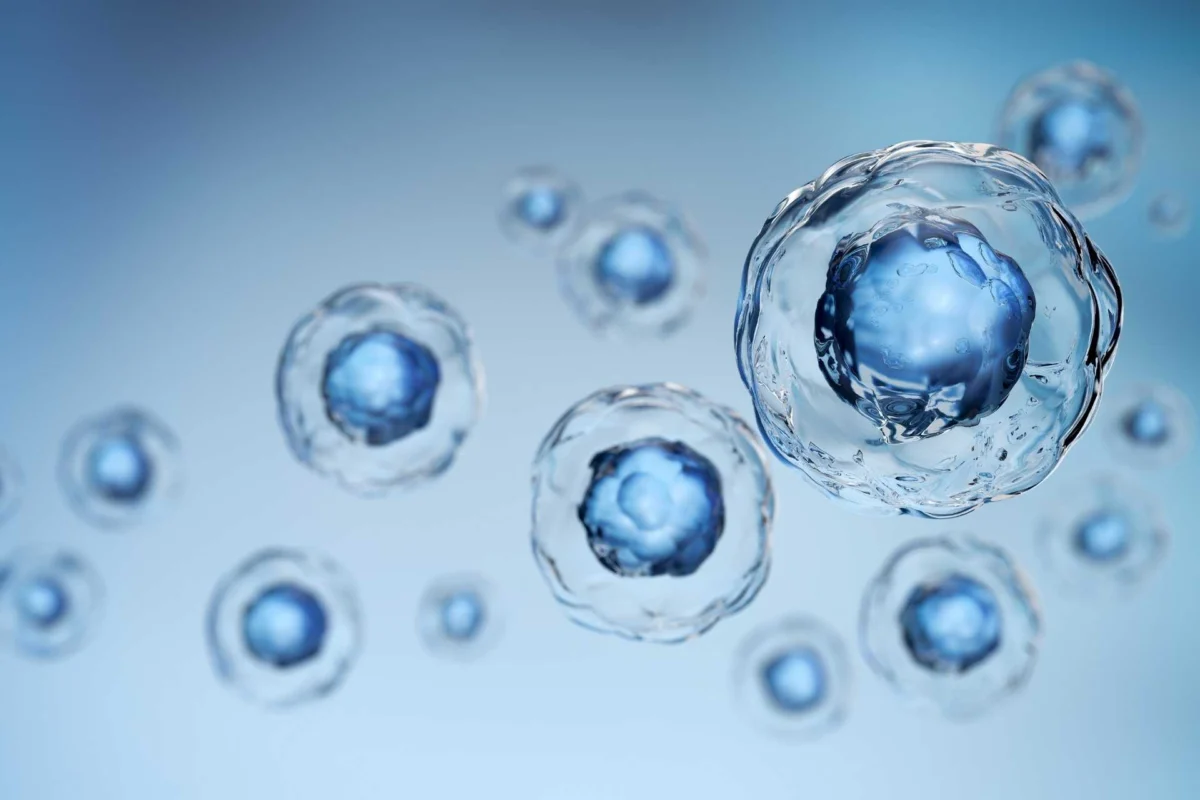
The human gastrointestinal tract serves as a complex frontier where the body must balance the absorption of nutrients with a robust defense against pathogens, all while maintaining a symbiotic relationship with trillions of commensal microbes. For decades, the scientific consensus suggested that the primary responsibility for sensing these microbes fell upon specialized immune cells residing within the gut lining. However, groundbreaking research published in Science Immunology has shifted this paradigm, revealing that stem-like epithelial cells, rather than traditional immune cells, act as the critical sensors of beneficial bacteria. By detecting a specific bacterial protein, these cells orchestrate the recruitment of protective macrophages, a discovery that offers profound implications for the treatment of inflammatory bowel disease (IBD) and other chronic digestive disorders.
The study, led by Dr. Ming-Ting Tsai and a team of researchers at the Baylor College of Medicine in Houston, Texas, identifies a sophisticated communication network between the gut’s structural cells and the immune system. At the heart of this discovery is the realization that the intestinal lining—a single layer of cells—does not merely act as a passive physical barrier. Instead, it functions as an active surveillance system, specifically utilizing its stem-like progenitor cells to monitor the microbial environment and signal for reinforcements when the gut’s health is at stake.
The Role of Macrophages in Intestinal Homeostasis
To understand the significance of this finding, one must consider the vital role of macrophages in the gut. These white blood cells are the "sentinels" of the immune system; they are responsible for engulfing cellular debris, managing inflammation, and facilitating tissue repair. In a healthy gut, macrophages exist in a state of "controlled readiness," ensuring that the immune system does not overreact to the presence of beneficial bacteria while remaining capable of neutralizing harmful invaders.
However, the development and maintenance of these macrophages are not autonomous. Previous research has established that these immune cells depend heavily on signals from gut microbes to mature properly. When this developmental pathway is disrupted—often due to genetics, diet, or the overuse of antibiotics—the result is a depletion of protective macrophages and a rise in pro-inflammatory immune responses. This imbalance is a hallmark of chronic conditions such as Crohn’s disease and ulcerative colitis, where the gut lining becomes chronically inflamed and loses its integrity.
Until now, the "missing link" in this process was the identity of the specific sensor that detects microbial signals to guide macrophage recruitment. While Toll-like receptors (TLRs) on the surface of immune cells were known to detect bacteria, the Baylor team’s research demonstrates that the initial "alarm" is actually triggered by the epithelial cells that form the gut wall itself.
Chronology of the Discovery: From Antibiotics to "Mini-Colons"
The research team began their investigation by examining how the gut recovers from microbial depletion. Using mouse models, the scientists administered broad-spectrum antibiotics to clear out the natural gut flora, a process that significantly reduced the number of protective macrophages in the intestinal lining. Following this depletion, they introduced various strains of commensal bacteria to see which could restore the immune balance.
They identified a specific strain of Escherichia coli, known as E. coli 541-15, as a potent restorer of gut health. Mice colonized with this strain showed a remarkable recovery of their macrophage populations. To test the protective capacity of this bacterium, the researchers induced colitis—a form of severe intestinal inflammation—using chemical agents. The results were definitive: mice carrying E. coli 541-15 were significantly more resilient. They exhibited lower levels of inflammatory markers, maintained longer and healthier colons, and showed fewer clinical signs of disease compared to mice lacking the bacterium.
The team then moved to isolate the specific mechanism at play. They discovered that E. coli 541-15 possesses a flagellum—a tail-like structure used for movement—made of a protein called flagellin. It is this flagellin protein that serves as the "key" to the gut’s sensory lock. The "lock" in this case is a receptor called TLR5.
To confirm whether this interaction was unique to the stem-like cells of the gut, the researchers utilized cutting-edge "mini-colon" technology. These lab-grown organoids, derived from human intestinal tissue, allow scientists to observe cellular behavior in a controlled environment that mimics the human body. They found that while mature, specialized colon cells remained largely indifferent to the bacterial flagellin, the stem-like epithelial cells reacted vigorously. Upon sensing the protein via their TLR5 receptors, these stem-like cells activated a suite of genes dedicated to immune cell recruitment, all without triggering a harmful inflammatory "cytokine storm."
Supporting Data: The CCL2 Signaling Pathway
The researchers’ data highlights a specific chemical messenger responsible for this recruitment: the chemokine CCL2. The study found that when stem-like cells detect E. coli 541-15, they secrete high levels of CCL2, which acts as a homing signal for circulating immune cells. These precursor cells then migrate into the gut lining, where they differentiate into mature, protective macrophages.
To prove the necessity of this pathway, the team conducted "knockout" experiments. When the CCL2 gene was genetically removed from the epithelial cells, or when the signal was blocked using antibodies, the protective effects of E. coli 541-15 vanished. Despite the presence of the beneficial bacteria, the mice could no longer recruit the necessary immune cells, leaving them vulnerable to colitis.
Furthermore, the study compared different strains of E. coli. Strains that possessed "active" flagellin successfully triggered the TLR5 receptor on the stem-like cells, leading to macrophage recruitment. In contrast, strains with "inactive" or mutated flagellin failed to elicit any response. This specificity suggests that the gut has evolved to recognize very particular microbial signatures to maintain its internal balance.
Implications for Inflammatory Bowel Disease (IBD)
The discovery that stem-like cells are the primary microbial sensors has significant implications for the millions of people worldwide suffering from IBD. Currently, many treatments for IBD focus on suppressing the immune system broadly to reduce inflammation. However, these treatments can leave patients vulnerable to infections and do not always address the underlying cause of the barrier failure.
By identifying the TLR5-CCL2-macrophage axis, researchers have opened the door to more targeted therapies. Instead of broad immunosuppression, future treatments could focus on "pro-repair" strategies—essentially mimicking the signals sent by beneficial bacteria to encourage the gut to rebuild its own protective immune population.
Moreover, this research provides a scientific foundation for the development of next-generation probiotics. Rather than simply introducing "good bacteria" into the gut and hoping for the best, clinicians might eventually prescribe specific strains like E. coli 541-15 that are known to interact with the stem-like cells to strengthen the intestinal barrier.
Analysis of the Shift in Immunological Understanding
This study represents a significant shift in how scientists view the "epithelium"—the layer of cells lining the gut. Traditionally viewed as a physical fence, the epithelium is now being recognized as a sophisticated "intelligent" interface.
The fact that stem-like cells are the ones performing this sensory role is particularly noteworthy. Stem cells are typically associated with growth and regeneration. The revelation that they also function as a command center for immune recruitment suggests that the processes of tissue renewal and immune defense are more deeply integrated than previously thought. This integration ensures that as the gut lining constantly replaces itself (a process that happens every few days), the new cells are immediately "calibrated" to the microbial environment.
However, the researchers remain cautious about the direct translation to human health. While the "mini-colon" experiments provided promising evidence that human cells behave similarly to mouse cells in this context, the human microbiome is vastly more complex than that of a laboratory mouse. It remains to be seen whether other microbial proteins or metabolites play similar roles, or if this pathway is compromised in patients with specific genetic predispositions to IBD.
Future Research and Conclusion
The Baylor College of Medicine study has laid the groundwork for a new field of inquiry into "epithelial-immune crosstalk." Future research will likely focus on whether other types of "stem-like" cells in different parts of the body—such as the lungs or the skin—perform similar sensory functions.
In their concluding remarks in Science Immunology, the authors emphasize the dual role of these cells: "Our study demonstrates a role for intestinal epithelial stem cells in microbial sensing, which promotes intestinal macrophage replenishment and maturation and supports intestinal barrier function."
As the scientific community continues to unravel the mysteries of the microbiome, this discovery stands as a pivotal moment. It confirms that the health of our gut depends not just on the bacteria we host, but on the ability of our most fundamental cells to listen to the microbial world and respond with precision. By understanding this internal conversation, medicine moves one step closer to curing chronic inflammatory diseases that have long remained elusive.
