
Europe’s food system is grappling with a complex web of interconnected crises: diminishing strategic autonomy, escalating health burdens, environmental degradation, and persistently low farm incomes. A groundbreaking new report suggests that a widespread revitalization of legume cultivation, with a particular focus on fava beans, could offer a potent and multifaceted solution to these pressing challenges. The study, published by The Protein Project, outlines a comprehensive roadmap towards "A Legume Renaissance in Europe," emphasizing the significant economic, environmental, and public health benefits that a substantial increase in fava bean production could unlock for the continent.
The report, titled "Towards A Legume Renaissance in Europe – A practical roadmap for fava beans for food and feed," posits that a doubling of fava bean production could yield tens of millions in annual healthcare cost savings and boost farmer incomes by as much as 20%. This ambitious vision stems from the recognition that legumes, often overlooked in modern agricultural paradigms, possess a unique capacity to address systemic issues plaguing Europe’s food landscape. Fava beans, in particular, are highlighted as a cornerstone crop with a rich history and vast, largely untapped potential.
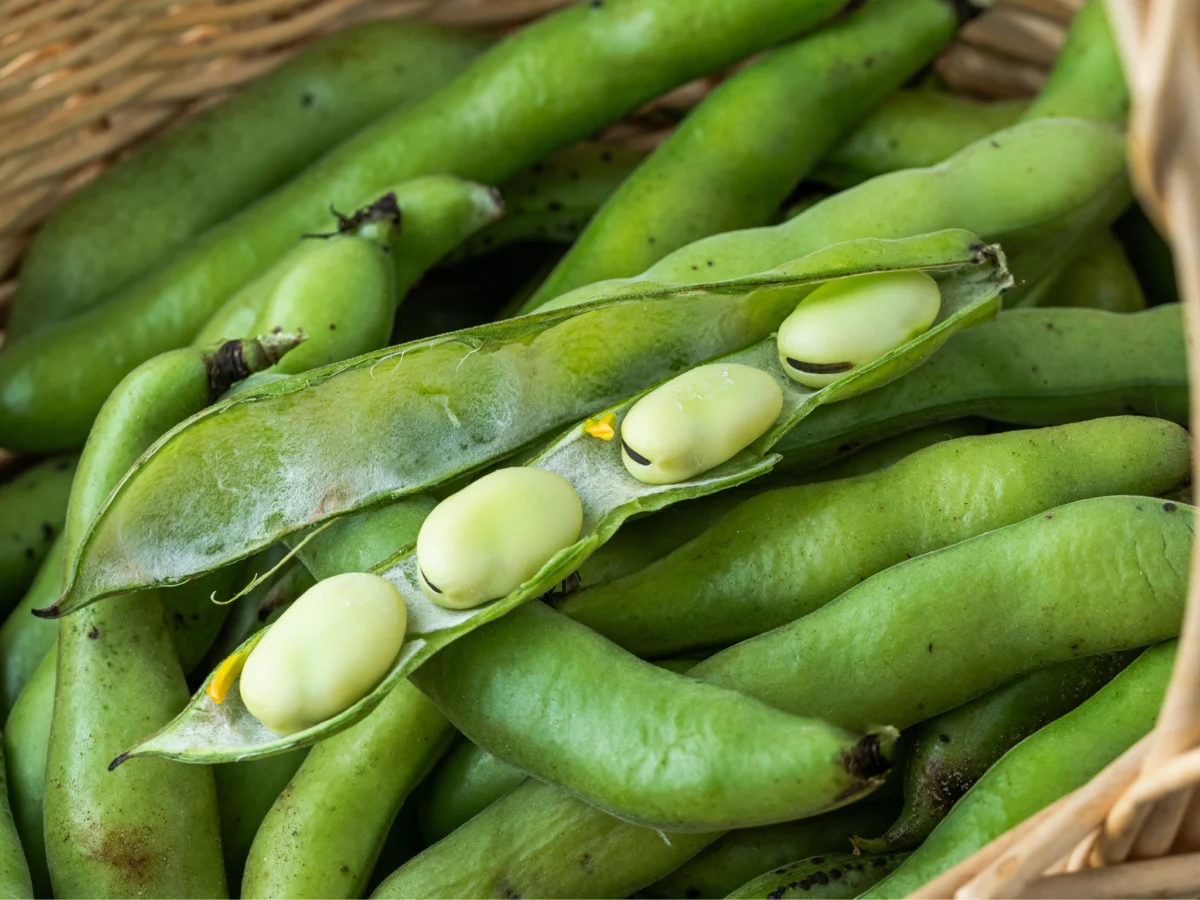
Fava beans (Vicia faba) are among the oldest cultivated legumes in Europe, with evidence of their cultivation dating back thousands of years. Despite this long heritage, their modern-day contribution to the European food system has been relatively modest. The Protein Project’s report argues that this underutilization represents a significant missed opportunity. Fava beans offer a compelling suite of benefits, including their natural ability to fix atmospheric nitrogen into the soil, thereby reducing the reliance on synthetic nitrogen fertilizers. This not only curtails agricultural input costs for farmers but also significantly lessens the environmental impact associated with fertilizer production and application, such as greenhouse gas emissions and water pollution.
Furthermore, fava beans contribute to soil regeneration, enhance biodiversity by providing habitat and food for beneficial insects, and sequester carbon. From a nutritional standpoint, they are a valuable source of dietary fiber, protein, and essential micronutrients, offering a healthier alternative to more commonly consumed protein sources. For farmers, an expanded fava bean market promises diversified income streams and increased profitability.
However, the report identifies a critical bottleneck: a cycle of underinvestment, fragmented markets, underdeveloped processing capabilities, and insufficient consumer and industrial demand. This creates a disincentive for farmers to scale up production, as the profitability of growing fava beans remains too low to justify significant investment in infrastructure and market development. "Breaking this cycle requires coordinated action across the entire value chain," the report unequivocally states, underscoring the need for a holistic approach that addresses challenges from farm to fork.
The Multifaceted Potential of Fava Beans: Addressing Current Deficiencies
The current agricultural landscape in Europe is characterized by several systemic weaknesses that fava beans are uniquely positioned to address. One of the most significant is Europe’s declining strategic autonomy in food production. Over-reliance on imported protein sources, particularly for animal feed, leaves the continent vulnerable to global market volatility, geopolitical instability, and supply chain disruptions. The report highlights that approximately 85% of the current fava bean supply in Europe is directed towards the animal feed sector. This leaves considerable room for expansion into higher-value human food applications.
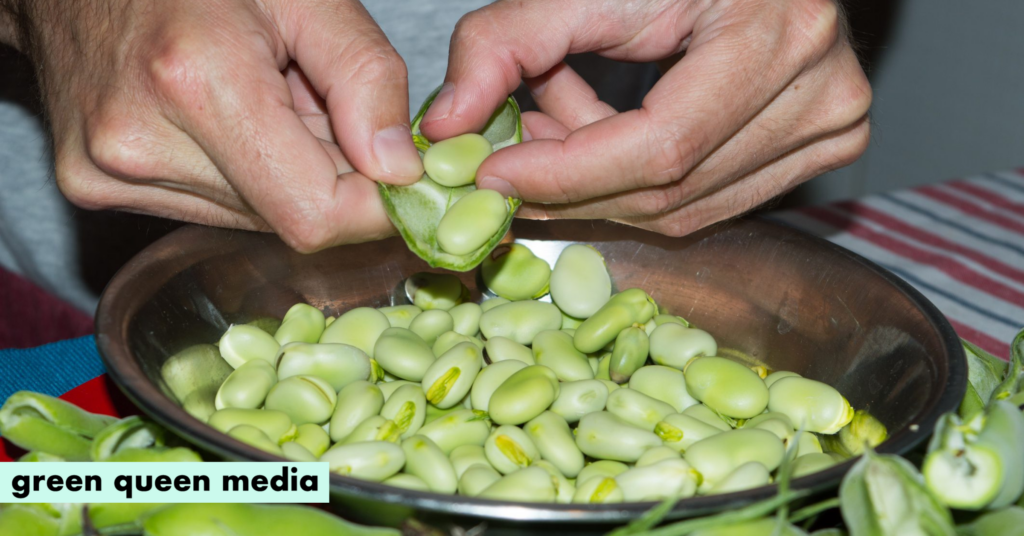
The Protein Project’s analysis projects that Europe’s demand for fava beans will likely double by 2040. Crucially, this growth is anticipated to be driven by both domestic consumption and export markets, with an estimated 32% of the increased demand destined for human food applications and 20% for exports. This projected rise in demand for human consumption translates to approximately one fava bean per person per day across the European Union.
The environmental implications of meeting this increased demand are substantial. The report estimates that a significant expansion in fava bean cultivation could lead to a reduction in the need for chemical fertilizers by an astonishing 63,000 tonnes annually. This would translate into lower greenhouse gas emissions associated with fertilizer production and application, estimated at seven million tonnes. Furthermore, the cultivation of fava beans could decrease the import of protein meal by 350,000 tonnes per year, directly contributing to greater food system resilience. Pesticide use could also be reduced by over 200 tonnes annually, further benefiting environmental health.
From a public health perspective, the increased consumption of fava beans, which are notably higher in dietary fiber than many staple protein sources consumed by Europeans, could have a profound impact. The report projects that this rise in fiber intake could contribute to a decrease in the incidence of chronic diseases such as heart disease and type 2 diabetes. This, in turn, could lead to substantial healthcare cost savings, estimated at €42 million annually. Coupled with the potential to boost farmer incomes by up to 20%, the economic argument for a legume renaissance is compelling.
Overcoming the Hurdles: Challenges in the Fava Bean Value Chain
Despite the clear benefits, the fava bean supply chain is currently encumbered by a series of obstacles that hinder its growth and potential.
Research and Development: The report points to a lack of progression in the research and development of new fava bean varieties optimized for specific food and feed applications. There is also insufficient research into the optimal usage of fava beans as a feed ingredient, limiting their integration into animal nutrition strategies.
Farmer-Level Challenges: For farmers, the primary obstacle is the insufficient revenue generated from the primary production of fava beans. This is exacerbated by the inherent risks associated with crop transitions, as shifting from established crops to legumes requires new knowledge, equipment, and market access.
Investment and Business Landscape: The investment and business environment for fava beans is described as challenging. Uncertainty surrounding downstream demand, coupled with fluctuating market prices, can weaken returns on investment and stall critical infrastructure projects. Moreover, processing facilities for fava beans require high utilization rates to achieve profitability, making them sensitive to market fluctuations. A significant barrier is also the price competitiveness; locally produced fava beans, which would allow EU farmers to receive fair compensation, often struggle to compete with lower-priced imports.
Product Quality and Regulation: The nutritional and physical properties of fava beans can vary significantly depending on the seed variety, growing conditions, and harvesting practices. This variability can pose challenges for food manufacturers seeking consistent product quality. Regulatory frameworks have also not fully kept pace with the sector’s evolving needs, potentially creating hurdles for innovation and market access.

Market and Consumer Adoption: On the industry side, fava beans remain largely on the periphery of mainstream supermarket offerings and restaurant menus. While their use in processed foods is increasing, this does little to foster direct consumer familiarity and preference. The report identifies a lack of targeted marketing and promotional efforts as a key reason for limited consumer adoption. Furthermore, unfavorable VAT rates for plant-based protein products compared to animal proteins can act as a disincentive for consumers and food businesses alike.
Charting the Course: Seven Strategic Outcomes for a Legume Renaissance
To catalyze this much-needed renaissance, The Protein Project has outlined seven strategic outcomes that require coordinated action across the entire fava bean value chain, from agricultural research to consumer engagement.
-
Enhanced On-Farm Trials and Applied Research: This strategic outcome emphasizes the need to equip farmers with the knowledge, seeds, inputs, and tools necessary to achieve target yields and harvest quality for fava beans across diverse production methods and environmental conditions. This involves fostering collaboration between research institutions, seed developers, and farmers.
-
Transition Support and Financial Instruments for Farmers: European farmers would receive robust support to transition to legume cultivation. This includes financial instruments to mitigate the risks associated with the initial years of cultivation and incentives to reward farmers for the societal and environmental benefits their legume crops provide.
-
Strongly Coordinated EU Value Chain: The development of a well-coordinated EU value chain for legumes is crucial. This involves ensuring fava bean farmers are effectively organized, supported in production, and have secure contracting mechanisms in place with processors and buyers. This could involve the establishment of farmer cooperatives or industry associations.
-
Clear and Enabling Regulations for Food and Feed: Establishing clear and supportive regulatory frameworks for the use of fava beans in both human food and animal feed is essential. This would facilitate versatile applications, encourage innovation in product development, and position fava beans as a preferred ingredient in a wider range of products.
-
Developed Storage, Distribution, and Processing Infrastructure: The report calls for the development of robust storage, distribution, and processing infrastructure for fava beans, strategically located around key production clusters. This investment would not only improve market access but also contribute to rural development and create employment opportunities.
-
Promotion of Healthy, Tasty, and Sustainable Food Options: Public and private sector actors need to collaborate to offer a wider array of healthy, tasty, and sustainable food options that feature fava beans prominently. This includes promoting their versatility in culinary applications and highlighting their nutritional and environmental benefits.
-
Consumer Accessibility and Appeal: The ultimate goal is to make fava beans an easy, affordable, and appealing choice for European consumers. This requires supportive dietary guidelines from national governments, effective marketing campaigns that educate consumers about the benefits of fava beans, and ensuring their availability and competitive pricing in retail channels.
A Vision for the Future: Reclaiming Autonomy and Resilience
The Protein Project concludes that the fava bean, currently a minor crop constrained by various limitations, possesses immense potential for growth. Realizing this potential would yield widespread benefits, not only for farmers and rural communities but also for the broader food manufacturing sector and consumers across Europe.
"Europe will reclaim strategic autonomy," the report asserts, envisioning a future where the continent is "no longer vulnerable to distant geographies, volatile import markets, or supply chain vulnerabilities." By embracing a legume renaissance, particularly through the strategic revitalization of fava bean cultivation, Europe can cultivate a more resilient, sustainable, and self-sufficient food system, simultaneously addressing pressing economic, environmental, and public health imperatives. This transformative shift promises a more secure and prosperous future for the European continent.
