
Polycystic Ovary Syndrome (PCOS) remains one of the most prevalent yet misunderstood endocrine disorders, affecting approximately one in ten women of reproductive age worldwide. While many individuals experience menstruation as a manageable monthly occurrence characterized by mild discomfort, those living with PCOS often face a significantly more debilitating reality. The disorder, characterized by elevated androgen levels and the presence of small, fluid-filled follicles on the ovaries, frequently manifests through irregular, heavy, and excruciatingly painful periods. For these patients, standard over-the-counter remedies often prove insufficient, necessitating a more comprehensive, multi-faceted approach to pain management and hormonal regulation.
The Pathophysiology of PCOS-Related Dysmenorrhea
To understand why PCOS sufferers experience heightened levels of pain, it is essential to examine the biological mechanisms of menstruation. The throbbing or cramping sensations felt in the lower abdomen are medically termed dysmenorrhea. This pain is primarily driven by prostaglandins, lipid compounds with hormone-like effects that trigger uterine contractions to help shed the endometrial lining.
In a typical menstrual cycle, prostaglandin levels rise just before menstruation begins. However, in women with PCOS, several factors can lead to an overproduction of these compounds. Because PCOS often causes irregular cycles, the uterine lining (endometrium) may grow thicker over several months of missed ovulation. When menstruation finally occurs, the body must produce higher levels of prostaglandins to expel this heavier lining, resulting in "secondary dysmenorrhea." Unlike primary dysmenorrhea, which is common menstrual cramping, secondary dysmenorrhea is specifically linked to an underlying reproductive disorder.
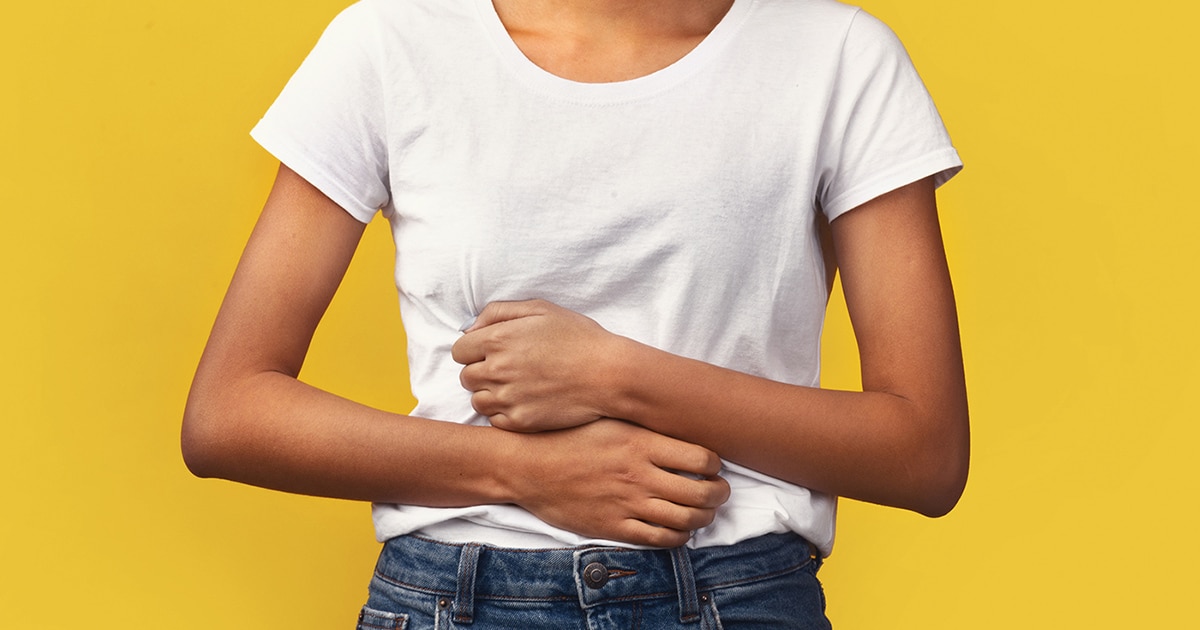
The symptoms of this condition extend far beyond simple cramping. Patients frequently report deep, stabbing pains that radiate to the lower back and thighs. This is often accompanied by systemic symptoms, including nausea, vomiting, dizziness, and extreme fatigue. In many cases, the heavy bleeding associated with PCOS can lead to secondary complications such as iron-deficiency anemia, further impacting the patient’s quality of life and ability to maintain daily routines.
A Chronology of the PCOS Menstrual Cycle
The progression of a PCOS-affected cycle differs significantly from the standard 28-day model. Understanding this timeline is crucial for effective intervention:
- The Follicular Phase Stagnation: In a standard cycle, a dominant follicle emerges and prepares for ovulation. In PCOS, elevated luteinizing hormone (LH) and insulin levels often prevent follicles from maturing, leading to "cysts" and a lack of ovulation (anovulation).
- The Prolonged Estrogenic State: Without ovulation, the body does not produce sufficient progesterone to balance estrogen. This results in the continuous growth of the uterine lining.
- The Prostaglandin Surge: When the lining finally destabilizes due to hormonal fluctuations, the body initiates a heavy "withdrawal bleed." The sheer volume of tissue requires intense uterine contractions, leading to the debilitating pain reported by sufferers.
- The Recovery and Lag: Following the period, the hormonal imbalance often resets the cycle into another long period of anovulation, creating a cycle of unpredictable and severe episodes.
Clinical Interventions: Pharmacological Management
The medical community generally recommends a tiered approach to managing PCOS pain, starting with Non-Steroidal Anti-Inflammatory Drugs (NSAIDs). According to a 2019 study published in Obstetrics & Gynecology Science, NSAIDs such as ibuprofen or naproxen are particularly effective because they inhibit the enzyme cyclooxygenase, which is responsible for prostaglandin synthesis. By reducing the "chemical messengers" of pain at the source, these medications can decrease both the intensity of cramps and the volume of menstrual blood loss.
When over-the-counter NSAIDs are insufficient, hormonal contraceptives are frequently prescribed as a frontline treatment. These medications—available as oral pills, vaginal rings, or transdermal patches—work by providing a steady stream of synthetic estrogen and progestin. This suppresses the natural, erratic hormonal fluctuations of PCOS, prevents the overgrowth of the uterine lining, and ensures a more regular, lighter, and less painful "withdrawal bleed."

Medical professionals note that for many women, the "combination pill" is preferred as it also helps lower androgen levels, thereby reducing other PCOS symptoms like hirsutism (excess hair growth) and hormonal acne. However, for those who cannot tolerate estrogen, progestin-only options (the "mini-pill") still offer significant relief from dysmenorrhea.
The Role of Physical Activity and Metabolic Health
While exercise may be the last thing a patient desires during a pain flare-up, clinical data suggests it is one of the most effective long-term management strategies. A 2017 report in the Saudi Journal of Sports Medicine highlighted that regular physical activity can improve menstrual regularity in women with PCOS by enhancing insulin sensitivity and reducing systemic inflammation.
Journalistic analysis of current sports medicine trends suggests that the type of exercise matters. While high-intensity interval training (HIIT) is excellent for metabolic health, during the actual menstrual phase, low-impact activities like swimming or brisk walking are often more sustainable. Movement stimulates the release of endorphins—the body’s natural painkillers—and improves blood flow to the pelvic region, which can help relax the uterine muscles.
Nutritional Science and Supplementation
Dietary choices play a pivotal role in the inflammatory profile of a woman with PCOS. Because the disorder is closely linked to insulin resistance, a diet focusing on whole foods with a low glycemic index can help stabilize hormones.

Supporting data indicates that specific micronutrients are essential for pain modulation:
- Vitamin D: Research suggests that up to 85% of women with PCOS are deficient in Vitamin D. This deficiency is linked to increased inflammation and worsened insulin resistance. Supplementation has been shown to assist in regulating the menstrual cycle.
- Magnesium and Vitamin E: These nutrients act as natural antispasmodics and anti-inflammatories. Magnesium, in particular, helps relax smooth muscle tissue, potentially reducing the severity of uterine contractions.
- Omega-3 Fatty Acids: Found in fatty fish and flaxseeds, Omega-3s are potent anti-inflammatories that have been shown to lower testosterone levels and decrease the duration of menstrual pain.
Conversely, substances that cause vasoconstriction, such as caffeine, can exacerbate cramping. Caffeine narrows the blood vessels, including those supplying the uterus, which can intensify the pressure and pain during menstruation. Similarly, high sugar intake can lead to insulin spikes that worsen the underlying hormonal imbalances characteristic of PCOS.
Holistic Therapies and Heat Application
Heat therapy remains a cornerstone of home-based care. Beyond the immediate comfort of a heating pad or hot water bottle, there is emerging scientific evidence regarding the systemic benefits of heat for PCOS. A 2019 study in the American Journal of Physiology-Endocrinology and Metabolism found that regular heat therapy (such as repeated sauna use or hot baths) could improve glucose tolerance and adipose tissue insulin signaling in obese women with PCOS. This suggests that heat does more than just soothe muscles; it may actually help address the metabolic roots of the disorder.
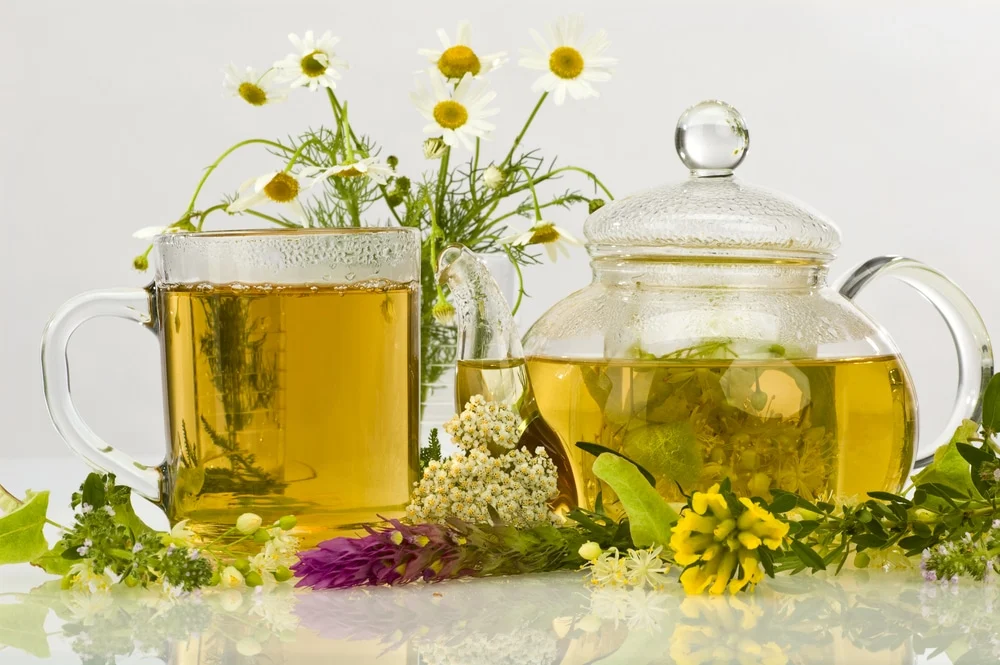
Herbal interventions also offer promise. Stinging nettle tea (Urtica dioica) is frequently cited by herbalists and some clinicians for its anti-inflammatory properties and its ability to help lower blood sugar. Similarly, Red Reishi mushroom tea is used as an adaptogen to help the body manage the physiological stress associated with chronic pain and hormonal shifts.
Broader Implications and the Path Forward
The impact of PCOS-related pain extends far beyond the individual, carrying significant socioeconomic implications. When one in ten women faces the possibility of being incapacitated for several days each month, the cumulative loss in workplace productivity and educational attainment is substantial. Furthermore, the "gender health gap" often leads to the dismissal of severe menstrual pain as "normal," delaying diagnosis and treatment for years.
The medical community is increasingly recognizing that PCOS is not merely a reproductive issue but a complex metabolic and endocrine challenge. The shift toward a holistic management model—combining pharmacological intervention, nutritional therapy, and lifestyle modifications—represents a significant advancement in patient care.
As awareness grows, the goal remains clear: to move beyond temporary "band-aid" solutions and toward a comprehensive strategy that allows women with PCOS to manage their symptoms effectively. By integrating medical data with personalized lifestyle changes, the debilitating pain associated with "that time of the month" can be transformed from an unavoidable crisis into a manageable aspect of a healthy life. Through continued research and advocacy, the medical field aims to ensure that no woman is forced to put her life on hold due to the predictable, yet profound, challenges of PCOS.
