
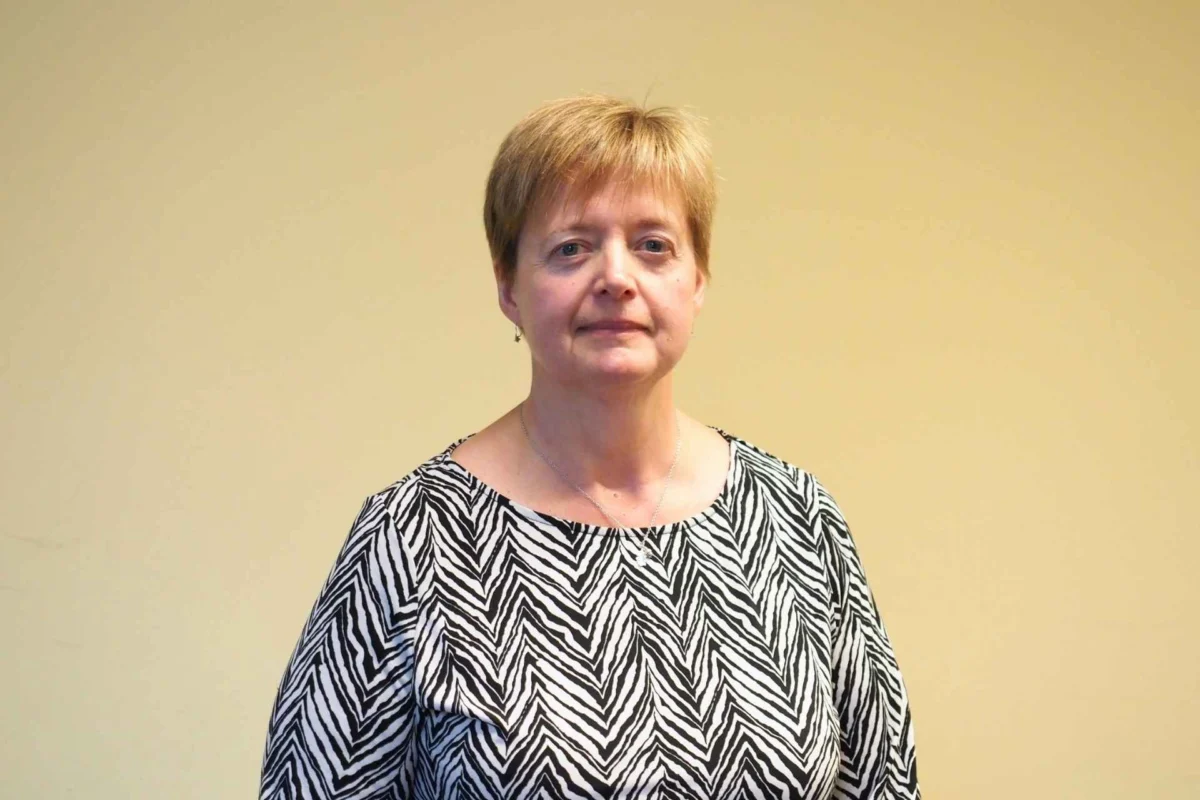
The human gut microbiome, a complex ecosystem of trillions of microorganisms, is increasingly recognized as a cornerstone of systemic health, influencing everything from metabolic function to immune response. While modern medicine has made significant strides in treating infectious diseases, industrialized nations have witnessed a concurrent rise in chronic inflammatory and metabolic conditions, such as obesity, Type 2 diabetes, and inflammatory bowel disease (IBD). This paradox has led researchers to look backward and outward toward indigenous populations whose lifestyles remain largely untouched by Western dietary habits and pharmaceutical interventions. Among these, the Yanomami people, inhabiting the remote rainforests of southern Venezuela and northern Brazil, have emerged as a critical focal point for scientific inquiry. Dr. Emma Allen-Vercoe, a prominent microbiologist from the University of Guelph in Canada, has spearheaded efforts to isolate and understand the unique microbial signatures of the Yanomami, aiming to bridge the gap between ancestral microbial diversity and modern therapeutic needs.
The Scientific Significance of the Yanomami Microbiome
The Yanomami represent one of the last remaining hunter-gatherer societies with minimal exposure to modern medicine, chlorinated water, or processed foods. Initial studies, including a landmark 2015 publication in Science Advances, revealed that the Yanomami possess the highest levels of microbial diversity ever recorded in a human population. Their gut microbiomes are characterized by a high prevalence of species that are nearly extinct in industrialized societies, such as various strains of Prevotella and certain members of the Spirochaetaceae family.
Dr. Allen-Vercoe’s research focuses on the biological properties of these microbes. Unlike previous studies that relied primarily on DNA sequencing—which identifies what organisms are present but does not provide live samples for study—Allen-Vercoe’s team has focused on "culturomics." This approach involves growing live cultures of these rare microbes in the laboratory. The objective is to move beyond mere identification and toward functional analysis, determining how these specific bacteria interact with the human host to promote the "exceptionally strong cardiometabolic health" observed in the Yanomami.
Logistical Challenges and the Chronology of Discovery
The journey to catalog the Yanomami microbiome is a multi-year effort fraught with technical and logistical hurdles. The timeline of this research began with early ethnographic and medical surveys in the mid-20th century, which noted the Yanomami’s relative lack of hypertension and obesity even as they aged. However, it was not until the last decade that genomic technologies allowed for a detailed look at their internal ecology.
The expedition described by Dr. Allen-Vercoe involved traveling into the heart of the Amazon, a region where infrastructure is non-existent and the climate is hostile to biological preservation. To maintain the viability of stool samples, the research team had to implement rigorous field protocols. Microbes in the human gut are predominantly anaerobic, meaning they die quickly when exposed to oxygen. Furthermore, the tropical heat of the Amazon necessitates immediate cooling to prevent the degradation of biological material.
Following the collection phase, the samples were transported under strictly controlled conditions to the University of Guelph. The subsequent laboratory phase involved the use of specialized anaerobic chambers and customized growth media designed to mimic the unique environment of the Yanomami gut. This painstaking process has resulted in a diverse collection of isolates, many of which represent species previously unknown to science or deemed "unculturable" by standard laboratory methods.
Supporting Data: The Cost of Industrialization
The urgency of Allen-Vercoe’s work is underscored by comparative data between indigenous and industrialized populations. Research indicates that the average resident of a North American or European city has lost approximately 30% to 50% of their ancestral microbial diversity. This "microbial extinction" is attributed to several factors:
- Dietary Shifts: The transition from high-fiber, plant-based diets to those high in refined sugars and fats.
- Antibiotic Overuse: While life-saving, broad-spectrum antibiotics often act as "scorched earth" agents in the gut.
- Sanitation: Increased hygiene and the consumption of treated water have reduced the natural transmission of environmental microbes.
Data from the Yanomami studies show that their microbiomes contain bacteria that possess antibiotic-resistance genes, despite the population having no known exposure to commercial antibiotics. This suggests that resistance is a natural feature of the microbial world, but in the Yanomami, these genes exist in a balanced state. In contrast, in industrialized populations, the lack of diversity and the pressure of clinical antibiotics often lead to the dominance of resistant pathogens.
Technical Innovations in Culturing and Isolation
One of the primary contributions of Dr. Allen-Vercoe to the field is the development of the "Robogut," a synthetic model of the human colon. This technology allows researchers to simulate the gut environment and observe how microbial communities interact in real-time. By introducing Yanomami isolates into these controlled environments, the team can identify which microbes provide the most significant health benefits.
The difficulty of this task cannot be overstated. Traditional microbiology relies on standardized agar plates, which fail to support the growth of roughly 99% of gut bacteria. Allen-Vercoe’s team utilizes "metabolic modeling" to create bespoke nutrient broths for specific strains. This methodology has allowed for the isolation of next-generation probiotics—organisms that go beyond the common Lactobacillus and Bifidobacterium found in grocery store supplements. These new candidates include species that produce short-chain fatty acids (SCFAs) like butyrate, which is essential for maintaining the integrity of the gut lining and reducing systemic inflammation.
Institutional and Commercial Implications
Recognizing the broader need for these specialized techniques, a new culturing service has been established to assist both academic and commercial partners. This service aims to democratize access to the "hidden diversity" of the human microbiome. For pharmaceutical companies, these isolates represent a pipeline for live biotherapeutic products (LBPs). For academic researchers, they provide the raw material needed to test hypotheses regarding the "Missing Microbes" theory, popularized by Dr. Martin Blaser.
The implications for the probiotic industry are particularly profound. The current market is saturated with a limited variety of strains that often fail to colonize the adult gut effectively. By leveraging the robust, diverse strains found in the Yanomami, the next generation of probiotics could potentially offer more permanent and impactful health interventions, specifically targeted at restoring metabolic balance in patients with chronic diseases.
Ethical Considerations and Official Responses
The study of indigenous microbiomes is not without controversy. The scientific community has faced criticism in the past for "bioprospecting"—extracting biological resources from indigenous lands without equitable compensation or respect for sovereignty. Dr. Allen-Vercoe and her colleagues emphasize that their work is conducted with a focus on ethical collaboration and the preservation of the Yanomami’s biological heritage.
While official responses from governmental health bodies in Venezuela and Brazil vary depending on the political climate, there is a general consensus among global health organizations, such as the World Health Organization (WHO), that preserving the health of indigenous populations is a priority. The Yanomami face existential threats from illegal gold mining, deforestation, and introduced diseases like malaria and COVID-19. Researchers argue that documenting and understanding their unique biology is a form of "salvage anthropology" that may one day benefit the Yanomami themselves if their traditional way of life is further compromised.
Broader Impact: Reimagining Human Health
The research into the Yanomami gut microbiome serves as a powerful reminder that human biology is not a solo endeavor but a symbiotic partnership. The "industrialized gut" is increasingly viewed as a depleted ecosystem, much like a forest that has lost its apex predators and primary producers. By studying the Yanomami, scientists are essentially looking at a "baseline" of human health—a blueprint of what the human-microbe relationship looked like before the disruptions of the 20th century.
The long-term goal of Dr. Allen-Vercoe’s work is not necessarily to return modern humans to a hunter-gatherer lifestyle, which is neither practical nor possible. Instead, the objective is to identify the "keystone species" of the microbiome and find ways to reintegrate them into the modern population. Whether through refined probiotics, dietary interventions, or fecal microbiota transplants (FMT), the insights gained from the Amazonian rainforest may provide the keys to curing the "diseases of civilization."
As the scientific community continues to analyze the isolates recovered from the Yanomami, the focus will shift toward clinical trials. If these ancestral microbes can be shown to safely colonize the modern gut and provide measurable improvements in glucose regulation, lipid profiles, and inflammatory markers, it would mark a significant turning point in preventive medicine. The work of Dr. Allen-Vercoe stands at the intersection of traditional wisdom and cutting-edge technology, suggesting that the future of human health may very well depend on our ability to preserve and learn from our biological past.
