
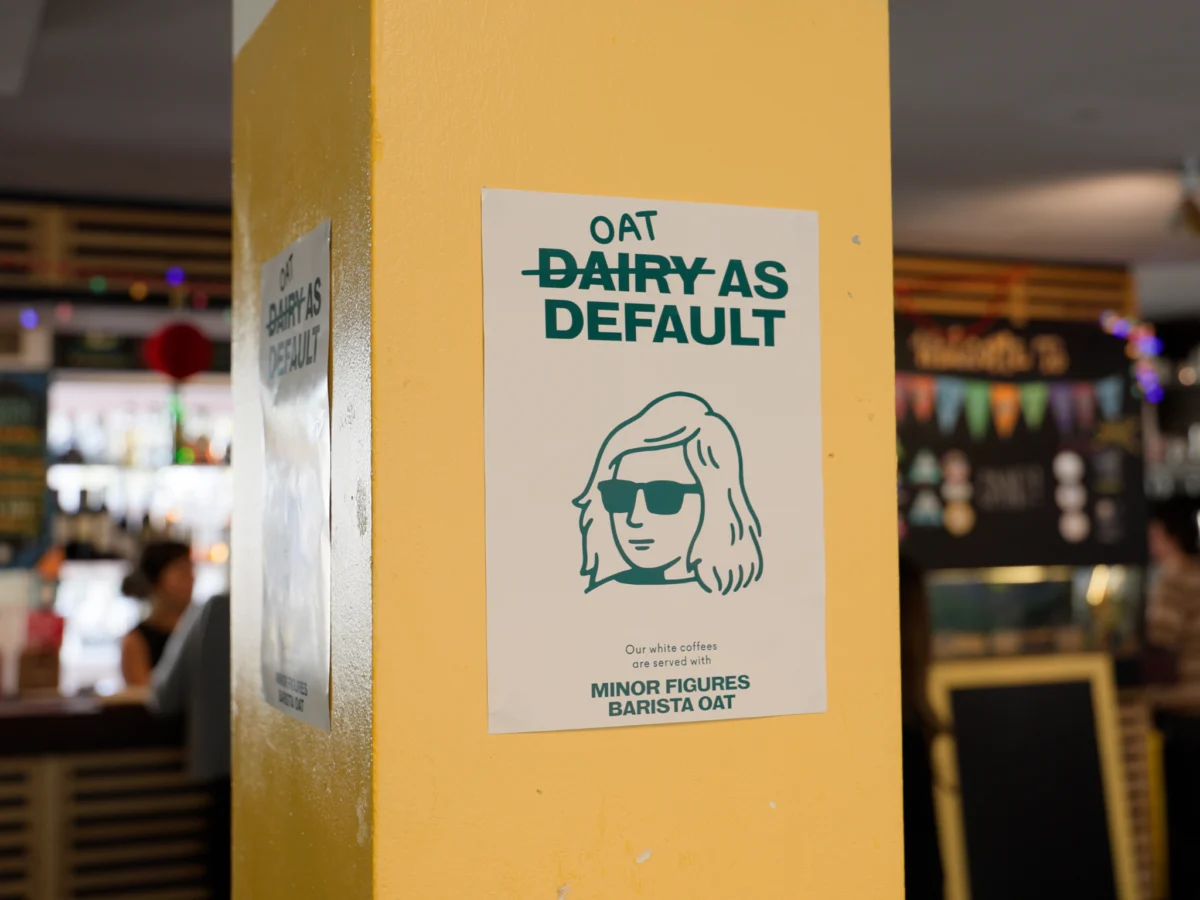
The landscape of coffee culture in the United Kingdom may be on the cusp of a significant shift, with a substantial majority of cafés expressing openness to adopting oat milk as the standard, default option for milk-based beverages. This potential paradigm change, driven by growing environmental consciousness and evolving consumer preferences, hinges on two key factors: demonstrable consumer demand and a reduction in the wholesale cost of oat milk.
A pioneering trial currently underway at The Canteen, a vegetarian café in Bristol, is actively testing this very concept. As one of the first establishments in the UK to implement an "oat milk by default" policy, the initiative aims to accelerate the adoption of this plant-based alternative and, in doing so, reduce the café’s carbon footprint. This forward-thinking experiment is being conducted in collaboration with Minor Figures, a London-based oat milk startup, and the animal rights organization Animal Justice Project.
Recent research from Animal Justice Project, which surveyed 50 independent coffee shops across the UK, revealed that a significant 84% of cafés had not previously contemplated making oat milk the default choice. However, the study also indicated a notable shift in perspective, with 57% becoming receptive to the idea after engaging with the concept. This finding aligns with a growing body of evidence from behavioral science, which has consistently demonstrated the efficacy of "default nudges" in promoting plant-based consumption and fostering positive environmental outcomes. By presenting oat milk as the standard, unless a customer specifically requests otherwise, the initiative seeks to leverage this psychological principle to normalize and popularize dairy-free alternatives.
The Barriers to Default Oat Milk: Customer Satisfaction and Cost Concerns
The survey conducted by Animal Justice Project highlighted that the primary concerns for coffee shops considering a default oat milk policy revolve around potential negative customer reactions and the comparatively higher cost of oat milk compared to conventional dairy. When asked about the biggest obstacles to adopting the default oat milk model, 77% of surveyed cafés cited customer backlash as a major deterrent, while 68% pointed to the increased costs associated with sourcing oat milk. Interestingly, concerns about taste or potential allergens were significantly less prominent, indicating that the perceived challenges are largely economic and social rather than product-related.
Despite these reservations, the research also revealed a strong incentive for cafés to consider the switch. Over two-thirds (69%) of respondents indicated that clear consumer demand and prevailing market trends would prompt them to seriously consider making oat milk the default. Furthermore, a substantial 52% stated that a reduction in the wholesale price of oat milk would be a crucial factor in their decision-making process. This suggests that a concerted effort to address both consumer awareness and supply chain economics could unlock widespread adoption.
When questioned about the most effective strategies to encourage customers to embrace oat milk and support a default approach, café owners identified several key tactics. Nearly half (48%) believed that introducing oat milk as the standard option for specialty or signature drinks would be most impactful. Other highly regarded strategies included implementing clear in-store signage (41%), encouraging friendly recommendations from baristas (35%), and offering a refund or a complimentary alternative milk option for dissatisfied customers (33%).
Café businesses also recognized the potential benefits of such a strategic shift. The survey indicated that 45% of cafés hoped to see an increase in sales, while 43% anticipated a reduction in their environmental impact. A further 38% believed it would lead to an improved customer experience and increased satisfaction. The study further suggested that with adequate support, including financial incentives, logistical assistance, media publicity, and free product, the willingness to implement oat milk as the default option could rise significantly. Nineteen percent of cafés indicated they would make the switch with such support, while an additional 38% expressed openness to the idea.
The "Udderly Kind" Campaign and Collaborative Efforts
The "oat milk by default" initiative is an integral component of Animal Justice Project’s broader "Udderly Kind" campaign. This campaign is dedicated to showcasing how straightforward menu modifications can effectively reduce reliance on animal agriculture, mitigate climate impacts, and ultimately influence everyday consumer choices.
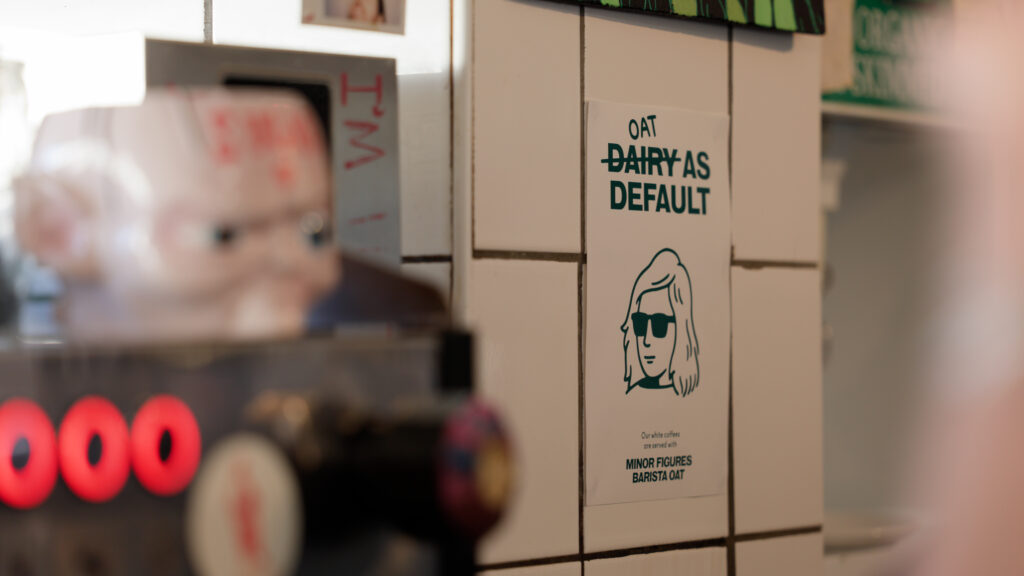
Animal Justice Project has leveraged the findings from their survey to foster a collaborative approach, working closely with coffee shops to implement practical, low-risk trials. These trials are bolstered by strategic brand partnerships and expert guidance. The Canteen’s current trial, for instance, is receiving direct support from Minor Figures, who have generously provided the café with 60 liters of oat milk and in-store promotional materials free of charge. Minor Figures has expressed its commitment to extending similar support to other businesses interested in exploring the "oat milk by default" model.
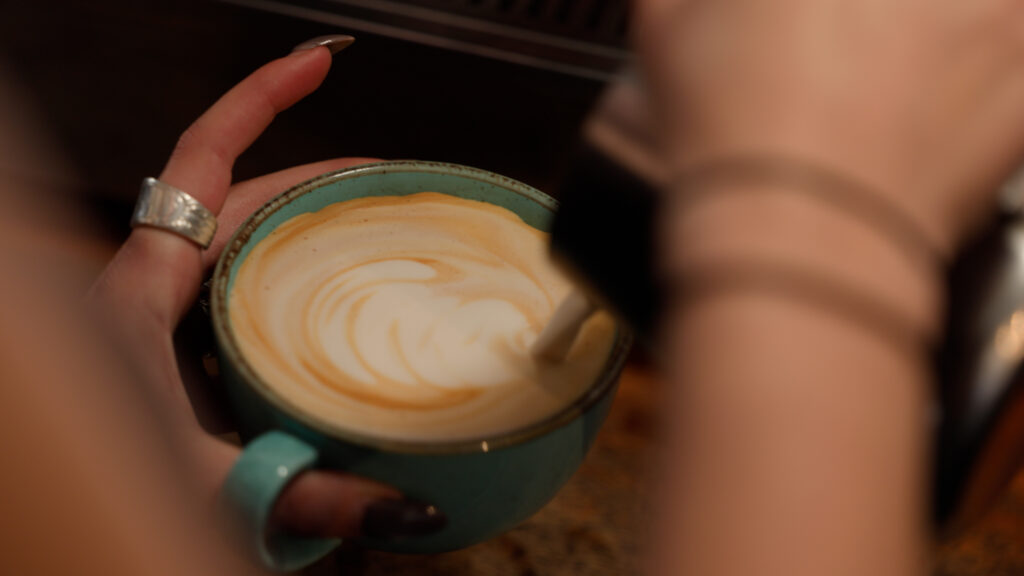
In a statement, Minor Figures emphasized the multifaceted benefits of their product and the proposed shift: "Offering oat as default is not only the most ethical and sustainable choice – it’s also great for coffee and commercially viable. We want to help cafés make that transition."
Liam Stocks, general manager of The Canteen, articulated the café’s motivation for participating in the trial: "We have done a lot of work in recent years on our carbon footprint literacy and have recognized the impact that dairy and eggs have on our overall footprint. Reducing dairy has by far the biggest impact we can make – not just environmentally, but for animal welfare. We’re keen to see how customers respond to oat milk being the default and hope this shows that a wider shift is possible through small changes."
The Canteen initiated its trial earlier this month, providing customers with the flexibility to opt for dairy or other alternatives at no additional cost. Baristas are proactively engaging with customers by posing the question, "Is oat milk okay?" This subtle behavioral prompt is designed to normalize plant-based choices within the ordering process.
The Environmental Imperative and Proven Efficacy of Nudges
The efficacy of such behavioral nudges in influencing consumer choices and reducing environmental impact is well-documented. A recent UK study involving a university café found that students were three times more likely to choose oat milk when it was presented as the default option. This led to a significant reduction in the milk-based carbon footprint per drink, ranging from 25% to 34%.
The environmental rationale behind this shift is compelling. Dairy production carries a substantially larger climate footprint compared to oat milk. It emits over three times more greenhouse gases, occupies 11 times more land, and consumes 13 times more water. These stark figures underscore the environmental advantages of plant-based alternatives.
This approach has also demonstrated success in large-scale corporate settings. In 2022, a pilot program conducted at LinkedIn’s San Francisco office, a collaboration between catering giant Sodexo’s subsidiary, the Good Eating Company, and behavioral choice agency Greener By Default, proved highly effective. Over a 12-week period, two-thirds of the menu was transitioned to plant-based options, and oat milk became the standard choice at the coffee bar. This intervention resulted in a halving of the office’s emissions, equating to a saving of 14,400 kg of CO2e.
Sean Barrs, a campaigner at Animal Justice Project, commended the initiative and its potential: "This is exactly the kind of practical, forward-thinking change we need to see. The Canteen is showing that cafés can lead the way – supported by data, collaboration, and real-world trials. We hope many more businesses will follow."
The "oat milk by default" movement represents a tangible step towards a more sustainable and ethically conscious food system. By harnessing behavioral science, fostering industry collaboration, and addressing economic concerns, the UK’s vibrant café culture is poised to play a crucial role in driving this positive transformation. The success of trials like the one at The Canteen could pave the way for a widespread adoption of plant-based milk as the norm, offering a win-win scenario for businesses, consumers, and the planet. The coming months will be critical in observing customer responses and the broader impact of this innovative approach on the UK’s café industry.
