
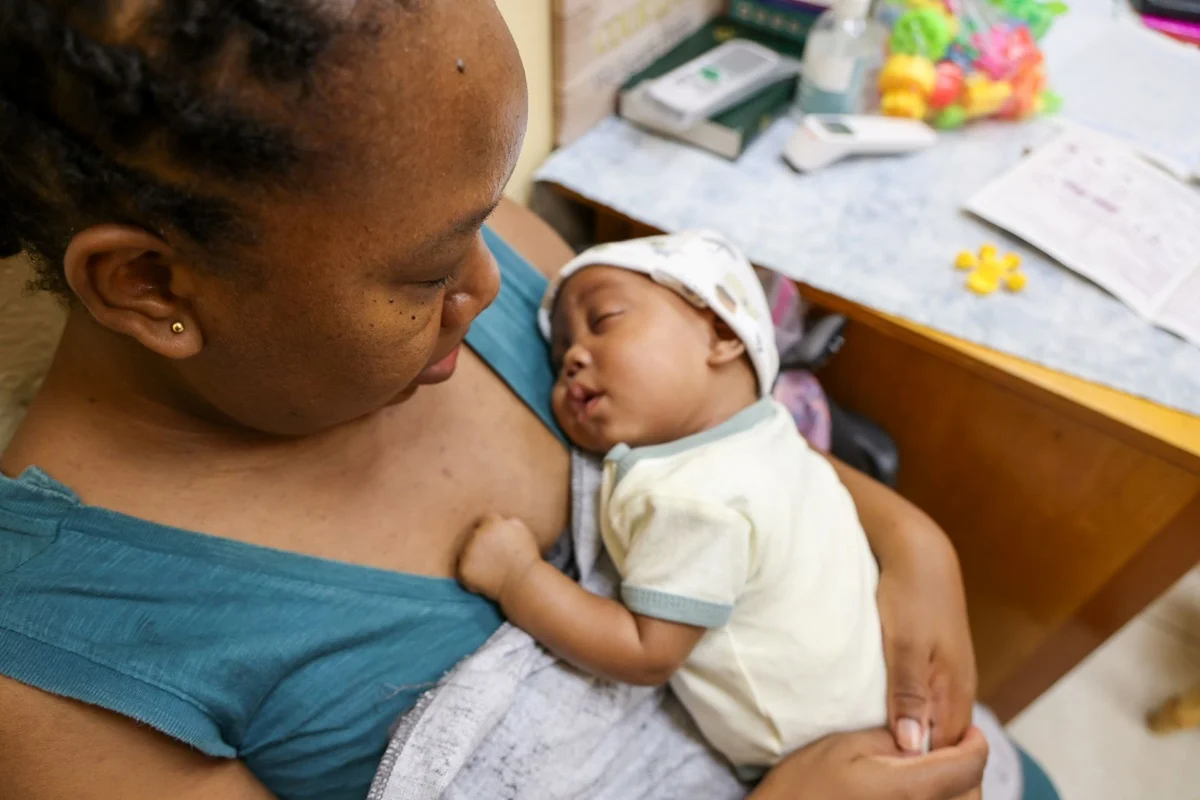
In a historic milestone for global public health and a testament to the efficacy of sustained Caribbean health initiatives, the World Health Organization (WHO) has officially certified The Bahamas for the elimination of mother-to-child transmission (EMTCT) of HIV. This designation places the archipelagic nation among an elite group of countries that have successfully neutralized one of the most significant pathways of viral transmission, ensuring that the next generation of Bahamian citizens is born free of the virus. The announcement, lauded by international health leaders, underscores a decade of rigorous clinical protocols, political resolve, and a fundamental shift toward inclusive healthcare delivery.
The certification was formally acknowledged by Dr. Tedros Adhanom Ghebreyesus, WHO Director-General, who emphasized the broader implications of the achievement. According to Dr. Tedros, the success of The Bahamas is a solidification of years of political commitment and the unyielding dedication of frontline health workers. He noted that by ensuring children are born free of HIV, the nation is not only addressing a medical challenge but is actively securing a healthier and brighter future for its youth. The sentiment was echoed by Dr. Jarbas Barbosa, Director of the Pan American Health Organization (PAHO), who highlighted that the milestone serves as a beacon of national pride and a catalyst for ending HIV and other communicable diseases as public health threats across the Americas.
The Strategic Framework: A Model of Inclusive Care
The path to certification for The Bahamas was paved through the implementation of a comprehensive and inclusive healthcare model that prioritized accessibility above all else. Central to this strategy was the mandate to provide universal antenatal care to all pregnant women within the country. Critically, this policy was applied regardless of a patient’s nationality or legal status, ensuring that migrant populations and marginalized communities were not left out of the diagnostic and treatment loop. By removing these barriers, The Bahamas created a safety net that captured nearly every pregnancy within its borders.
The clinical backbone of this success is a highly integrated laboratory network and a stringent testing protocol. Under current Bahamian health standards, pregnant women undergo screening at their first antenatal appointment, with a mandatory follow-up test during the third trimester. This "dual-check" system is vital for identifying women who may have contracted the virus during pregnancy, allowing for immediate intervention before delivery.
Furthermore, the elimination efforts were not treated as a standalone project but were fully integrated into the existing Maternal and Child Health (MCH) programme. This integration ensured that HIV prevention and treatment became a standard component of prenatal care rather than a specialized service that might carry a social stigma. The MCH works in close coordination with the National Infectious Disease Programme, overseeing the distribution of antiretroviral medicines and the implementation of pre-exposure prophylaxis (PrEP), which is now offered to pregnant women at high risk of infection.
Overcoming Geographical and Logistical Hurdles
Achieving such a high standard of care is particularly noteworthy given the geographical complexity of The Bahamas. As an archipelago of over 700 islands and cays, delivering consistent medical services requires a logistical feat of coordination. Dr. Michael Darville, the Bahamian Minister of Health and Wellness, noted that the achievement was the result of a collective effort involving public health nurses, tertiary care specialists, and community clinics spread across the various islands.
To maintain the continuity of care across these distances, the health system adopted a "multi-month dispensing" model for antiretroviral medicines. This approach reduces the burden on patients who might otherwise have to travel long distances or face frequent clinic visits, thereby increasing adherence to treatment regimens. Additionally, the government ensured that all sexually transmitted infection (STI) treatments and family planning services remained free of charge, further incentivizing participation in the national health system.
The Validation Process: Meeting Global Benchmarks
The WHO certification is not granted lightly; it requires a country to provide verifiable data demonstrating that it has met and sustained rigorous impact and process targets for at least two years. To reach the EMTCT threshold for HIV, a nation must typically demonstrate:
- An incidence of new pediatric HIV infections of less than 0.5 per 1,000 live births.
- An HIV transmission rate of less than 2% in non-breastfeeding populations or less than 5% in breastfeeding populations.
- Antenatal care coverage of at least 95% among pregnant women.
- HIV testing coverage of at least 95% among pregnant women.
- Antiretroviral treatment coverage of at least 95% among pregnant women living with HIV.
The Bahamas’ ability to sustain these metrics across its diverse island populations provided the evidence necessary for the Global Validation Advisory Committee to recommend certification. This process involves a thorough review of the country’s surveillance systems, laboratory capacity, and the quality of care provided to both mothers and infants.
The Caribbean as a Global Leader in EMTCT
The success of The Bahamas reinforces the Caribbean’s position as a global leader in the movement to eliminate mother-to-child transmission. In 2015, Cuba became the first country in the world to receive this certification. Since then, the region has seen a steady progression of success stories. The Bahamas now joins a prestigious group of 12 countries and territories in the Region of the Americas that have reached this milestone.
Anurita Bains, Global Associate Director for HIV/AIDS at UNICEF, remarked that Latin America and the Caribbean have long been a "beacon of progress" in this global effort. She noted that more than half of all countries worldwide that have achieved elimination are located in this region. This regional success is largely attributed to the PAHO Elimination Initiative, which seeks to eradicate more than 30 communicable diseases by the year 2030.
Winnie Byanyima, Executive Director of UNAIDS, emphasized that the Bahamian achievement is a clear indicator that the goal of ending the AIDS epidemic is attainable when political will is matched with steady investment in primary healthcare. "When women can test early in pregnancy, start treatment quickly, and stay in care, every child has a better chance of being born free of HIV," Byanyima stated.
Broader Implications and the EMTCT Plus Initiative
The Bahamian milestone is a key component of the "EMTCT Plus" initiative. This broader framework aims to go beyond HIV, targeting the elimination of mother-to-child transmission of syphilis, hepatitis B, and congenital Chagas disease. By utilizing the same infrastructure built for HIV prevention—such as integrated testing and universal prenatal care—The Bahamas is well-positioned to tackle these other health threats simultaneously.
The integration of these services into the primary healthcare system ensures that resources are used efficiently. For example, a single blood draw during a prenatal visit can now screen for multiple infections, and the same follow-up mechanisms used for HIV-exposed infants can be used to monitor for congenital syphilis or hepatitis. This holistic approach not only saves lives but also reduces the long-term economic burden on the national healthcare system by preventing chronic illnesses from birth.
Challenges and Sustainability
While the certification is a cause for celebration, health officials remain focused on the necessity of sustaining these gains. The WHO and PAHO have stressed that elimination is a "status" that must be maintained through continuous surveillance and investment. Any lapse in testing coverage or a disruption in the supply chain for antiretroviral medications could lead to a resurgence of cases.
The Bahamas plans to sustain its standards through integrated primary care and a robust monitoring system that tracks every HIV-exposed infant for at least 18 months to ensure they remain virus-free. The government has also committed to ongoing training for healthcare providers to address potential stigma, ensuring that mothers living with HIV feel supported and encouraged to remain in the care continuum.
A Legacy of Leadership
The certification of The Bahamas serves as a powerful message to other nations, particularly those with archipelagic geography or high migration flows, that the elimination of mother-to-child transmission is possible through equity and integration. It highlights a shift in public health philosophy where the "legal status" of a patient is secondary to the "health status" of the community.
As the global community looks toward the 2030 deadline for the Sustainable Development Goals, The Bahamas’ success provides a blueprint for how small island developing states can achieve world-class health outcomes. The victory belongs to the nurses in the clinics of Andros, the doctors in the hospitals of Nassau, and the policymakers who decided that no child in The Bahamas should start life with the burden of a preventable infection. This achievement is not merely a medical statistic; it is a profound affirmation of the right to health for every mother and every child, regardless of where they are born or the circumstances of their birth.
