
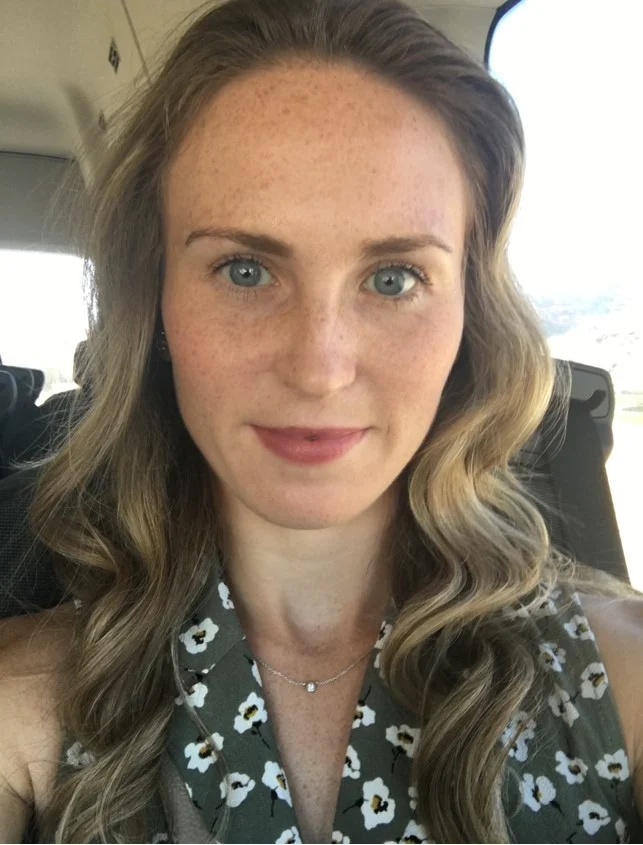
Brittany McKertcher, a 32-year-old nurse residing in Alberta, embodies a widespread yet often underestimated health challenge: the enduring struggle with chronic acne. For two decades, beginning in her early teenage years, McKertcher has navigated a persistent journey marked by various forms of acne, a cycle of treatments, and significant emotional distress. Her experience highlights the complex nature of acne, its far-reaching impact beyond skin deep, and the critical need for early, professional medical intervention.
The Onset of a Persistent Battle: Teenage Years and Self-Treatment
McKertcher’s battle with acne commenced at the tender age of 13. What began as superficial pustules soon progressed to more severe forms, including painful cystic acne – deep, inflamed bumps beneath the skin’s surface. "It’s still an ongoing journey in my 30’s," she reflects, underscoring the relentless nature of her condition. "Things have been frustrating and difficult with acne. I started having symptoms at around 13 years old… There was a lot of surface acne with pustules and also cystic acne, deep bumps under the skin that were painful. I really struggled with my hormones."
Like many teenagers, McKertcher initially attempted to manage her condition without professional medical guidance. Her early efforts were concentrated on over-the-counter remedies, a common first line of defense for those grappling with new breakouts. "At that time I did not seek medical care for it. I was just trying over the counter things like different face washes and topicals that would hopefully help heal the acne," she recounts. This period was also characterized by a fervent search for cosmetic solutions, particularly foundation that could offer coverage without exacerbating dryness. However, the deep, subcutaneous nature of her cystic acne proved largely uncamouflageable, leaving her feeling exposed despite her efforts. "The deep bumps under the skin were not as coverable because you could still see them in the mirror even though I had makeup on," she noted, emphasizing the limitations of cosmetic concealment for severe acne.
Profound Emotional and Social Impact on a Young Life
The impact of acne on McKertcher’s teenage life was profound and pervasive, extending far beyond the physical discomfort. It eroded her self-esteem and dictated her social interactions, a common thread for adolescents navigating the complexities of identity and peer acceptance. "I did not have any clear days of healing," she states, painting a picture of relentless struggle. The fear of exposing her skin became a significant barrier to participation in typical teenage activities. "The acne completely affected my self-esteem where I would not want to go swimming or in hot tubs or things like floating on the river. I did not want to do anything that would compromise the makeup on my face and expose the acne."
As an active teen involved in gymnastics, the condition presented unique logistical and emotional challenges. The constant need for makeup touch-ups, particularly when sweating, added another layer of anxiety. "During gymnastics, I had to bring my makeup with me to cover up if I was sweating," she recalls. The perception of being an anomaly among her peers further exacerbated her feelings of isolation. "It didn’t help that at high school, I seemed to be the only one with serious acne…" This sentiment is echoed by countless individuals who feel singled out by their skin conditions, underscoring the vital role of peer support and understanding during formative years.
Navigating the Labyrinth of Medical Treatments: A Chronology of Interventions
Within a year of acne’s onset, McKertcher sought professional medical help, marking the beginning of a long and often frustrating journey through various treatments. Her family doctor prescribed topical treatments, which unfortunately yielded minimal improvement. This initial lack of success is a common experience, highlighting that while topical agents can be effective for mild to moderate acne, more severe cases often require systemic approaches.
At approximately 14 years old, McKertcher was prescribed birth control pills, a common hormonal intervention for acne, particularly in females where hormonal fluctuations play a significant role. When these initial treatments proved insufficient, she was referred to a dermatologist, a crucial step for managing persistent or severe acne. Under dermatological care, her treatment regimen expanded significantly. She underwent courses of antibiotics, which are used to reduce acne-causing bacteria and inflammation. However, the turning point for many with severe acne, including McKertcher, often involves isotretinoin, commonly known by its brand name Accutane. She started her first round of Accutane within a couple of years of seeing the dermatologist.
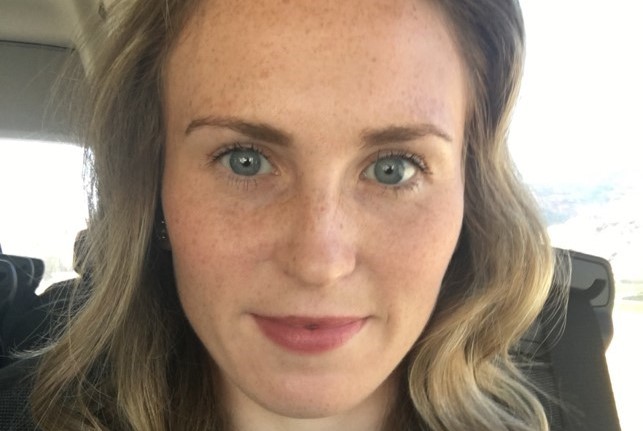
Accutane, a powerful retinoid, is renowned for its effectiveness in treating severe, recalcitrant acne, but it also comes with a notable spectrum of side effects. McKertcher’s experience was typical: "It went OK but I was extremely dry. I had nosebleeds, needed a humidifier and would use a really thick body cream on my face… even my eyes were dry." Despite these challenging side effects, Accutane often brings significant improvement, though not always a complete cure or permanent remission for everyone.
Following her initial Accutane course, McKertcher’s treatment strategy pivoted back to hormonal therapies, combining birth control pills with spironolactone. Spironolactone, an androgen receptor blocker, is particularly effective for hormonal acne in women. "I found those were the most helpful treatments that I experienced," she notes, indicating a period of relative success in managing her condition.
Adult Acne: Increased Emotional Burden and Setbacks
The hope that acne would simply "be outgrown" in adulthood, a common misconception, proved untrue for McKertcher. Her acne persisted through her twenties and into her university years, a period when many expect to have clearer skin. The emotional burden, surprisingly, intensified as an adult. "As a teen, everything seems like the end of the world and I felt self-conscious. But you’re kind of expected to have acne and you hope to grow out of it into adulthood," she explains. "The acne has taken a bigger toll on me as an adult. All my friends do not struggle with acne at all and I still feel like it affects me – that is so hard. When I look in the mirror, that is all I see." This sentiment underscores a critical aspect of adult acne: the isolation and the deviation from societal expectations of clear skin in adulthood can be profoundly distressing.
A significant setback occurred after university when she transitioned from oral contraceptive pills to an intrauterine device (IUD). "After university, I stopped taking the pills and switched to an IUD and that was the worst thing. It caused me to break out and I had to return to regular birth control." This experience highlights the intricate interplay between hormonal contraception and acne, where different methods can have varying and sometimes unpredictable effects on skin health.
About a year prior to the current account, McKertcher embarked on a second course of a newer formulation of Accutane, which she undertook for approximately eight months. The initial results were promising: "The results were really good. I occasionally broke out during certain times of the month but I had good coverage after that." However, her journey took another unexpected turn around her wedding. "Things went downhill come our wedding when a different type of makeup was applied. I broke out everywhere, including my eyelids. I now have body acne." This incident serves as a stark reminder of how external factors, even seemingly innocuous ones like makeup, can trigger significant flare-ups, especially for sensitive or acne-prone skin. Adding to the complexity, her current treatment regimen is on hold as she and her partner plan to start a family, a common dilemma for individuals requiring medications that are contraindicated during pregnancy.
The Broader Context: Understanding Acne and Its Prevalence
Brittany McKertcher’s experience is not isolated; it resonates with millions globally. Acne vulgaris, commonly referred to as acne, is the most prevalent skin condition, affecting approximately 85% of teenagers and young adults. However, contrary to popular belief, it is far from being exclusively a teenage ailment. Adult acne, defined as acne occurring in individuals over the age of 25, is increasingly common, particularly among women. Studies suggest that adult acne affects up to 50% of women in their 20s and 30s, and a significant percentage continue to experience breakouts well into their 40s and beyond.
The types of acne McKertcher described—surface pustules, cystic acne, and hormonal acne—represent the spectrum of manifestations. Pustules are small, inflamed bumps containing pus, while cystic acne involves deep, painful, pus-filled lesions that can lead to scarring. Hormonal acne, often characterized by breakouts along the jawline, chin, and neck, is frequently linked to fluctuations in androgen levels, which stimulate sebum production and inflammation. This explains why treatments like oral contraceptives and spironolactone, which modulate hormones, are often effective for women.
Psychological and Economic Burden
The emotional toll McKertcher described is a well-documented aspect of acne. Research consistently demonstrates a strong correlation between acne and psychological distress, including anxiety, depression, social phobia, and poor self-esteem. The chronic and visible nature of acne can significantly impair quality of life, affecting educational performance, career opportunities, and personal relationships. Feelings of shame, embarrassment, and self-consciousness, as expressed by McKertcher, are universal among those living with the condition.

Beyond the psychological impact, acne also imposes a considerable economic burden. McKertcher’s regret over the "considerable amount of money, time and effort she put into acne skin care – without results" is a sentiment shared by many. The market is flooded with over-the-counter products promising quick fixes, leading individuals to spend heavily on ineffective solutions. "Looking back now, I know those products are not going to help with cystic acne," she wisely observes. This highlights the crucial distinction between mild acne, which might respond to OTC treatments, and more severe forms that require professional medical intervention. The cost of prescription medications, specialist consultations, and potential scarring treatments further adds to the financial strain.
Expert Insights and Recommendations for Effective Management
Dermatologists emphasize that acne is a medical condition requiring a tailored approach, not a cosmetic problem to be self-managed. Dr. Jane Smith, a leading dermatologist not involved in McKertcher’s case but providing general commentary, explains, "Acne is multifactorial, involving genetics, hormones, bacteria, and inflammation. There’s no one-size-fits-all solution, and what works for one person may not work for another." She stresses the importance of early intervention to prevent physical scarring and psychological damage. "Delaying treatment can lead to more severe outcomes, including permanent scarring, which is much harder to treat than active acne."
The treatment options, as exemplified by McKertcher’s journey, are diverse. Topical retinoids (like tretinoin or adapalene) are often first-line for comedonal acne. Oral antibiotics are used for inflammatory acne, but their long-term use is discouraged due to antibiotic resistance concerns. Hormonal therapies, such as oral contraceptives and spironolactone, are particularly beneficial for women with hormonal acne. Isotretinoin (Accutane) remains the most effective treatment for severe, nodulocystic acne, often leading to long-term remission, though it requires careful monitoring due to potential side effects.
Brittany McKertcher’s Advice and Hopes for the Future
Reflecting on her two-decade struggle, Brittany McKertcher offers invaluable advice to others grappling with serious acne. Her primary recommendation is to seek professional medical help sooner rather than later. "Try to see your GP sooner and get a referral to a dermatologist if you need that," she urges. This early intervention is critical for accessing effective treatments and preventing the long-term consequences of untreated acne, particularly scarring.
She reiterates the importance of a personalized approach: "It’s not a one-size-fits-all in terms of acne treatments. Once I worked with my dermatologist, we found a combination that worked." This underscores the necessity of a patient-provider partnership in navigating treatment options and finding what is most effective for an individual’s specific type of acne and lifestyle.
Preventing scarring is another key piece of advice. "Get on something before you have scarring. I’m really thankful that I did not end up with acne scars." While she admits to the difficulty, she strongly advises against picking at acne lesions, a habit that significantly increases the risk of scarring and post-inflammatory hyperpigmentation. "It’s really hard to not pick your face though – don’t do it, which I should take my own advice."
Looking ahead, McKertcher maintains a hopeful outlook for clearer skin, a goal that many with chronic conditions share. "My ultimate goal is to have clear skin. It’s tough where I am. Hopefully I won’t have to take medications forever. I hope there’s more research into treatments for acne." Her aspiration for ongoing research reflects a broader societal need. Despite significant advancements in dermatology, there remain unmet needs for treatments that are universally effective, have fewer side effects, and are safe for long-term use and during life stages like pregnancy.
Brittany McKertcher’s extensive journey with acne serves as a compelling narrative, humanizing a common medical condition that often carries significant stigma and misunderstanding. Her story is a testament to resilience, the evolving landscape of dermatological care, and a powerful call for greater awareness, earlier intervention, and continued research to alleviate the burden of acne for individuals worldwide.
