
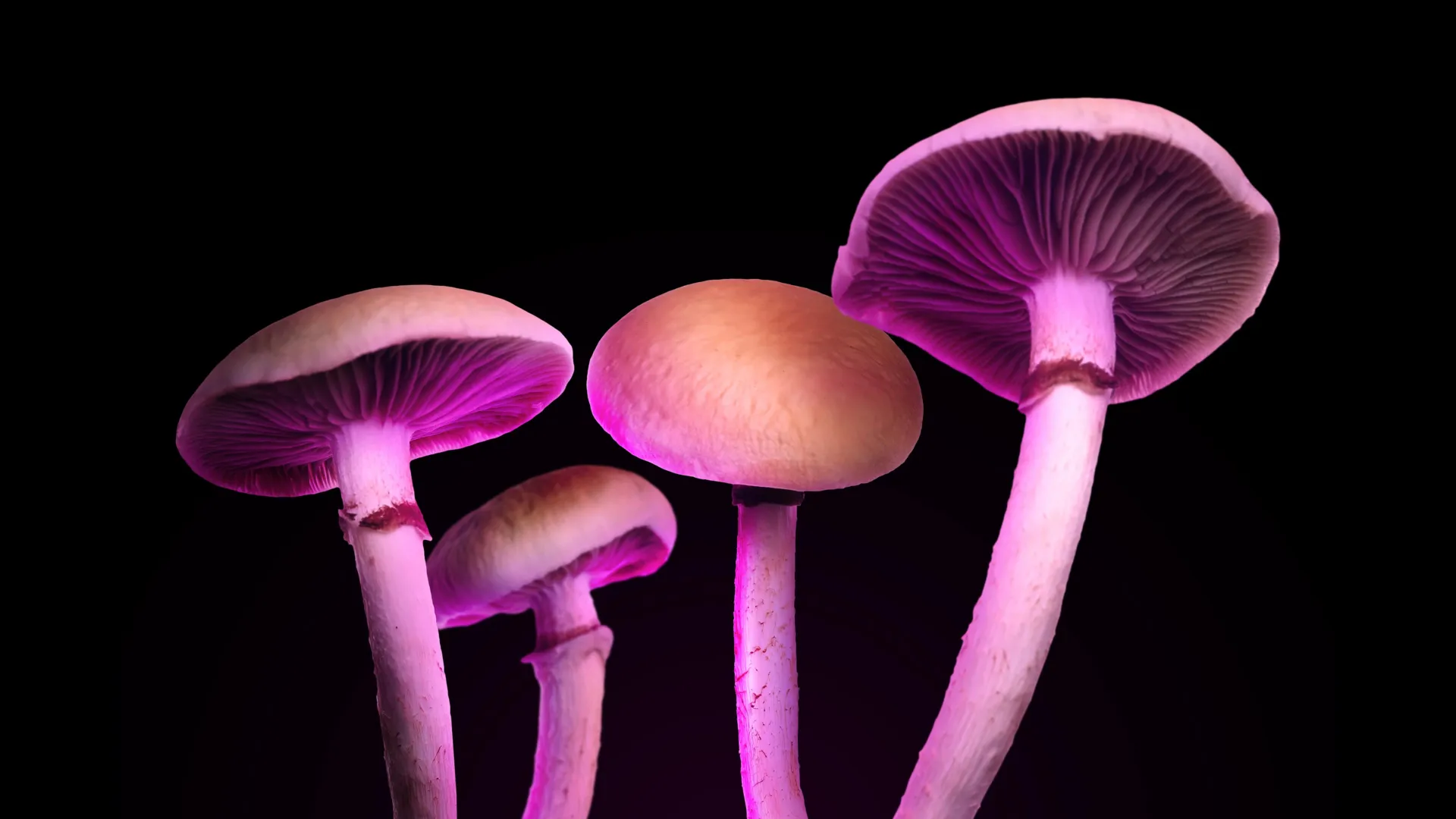
The quest for groundbreaking treatments for a spectrum of challenging mental health and neurological conditions has led researchers to re-examine compounds previously confined to the fringes of therapeutic exploration. Among these, psilocybin, the psychoactive component of "magic mushrooms," has emerged as a focal point of intense scientific scrutiny. Its demonstrated promise in addressing complex ailments such as treatment-resistant depression, debilitating anxiety disorders, persistent substance use disorders, and even certain neurodegenerative diseases is undeniable. However, a significant hurdle to its widespread medical adoption has been the potent hallucinogenic experience it induces, a characteristic that can deter patients and complicate clinical application. In a significant development, a team of scientists has engineered modified forms of psilocin, the active metabolite of psilocybin, with the aim of retaining its therapeutic benefits while mitigating its most pronounced psychoactive effects. This pioneering research, detailed in the Journal of Medicinal Chemistry, presents a potential pathway toward developing safer and more accessible psychedelic-inspired medicines.
Unlocking Therapeutic Potential: The Psilocybin Paradox
For decades, the intricate relationship between psychedelics and the brain’s serotonin system has fascinated neuroscientists. Serotonin, a crucial neurotransmitter, plays a pivotal role in regulating mood, cognition, and a myriad of other essential brain functions. Disruptions in this delicate balance are implicated in a wide array of psychiatric and neurological disorders, including major depressive disorder, generalized anxiety disorder, obsessive-compulsive disorder, and even neurodegenerative conditions like Alzheimer’s disease. Psilocybin, through its interaction with serotonin receptors, particularly the 5-HT2A receptor, has shown an ability to profoundly influence neural circuitry, promoting neuroplasticity and altering subjective experience in ways that appear to be therapeutically beneficial.
Early clinical trials, such as those conducted at Johns Hopkins University and the Imperial College London, have yielded compelling results. Studies on psilocybin-assisted therapy for depression have demonstrated significant and sustained reductions in symptoms, with many participants experiencing remission after just one or two treatment sessions. Similar positive outcomes have been observed in trials targeting addiction and anxiety in terminally ill patients. For instance, a 2016 study published in the Journal of Psychopharmacology found that psilocybin significantly reduced anxiety and depression in patients with life-threatening cancer diagnoses. These successes have fueled a growing interest in the potential of these compounds, leading to increased funding for research and a broader acceptance within the scientific community.
Despite this therapeutic promise, the intense and sometimes overwhelming hallucinogenic effects remain a significant barrier. The subjective experience of altered perception, intense emotions, and profound shifts in consciousness can be intimidating, leading to patient reluctance and requiring extensive psychological preparation and support during therapy. Furthermore, the unpredictable nature of these effects can make standardized dosing and clinical administration challenging. This inherent paradox – potent therapeutic benefits coupled with significant perceptual disruption – has been the central challenge facing researchers aiming to harness the full medical potential of psilocybin.
A Novel Approach: Dissociating Therapeutic Action from Hallucination
The breakthrough reported in the Journal of Medicinal Chemistry centers on the concept of dissociating the therapeutic mechanisms of psilocin from its hallucinogenic properties. Andrea Mattarei, a corresponding author of the study, articulates this vision: "Our findings are consistent with a growing scientific perspective suggesting that psychedelic effects and serotonergic activity may be dissociated," he stated. "This opens the possibility of designing new therapeutics that retain beneficial biological activity while reducing hallucinogenic responses, potentially enabling safer and more practical treatment strategies."
This perspective challenges the long-held assumption that the intense psychedelic experience is an indispensable component of psilocybin’s therapeutic action. The research team, led by Sara De Martin, Mattarei, and Paolo Manfredi, hypothesized that by modifying the chemical structure of psilocin, they could create compounds that interact with serotonin pathways in a more controlled and less disruptive manner. Their strategy involved engineering molecules designed to release the active psilocin more gradually into the bloodstream and brain. The rationale behind this approach is that a slower, steadier release might allow for sustained engagement with therapeutic targets without triggering the rapid and intense receptor activation that is believed to underlie hallucinogenic effects.
Engineering Psilocin Derivatives: A Focus on Controlled Release
The research commenced with the design and synthesis of five distinct chemical variants of psilocin. These novel compounds were meticulously engineered with specific pharmacokinetic profiles in mind. The goal was to achieve a slower onset and longer duration of action, a stark contrast to the more immediate and pronounced effects of naturally occurring psilocin. This deliberate modulation of drug release kinetics is a well-established strategy in pharmaceutical development for optimizing therapeutic efficacy and minimizing side effects.
The initial phase of testing involved in vitro experiments using human plasma samples. These laboratory simulations were designed to mimic the absorption process in the gastrointestinal tract, a critical step for orally administered drugs. This stage allowed the researchers to assess the stability of the engineered compounds and their ability to release active psilocin under physiological conditions. Among the five synthesized variants, one compound, designated as 4e, emerged as the most promising candidate.
Compound 4e demonstrated exceptional stability during the simulated absorption process. Crucially, it exhibited a gradual and sustained release of psilocin. This characteristic was directly linked to the researchers’ hypothesis for mitigating hallucinogenic responses. Furthermore, in vitro assays confirmed that 4e effectively activated key serotonin receptors, including the 5-HT2A receptor, at concentrations comparable to those achieved by pharmaceutical-grade psilocin. This indicated that the structural modifications had not compromised the compound’s fundamental biological activity.
Pre-clinical Validation: Insights from Rodent Models
With the identification of 4e as a lead candidate, the research team proceeded to in vivo studies using mice. This crucial step allowed for the assessment of the compound’s pharmacokinetic and pharmacodynamic properties in a living organism. The study involved administering equivalent oral doses of 4e and pharmaceutical-grade psilocybin to separate groups of mice. The researchers then meticulously tracked the levels of psilocin in the bloodstream and brain over a 48-hour period.
The results provided compelling evidence for the distinct profile of 4e. The compound efficiently crossed the blood-brain barrier, a critical factor for any psychoactive substance intended to exert its effects within the central nervous system. However, the concentration of psilocin detected in the brains of mice treated with 4e was lower than that observed with psilocybin. Importantly, this lower concentration was sustained for a longer duration. This pattern of a more prolonged, albeit less intense, presence of the active metabolite in the brain is precisely what the researchers aimed to achieve, anticipating a reduced likelihood of overwhelming hallucinogenic effects.
Beyond biochemical measurements, the study incorporated behavioral observations, a vital component for assessing psychedelic-like activity in animal models. A common and reliable indicator of such activity in rodents is head-twitching behavior. Mice treated with 4e exhibited significantly fewer head twitches compared to their counterparts that received psilocybin. This observation, made even when 4e was shown to strongly interact with serotonin receptors, strongly suggests a dissociation between receptor binding and the resultant behavioral effects. The researchers attribute this difference primarily to the controlled release kinetics of 4e, which results in a more gradual and potentially less overwhelming stimulation of the neural pathways responsible for psychedelic experiences.
Implications and Future Directions: Towards Hallucination-Free Psychedelic Medicine
The findings from this study carry significant implications for the future of psychedelic-assisted therapies. The successful engineering of psilocin derivatives that retain therapeutic activity while reducing hallucinogenic effects marks a critical step forward. This research opens a tangible avenue for developing a new generation of psychedelic-inspired medicines that could be more broadly applicable and better tolerated by patients.
The potential benefits are far-reaching. A reduced hallucinogenic profile could:
- Enhance Patient Acceptance: Many individuals who might otherwise benefit from psychedelic-assisted therapy may be deterred by the prospect of intense, uncontrolled hallucinations. Safer, less disorienting alternatives could significantly broaden access to these potentially life-changing treatments.
- Simplify Clinical Administration: The need for extensive psychological preparation and continuous monitoring during psychedelic-assisted therapy is largely driven by the intensity of the experience. With reduced hallucinogenic effects, treatment protocols could potentially become more streamlined, making them more practical for wider clinical implementation.
- Improve Therapeutic Precision: By controlling the release of the active compound, researchers may gain greater precision in modulating neural pathways, potentially leading to more targeted and effective therapeutic outcomes.
- Reduce Risk of Adverse Events: While psychedelics are generally considered safe when administered in controlled settings, the intensity of hallucinations can, in rare cases, lead to transient psychological distress or adverse reactions. Reducing these effects could further enhance the safety profile of these treatments.
However, the researchers emphasize that this is an early-stage investigation. "More research will be needed to understand exactly how these molecules work and to examine their full biological impact before scientists can evaluate their safety and therapeutic potential in people," the article states. Future research will likely focus on:
- Extensive Pre-clinical Toxicology: Comprehensive studies to assess the long-term safety and potential toxicity of these new compounds in animal models are essential.
- Human Clinical Trials: The ultimate test will be in human trials, where the safety, efficacy, and tolerability of these psilocin derivatives can be rigorously evaluated in patients suffering from various mental health conditions. These trials will need to meticulously assess both therapeutic benefits and any residual psychoactive effects.
- Mechanism of Action Elucidation: Further investigation into the precise molecular mechanisms by which these modified compounds interact with serotonin receptors and downstream signaling pathways will be crucial for optimizing their design and application.
- Dosing and Administration Strategies: Developing optimal dosing regimens and administration methods for these new compounds will be a key area of research.
The funding for this groundbreaking work was provided by MGGM Therapeutics, LLC, in collaboration with NeuroArbor Therapeutics Inc. The acknowledgment of inventors on patents related to psilocin by several authors underscores the commercial and scientific interest in developing novel psilocin-based therapeutics. This collaborative effort highlights the growing momentum within the pharmaceutical industry to explore the therapeutic potential of psychedelics and their derivatives.
In conclusion, the development of these novel psilocin derivatives represents a significant advancement in the field of psychedelic research. By decoupling therapeutic activity from intense hallucinogenic effects, scientists are paving the way for a new era of psychiatric medicine, one that could harness the profound healing potential of these compounds with greater safety, accessibility, and precision. The journey from laboratory innovation to approved medicine is a long and complex one, but this research offers a compelling glimpse into a future where the benefits of psychedelic compounds can be realized with fewer barriers.
