
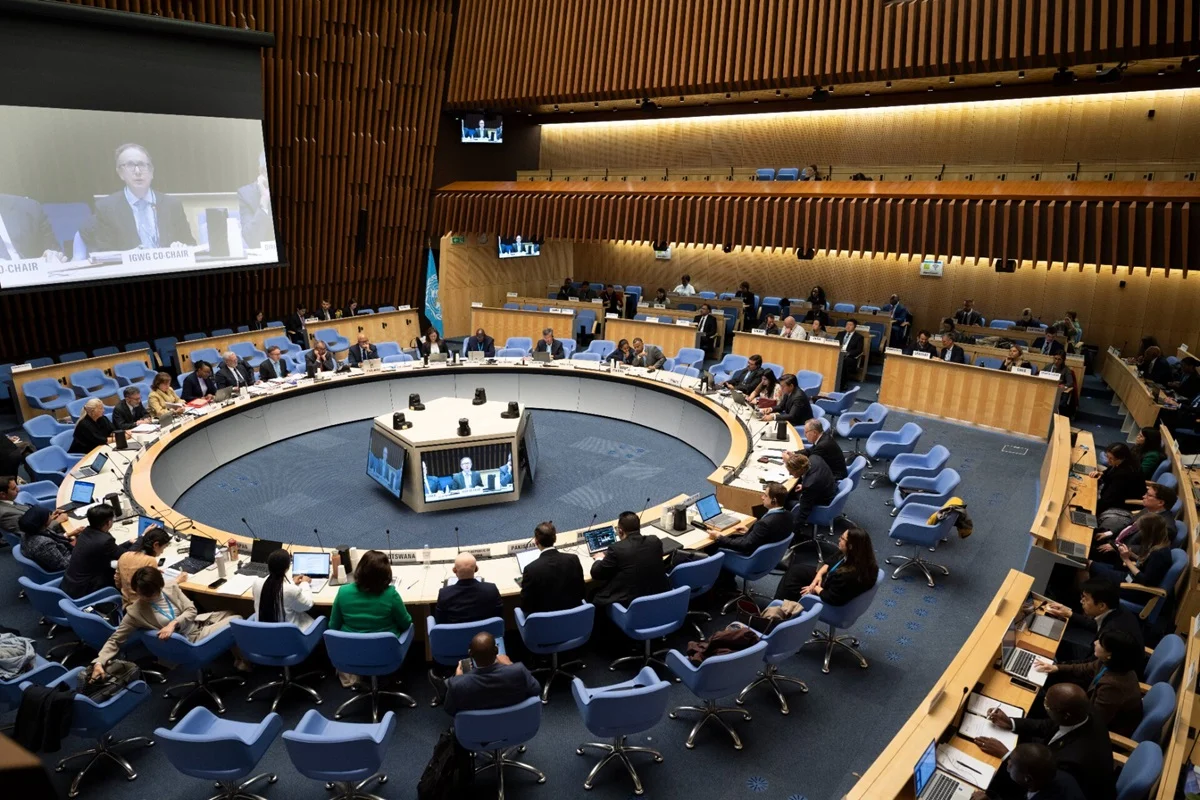
Member States of the World Health Organization (WHO) concluded a pivotal weeklong round of negotiations on the draft annex for Pathogen Access and Benefit Sharing (PABS), a cornerstone of the broader WHO Pandemic Agreement aimed at restructuring the global response to infectious disease outbreaks. The fifth meeting of the Intergovernmental Working Group on the WHO Pandemic Agreement (IGWG), which took place from February 9 to 14, 2026, marked a significant milestone in the international community’s effort to codify the rules for sharing biological materials and genetic data. As the world moves closer to the May 2026 deadline for the 79th World Health Assembly (WHA), the progress made in Geneva reflects a delicate balancing act between rapid scientific transparency and the equitable distribution of life-saving medical countermeasures.
The PABS system is designed to address a critical vulnerability exposed during the COVID-19 pandemic: the "transactional" nature of pathogen sharing. During the 2020-2023 crisis, many developing nations provided samples of viral variants to the global scientific community, only to find themselves at the back of the queue when vaccines and treatments were developed using that very data. The current negotiations seek to formalize a legally binding framework where the sharing of pathogens with pandemic potential is met with a guaranteed, fair, and equitable return of benefits, including vaccines, diagnostics, and therapeutics.
A Framework for Global Security: The Core Objectives of PABS
The primary function of the PABS system is to facilitate the rapid, systematic sharing of pathogen materials and Digital Sequence Information (DSI). In the early stages of an outbreak, the speed at which a pathogen’s genetic code is sequenced and shared determines how quickly diagnostic tests can be manufactured and how soon vaccine candidates can enter clinical trials. Under the proposed annex, Member States commit to providing timely access to these materials through a coordinated WHO network.
However, the "Benefit Sharing" aspect remains the most complex and debated component of the instrument. The draft annex proposes that in exchange for access to pathogen data, manufacturers of pandemic-related products would be required to provide a percentage of their production to the WHO for distribution based on public health need, rather than purchasing power. Current discussions have toyed with a "20% rule"—allocating 10% of production as a donation and 10% at affordable, non-profit prices—to ensure that low- and middle-income countries (LMICs) are not sidelined during a declared Public Health Emergency of International Concern (PHEIC).
Chronology of the Pandemic Agreement and PABS Negotiations
The journey toward a legally binding pandemic treaty began in the wake of the devastating socio-economic impacts of COVID-19. The timeline of the negotiations reflects the urgency and the procedural rigor required for such a monumental shift in international law:
- December 2021: The World Health Assembly held a rare Special Session, only the second in its history, where Member States agreed to establish an Intergovernmental Negotiating Body (INB) to draft and negotiate a WHO convention, agreement, or other international instrument on pandemic prevention, preparedness, and response.
- May 2024: After years of intensive debate, the 77th World Health Assembly formally adopted the WHO Pandemic Agreement. While the core agreement was reached, several technical details, most notably the PABS annex, were deferred to a specialized working group (the IGWG) to allow for more granular negotiation.
- 2025 – Early 2026: The IGWG held four successive meetings to refine the legal language of the PABS annex, focusing on the definitions of "pathogens with pandemic potential" and the legal triggers for benefit-sharing obligations.
- February 9–14, 2026: The fifth meeting of the IGWG took place in Geneva. This session was characterized by a shift from broad conceptual debates to "streamlining" the actual legal text.
- March 2026 (Upcoming): Member States are scheduled to resume negotiations for a final high-level session to resolve remaining "contentious elements."
- May 2026 (Deadline): The final draft of the PABS annex is slated for presentation and adoption at the 79th World Health Assembly.
Supporting Data: The Cost of Inequity
The drive for the PABS system is supported by sobering data from the COVID-19 era. According to data from the UNDP’s Global Dashboard for Vaccine Equity, as of late 2022, while over 70% of people in high-income countries had received at least one dose of a vaccine, that number plummeted to less than 25% in low-income countries. This disparity was not due to a lack of global supply toward the end of the pandemic, but rather to "vaccine nationalism" and the lack of a pre-negotiated distribution framework.
Furthermore, economic modeling suggests that the lack of a coordinated sharing mechanism cost the global economy trillions of dollars. A study by the International Monetary Fund (IMF) estimated that a more equitable and rapid global vaccine rollout could have added $9 trillion to global GDP by 2025. The PABS system aims to mitigate these losses by ensuring that the scientific response is matched by a logistical and distributive response that covers the entire globe simultaneously.
Perspectives from the Negotiating Table
The conclusion of the fifth IGWG meeting saw a mix of optimism and pragmatism from the leadership. Ambassador Tovar da Silva Nunes of Brazil, serving as the IGWG Bureau co-chair, emphasized the progress made in simplifying the legal jargon that had previously stalled talks. "Countries this week have again shown their steadfast commitment to getting the Pathogen Access and Benefit Sharing annex done," Nunes stated. He noted that the group now possesses a "clear vision" for the final stages of the text, though he acknowledged that consultations on sensitive topics—likely referring to intellectual property and mandatory production percentages—would continue.
His counterpart, Mr. Matthew Harpur of the United Kingdom, echoed the sentiment of urgency. "It is clear that important differences remain, but there is a shared recognition of what is at stake," Harpur said. He highlighted that the coming weeks would be "critical in bridging the remaining gaps," emphasizing that the final product must be "fair, effective, and fit for purpose."
WHO Director-General Dr. Tedros Adhanom Ghebreyesus has been a vocal advocate for the "equity" pillar of the agreement. Following the meeting, Dr. Tedros remarked, "Adopting the Pandemic Agreement last year was a huge testament to global cooperation, and we need to build on that momentum. Strong multilateralism remains essential as countries have to face future pandemics together, collectively."
Analyzing the Contentious Elements: Innovation vs. Access
Despite the productive atmosphere of the February meetings, several friction points remain. These primarily revolve around the interests of the pharmaceutical industry versus the demands of the "Global South."
- Digital Sequence Information (DSI): High-income nations and the private sector often argue that over-regulating the use of DSI could slow down innovation. They prefer a system that encourages voluntary sharing. Conversely, many developing nations argue that if DSI is used to create a commercial product without a benefit-sharing agreement, it constitutes "biopiracy."
- Intellectual Property (IP): While the PABS annex does not explicitly aim to dismantle the TRIPS (Trade-Related Aspects of Intellectual Property Rights) agreement, it seeks to create "waiver-like" conditions during a pandemic to allow for the local manufacturing of tools in various regional hubs.
- Governance and Compliance: Who will oversee the PABS system? The draft suggests a WHO-managed PABS System, but the degree of autonomy and the enforcement mechanisms for non-compliant entities remain under negotiation.
Engagement with the Private Sector and Civil Society
The fifth meeting was notable for its inclusion of stakeholders beyond government delegations. Representatives from the International Federation of Pharmaceutical Manufacturers & Associations (IFPMA), academic researchers, and managers of sequence databases like GISAID were involved in "stakeholder dialogues."
The private sector’s primary concern is that a "mandatory" benefit-sharing model might disincentivize companies from participating in pathogen research during the critical early days of an outbreak. However, civil society organizations, such as Médecins Sans Frontières (MSF) and the People’s Vaccine Alliance, have countered that without mandatory requirements, the world will see a repeat of the COVID-19 inequalities. They argue that the PABS system must include "conditionalities" on public funding for R&D, ensuring that any product developed with taxpayer money is globally accessible.
Broader Implications for Global Health Law
The finalization of the PABS annex will represent one of the most significant evolutions in international health law since the 2005 International Health Regulations (IHR). By creating a legally binding link between "access" and "benefits," the WHO is attempting to move global health security away from a charity-based model to one based on legal obligations and mutual accountability.
If successful, the PABS system could serve as a template for other areas of global governance, such as biodiversity conservation and climate change adaptation, where the sharing of resources and the distribution of technological benefits are often at odds. The move toward "strong multilateralism," as Dr. Tedros described it, suggests a world where pandemic preparedness is no longer seen as a national security issue for individual states, but as a collective global public good.
As Member States prepare for the March negotiations, the eyes of the global health community remain fixed on Geneva. The goal is clear: to ensure that when the next "Disease X" emerges, the world will have a pre-negotiated, legally binding blueprint that prioritizes human lives over political and commercial interests. The progress made in February 2026 suggests that while the path is difficult, the collective will to avoid the mistakes of the past remains strong.
