
The year 2022 saw a significant surge in public discourse surrounding food and nutrition, a trend that culminated in pivotal policy discussions and the release of a comprehensive national strategy. At the forefront of these conversations was the White House Conference on Hunger, Nutrition, and Health, an event that marked a historic moment in the nation’s approach to these critical issues. The resulting national strategy, the first of its kind since the original conference convened in 1969, sets an ambitious target: to eradicate hunger and substantially increase healthy eating and physical activity by the year 2030. This comprehensive plan outlines a multi-faceted approach, incorporating measures such as the expansion of crucial nutrition assistance programs and the groundbreaking inclusion of medically tailored meals within Medicare coverage.
However, as experts from Harvard’s Department of Nutrition have pointed out, the strategy, while promising in many aspects, also presented notable omissions. These critical oversights include the crucial need to shield children from the pervasive influence of unhealthy food marketing and the imperative to fundamentally transform the food system in light of the escalating climate crisis. In a reflective commentary on the conference’s outcomes, Drs. Frank Hu, Walter Willett, and Lilian Cheung articulated a clear vision for impactful change: "To have a significant impact, the administration must bring together the public and private sectors, along with philanthropists, academia, and individuals to develop truly sustainable food systems that support both public and planetary health." This statement underscores the complex, interconnected nature of the challenges and the necessity for a broad, collaborative effort to achieve lasting solutions.
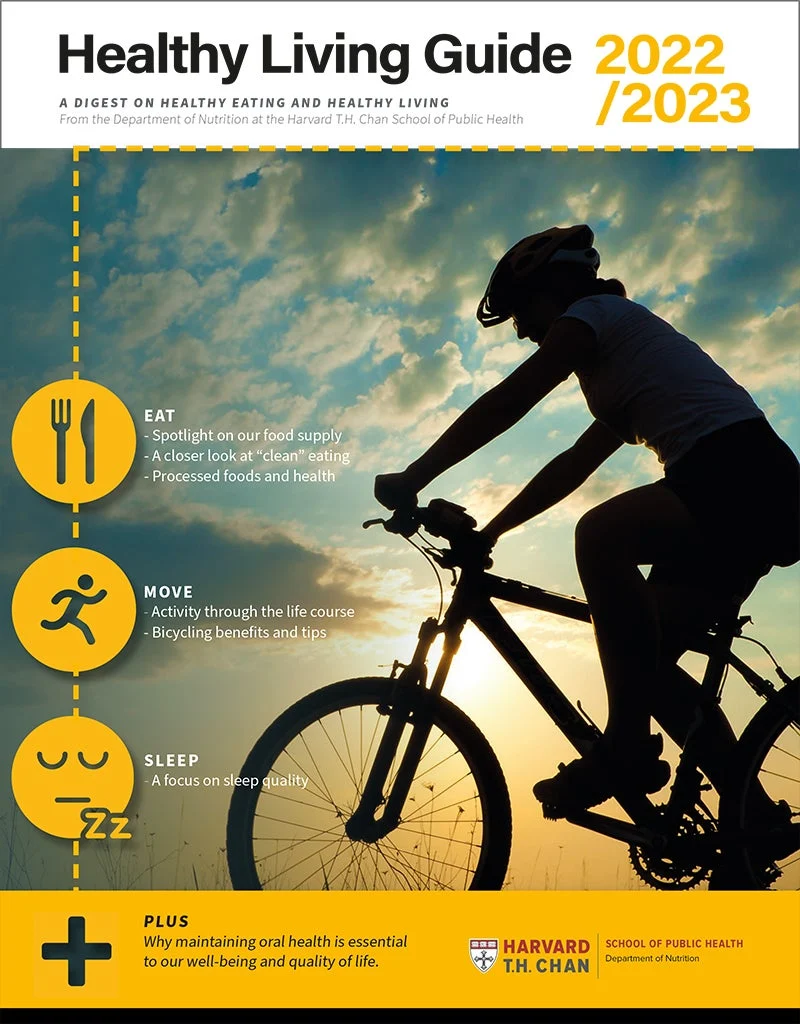
The urgency for robust policy development is undeniable. The current landscape necessitates policies that not only guarantee sufficient food availability for both present and future generations but also ensure that healthy dietary choices are not only accessible but also affordable for all segments of the population. In the interim, individuals are encouraged to integrate healthy behaviors into their daily routines, recognizing that even seemingly small changes can contribute to a more significant positive impact. To support these efforts, a downloadable Healthy Living Guide has been made available, offering printable tip sheets and concise summaries. This resource, alongside access to a wealth of online articles, aims to empower individuals with actionable information for a healthier 2023 and beyond.
The White House Conference on Hunger, Nutrition, and Health: A Landmark Initiative
The White House Conference on Hunger, Nutrition, and Health, held on September 28, 2022, was a watershed moment, bringing together a diverse array of stakeholders, including policymakers, researchers, community leaders, and advocates. The conference aimed to address the persistent challenges of hunger and diet-related diseases in the United States, setting a bold agenda for the next decade. The overarching goal is to create a nation where all citizens have access to nutritious food, can make healthy choices, and can thrive.
The conference built upon the legacy of the 1969 White House Conference on Food, Nutrition, and Health, which led to significant advancements in nutritional policy, including the expansion of food stamp programs and the establishment of WIC (Women, Infants, and Children) supplemental nutrition program. This latest iteration sought to address contemporary issues, such as the impact of the COVID-19 pandemic on food security, the rising rates of obesity and chronic diseases, and the intersection of food systems with climate change.
The National Strategy: Key Pillars and Objectives
The Biden-Harris Administration’s National Strategy on Hunger, Nutrition, and Health, released in conjunction with the conference, outlines five key pillars designed to guide national efforts:
-
Improve Nutrition and Food Access: This pillar focuses on increasing access to affordable, healthy food for all Americans. Initiatives include strengthening nutrition assistance programs like SNAP (Supplemental Nutrition Assistance Program) and WIC, expanding access to free and reduced-price school meals, and promoting the availability of healthy food options in underserved communities. The strategy also emphasizes addressing food deserts and improving the affordability of nutritious foods.
-
Integrate Nutrition and Health: This pillar aims to bridge the gap between nutrition and healthcare by recognizing food as medicine. Key proposals include expanding access to medically tailored meals for individuals with chronic health conditions, incentivizing healthcare providers to screen for food insecurity and provide nutrition counseling, and exploring ways to cover nutrition services under insurance plans.
-
Empower All Individuals to Make Healthy Choices: This pillar focuses on education, awareness, and behavioral change. It includes efforts to improve nutrition literacy, promote physical activity, and support healthy eating habits from early childhood through adulthood. The strategy also acknowledges the need to address the social determinants of health that influence food choices and health outcomes.
-
Support Healthy Eating and Active Living: Beyond individual choices, this pillar recognizes the importance of creating environments that support healthy lifestyles. This includes promoting healthy food options in schools, workplaces, and public spaces, as well as encouraging opportunities for physical activity.
-
Increase Research and Data Collection: To inform effective policy and interventions, this pillar highlights the need for continued research into nutrition, food security, and health outcomes. It also emphasizes the importance of collecting comprehensive data to track progress and identify emerging challenges.
Expert Reactions and Critical Analysis
While the National Strategy has been widely praised for its ambitious goals and its recognition of food as a critical determinant of health, it has also drawn constructive criticism from public health experts. The Harvard Department of Nutrition’s assessment highlighted several areas where the strategy could be strengthened.
Dr. Frank Hu, Chair of the Department of Nutrition at Harvard T.H. Chan School of Public Health, and his colleagues, Drs. Walter Willett and Lilian Cheung, noted the omission of crucial policies aimed at protecting children from the pervasive marketing of unhealthy foods. This is a significant concern, as marketing plays a substantial role in shaping children’s food preferences and consumption patterns from an early age. Studies have consistently shown a strong correlation between exposure to unhealthy food advertising and increased consumption of sugar-sweetened beverages, fast food, and snack foods among children. For instance, research published in the Journal of the American Medical Association (JAMA) has demonstrated that children are exposed to a disproportionate amount of advertising for high-calorie, low-nutrient foods.
Furthermore, the experts pointed to the need for a more robust response to the intertwined challenges of climate change and the food system. The current food system is a major contributor to greenhouse gas emissions, deforestation, and water pollution. Simultaneously, climate change poses significant threats to food production and security. A truly sustainable food system must address both its environmental footprint and its resilience to climate impacts. This includes promoting plant-based diets, reducing food waste, and supporting sustainable agricultural practices. Data from the Intergovernmental Panel on Climate Change (IPCC) consistently highlights the food sector’s substantial contribution to global emissions, underscoring the urgency of this issue.
The call for collaboration across public and private sectors, academia, and philanthropic organizations emphasizes that systemic change requires a united front. This sentiment resonates with broader public health principles, which advocate for multi-sectoral approaches to complex health challenges. The experience of other public health initiatives, such as tobacco control, demonstrates the power of coordinated efforts involving government regulation, public awareness campaigns, and industry engagement.
Supporting Data and Chronology
The context for the White House Conference and the subsequent National Strategy is rooted in stark statistical realities. According to the USDA’s Household Food Security report, approximately 10.2% of U.S. households (3.1 million households) were food insecure in 2022. This translates to an estimated 44 million people, including 13 million children, who experienced food insecurity. Moreover, diet-related chronic diseases remain a major public health crisis. The Centers for Disease Control and Prevention (CDC) reports that heart disease is the leading cause of death in the U.S., and obesity, a major risk factor for many chronic diseases, affects over 40% of adults.
The timeline leading up to the conference involved extensive planning and stakeholder engagement. The idea for a new White House conference had been discussed for several years, gaining momentum in the wake of the COVID-19 pandemic, which exposed vulnerabilities in the U.S. food system and exacerbated existing inequalities. The Biden-Harris Administration officially announced its intention to convene the conference in June 2022, initiating a period of public comment and consultation that informed the development of the National Strategy. The conference itself was the culmination of these efforts, bringing together diverse voices to shape a unified vision for the future of food and health in America.
Broader Implications and the Path Forward
The National Strategy on Hunger, Nutrition, and Health represents a significant commitment from the federal government to address deeply entrenched issues. Its success will hinge on effective implementation, sustained political will, and the active participation of all sectors of society. The inclusion of medically tailored meals under Medicare, for example, has the potential to revolutionize the management of chronic diseases by ensuring that patients receive the precise nutritional interventions they need. This could lead to improved health outcomes, reduced healthcare costs, and enhanced quality of life for millions.
However, the acknowledged omissions serve as a crucial reminder of the multifaceted nature of the challenge. Addressing the influence of food marketing on children requires robust regulatory measures, such as restrictions on advertising during children’s programming and in schools. Similarly, transforming the food system in response to climate change demands a comprehensive approach that includes promoting sustainable agriculture, reducing food waste throughout the supply chain, and encouraging shifts towards more plant-forward diets.
The call to action from Harvard’s nutrition experts for a unified effort resonates deeply. It suggests that while federal policy is essential, it is not sufficient on its own. True transformation will require a concerted effort from businesses to offer healthier products and ethical practices, from communities to create supportive environments for healthy living, and from individuals to make informed choices and advocate for change. The Healthy Living Guide serves as a tangible resource in this ongoing journey, offering practical advice and encouraging incremental progress. As we move forward, the lessons learned from the White House Conference and the ongoing dialogue among experts will be critical in shaping a future where healthy eating and healthy living are not aspirational goals, but achievable realities for all Americans, and indeed, for the planet.
