
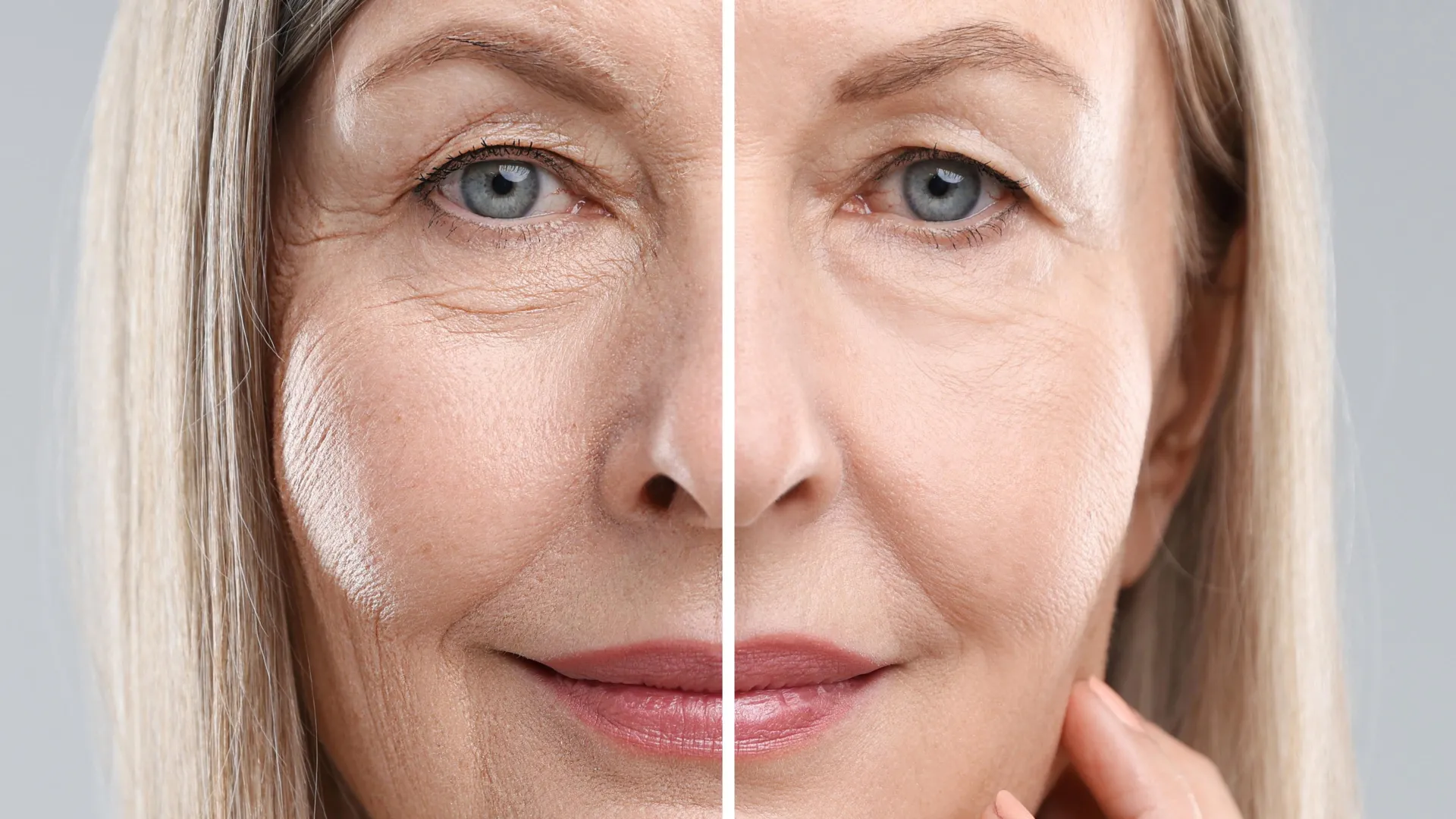
New York University Study Reveals Potential Biological Impact of Age-Related Fears
NEW YORK – Concerns about growing older, particularly anxieties surrounding declining health, may exert a more profound influence than previously understood, potentially accelerating the aging process at a cellular level, specifically in women. Groundbreaking research from the NYU School of Global Public Health suggests that subjective fears about aging can translate into objective biological markers of accelerated aging, underscoring a critical link between mental well-being and physical health.
The study, published in the esteemed journal Psychoneuroendocrinology, indicates that the psychological burden of aging-related anxiety is not merely a matter of personal distress but may carry tangible health consequences, leaving an imprint on the body. This research expands upon a growing body of evidence that highlights the intricate interplay between mental health and biological processes, moving beyond correlational observations to explore potential causal pathways.
The Growing Unease: Understanding Aging Anxiety
A significant portion of the adult population experiences apprehension regarding the aging process. These concerns often encompass a spectrum of fears, including the prospect of illness, physical deterioration, and the potential loss of independence. While the psychological toll of chronic distress has been recognized for years, its direct impact on biological aging, particularly through the mechanisms of epigenetics, has been a more recent focus of scientific inquiry. Epigenetic changes refer to alterations in gene expression – essentially, how genes are switched on or off – without altering the underlying DNA sequence itself. These modifications are known to play a crucial role in the aging process and the development of age-related diseases.
"We have known from prior research that anxiety, depression, and mental health in general are associated with a number of physical health outcomes," stated Mariana Rodrigues, a PhD student at NYU School of Global Public Health and the lead author of the study. "However, until this point, researchers had not specifically investigated whether there is a direct correlation between the act of worrying about aging and the biological process of aging itself."
Why Women May Bear a Greater Burden of Aging Anxiety
The study’s findings point towards a particular vulnerability among women when it comes to anxiety about aging. Societal pressures that often equate youth and physical appearance with value can heighten stress levels, particularly during midlife. Furthermore, concerns related to fertility and reproductive health can add another layer of anxiety for women navigating this life stage.
"Women in midlife often find themselves juggling multiple roles," Rodrigues explained. "They may be primary caregivers for their aging parents. Witnessing the decline and illness of older family members can naturally lead to worries about their own future health and the possibility of experiencing similar challenges." This observational aspect, seeing the tangible effects of aging on loved ones, can serve as a potent catalyst for personal anxiety.
Dissecting the Data: Epigenetic Clocks as Biological Barometers
To rigorously examine the connection between anxiety about aging and biological aging, the research team analyzed data from the Midlife in the United States (MIDUS) study, a longitudinal survey that tracks the health and well-being of a diverse cohort of American adults. The current analysis focused on 726 women who provided detailed self-reports on their anxieties related to aging. Participants were asked to quantify the extent of their worries concerning issues such as becoming less attractive, developing significant health problems, or reaching an age where they would be considered too old to have children.
The biological component of the study involved the analysis of blood samples. These samples were subjected to assessment using two well-established epigenetic clocks: DunedinPACE and GrimAge2. The DunedinPACE clock is designed to measure the pace of biological aging, essentially indicating how quickly an individual’s biological systems are aging relative to their chronological age. GrimAge2, on the other hand, provides an estimation of accumulated biological damage over time, offering a snapshot of an individual’s overall biological resilience and wear and tear.
The results revealed a significant association: women who reported higher levels of anxiety about growing older exhibited signs of faster epigenetic aging as measured by the DunedinPACE clock. This accelerated epigenetic aging has been previously linked in scientific literature to an increased risk of physical decline, a greater susceptibility to age-related diseases, and a shortened lifespan.
Interestingly, not all forms of aging anxiety exerted the same impact. Worries specifically pertaining to declining health demonstrated the strongest correlation with accelerated biological aging. In contrast, concerns focused on appearance and fertility did not show a statistically significant association with epigenetic aging. The researchers hypothesize that health worries may be more persistent and pervasive over time, influencing biological processes more consistently, whereas concerns about beauty and reproduction might fluctuate or diminish in intensity as individuals age and adapt to their life circumstances.
The Indivisible Link: Mental and Physical Health Intertwined
These findings serve as a powerful reminder of the profound and often underestimated connection between mental and physical health across the entire lifespan. Despite the frequent separation of these domains in healthcare systems and public perception, the study underscores their inherent interconnectedness.
"Our research identifies aging anxiety as a measurable and modifiable psychological determinant that appears to be shaping aging biology," commented Adolfo Cuevas, associate professor of social and behavioral sciences at NYU School of Global Public Health and the senior author of the study. "This highlights the potential for interventions targeting psychological well-being to have a direct impact on biological aging processes."
Caveats and Future Directions: Navigating the Complexity
While the study offers compelling insights, the researchers are careful to acknowledge its limitations. The current analysis captures data at a single point in time, which prevents the establishment of definitive cause-and-effect relationships. It is also possible that other unmeasured factors could be influencing the observed associations.
One area of exploration for future research involves understanding the role of coping behaviors that might be associated with anxiety. For instance, certain behaviors such as smoking or excessive alcohol consumption, which can be coping mechanisms for anxiety, are known to negatively impact biological aging. When the research team adjusted their statistical analysis to account for these health behaviors, the association between aging anxiety and epigenetic aging weakened and ultimately lost its statistical significance. This suggests that while aging anxiety itself may be a contributing factor, its impact could be amplified or mediated by associated lifestyle choices.
Therefore, further longitudinal research is crucial to elucidate the precise mechanisms by which anxiety about aging influences long-term biological aging trajectories. Understanding these pathways will be essential for developing effective strategies to support individuals experiencing these fears.
"Aging is a universal human experience," Rodrigues emphasized. "It is imperative that we initiate a broader societal discourse on how we, collectively – through our cultural norms, structural support systems, and interpersonal relationships – address the multifaceted challenges associated with aging. This includes acknowledging and mitigating the psychological burdens that can have a profound impact on our physical health."
The research was supported by grants from the National Institute of Diabetes and Digestive and Kidney Diseases (R01DK137246, R01DK137805). Jemar R. Bather of NYU School of Global Public Health also contributed as a coauthor on the study. The findings contribute to a growing understanding of how our internal states can manifest in our physical bodies, urging a more holistic approach to health and well-being throughout life.
