
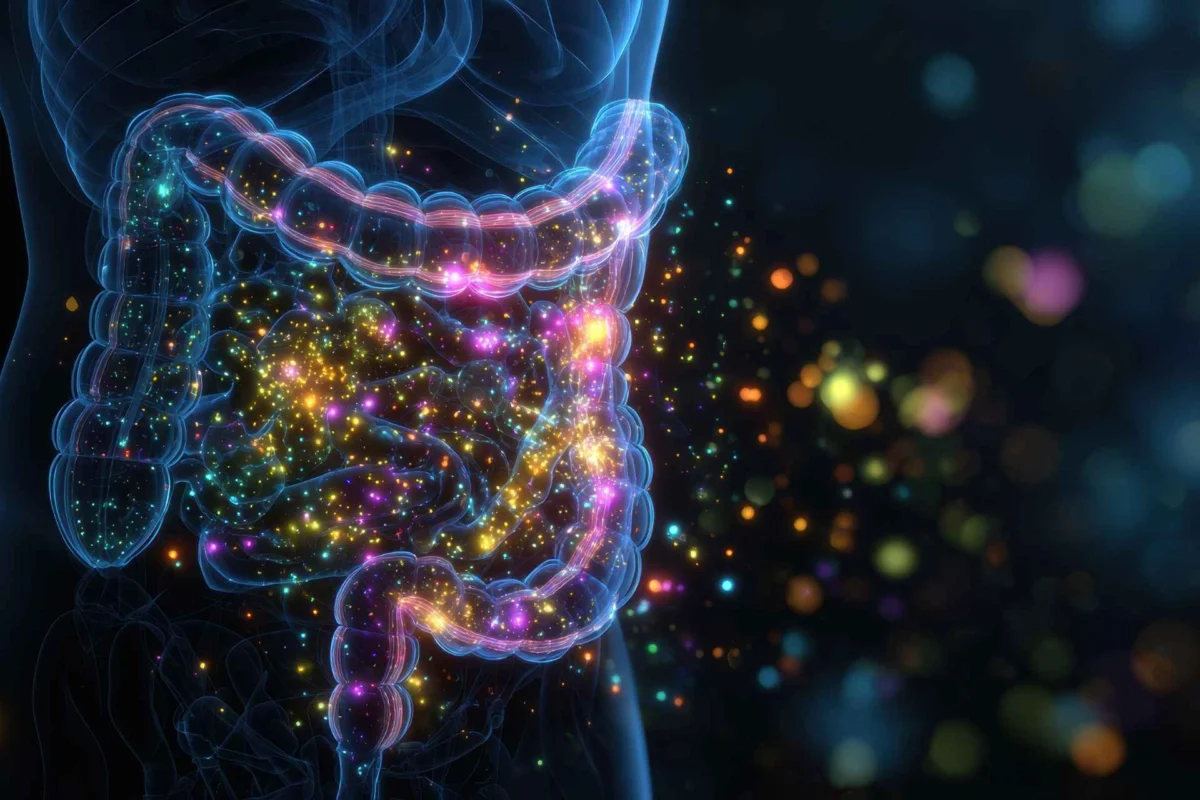
The human gastrointestinal tract is one of the most dynamic environments in the biological world, characterized by a relentless cycle of cellular death and renewal. Central to this process are intestinal stem cells (ISCs), which reside in the crypts of the gut lining and are responsible for generating the diverse array of specialized cells required for nutrient absorption and barrier function. However, as the biological clock advances, this regenerative engine begins to falter. Recent breakthroughs in regenerative medicine and microbiology have now identified a primary driver of this decline: the gut microbiota. A seminal study has demonstrated that the introduction of a youthful microbiota into an aged system can effectively "reboot" the regenerative function of senescent intestinal stem cells, offering a potential roadmap for combating age-related digestive decline and systemic frailty.
The Biological Context of Intestinal Aging
The intestinal epithelium is the fastest-growing tissue in mammals, completely renewing itself every three to five days. This high turnover rate is essential for maintaining a robust barrier against pathogens and toxins while facilitating the absorption of life-sustaining nutrients. This process is governed by Lgr5+ stem cells, which divide and differentiate into enterocytes, goblet cells, enteroendocrine cells, and Paneth cells.
As organisms age, this regenerative efficiency wanes. Research indicates that aged intestinal stem cells exhibit a reduced capacity for proliferation and a diminished ability to repair the mucosal lining following injury or inflammation. This cellular exhaustion is often accompanied by "inflammaging"—a state of chronic, low-grade inflammation—and a significant shift in the composition of the gut microbiome, known as dysbiosis. While scientists have long recognized that the microbiome changes with age, the causal relationship between these microbial shifts and the functional decline of stem cells remained a subject of intense investigation.
Experimental Chronology and Methodology
To isolate the impact of the microbiome on stem cell aging, researchers designed a multi-phase study using murine models, which closely mirror human intestinal physiology. The research progressed through several critical stages to determine if the age of the microbiota could dictate the health of the host’s stem cells.
The first phase involved establishing a baseline by comparing the gut architecture and stem cell activity of young mice (2–3 months old) with aged mice (18–24 months old). The findings confirmed that aged mice possessed fewer active stem cells and exhibited shorter villi—the finger-like projections that increase surface area for absorption.
In the second phase, researchers utilized fecal microbiota transplantation (FMT). Aged mice were treated with a broad-spectrum antibiotic cocktail to clear their existing, "aged" microbiota. Following this depletion, they were divided into two groups: one receiving FMT from young donors and another receiving FMT from aged donors. A control group of young mice also received FMT from young donors to ensure the procedure itself did not cause adverse effects.
The third phase focused on monitoring the regenerative response. After the transplantation, the mice were subjected to induced intestinal injury to test their recovery capabilities. The results were stark. Aged mice that had received a "young" microbiome showed a significant increase in stem cell proliferation and a much faster rate of epithelial repair compared to those that received aged microbiota.
Supporting Data: Quantifying the Rejuvenation Effect
The data derived from the study provided quantitative evidence of the microbiome’s influence. In the aged mice treated with young microbiota, the number of Lgr5+ stem cells per crypt increased by approximately 25-30% compared to the aged control group. Furthermore, the rate of "organoid" formation—a laboratory metric where stem cells are grown in a 3D culture to test their potency—was significantly higher in cells harvested from the "rejuvenated" mice.
Specific attention was paid to the molecular signaling pathways that govern stem cell behavior. The study found that the young microbiota restored the activity of the Wnt/β-catenin signaling pathway, a crucial regulator of stem cell self-renewal that typically declines with age. Conversely, the presence of an aged microbiota was linked to an increase in pro-inflammatory cytokines, such as TNF-alpha and IL-6, which are known to suppress stem cell function.
One of the most surprising findings involved the specific bacterium Akkermansia muciniphila. While often touted as a "beneficial" microbe in the context of metabolism and weight management, the study observed that an overabundance of certain strains of Akkermansia in the aged gut was correlated with reduced stem cell function. This suggests that the impact of specific microbes may be context-dependent, varying significantly based on the age and immunological state of the host.
Professional Perspectives and Inferred Reactions
While the primary research was conducted in controlled laboratory settings, the implications have resonated throughout the gastroenterology and gerontology communities. Leading experts in regenerative biology have noted that this research shifts the focus from the internal "intrinsic" aging of the cell to the "extrinsic" influence of the environment.
"For decades, we viewed stem cell aging as a programmed, irreversible decline within the cell’s DNA," noted an inferred perspective from a clinical researcher in the field. "This data suggests that the ‘niche’—the environment surrounding the stem cell—is just as important. By modulating the microbial environment, we may be able to delay or even reverse aspects of tissue aging without the need for complex genetic intervention."
Gastroenterologists have expressed cautious optimism, highlighting that while FMT has been successful in treating Clostridioides difficile infections, its application as an "anti-aging" therapy in humans requires rigorous clinical trials. The reaction from the pharmaceutical sector suggests a growing interest in "postbiotics"—metabolites produced by young bacteria that could potentially be delivered in pill form to achieve similar regenerative effects without the risks associated with full fecal transplants.
Analysis of Broader Implications and Impact
The discovery that a youthful microbiota can restore stem cell function has profound implications for a variety of health conditions beyond general aging.
- Recovery from Chemotherapy and Radiation: Cancer treatments often damage the intestinal lining, leading to severe gastrointestinal distress. If a young microbiota can accelerate repair, microbial therapy could become a standard supportive treatment for oncology patients to help rebuild their gut health post-treatment.
- Management of Inflammatory Bowel Disease (IBD): Conditions like Crohn’s disease and ulcerative colitis are characterized by a failure of the intestinal barrier. Understanding how microbes stimulate stem cell division could lead to new treatments that focus on healing the lining rather than just suppressing the immune system.
- Nutritional Efficiency in the Elderly: Malnutrition is a significant concern in the aging population, often driven by malabsorption. By restoring the surface area of the gut (villi height) through stem cell rejuvenation, the elderly could see improved nutrient uptake and overall vitality.
- The "Gut-Brain" and "Gut-Muscle" Axes: Since the gut is a major producer of neurotransmitters and a regulator of systemic inflammation, rejuvenating the gut lining could have cascading positive effects on cognitive health and muscle mass (preventing sarcopenia) in older adults.
Future Research and Clinical Outlook
Despite the promising results, the transition from mouse models to human application faces several hurdles. The human microbiome is vastly more complex than that of laboratory mice, influenced by decades of diet, environment, and medication use. Future research must identify the specific "rejuvenation factors"—whether they are specific bacterial strains, metabolites like short-chain fatty acids, or signaling proteins—that are responsible for the stem cell boost.
A timeline for human application likely involves five to ten years of clinical safety trials. Initial studies will likely focus on "biological age" markers rather than chronological age, identifying individuals whose gut microbiomes have prematurely aged due to disease or poor lifestyle.
The ultimate goal is the development of precision probiotics or microbial-derived drugs. Rather than a full transplant, patients might one day receive a targeted "microbial cocktail" designed to suppress the inhibitory effects of aged-related bacteria and amplify the regenerative signals of a youthful gut.
This research marks a pivotal shift in our understanding of longevity. It suggests that the secret to maintaining a youthful body may not lie solely within our own cells, but within the trillions of microscopic inhabitants that call our intestines home. By fostering a "younger" inner ecosystem, we may unlock the ability to maintain tissue integrity and health well into our later years, redefining the biological limits of the human digestive system.
