
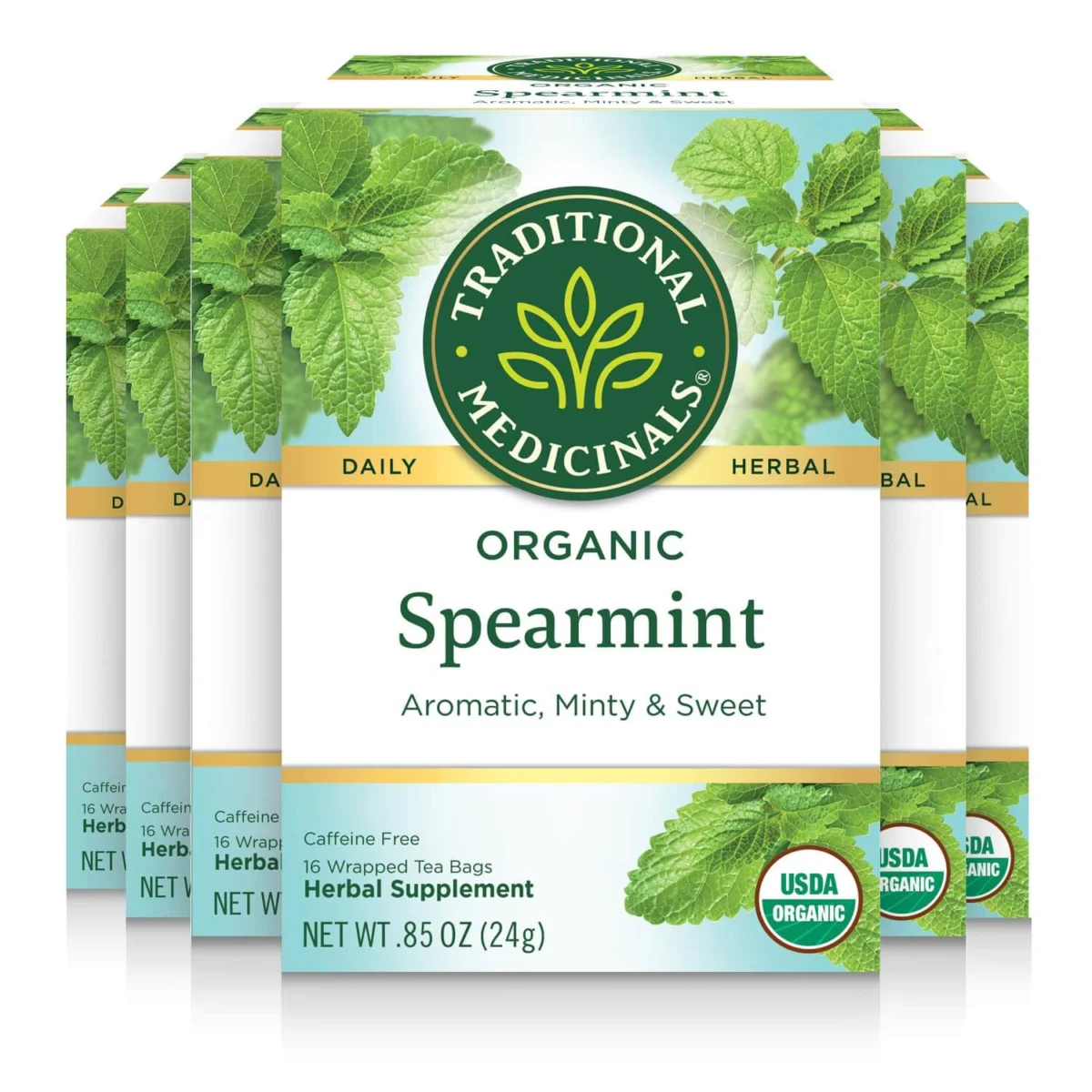
Polycystic Ovary Syndrome (PCOS), a complex endocrine disorder affecting approximately 8% to 13% of reproductive-aged women globally, remains a significant challenge for clinical management due to its diverse symptom profile, including insulin resistance, hyperandrogenism, and ovulatory dysfunction. Recent clinical evaluations and randomized controlled trials have brought renewed attention to the efficacy of spearmint tea (Mentha spicata) as a non-pharmacological intervention for mitigating the hormonal imbalances associated with the condition. By functioning as a natural anti-androgen, spearmint tea has demonstrated the potential to reduce elevated testosterone levels, thereby addressing secondary symptoms such as hirsutism, cystic acne, and androgenic alopecia.
Clinical Foundations and the Evolution of Spearmint Research
The scientific community’s interest in spearmint tea as a therapeutic agent for PCOS intensified following a landmark randomized controlled trial conducted by Paul Grant in 2009. This study sought to quantify the effects of the herbal infusion on the endocrine profiles of women diagnosed with the syndrome. Over a 30-day period, forty-two participants were divided into two cohorts: one group consumed spearmint tea twice daily, while the control group consumed a placebo herbal infusion.
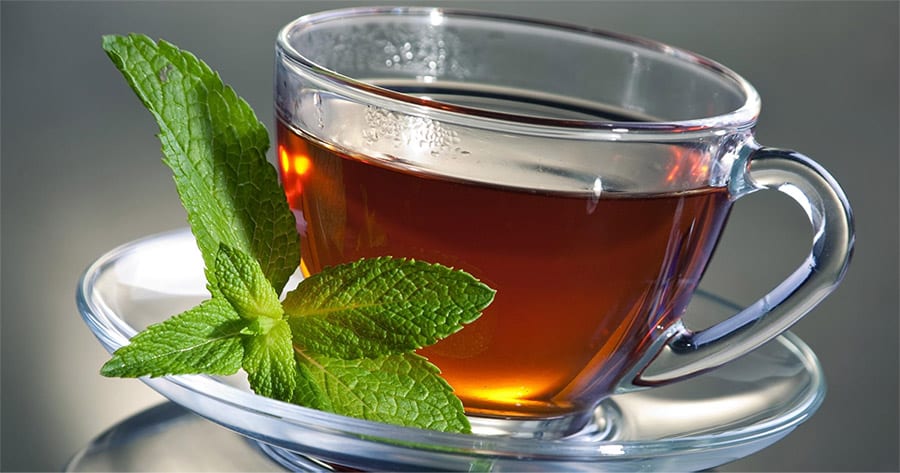
The results, published in Phytotherapy Research, revealed a statistically significant decline in both free and total testosterone levels among the spearmint tea group. Furthermore, researchers observed an increase in luteinizing hormone (LH) and follicle-stimulating hormone (FSH) levels. These findings suggested that spearmint tea could effectively modulate the hypothalamic-pituitary-ovarian axis, which is frequently disrupted in PCOS patients. While the 30-day window was insufficient to observe a clinical reduction in hair follicle density, subjective reports from participants indicated a perceived decrease in the severity of hirsutism, setting the stage for longer-term longitudinal studies.
Pathophysiology of PCOS and the Role of Anti-Androgens
To understand the impact of spearmint tea, it is necessary to examine the underlying pathophysiology of PCOS. The condition is characterized by an overproduction of androgens—often referred to as "male hormones," though present in all women—by the ovaries and adrenal glands. This excess is frequently driven by high levels of insulin, which stimulates the ovarian theca cells.
The anti-androgen properties of Mentha spicata are believed to work by inhibiting the synthesis of androgens or blocking androgen receptors. By lowering the circulating levels of testosterone, spearmint tea targets the root cause of various distressing physical symptoms. This mechanism is particularly relevant for managing hirsutism (unwanted terminal hair growth on the face, chest, and back) and inflammatory acne, which are both direct consequences of androgen excess on the pilosebaceous unit.
Comprehensive Analysis of Spearmint Tea Benefits
Mitigation of Hirsutism and Dermatological Concerns
Beyond the 2009 study, dermatological research has supported the use of spearmint for skin health. A 2015 report by the American Academy of Dermatology highlighted that the daily consumption of two cups of organic spearmint tea could reduce inflammatory acne lesions. The data indicated a 25% reduction in lesions after 30 days of use, with the efficacy increasing to a 51% reduction after 90 days. This suggests that the benefits of spearmint tea are cumulative, requiring consistent adherence to a daily regimen to achieve visible clinical outcomes.
Regulation of the Menstrual Cycle
Oligomenorrhea, or irregular menstrual cycles, is a hallmark of PCOS often caused by the presence of numerous small, immature ovarian follicles that fail to release an egg. Because spearmint tea aids in normalizing the LH to FSH ratio and reducing testosterone, it can facilitate a more favorable hormonal environment for ovulation. By reducing the androgenic interference in the follicular phase, the herbal intervention may assist in restoring more regular cyclicity to the menstrual period.
Impact on Insulin Sensitivity and Metabolic Health
While human trials specifically focusing on spearmint and insulin in PCOS are currently limited, animal models have provided compelling preliminary data. A 2017 study published in the Iranian Journal of Pharmaceutical Research examined the effects of Mentha spicata extract on diabetic rats. The findings showed significant hypoglycemic and hypocholesterolemic activities, suggesting that the herb may help lower blood sugar levels and improve lipid profiles. For women with PCOS, who face a significantly higher risk of developing Type 2 diabetes due to insulin resistance, these metabolic benefits represent a critical area for preventative care.

Cognitive Function and Oxidative Stress
PCOS is frequently associated with systemic low-grade inflammation and increased oxidative stress markers. Spearmint tea is a potent source of antioxidants, including rosmarinic acid and various flavonoids, which help neutralize free radicals. Furthermore, research into the cognitive effects of spearmint extract—such as the 2018 study on age-associated memory impairment—found that daily intake improved working memory and mental focus by 15%. This has significant implications for PCOS patients who report "brain fog" and chronic fatigue as part of their symptom cluster.
Timeline of Therapeutic Efficacy
The transition from biochemical changes to visible symptomatic relief follows a specific chronology. Clinical observation suggests the following timeline for patients incorporating spearmint tea into their daily routine:
- Weeks 1-4: Initial stabilization of hormonal fluctuations. Minor improvements in skin oiliness and inflammatory acne may begin to manifest.
- Months 2-3: Significant reduction in circulating testosterone. A measurable decrease in the appearance of new cystic acne lesions and a potential slowing of the rate of terminal hair growth.
- Months 6 and Beyond: Maximum therapeutic effect for hirsutism. Reduction in the thickness and pigment of unwanted hair, as the hair growth cycle (which lasts several months) is influenced by the sustained lower androgen environment.
Professional Guidelines for Preparation and Consumption
Medical professionals and herbalists emphasize that the method of preparation is vital to preserving the volatile oils and active compounds within the spearmint leaves. The standard recommendation involves:

- Dosage: Two cups (approximately 12 ounces each) per day.
- Concentration: 1 gram of dried spearmint leaves (or one high-quality tea bag) per serving.
- Steeping Time: A minimum of 10 to 12 minutes in boiling water to ensure the extraction of anti-androgenic polyphenols.
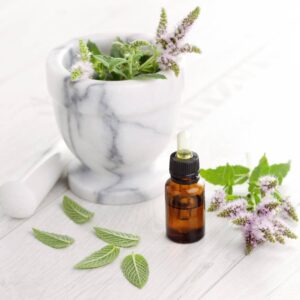
- Form: While spearmint essential oils exist, they are highly concentrated and generally not recommended for internal consumption without direct medical supervision. The aqueous infusion (tea) remains the safest and most researched medium for PCOS management.
Safety Protocols and Contraindications
Despite its status as a natural herb, spearmint tea is not without potential side effects. The primary concern is gastroesophageal reflux disease (GERD). Like other members of the mint family, spearmint can relax the lower esophageal sphincter, potentially exacerbating acid reflux or heartburn.
Furthermore, because spearmint tea significantly impacts hormone levels, its use is generally discouraged during pregnancy and breastfeeding, as the safety profile for fetal development has not been established. Patients with liver or kidney disorders are advised to consult with a physician, as excessive consumption of any herbal concentrated extract can place additional strain on these organs.
Broader Implications for Integrative Medicine
The integration of spearmint tea into PCOS treatment protocols represents a broader shift toward integrative medicine, which combines conventional pharmacological treatments with evidence-based natural therapies. For many women, the side effects of standard PCOS medications—such as the gastrointestinal distress associated with Metformin or the mood fluctuations associated with hormonal contraceptives—lead them to seek alternative or adjunctive options.
The economic and accessibility factors also cannot be overlooked. Spearmint tea provides a low-cost, widely available intervention that empowers patients to take an active role in their hormonal health. However, healthcare providers stress that spearmint tea should be viewed as one component of a holistic approach that includes dietary modifications (such as a low-glycemic index diet), regular physical activity, and stress management.
Conclusion and Future Research Directions
Current evidence strongly supports spearmint tea as a viable natural aid for managing the hyperandrogenic symptoms of PCOS. While it is not a "cure," its ability to lower testosterone and improve markers of oxidative stress offers a significant quality-of-life improvement for those suffering from the condition.
The medical community continues to call for larger, long-term human clinical trials to further define the relationship between spearmint consumption and long-term metabolic outcomes, such as cardiovascular health and fertility rates. As the body of research grows, spearmint tea is likely to become a standardized recommendation in the non-pharmacological management of endocrine disorders. For now, the consensus remains that for women seeking a natural method to regulate androgens, two cups of spearmint tea daily provides a scientifically backed starting point for hormonal balance.
