
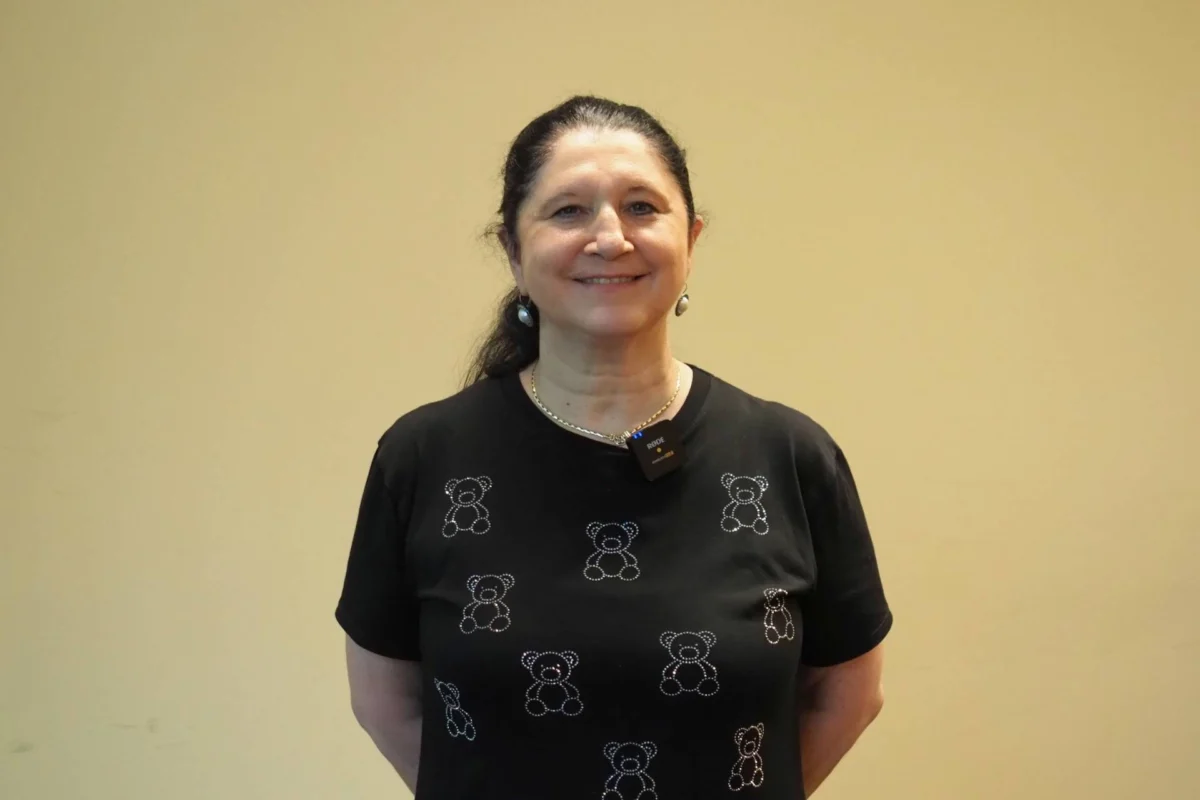
The 13th Probiotics, Prebiotics and New Foods Congress recently convened in Rome, serving as a global nexus for scientists, clinicians, and industry leaders to discuss the rapidly evolving landscape of microbial research. Among the central themes of the summit was the critical role of translational research in moving microbiome science from a purely observational discipline to a functional component of modern clinical medicine. In an exclusive interview conducted by Microbiomepost.com during the event, Lorenza Putignani, a prominent researcher from the Bambino Gesù Pediatric Hospital in Italy, outlined the essential pathways required to bridge the gap between laboratory discovery and patient-side application.
The congress, which has historically functioned as a primary forum for the Mediterranean and international scientific communities, focused heavily on the "Next Generation" of microbial interventions. Professor Putignani emphasized that the field has reached a crossroads: while the last decade was defined by cataloging the vast diversity of the human microbiota, the coming decade must focus on standardization, functional analysis, and the development of robust diagnostic pipelines that can inform precision therapeutic strategies.
The Evolution of Microbiome Research: From Description to Function
For much of the early 21st century, microbiome research was primarily descriptive. High-throughput sequencing allowed scientists to identify "who" was present in the human gut, leading to the identification of thousands of previously unknown bacterial species. However, as Professor Putignani noted during the congress, identifying the presence of a microbe is no longer sufficient for clinical utility. Translational research is now pivoting toward understanding the "functional" output of these communities—essentially moving from "who is there" to "what are they doing."
This shift necessitates the integration of multi-omics platforms. While Next-Generation Sequencing (NGS) remains the gold standard for defining the ecological composition of microbial communities, it provides only a partial picture. To achieve a comprehensive understanding, researchers are increasingly employing mass spectrometry-based approaches. These tools enable the study of metabolomics (the small molecules produced by microbes) and metaproteomics (the proteins expressed by the microbial community). By layering these datasets, clinicians can identify specific metabolic pathways that contribute to health or disease, providing a much clearer target for therapeutic intervention.
The Critical Role of Standardization in Omics Platforms
One of the most significant hurdles identified by Putignani is the lack of universal standardization across laboratory procedures. In the current landscape, results can vary significantly depending on the DNA extraction method used, the sequencing platform selected, or the bioinformatic pipeline employed to analyze the data. For microbiome science to transition into a reliable diagnostic tool, these variables must be controlled.
Translational research acts as the engine for this standardization. By developing unified protocols for sample collection, storage, and analysis, the scientific community can ensure that data generated in a lab in Rome is comparable to data generated in New York or Tokyo. This "metrological" approach to the microbiome is essential for the creation of reference ranges—similar to how blood glucose or cholesterol levels are measured—that can be used by physicians to assess a patient’s microbial health.
Chronology of Progress: A Decade of Microbial Discovery
The 13th Probiotics, Prebiotics and New Foods Congress reflects a timeline of rapid acceleration in the field. To understand the context of Putignani’s insights, one must look at the trajectory of the last fifteen years:
- 2008–2013: The Human Microbiome Project (HMP) and MetaHIT established the first comprehensive maps of the human microbiota, focusing largely on healthy adults.
- 2014–2018: Research expanded into "dysbiosis," linking microbial imbalances to conditions such as Irritable Bowel Syndrome (IBS), obesity, and metabolic syndrome.
- 2019–2022: The emergence of "Next-Generation Probiotics" (NGPs) like Akkermansia muciniphila and the first FDA approvals for Fecal Microbiota Transplantation (FMT) products signaled the beginning of the clinical era.
- 2023–Present: The focus has shifted toward precision medicine, where interventions are tailored to an individual’s specific microbial profile, supported by the multi-omics integration discussed by Putignani.
Supporting Data: The Growing Economic and Clinical Footprint
The urgency for translational research is also driven by the sheer scale of the microbiome market and the increasing burden of chronic diseases linked to microbial health. According to recent market analysis data, the global human microbiome market was valued at approximately $600 million in 2021 and is projected to exceed $1.7 billion by 2029, growing at a CAGR of nearly 20%.
Furthermore, clinical trial data underscores the potential of these interventions. As of late 2023, there are over 1,000 active clinical trials worldwide involving the microbiome, ranging from the use of probiotics in neonatal intensive care units to the impact of FMT on melanoma patients undergoing checkpoint inhibitor therapy. The integration of metabolomics, as highlighted by Putignani, has already shown success in identifying biomarkers for early-onset colorectal cancer and pediatric inflammatory bowel disease (IBD).
Expanding the Scope: Beyond the Gut Microbiome
While the gastrointestinal tract has been the primary focus of research for decades, the 13th Congress highlighted the need to expand standardized approaches to other microbial niches. Professor Putignani specifically pointed toward the respiratory tract and the skin as the next frontiers for translational science.
The respiratory microbiome, for instance, plays a crucial role in chronic conditions such as asthma and cystic fibrosis. Similarly, the skin microbiome is being investigated for its role in wound healing and atopic dermatitis. By applying the same rigorous standardization and multi-omics integration used in gut research to these other niches, scientists hope to develop a holistic map of the "human supra-organism." This expanded view is vital for pediatric medicine, where the early-life colonization of these niches can dictate long-term immunological health.
Official Responses and Institutional Implications
The perspectives shared by Putignani resonate with the broader institutional shift seen in healthcare organizations like the Bambino Gesù Pediatric Hospital. As one of Europe’s leading pediatric research centers, Bambino Gesù has been at the forefront of implementing "precision nutrition" and microbial diagnostics for complex pediatric cases.
The consensus among experts at the Congress was that the "bench-to-bedside" model requires a multidisciplinary approach. This involves not only microbiologists and bioinformaticians but also clinicians, dietitians, and regulatory bodies. The goal is to move away from "over-the-counter" generic probiotics toward "prescription-grade" microbial therapeutics that are backed by rigorous clinical evidence and standardized manufacturing processes.
Precision Medicine: The Integration of FMT and Probiotics
The interview also touched upon the future of therapeutic strategies, including Fecal Microbiota Transplantation (FMT) and targeted nutritional modifications. FMT, once considered a fringe treatment, has now become a standard of care for recurrent Clostridioides difficile infections. However, its application in other diseases—such as ulcerative colitis or autism spectrum disorder—remains experimental.
Putignani suggested that translational research will allow for a more "refined" version of FMT. Instead of transferring a whole community of unknown microbes, future therapies might involve "synthetic consortia"—carefully curated cocktails of laboratory-grown bacteria designed to perform specific metabolic functions. This would mitigate the risks associated with donor-derived pathogens and allow for more predictable clinical outcomes.
Broader Impact and Future Implications
The implications of standardized, translational microbiome research extend far beyond the laboratory. If successful, this movement will revolutionize preventive medicine. Imagine a future where a routine check-up includes a microbial screen that can predict the risk of developing metabolic or autoimmune diseases years before symptoms appear.
Moreover, the integration of microbiome data into Electronic Health Records (EHRs) could allow for truly personalized pharmacology. It is well-documented that certain gut bacteria can activate or inactivate specific drugs, including those used for heart disease and cancer. By understanding a patient’s microbial "metabolic fingerprint," doctors can adjust dosages or choose alternative medications to maximize efficacy and minimize toxicity.
As the 13th Probiotics, Prebiotics and New Foods Congress concluded, the message was clear: the descriptive phase of microbiome science has laid a solid foundation, but the future belongs to translation. Through the rigorous standardization of omics platforms and the integration of functional data, the scientific community is moving closer to a new era of precision medicine—one where the smallest inhabitants of our bodies are the key to our greatest health advancements.
Conclusion
The insights provided by Lorenza Putignani underscore a pivotal moment in medical history. The transition from viewing the microbiome as a static collection of organisms to a dynamic, functional organ system requires a fundamental shift in research methodology. By prioritizing translational science, researchers are not just observing the microbial world; they are learning to communicate with it, decode its signals, and harness its power to treat and prevent human disease. The roadmap established at the Rome congress provides a clear directive for the global scientific community: standardize, integrate, and translate. Only then can the full potential of the human microbiome be realized in the clinical setting.
