
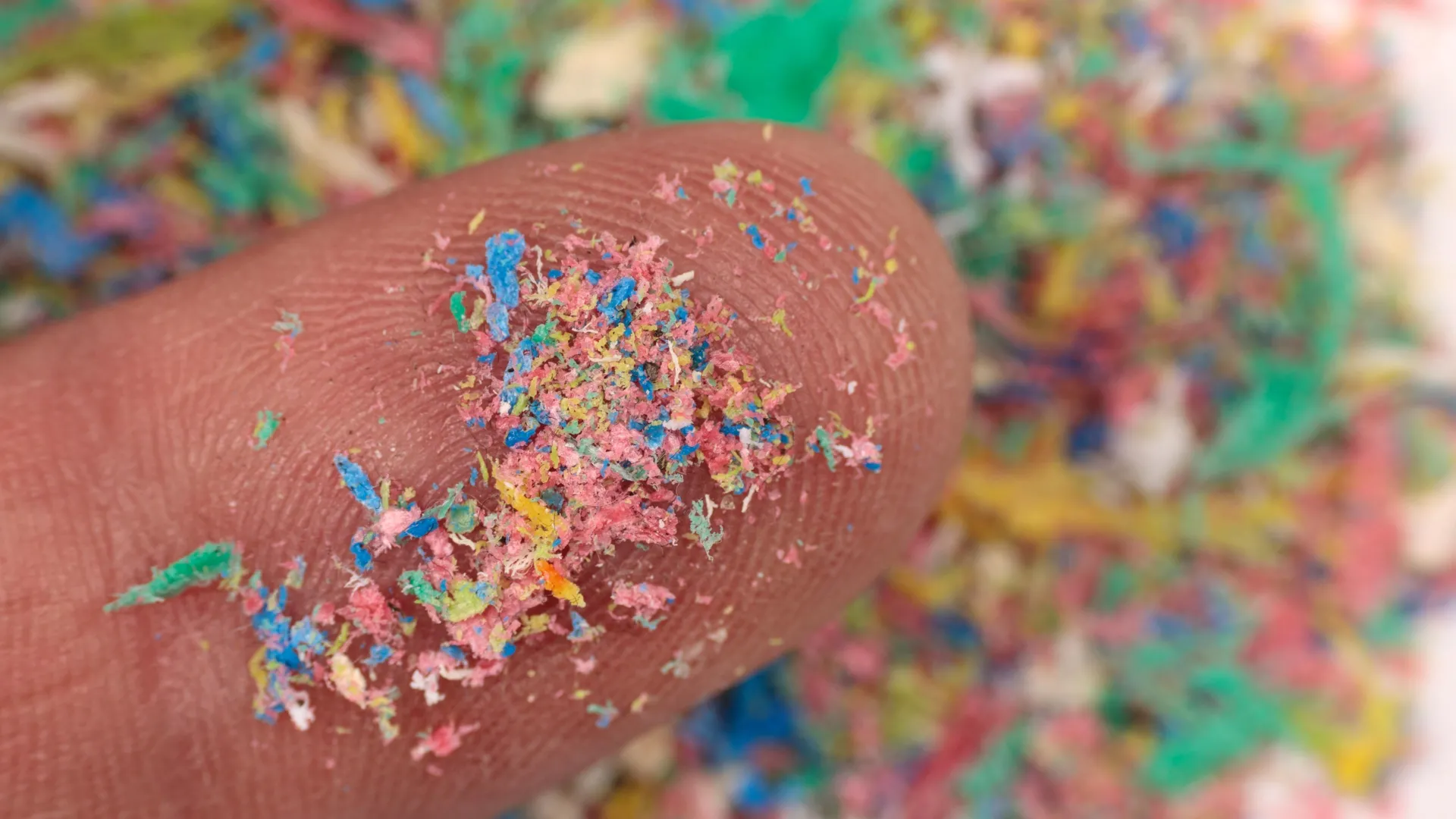
Tiny plastic fragments, pervasive in our environment, are now under intense scrutiny for their potential role in the development and exacerbation of devastating neurodegenerative conditions like Alzheimer’s and Parkinson’s disease. A significant new study, published in the esteemed journal Molecular and Cellular Biochemistry, has meticulously outlined five distinct biological mechanisms through which these microscopic particles may trigger inflammation and inflict damage upon the delicate architecture of the human brain. This research, a testament to international scientific collaboration, raises profound public health concerns as the global burden of dementia continues to climb.
The Pervasive Threat of Microplastics
The scale of microplastic contamination is staggering. Associate Professor Kamal Dua, a pharmaceutical scientist at the University of Technology Sydney (UTS), estimates that the average adult inadvertently consumes approximately 250 grams of microplastics annually – a quantity comparable to the weight of a dinner plate. This ubiquitous ingestion stems from a vast array of daily exposures, encompassing everything from the seafood we consume and the salt on our tables, to processed foods, tea bags, plastic cutting boards, beverages stored in plastic bottles, and even produce cultivated in contaminated soil. Furthermore, microplastic fibers shed from carpets, household dust, and synthetic clothing contribute to our constant internal exposure.
Commonly encountered plastics include polyethylene, polypropylene, polystyrene, and polyethylene terephthalate (PET). While the human body possesses mechanisms to clear a majority of these ingested particles, a growing body of evidence indicates their insidious accumulation in vital organs, including the brain itself. This accumulation is particularly alarming given the brain’s limited capacity for self-repair and its critical role in maintaining cognitive function and motor control.
Unveiling the Pathways of Brain Damage
The groundbreaking systematic review, a collaborative effort spearheaded by scientists from the University of Technology Sydney and Auburn University in the United States, meticulously identified five critical biological pathways through which microplastics can exert their harmful influence on the brain. These pathways represent a complex cascade of cellular events that ultimately compromise neuronal health and function.
1. Activation of Immune Cells and Neuroinflammation
One of the primary mechanisms identified involves the activation of the brain’s own immune cells, the microglia. When microplastics enter the brain, they are perceived as foreign invaders. This triggers an inflammatory response, with microglia becoming activated to engulf and neutralize these perceived threats. However, this constant state of activation can lead to chronic neuroinflammation, a well-established contributor to neurodegenerative processes. Persistent inflammation can damage neurons, disrupt synaptic function, and impair the brain’s ability to clear toxic protein aggregates.
2. The Compromised Blood-Brain Barrier
Associate Professor Dua elaborated on the critical role of the blood-brain barrier (BBB), a highly selective semipermeable border of endothelial cells that prevents solutes in the circulating blood from non-selectively crossing into the extracellular fluid of the central nervous system. Microplastics have been shown to weaken this vital protective shield, rendering it "leaky." This breach allows not only immune cells but also inflammatory molecules and potentially other harmful substances to enter the brain parenchyma. The resulting influx further exacerbates inflammation and initiates a vicious cycle of damage to the BBB’s cellular integrity, creating a gateway for escalating neurological insult.
3. Oxidative Stress: The Cellular Assault
Microplastics are potent inducers of oxidative stress, a cellular imbalance characterized by an overproduction of reactive oxygen species (ROS). These unstable molecules can wreak havoc on cellular components, including DNA, proteins, and lipids, leading to widespread cellular dysfunction and death. The study highlights two principal ways microplastics drive this damaging process. Firstly, they directly increase the generation of ROS. Secondly, and perhaps more alarmingly, they appear to simultaneously suppress the body’s natural antioxidant defense mechanisms. This dual assault leaves cells vulnerable and overwhelmed by oxidative damage, a key pathological hallmark observed in both Alzheimer’s and Parkinson’s disease.
4. Mitochondrial Dysfunction: Depriving Cells of Energy
Mitochondria, often referred to as the "powerhouses" of the cell, are essential for generating the energy required for all cellular processes. The research indicates that microplastics interfere with the efficiency of mitochondrial energy production, leading to a reduction in Adenosine Triphosphate (ATP) – the primary energy currency of the cell. This energy deficit significantly weakens neuronal activity, impairs vital cellular functions, and can ultimately lead to the demise of brain cells. This disruption of cellular energy metabolism is a critical factor in the progressive neuronal loss characteristic of neurodegenerative diseases.
5. Direct Neuronal Damage and Protein Aggregation
Beyond these broad cellular mechanisms, the study suggests that microplastics may directly contribute to the pathological hallmarks of specific neurodegenerative diseases. In Alzheimer’s disease, for instance, microplastics could potentially promote the abnormal buildup of beta-amyloid plaques and tau tangles, the characteristic protein aggregates associated with this condition. For Parkinson’s disease, they might encourage the aggregation of alpha-synuclein proteins and directly damage dopaminergic neurons, the specific cell type critically affected in this disorder.
A Collaborative Endeavor for Deeper Understanding
The current findings are the culmination of a rigorous systematic review, underscoring the international scientific community’s commitment to understanding the intricate relationship between environmental pollutants and human health. The research was led by an international team including first author Alexander Chi Wang Siu, a Master of Pharmacy student at UTS, working under the guidance of Professor Murali Dhanasekaran at Auburn University. He collaborated closely with Associate Professor Dua, Dr. Keshav Raj Paudel, and Distinguished Professor Brian Oliver, all from UTS, to meticulously analyze existing research and synthesize these critical insights.
This work builds upon previous research from UTS that has already investigated the pathways of microplastic inhalation and their deposition in the lungs. Dr. Paudel, a visiting scholar at the UTS Faculty of Engineering, is also actively engaged in studying the impact of inhaled microplastics on respiratory health, further highlighting the multi-organ threat posed by these pervasive particles.
The Growing Concern Over Dementia
The implications of this study are particularly stark when considered against the backdrop of the escalating dementia epidemic. Currently, over 57 million people worldwide are living with dementia, a figure projected to rise dramatically in the coming decades due to an aging global population and other contributing factors. Alzheimer’s disease and Parkinson’s disease, two of the most prevalent forms of neurodegeneration, account for a significant portion of these diagnoses. The prospect that microplastics could not only exacerbate these existing conditions but potentially accelerate their progression represents a significant and urgent public health challenge.
Towards Reducing Exposure: A Call to Action
While the current evidence strongly suggests a potential link between microplastics and the worsening of neurodegenerative conditions, the researchers emphasize that further direct causal studies are imperative to solidify these associations. Nevertheless, the findings serve as a powerful impetus for immediate action to mitigate exposure. Dr. Paudel underscored the need for a fundamental shift in our daily habits. "We need to change our habits and use less plastic," he urged. "Steer clear of plastic containers and plastic cutting boards, don’t use the dryer, choose natural fibers instead of synthetic ones and eat less processed and packaged foods."
These recommendations, though seemingly small, represent a collective opportunity to reduce the environmental burden of plastic and, by extension, our individual exposure. The researchers are hopeful that their findings will provide a robust scientific foundation for informing environmental policies. Such policies could focus on reducing plastic production at its source, enhancing waste management infrastructure to prevent further environmental contamination, and ultimately, lowering the long-term health risks associated with this pervasive and insidious pollutant. The scientific community now faces the critical task of translating these laboratory findings into tangible public health interventions and sustainable environmental practices.
