
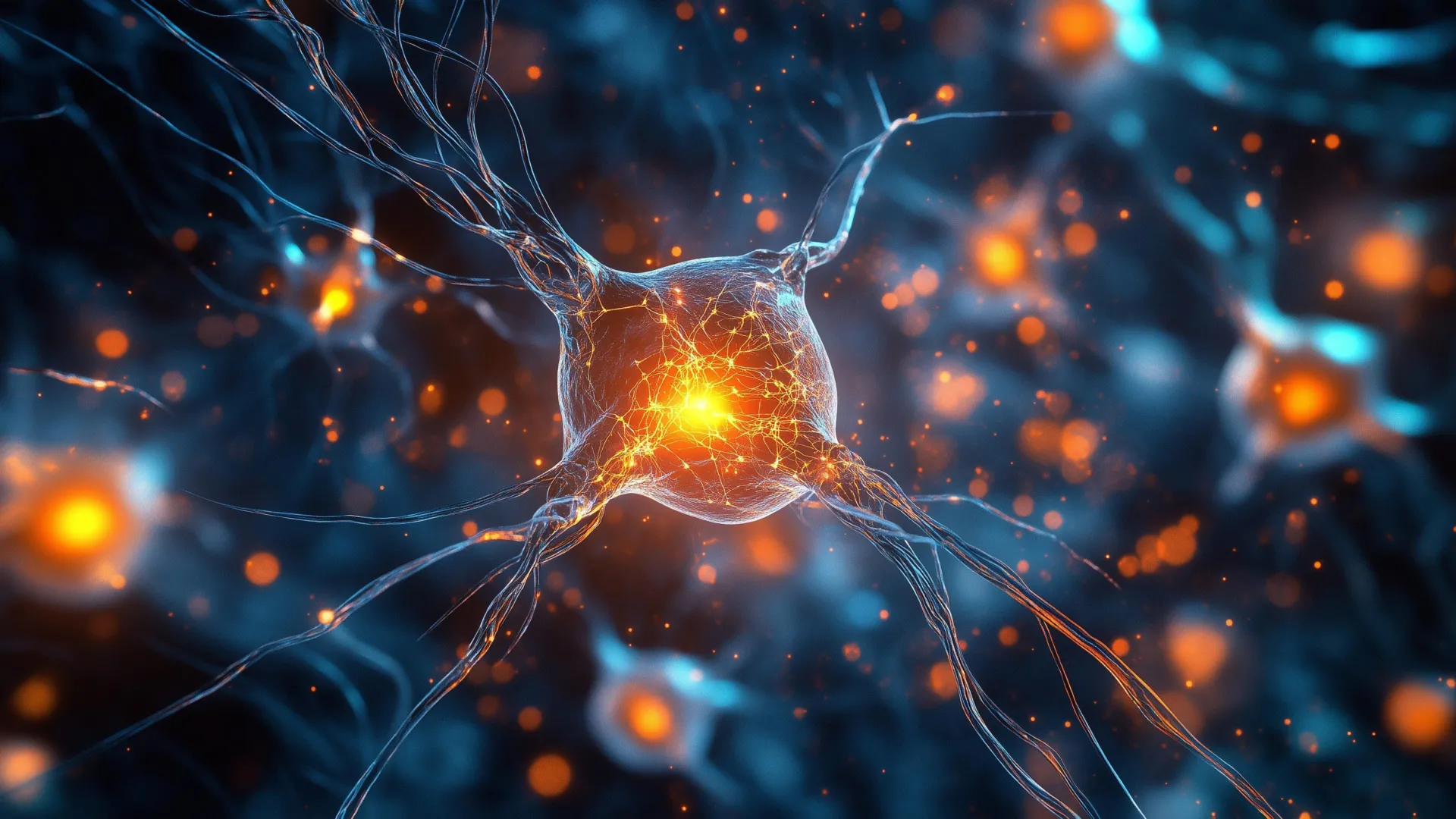
Parkinson’s disease, a relentless and progressive neurological disorder, affects millions worldwide, casting a long shadow over their lives. In the United States alone, over one million individuals are currently grappling with this condition, with approximately 90,000 new diagnoses occurring annually. While existing medications and therapies offer some respite by alleviating symptoms, they fall short of halting or reversing the disease’s insidious progression. The underlying pathology of Parkinson’s is intrinsically linked to a critical decline in dopamine levels within the brain. Dopamine, a vital neurotransmitter, orchestrates a symphony of essential functions, from the precise control of voluntary movement to the nuances of memory formation and mood regulation. As the specialized brain cells responsible for dopamine production dwindle, the brain’s capacity to regulate movement is severely compromised. This neurodegenerative cascade manifests in the hallmark symptoms of Parkinson’s, including debilitating tremors, profound muscle stiffness, and a noticeable slowing of motor functions, profoundly impacting a patient’s quality of life and independence.
Pioneering a Direct Approach: Stem Cell Therapy Targets Dopamine Depletion
In a significant stride towards a more curative approach, researchers at Keck Medicine of USC are at the forefront of an innovative clinical trial, exploring a novel therapeutic strategy designed to directly confront the root cause of Parkinson’s: dopamine loss. This early-phase investigation, officially designated as NCT06687837 on clinicaltrials.gov, involves the surgical implantation of specially engineered stem cells into the brains of patients. These meticulously crafted cells are engineered with the specific purpose of replacing the damaged dopamine-producing neurons and, crucially, to resume the vital task of generating dopamine.
"The fundamental hypothesis is that if we can successfully re-establish the brain’s ability to produce normal levels of dopamine, we can potentially slow the progression of Parkinson’s disease and, in turn, restore lost motor function," stated Dr. Brian Lee, MD, PhD, a distinguished neurosurgeon at Keck Medicine and the principal investigator overseeing this groundbreaking study. This optimistic outlook underscores the transformative potential of this research, offering a glimmer of hope for a condition that has long been managed rather than cured.
The Science Behind the Hope: Induced Pluripotent Stem Cells (iPSCs)
At the heart of this experimental therapy lies a sophisticated type of laboratory-created stem cell known as induced pluripotent stem cells (iPSCs). This technology represents a significant advancement over earlier stem cell research. Unlike embryonic stem cells, which have historically been a subject of ethical debate and logistical challenges, iPSCs are derived from adult cells – such as readily available skin or blood cells. Through a complex process of cellular reprogramming, these adult cells are reverted to a versatile, pluripotent state, meaning they possess the remarkable ability to differentiate into virtually any cell type in the body.
"Our rationale for selecting iPSCs is rooted in their remarkable plasticity and our confidence in their capacity to reliably mature into dopamine-producing brain cells," explained Dr. Xenos Mason, MD, a neurologist specializing in Parkinson’s disease and other movement disorders at Keck Medicine, who serves as a co-principal investigator for the trial. "We believe these cells offer the most promising avenue for effectively jump-starting the brain’s depleted dopamine production mechanism." The ability to generate these therapeutic cells from a patient’s own adult cells also holds the potential to mitigate the risk of immune rejection, a common complication in cell-based therapies.
The Surgical Pathway: Precision Implantation and Rigorous Monitoring
The delivery of these life-altering stem cells is a meticulously planned surgical procedure. Dr. Lee, employing advanced neurosurgical techniques, creates a small, precise opening in the patient’s skull to gain access to the brain. Utilizing the sophisticated guidance of magnetic resonance imaging (MRI), the stem cells are carefully and strategically placed within the basal ganglia. This specific region of the brain is critically involved in the complex neural circuitry that governs voluntary movement, making it the ideal target for restoring motor control.
Following the surgical implantation, participants in the trial undergo an intensive period of observation. This monitoring phase, typically lasting between 12 to 15 months, is crucial for meticulously tracking any changes in the patients’ Parkinson’s symptoms. Equally important is the vigilant watch for potential adverse side effects. Researchers are particularly attuned to the emergence of dyskinesia, characterized by involuntary, excessive movements, which can sometimes arise as a consequence of altered dopamine signaling, and the risk of infection. The commitment to patient well-being extends beyond this initial period, with plans to continue following patients and monitoring their long-term health and the sustained efficacy of the therapy for up to five years.
"Our overarching objective is to not only refine this pioneering technique but to ultimately offer a therapeutic solution that can fundamentally repair motor function and significantly enhance the quality of life for individuals living with Parkinson’s disease," Dr. Lee emphasized. This long-term perspective reflects the serious nature of the disease and the dedication of the research team to achieving lasting positive outcomes.
A Collaborative Effort: Expanding Access and Accelerating Progress
Keck Medicine of USC is one of three esteemed medical institutions across the United States participating in this vital multisite clinical trial. This collaborative approach is essential for gathering a diverse range of patient data and accelerating the pace of research. The trial currently involves 12 participants, all of whom have been diagnosed with moderate to moderate-severe Parkinson’s disease. This specific patient population was selected to assess the therapy’s potential impact in individuals where neurodegeneration has progressed to a point where current treatments are less effective.
The stem cell therapy itself, identified by the designation RNDP-001, is the product of Kenai Therapeutics, a dedicated biotechnology company committed to the development of innovative treatments for neurological disorders. The significance of this research has been further underscored by the U.S. Food & Drug Administration (FDA), which has granted the clinical trial, officially named Phase 1 REPLACE, fast-track designation. This expedited review process is a testament to the FDA’s recognition of the urgent need for novel Parkinson’s therapies and aims to significantly speed up the development and regulatory review timelines for promising treatments.
Broader Implications and Future Outlook
The implications of a successful stem cell therapy for Parkinson’s disease are profound and far-reaching. Beyond the immediate benefit to patients, this research could pave the way for similar regenerative approaches for other neurodegenerative conditions characterized by neurotransmitter loss, such as Huntington’s disease or certain forms of dementia. The successful reprogramming of adult cells into specific neuronal types also opens up new avenues for disease modeling and drug discovery.
Historically, Parkinson’s disease research has been a long and arduous journey. Early treatments focused primarily on symptom management, often involving medications like Levodopa, which aims to replenish dopamine levels. While effective for a time, Levodopa’s efficacy can diminish over years, and it can also lead to motor complications like dyskinesias. Deep brain stimulation (DBS) emerged as another significant advancement, offering improved motor control for select patients, but it is an invasive procedure and does not halt disease progression. The current stem cell trial represents a potential paradigm shift, moving from symptom management and electrical stimulation to biological repair.
The timeline of Parkinson’s research has been marked by incremental progress, with each discovery building upon the last. The identification of dopamine’s role in the disease in the mid-20th century was a pivotal moment. The development of Levodopa in the 1960s revolutionized treatment. The advent of DBS in the 1990s offered a new surgical option. Now, in the early 21st century, stem cell technology stands as a beacon of hope for a truly regenerative approach.
The multisite nature of the trial is crucial for robust scientific validation. By pooling data from different research centers, scientists can gain a more comprehensive understanding of the therapy’s effectiveness and safety profile across a broader patient demographic. This collaborative spirit is characteristic of modern medical research, where complex challenges are best tackled through shared expertise and resources.
While the initial results are still being gathered and analyzed, the scientific community is watching this trial with keen interest. The possibility of not just managing Parkinson’s, but actively reversing some of its effects, would represent one of the most significant breakthroughs in neurology in decades. The journey from laboratory innovation to widespread clinical application is often long and complex, involving multiple phases of clinical trials and stringent regulatory approvals. However, the fast-track designation for the REPLACE trial signals a shared urgency and optimism surrounding this pioneering work.
The disclosure regarding Dr. Mason’s past honorarium payment from Kenai Therapeutics, while a standard disclosure in scientific reporting, highlights the important need for transparency in research funded by pharmaceutical and biotechnology companies. Such disclosures ensure that the public and the scientific community can evaluate potential conflicts of interest.
In conclusion, the stem cell therapy being investigated at Keck Medicine of USC and its partner institutions represents a bold and promising new frontier in the fight against Parkinson’s disease. By directly addressing the fundamental dopamine deficiency, this innovative approach holds the potential to not only alleviate debilitating symptoms but to fundamentally alter the course of the disease, offering renewed hope and improved lives for millions affected by this chronic neurological condition. The ongoing research and rigorous monitoring are critical steps in translating this scientific promise into tangible clinical reality.
