
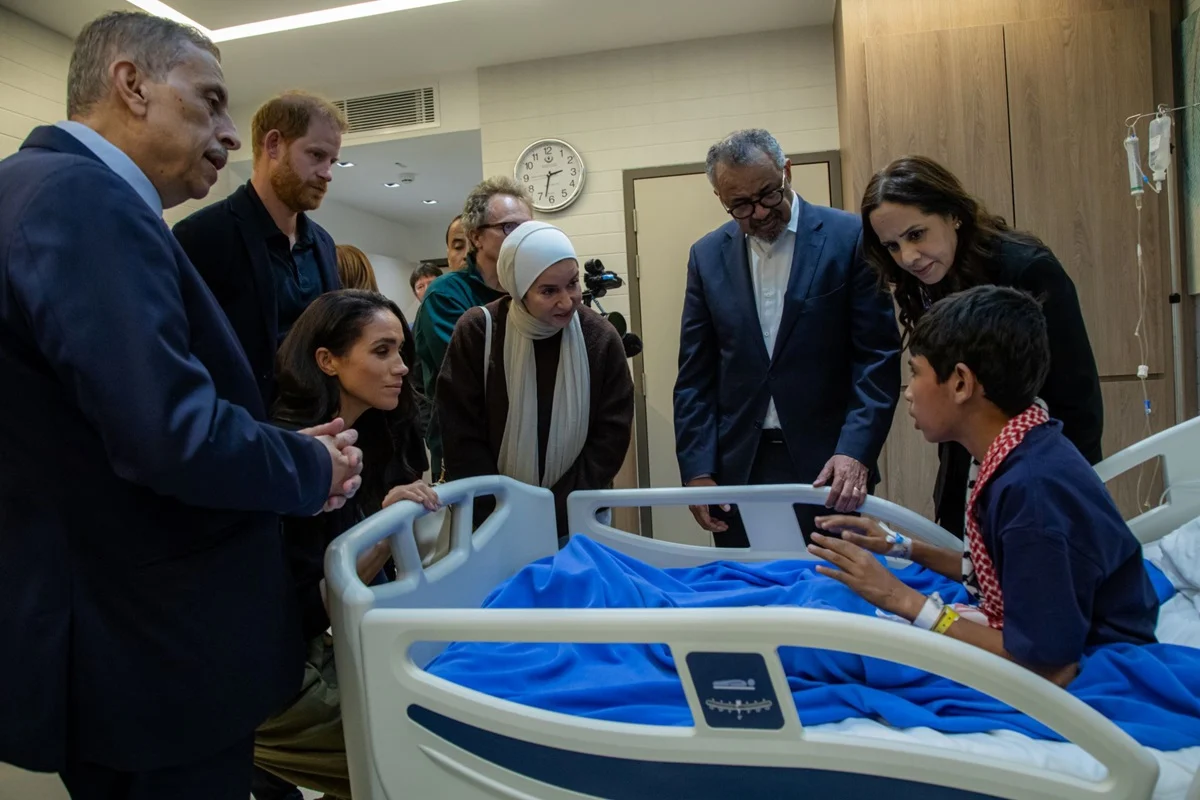
The Director-General of the World Health Organization (WHO), Dr Tedros Adhanom Ghebreyesus, has completed the first stage of a high-profile, two-day State visit to the Hashemite Kingdom of Jordan, a mission aimed at reinforcing the strategic partnership between the global health body and one of the Middle East’s most pivotal humanitarian hubs. Throughout a series of high-level diplomatic meetings and site visits, Dr Tedros focused on the critical intersection of universal health coverage (UHC), the integration of mental health services into primary care, and Jordan’s sustained leadership in managing regional humanitarian crises. The visit comes at a time of heightened regional instability, underscoring Jordan’s role as a "sanctuary of health" for millions of displaced persons and a vital corridor for medical aid into conflict zones.
Diplomatic Engagement at the Highest Level
A cornerstone of the visit was a formal audience with His Majesty King Abdullah II. The meeting served as a powerful testament to the long-standing collaboration between the WHO and the Hashemite Kingdom. During the discussions, King Abdullah II and Dr Tedros explored the mechanisms required to further strengthen national health systems and ensure that health remains a central pillar of Jordan’s national development agenda.
The dialogue emphasized the necessity of sustaining international support for Jordan’s healthcare infrastructure, which has been under significant pressure due to the ongoing influx of refugees and the spillover effects of regional conflicts. Dr Tedros specifically lauded the King’s personal commitment to advancing universal health coverage, noting that Jordan’s proactive approach serves as a model for other middle-income nations. The leaders also touched upon the "Medical Corridor" initiative, a Jordanian-led effort that has become a lifeline for Palestinian patients, particularly children from the Gaza Strip who require specialized medical interventions that are currently unavailable in the besieged enclave.
Jordan as a Global Humanitarian Anchor
Jordan’s role in hosting more than three million refugees—primarily from Syria and the Palestinian territories—was a recurring theme throughout the first day of the visit. Dr Tedros expressed profound gratitude to the Jordanian people for their "solidarity and generosity," noting that providing comprehensive health services to such a massive displaced population is a feat of humanitarian logistics and political will.
According to data from the United Nations High Commissioner for Refugees (UNHCR), Jordan hosts the second-highest number of refugees per capita globally. This demographic reality places an immense burden on the Ministry of Health. Dr Tedros’s visit served to highlight that Jordan’s health challenges are not merely domestic but are inextricably linked to global stability. He argued that the international community has a moral and functional obligation to ensure that Jordan’s health system remains resilient, as its collapse would have catastrophic implications for the entire region.
The Medical Corridor and Pediatric Care for Gaza
In a poignant segment of the day’s itinerary, Dr Tedros visited a WHO-supported hospital that currently houses children evacuated from the Gaza Strip. The facility provides specialized treatment for severe injuries, oncology cases, and chronic conditions that have been exacerbated by the destruction of healthcare infrastructure in Gaza.
During his tour of the wards, the Director-General met with young patients and their families, many of whom had undergone harrowing journeys to reach safety. The "Medical Corridor," facilitated by the Jordanian Armed Forces and the Ministry of Health, allows for the controlled evacuation of the most critically ill patients through the King Hussein Bridge or via military transport. Dr Tedros emphasized that while these evacuations are life-saving, they represent a fraction of the actual need. He called for a more sustained and predictable international mechanism to ensure that all civilians caught in conflict zones can access the right to health.
Frontline health workers at the facility briefed the Director-General on the complexities of treating war-related trauma, which often requires multi-disciplinary care involving surgery, physical therapy, and intensive psychological support. The WHO has been instrumental in providing technical expertise and medical supplies to these facilities, ensuring that the surge in patients does not compromise the quality of care for the local Jordanian population.
Philanthropic Collaboration: The Role of the Duke and Duchess of Sussex
In a notable addition to the delegation, Dr Tedros was accompanied by Prince Harry, Duke of Sussex, and Meghan, Duchess of Sussex. Their presence highlighted the role of private philanthropy in global health, specifically through their organization, Archewell Philanthropies. The Sussexes have been long-standing advocates for the WHO, having previously collaborated on initiatives related to COVID-19 vaccine equity and the protection of healthcare workers.
Prince Harry, who has made mental health advocacy a central tenet of his public work, participated as a key ally in the WHO’s efforts to destigmatize psychological care. His involvement underscored the specific vulnerabilities of men and young people in crisis settings. Archewell Philanthropies has reportedly been a financial supporter of WHO’s emergency response programs, and the Duke and Duchess used the visit to call for increased global investment in mental health resources for those living in conflict-affected areas.
"Mental health is fundamental to recovery, dignity, and long-term peace," Prince Harry stated during the visit. He praised Jordan’s resilience and innovation, suggesting that the country’s model of integrating mental health into routine primary care is a blueprint that should be exported to other nations grappling with the psychological scars of war.
Financing the Future: High-Level Meeting with Partners
Beyond the symbolic visits, the first day included a rigorous technical session with health partners, donor countries, United Nations agencies, and various philanthropies. The meeting, convened by Dr Tedros, focused on the "financing gap" that threatens the sustainability of Jordan’s health reforms.
The discussions centered on three primary objectives:
- Strengthening Primary Health Care (PHC): Shifting the focus from expensive hospital-based care to community-level prevention and management.
- Mental Health Integration: Ensuring that every primary health clinic in Jordan is equipped to provide basic mental health screenings and interventions.
- Emergency Preparedness: Building a "surge capacity" that allows Jordan to respond to sudden humanitarian influxes without disrupting routine services.
The WHO Director-General’s Special Initiative for Mental Health was a focal point of these discussions. Launched in 2019, the initiative aims to increase access to quality mental health care for 100 million more people across 12 countries, including Jordan. The Director-General noted that Jordan has demonstrated "global leadership" in this area, particularly in its inclusive policy that grants refugees access to the same mental health services as Jordanian citizens.
Bilateral Discussions with the Ministry of Health
Dr Tedros also held a private bilateral meeting with Jordan’s Minister of Health. The session was a deep dive into the technicalities of the WHO-Jordan Country Cooperation Strategy. They discussed the progress made toward the 2030 Sustainable Development Goals (SDGs), particularly Goal 3, which focuses on good health and well-being.
Jordan has made significant strides in recent years, including the digitization of health records and the expansion of insurance coverage. However, the Minister pointed out that the economic strain of the refugee crisis, coupled with global inflation, has made it difficult to maintain these gains. Dr Tedros reaffirmed the WHO’s commitment to providing technical assistance in health economics and policy planning to help Jordan navigate these fiscal challenges.
Analysis: Jordan as a Regional Health Hub
The Director-General’s visit is seen by regional analysts as a strategic move to solidify Jordan’s position as a regional hub for medical evacuation and emergency response. In a Middle East often characterized by fragmentation, Jordan’s ability to maintain a functional, high-quality health system that serves both its citizens and millions of foreigners is a unique asset.
By bringing the Duke and Duchess of Sussex and major international donors into the fold, the WHO is signaling that the "Jordanian model" of humanitarian health is a high-priority investment. The focus on mental health is also a calculated move; as physical wounds heal, the long-term stability of the region will depend heavily on the psychological well-being of the generation currently growing up in refugee camps and conflict zones.
Looking Ahead to Day Two
The second day of Dr Tedros’s visit promises to be equally intensive. The itinerary includes a visit to the National Center for Rehabilitation of Addicts, an institution that the WHO has supported to provide integrated medical and social services for substance abuse. This visit highlights a growing public health concern in the region and the need for evidence-based, compassionate treatment models.
Furthermore, Dr Tedros will meet with the Jordanian Hashemite Fund for Human Development (JOHUD) to discuss women’s health and community-led health initiatives. A visit to the King Hussein Cancer Center (KHCC) is also scheduled. As one of the premier cancer treatment facilities in the Middle East, the KHCC plays a vital role in regional health diplomacy, treating patients from across the Arab world and conducting cutting-edge research.
The visit will conclude with a final press briefing and additional meetings with humanitarian partners, reinforcing the message that Jordan’s health system is a global public good that requires sustained, multi-sectoral support. As Dr Tedros noted at the close of Day One, Jordan continues to show the world "what it truly means to put health and humanity first."
