
As the world grappled with the unprecedented challenges presented by the COVID-19 pandemic in 2020 and continued to navigate its complexities into 2021, its pervasive influence reshaped nearly every facet of human existence. This global health crisis, characterized by widespread illness and mortality, also engendered a cascade of secondary impacts, profoundly affecting individual well-being and societal structures. Among these, significant disruptions to food access emerged as a critical concern for many populations, exacerbating existing vulnerabilities. Coupled with this were widespread income disruptions, leading to financial precarity for countless households, and a pervasive sense of emotional distress stemming from isolation, uncertainty, and loss.
While the scientific community has diligently investigated the intricate relationship between diet and the immune system, concrete evidence definitively linking specific dietary factors to a reduced risk of contracting COVID-19 remains elusive. However, the fundamental understanding that a robust immune system is a cornerstone of overall health is undisputed. Beyond its role in combating infectious diseases, maintaining a healthy lifestyle demonstrably contributes to longevity and quality of life. Extensive research, including a notable study highlighted by Harvard T.H. Chan School of Public Health, has revealed that individuals who consistently adhere to five key healthy habits—namely, eating a nutritious diet, engaging in regular physical activity, maintaining a healthy body weight, moderating alcohol consumption, and abstaining from smoking—can expect to live more than a decade longer than their counterparts who do not. Furthermore, the benefits extend beyond mere lifespan. The same research indicates that adopting these five habits during middle age significantly increases the number of years lived free from chronic diseases, such as type 2 diabetes, cardiovascular disease, and various forms of cancer.
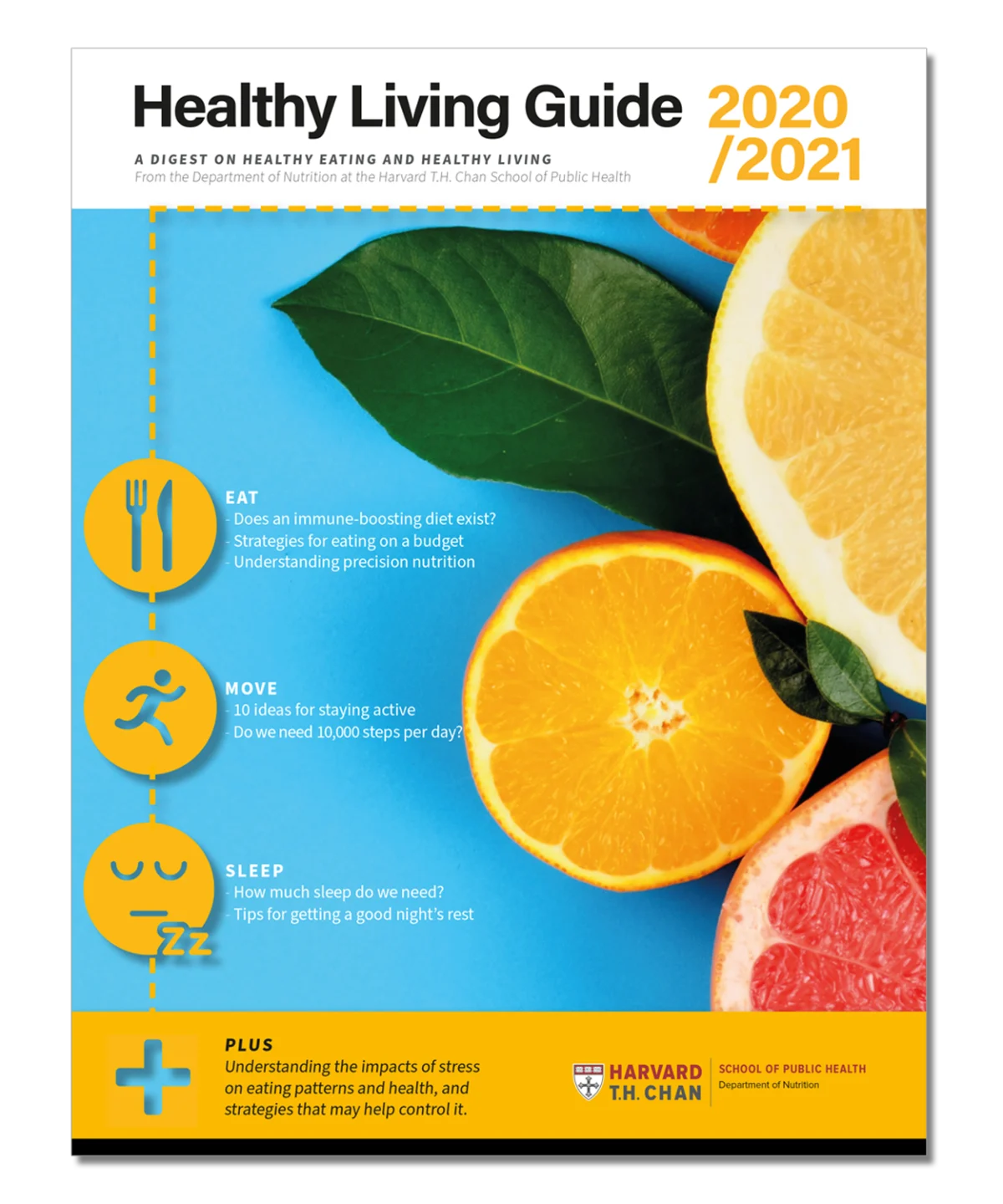
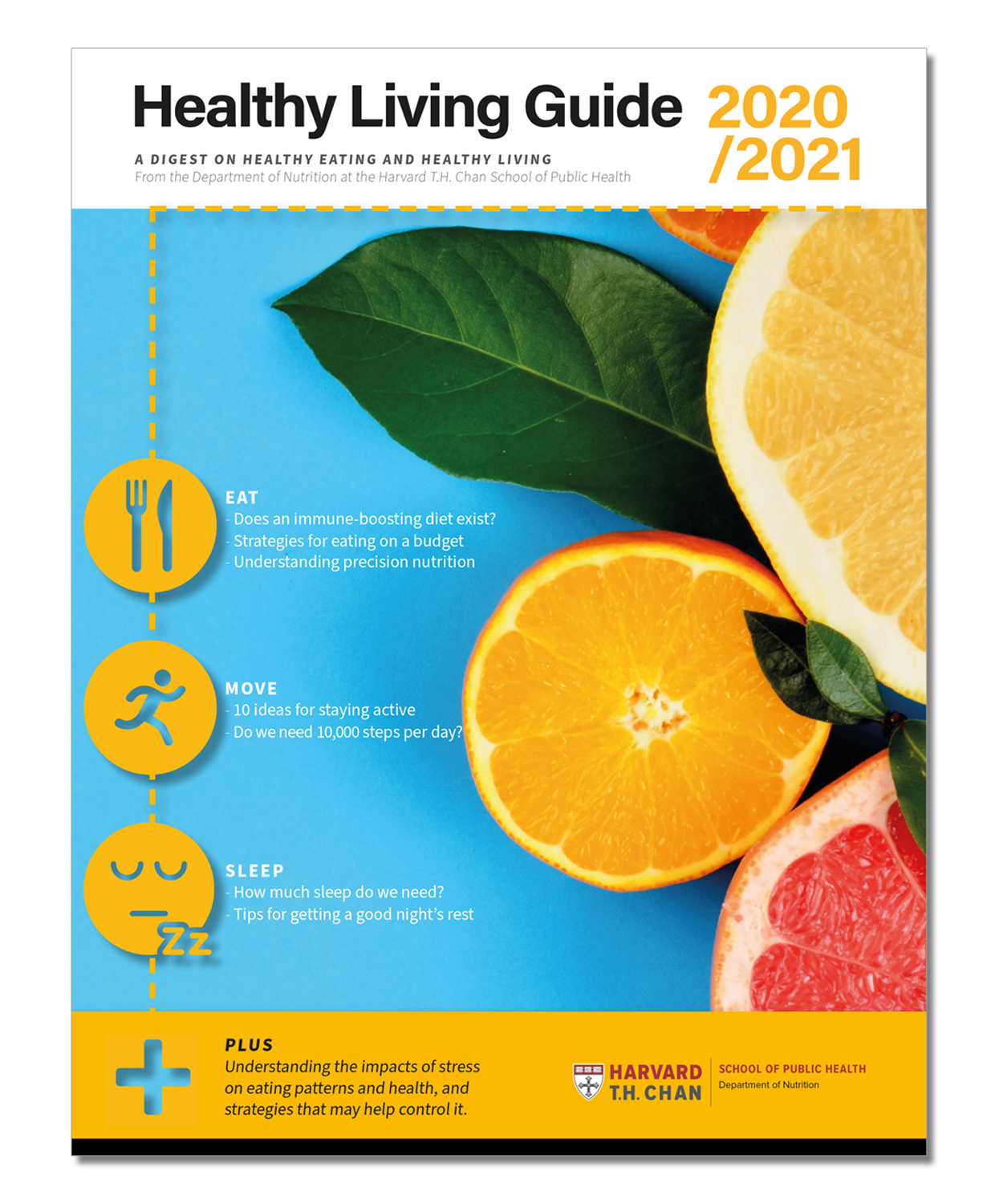
The inherent difficulty in consistently adhering to healthy lifestyle choices, often termed the "intention-behavior gap," is a well-documented phenomenon. Recognizing this challenge, the creators of the "Healthy Living Guide" aimed to provide practical tips and actionable strategies to support individuals in their pursuit of well-being. In an era marked by profound uncertainty and disruption, the guide encourages individuals to implement healthy practices to the best of their ability, offering the hope that these efforts might also lead to the discovery of new joys, whether through exploring novel recipes, embracing a new exercise routine, or cultivating a fulfilling hobby. The guide, presented as a downloadable PDF, offers printable tip sheets and concise summaries, complementing the availability of comprehensive online articles accessible through provided links.
The Impact of the Pandemic on Health Behaviors
The onset of the COVID-19 pandemic in early 2020 triggered a global public health emergency that necessitated widespread societal adaptations. Lockdowns, social distancing measures, and the omnipresent threat of infection significantly altered daily routines, food procurement, and opportunities for physical activity. For many, these changes presented formidable obstacles to maintaining established healthy habits. Access to fresh, nutritious foods became challenging in certain regions due to supply chain disruptions and economic hardship. Gyms and recreational facilities closed, limiting options for structured exercise. Furthermore, the psychological toll of the pandemic—including anxiety, isolation, and grief—could undermine motivation and lead to coping mechanisms that were detrimental to health, such as emotional eating or increased sedentary behavior.
Established Pillars of Healthy Living and Their Enduring Significance
The foundational principles of healthy living have long been recognized by public health organizations worldwide. These principles, which form the bedrock of the "Healthy Living Guide," are not new but have perhaps gained renewed urgency and relevance in the wake of the pandemic.
1. Healthy Eating: A balanced and nutrient-dense diet is crucial for supporting a robust immune system, providing the body with the essential vitamins, minerals, and antioxidants it needs to function optimally and defend against pathogens. Research from the Harvard Nutrition Source emphasizes the importance of a dietary pattern rich in fruits, vegetables, whole grains, lean proteins, and healthy fats. These components contribute to reducing inflammation, a process implicated in the severity of various chronic diseases and potentially in adverse outcomes from viral infections. Conversely, diets high in processed foods, saturated fats, and added sugars can impair immune function and increase susceptibility to illness.
2. Regular Exercise: Physical activity plays a multifaceted role in maintaining health. It strengthens the cardiovascular system, improves metabolic health, enhances mood, and contributes to weight management. During the pandemic, many individuals found creative ways to stay active, from home workouts to increased outdoor pursuits. Studies have consistently shown a strong correlation between regular physical activity and a lower risk of chronic diseases, including heart disease, stroke, type 2 diabetes, and certain cancers. Furthermore, exercise can bolster immune function by promoting the circulation of immune cells throughout the body.
3. Healthy Body Weight: Maintaining a healthy body weight is intrinsically linked to overall health and reduces the risk of numerous chronic conditions. Obesity, defined as having an excessive amount of body fat, is a significant risk factor for several serious health problems, including cardiovascular disease, type 2 diabetes, and some types of cancer. It can also exacerbate the severity of infectious diseases. The pandemic’s impact on food access and activity levels may have contributed to weight fluctuations for some individuals, highlighting the ongoing importance of weight management strategies.
4. Moderate Alcohol Consumption: Excessive alcohol intake can have detrimental effects on numerous bodily systems, including the immune system, liver, and cardiovascular system. It can also impair judgment and increase the risk of accidents and injuries. Public health guidelines generally recommend moderate alcohol consumption, defined as up to one drink per day for women and up to two drinks per day for men, for those who choose to drink.
5. Not Smoking: Smoking is a leading cause of preventable death and disease worldwide. It significantly damages the lungs, increasing susceptibility to respiratory infections and chronic respiratory diseases like COPD. Smoking also negatively impacts cardiovascular health, immune function, and is a major risk factor for numerous cancers. The pandemic has underscored the vulnerability of the respiratory system and the profound benefits of quitting smoking.
The Longitudinal Benefits of Healthy Habits
The long-term implications of adopting these five key habits are profound and far-reaching. The aforementioned Harvard study, which tracked thousands of individuals over several decades, provides compelling data on the life-extending and life-enhancing qualities of a healthy lifestyle.
- Increased Lifespan: The finding that adherence to these habits can add more than a decade to one’s life is a powerful testament to their impact. This extended lifespan is not merely a quantitative measure but is directly correlated with improved quality of life.
- Extended Years Free of Chronic Disease: Perhaps more significant than the increase in years lived is the increase in years lived in good health. By mitigating the risk of developing chronic diseases, individuals can enjoy greater independence, mobility, and overall well-being in their later years. This reduces the burden of illness on individuals, families, and healthcare systems.
- Impact on Middle Age: The research specifically highlights the benefits of adopting these habits in middle age, a critical period for disease prevention. Establishing healthy routines during these years can significantly alter the trajectory of long-term health outcomes.
Navigating Challenges and Fostering Resilience
The "Healthy Living Guide" implicitly acknowledges the practical challenges individuals face in implementing and sustaining healthy habits, particularly in the context of ongoing global health concerns. The guide’s approach, offering practical tips and strategies, suggests a recognition of the need for accessible and adaptable resources.
1. Food Access and Affordability: For many, the pandemic exacerbated existing challenges related to food security. Disruptions to food supply chains, job losses, and increased food prices made it difficult for households to access and afford nutritious foods. Community-based initiatives, governmental support programs, and educational resources on budget-friendly healthy eating become crucial in addressing these issues.
2. Maintaining Physical Activity: The closure of gyms and public spaces necessitated a shift towards home-based or outdoor physical activity. This period saw a surge in online fitness classes and a renewed appreciation for local parks and trails. However, access to safe and conducive environments for exercise can still be a barrier for many. Promoting active transportation, creating accessible public spaces, and encouraging a variety of physical activities are important strategies.
3. Mental Health and Motivation: The psychological toll of the pandemic—including increased stress, anxiety, and isolation—can significantly impact motivation and the ability to prioritize self-care. The guide’s invitation to find "some enjoyment along the way" suggests an understanding of the importance of intrinsic motivation and pleasure in sustaining healthy behaviors. Integrating enjoyable activities, seeking social support, and practicing mindfulness can be vital components of a holistic approach to well-being.
The Healthy Living Bingo Challenge: Gamifying Well-being
The inclusion of a "Healthy Living Bingo Challenge" within the guide’s materials signals an innovative approach to engaging individuals and encouraging the adoption of healthy habits. Bingo, a game of chance and pattern recognition, is adapted here as a tool for behavior change. Participants are encouraged to complete various healthy activities, marking off squares on a bingo card. This gamified approach can:
- Increase Engagement: The playful nature of bingo can make healthy living feel less like a chore and more like an enjoyable pursuit.
- Promote Variety: A bingo card typically features a range of activities, encouraging participants to try new healthy behaviors and establish a diverse range of habits.
- Provide Structure and Goals: The card serves as a visual representation of progress, offering a sense of accomplishment as squares are filled and objectives are met.
- Foster a Sense of Community (Potentially): While not explicitly stated, such challenges can be shared among friends, family, or colleagues, creating a supportive environment and healthy competition.
Broader Implications and Future Outlook
The COVID-19 pandemic has served as a stark reminder of the interconnectedness of individual health and societal well-being. The emphasis on healthy lifestyles, as promoted by resources like the "Healthy Living Guide," is not merely about personal benefit but also about building more resilient communities. Individuals who are healthier are better equipped to withstand health crises, contribute to the economy, and participate fully in society.
The long-term implications of the pandemic may include a sustained increase in public awareness regarding the importance of preventive health measures. As economies recover and societies adapt, there is an opportunity to integrate public health principles more deeply into urban planning, food systems, and educational curricula. Investing in accessible healthcare, promoting healthy environments, and providing ongoing support for healthy behavior change will be crucial in building a healthier future. The "Healthy Living Guide" and similar initiatives represent vital steps in empowering individuals to take control of their health, fostering resilience, and ultimately, enhancing the quality of life for individuals and communities alike. The ongoing research into the multifactorial determinants of health, coupled with practical, evidence-based guidance, offers a promising pathway toward a healthier and more robust global population.
