
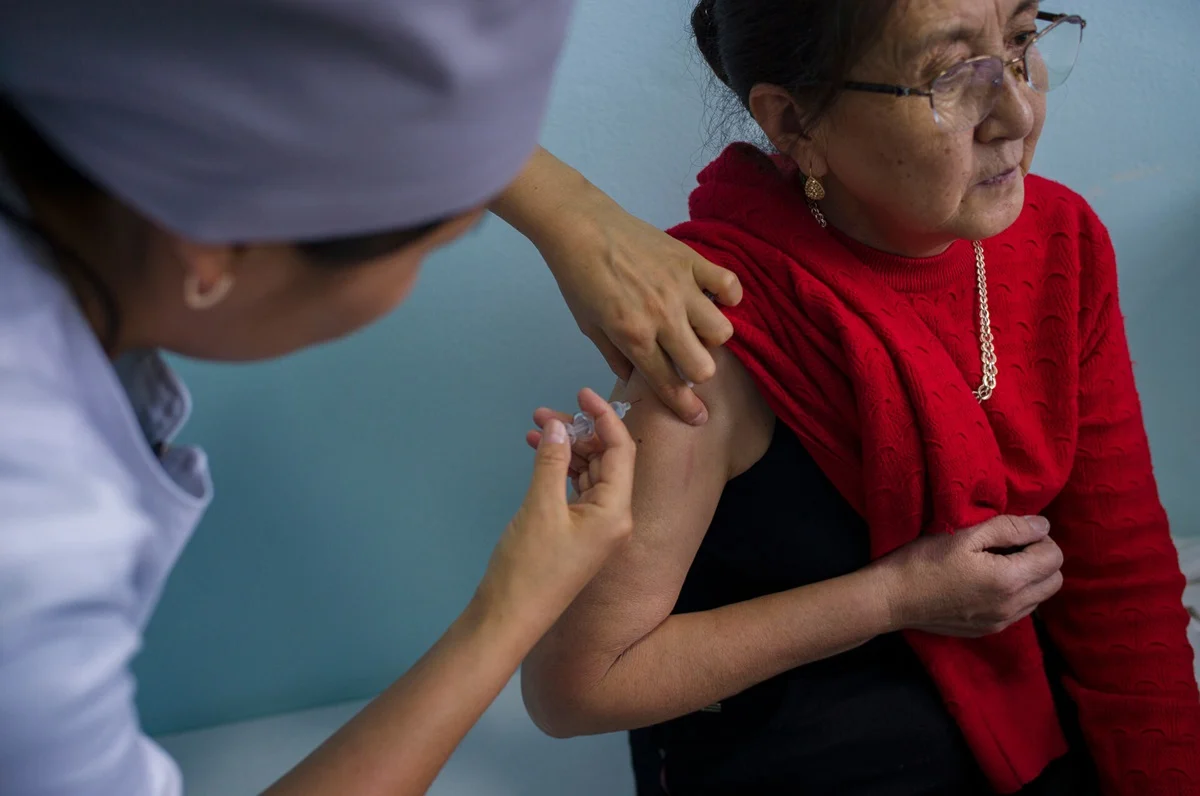
Following an intensive four-day consultation involving global health experts and virologists, the World Health Organization (WHO) has officially released its recommendations for the viral composition of influenza vaccines for the 2026-2027 northern hemisphere season. This critical announcement serves as the definitive blueprint for national regulatory agencies and pharmaceutical manufacturers worldwide, ensuring that the next generation of vaccines is precisely calibrated to combat the most prevalent circulating strains of the influenza virus. The consultation, which analyzed exhaustive data from the Global Influenza Surveillance and Response System (GISRS), underscores the persistent challenge posed by a virus that is in a state of constant genetic and antigenic evolution. By aligning vaccine composition with the latest epidemiological trends, the WHO aims to mitigate the global burden of seasonal influenza, which continues to account for millions of severe illnesses and hundreds of thousands of deaths annually.
The necessity of these biannual updates—conducted once for the Northern Hemisphere and once for the Southern Hemisphere—stems from the phenomenon of antigenic drift. Influenza viruses frequently undergo small genetic changes that result in altered surface proteins, potentially allowing them to evade the immune protection provided by previous infections or older vaccine formulations. Dr. Tedros Adhanom Ghebreyesus, WHO Director-General, emphasized the importance of this collaborative global effort, noting that the interconnected nature of the modern world necessitates a unified front against viral threats. He highlighted that the recommendations are the culmination of year-round, diligent surveillance by GISRS partners, whose work allows for the proactive adjustment of vaccines to counter the latest viral variants, thereby safeguarding communities on a global scale.
Epidemiological Shift: The Rise of Subclade K
A primary driver for the updated 2026-2027 recommendations was the significant shift in the viral landscape observed during the latter half of 2025. In August 2025, a distinct variant of the influenza A(H3N2) virus emerged and demonstrated a remarkable capacity for rapid transmission. Classified as J.2.4.1, and colloquially referred to by the scientific community as "subclade K," this variant quickly became the dominant strain in multiple geographic regions. The emergence of subclade K was associated with an uncharacteristically early start to the influenza season in several countries, with many health ministries reporting levels of viral activity that exceeded historical norms for that time of year.
The rapid proliferation of subclade K highlights the volatility of influenza A viruses, which typically cause more severe seasonal epidemics than influenza B. While other variants of A(H3N2) and the A(H1N1)pdm09 virus continued to circulate, subclade K’s dominance necessitated a strategic pivot in the recommended vaccine components. The WHO’s technical experts analyzed the antigenic properties of these emerging strains to ensure that the 2026-2027 vaccine formulation provides the highest possible "match," which is the most critical factor in determining vaccine efficacy. When the vaccine strains closely mirror the circulating viruses, the likelihood of preventing severe outcomes, hospitalization, and death increases significantly.
The Status of Influenza B and the Extinction of Yamagata
In addition to monitoring influenza A, the WHO consultation provided a comprehensive update on influenza B lineages. For several decades, seasonal influenza vaccines have typically been quadrivalent, protecting against two subtypes of influenza A and two lineages of influenza B: Victoria and Yamagata. However, the data reviewed during the recent consultation confirmed a continuing and historic trend: the B/Yamagata lineage has not been detected in any laboratory-confirmed cases globally since March 2020.
This apparent disappearance of B/Yamagata, likely accelerated by the global public health measures implemented during the COVID-19 pandemic, has led to ongoing discussions regarding the future of trivalent versus quadrivalent vaccines. While the B/Victoria lineage continues to circulate, albeit at lower levels than influenza A, the absence of Yamagata represents a major shift in viral ecology. For the 2026-2027 season, the WHO continues to emphasize the inclusion of B/Victoria components while monitoring the situation to determine if B/Yamagata can be permanently excluded from future formulations without risking a resurgence.
Zoonotic Influenza and Pandemic Preparedness
Beyond the scope of seasonal influenza, the WHO consultation serves a secondary, vital purpose: the assessment of zoonotic influenza viruses. These are strains that primarily circulate in animals—such as poultry, wild birds, and swine—but have the potential to "spill over" into human populations. Because humans have little to no pre-existing immunity to these animal-origin viruses, they represent a significant pandemic threat.
The report noted that since September 23, 2025, there have been 25 reported human infections with zoonotic influenza across six countries. Most of these cases were linked to direct exposure to infected livestock or contaminated environments, such as live bird markets. Critically, the WHO reported that there has been no evidence of sustained human-to-human transmission among these cases. However, the constant interaction between humans and animals in various agricultural and ecological settings keeps the risk of a pandemic event high.
In response to these threats, the WHO experts recommended the development of a new Candidate Vaccine Virus (CVV) for the A(H9N2) subtype. CVVs are essentially "starter cultures" that pharmaceutical companies can use to rapidly scale up vaccine production if a specific zoonotic strain begins to spread among humans. By identifying and preparing these candidates in advance, the global community can save weeks or months in the event of a public health emergency, potentially averting a global pandemic.
Technical Specifications for 2026-2027 Vaccines
The WHO provides specific recommendations for different types of vaccine manufacturing technologies. While traditional egg-based production remains the most common method globally, newer technologies—including cell culture, recombinant protein, and nucleic acid-based (mRNA) platforms—are playing an increasingly prominent role in the global supply chain.
For the 2026-2027 northern hemisphere season, the WHO recommends that vaccines contain components targeting the A(H3N2) subclade K, an updated A(H1N1)pdm09 strain, and the B/Victoria lineage. The specific viral isolates recommended for egg-based production often differ slightly from those recommended for cell- or recombinant-based production to account for "egg-adaptation" changes that can occur during the manufacturing process. These technical nuances are essential for ensuring that the final product maintains its structural integrity and effectiveness when administered to patients.
The Global Burden and the Importance of Surveillance
The scale of the challenge posed by influenza is immense. According to WHO data, there are approximately one billion cases of seasonal influenza every year. Of these, between three and five million cases progress to severe illness, and the virus is responsible for an estimated 290,000 to 650,000 respiratory deaths annually. These figures do not include the secondary economic impacts, such as lost productivity and the immense strain placed on primary healthcare systems and emergency departments during peak winter months.
The ability to respond to this burden rests entirely on the Global Influenza Surveillance and Response System (GISRS). Established in 1952, GISRS is the world’s longest-standing global platform for systematic disease surveillance. It comprises a network of over 150 National Influenza Centres in more than 120 countries, working alongside WHO Collaborating Centres and Essential Regulatory Laboratories. This network functions as a "global radar," identifying new variants as soon as they appear and sharing data in real-time. The 2026-2027 recommendations are a direct product of this unprecedented level of international scientific cooperation.
Implications for Public Health and Manufacturing
With the WHO’s recommendations now finalized, the focus shifts to national regulators and the pharmaceutical industry. Regulatory bodies, such as the U.S. Food and Drug Administration (FDA) and the European Medicines Agency (EMA), will review the WHO’s data and issue their own formal mandates for vaccines sold within their jurisdictions.
For manufacturers, the clock is now ticking. Producing hundreds of millions of doses of influenza vaccine is a complex logistical feat that requires several months of lead time. For egg-based vaccines, millions of specialized eggs must be procured and inoculated. For newer platforms, bioreactors must be prepared and quality-control protocols established. The goal is to have the first batches of the 2026-2027 vaccine ready for distribution by late summer or early autumn of 2026, ahead of the traditional start of the northern hemisphere’s flu season.
Public health experts stress that while the vaccine is not 100% effective against infection, its primary value lies in preventing the most severe outcomes. Vaccination remains the most effective tool available for reducing hospitalizations and mortality, particularly among high-risk groups such as the elderly, pregnant individuals, young children, and those with underlying chronic health conditions.
Conclusion and Future Outlook
The WHO’s announcement for the 2026-2027 season reflects a sophisticated balance between reactive science and proactive planning. By addressing the rapid rise of subclade K and maintaining a vigilant watch over zoonotic threats like H9N2, the global health community is utilizing every available data point to stay ahead of a rapidly changing virus.
As the world moves toward the 2026-2027 season, the emphasis will remain on increasing vaccine uptake and improving access to these life-saving products in low- and middle-income countries. The "shared risks" mentioned by Dr. Tedros serve as a reminder that influenza knows no borders, and the safety of one region is inextricably linked to the surveillance and response capabilities of the entire globe. The updated vaccine composition is more than just a scientific formula; it is a vital component of the global infrastructure designed to protect human life against one of the world’s most persistent infectious threats.
