
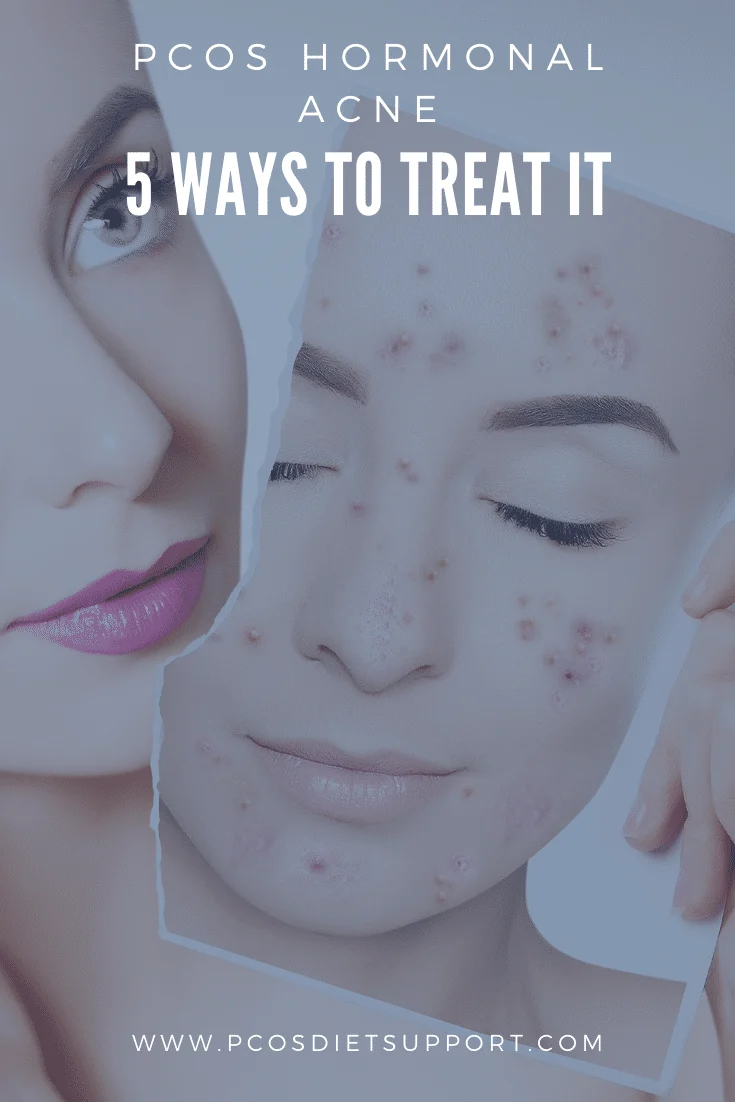
Polycystic Ovary Syndrome (PCOS) remains one of the most prevalent endocrine disorders affecting women of reproductive age globally, with the World Health Organization estimating a prevalence rate of between 8% and 13%. Among the myriad of systemic symptoms associated with the condition—ranging from metabolic dysfunction to infertility—hormonal acne stands out as a primary dermatological marker that significantly impacts patient quality of life. Unlike the transient breakouts associated with the typical menstrual cycle, PCOS-related acne is often persistent, severe, and resistant to standard over-the-counter treatments. Medical professionals categorize this manifestation as a direct result of hyperandrogenism, a state of elevated male-pattern hormones that disrupts the skin’s natural equilibrium.
The Pathophysiology of PCOS-Induced Dermatological Distress
The genesis of hormonal acne in PCOS patients is rooted in a complex breakdown of the hypothalamic-pituitary-ovarian (HPO) axis. Under normal physiological conditions, the pituitary gland serves as the control center for hormone regulation, balancing the production of testosterone, progesterone, and estrogen. In a healthy system, small amounts of androgens, such as testosterone, are necessary for maintaining bone density and repairing reproductive tissues. However, in patients with PCOS, the signaling pathways between the brain and the ovaries become dysregulated.
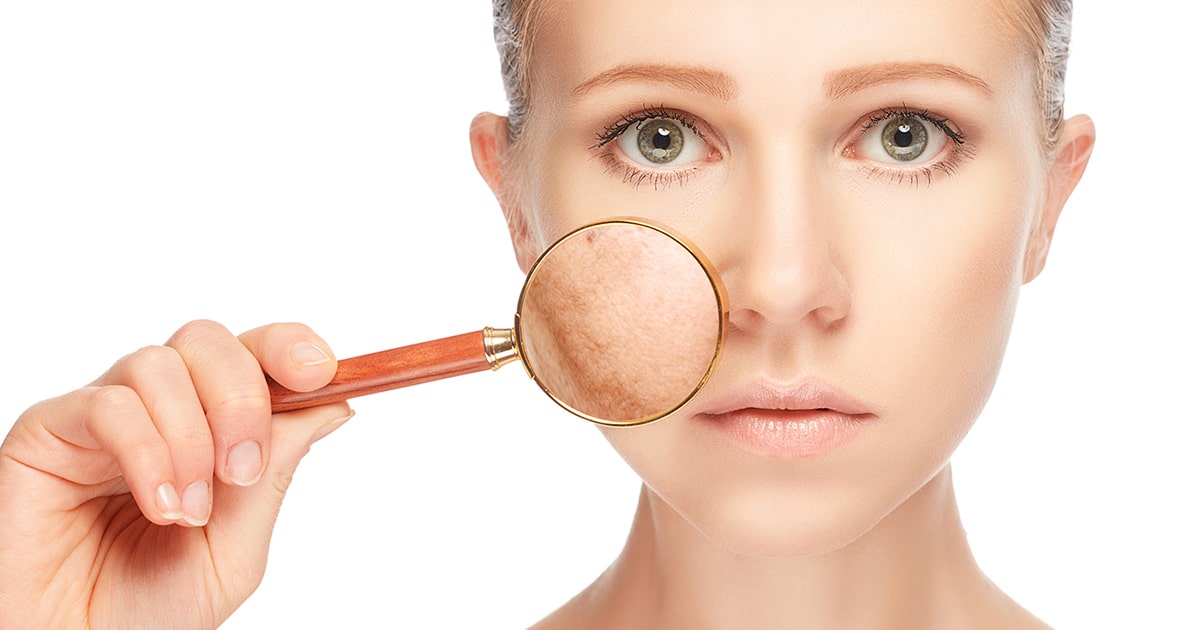
Clinical data suggests that this disruption leads to an overproduction of Luteinizing Hormone (LH) or an increased sensitivity to insulin, both of which stimulate the ovarian theca cells to produce excessive amounts of testosterone. When androgen levels rise, the sebaceous glands in the skin undergo hypertrophy, leading to an overproduction of sebum. This excess oil, combined with the irregular shedding of skin cells, creates an environment ripe for the colonization of Cutibacterium acnes, resulting in deep, painful cystic lesions often concentrated along the jawline, chin, and neck.
A Chronology of Clinical Intervention
The management of PCOS-related acne typically follows a progressive clinical timeline, beginning with a definitive diagnosis of the underlying syndrome. Because acne is often the first symptom that drives a patient to seek medical advice, dermatologists frequently serve as the frontline of PCOS detection.
- Diagnostic Phase: Physicians utilize the Rotterdam Criteria to confirm PCOS, requiring the presence of at least two of the following: oligo-ovulation or anovulation, clinical or biochemical signs of hyperandrogenism, and polycystic ovaries as seen on an ultrasound.
- Initial Therapeutic Trial: Once diagnosed, the first line of defense often involves topical retinoids and lifestyle modifications, specifically targeting insulin sensitivity.
- Systemic Integration: If topical solutions prove insufficient after a 12-week cycle, clinicians move toward systemic therapies, including oral contraceptives or antiandrogen medications.
- Refractory Management: For severe, scarring acne that resists hormonal therapy, oral isotretinoin may be introduced, albeit with strict regulatory oversight.
Pharmacological Modalities: Retinoids and Isotretinoin
Retinoids, derivatives of Vitamin A, have remained a cornerstone of acne therapy since their regulatory approval in 1971. These compounds work at a molecular level to activate the growth of epithelial cells and prevent the follicular "plugging" that initiates an acne lesion. For PCOS patients, prescription-strength topical retinoids such as Tretinoin are preferred over-the-counter retinol due to their higher bio-availability and efficacy in promoting cell turnover.
In cases of recalcitrant or cystic acne, Isotretinoin (commonly known by the brand name Accutane) is considered the most potent option. This oral medication significantly reduces the size of sebaceous glands and inhibits sebum production. However, its use in the PCOS population requires careful navigation. The clinical regimen typically lasts 15 to 20 weeks, with dosages titrated based on body weight.
Medical experts emphasize the severe side-effect profile of Isotretinoin, which includes systemic dryness, joint pain, and potential hepatotoxicity. Most critically, the drug is a known teratogen. Regulatory bodies, such as the FDA in the United States via the iPLEDGE program, mandate rigorous pregnancy prevention measures, as exposure during pregnancy can lead to fetal death or severe congenital defects, including cleft palate and cardiac abnormalities. Furthermore, while Isotretinoin clears the skin, it does not address the underlying hormonal imbalance of PCOS, meaning symptoms may return if the endocrine disorder is not managed concurrently.
Antiandrogen Therapy and the Role of Testosterone Blockers
Because the root cause of PCOS acne is hyperandrogenism, antiandrogen medications have become a vital component of the treatment landscape. These drugs, known as androgen antagonists, work by binding to androgen receptors, thereby preventing testosterone from exerting its effects on the sebaceous glands.

- Spironolactone: Originally developed as a diuretic for hypertension, Spironolactone has been used "off-label" for over three decades to treat hormonal acne and hirsutism (excessive hair growth) in women. It is particularly effective for PCOS patients because it reduces the overall production of androgens in the adrenal glands and ovaries.
- Cyproterone Acetate: Frequently used in Europe and Canada, this progestogen has potent antiandrogenic properties. It is often combined with estrogen in oral contraceptives to provide a dual-action approach to clearing the skin.
Clinical studies indicate that antiandrogens can reduce sebum production by up to 30-50% within three to six months of consistent use. Patients are advised that these medications require a "ramp-up" period, and initial results may not be visible for several weeks.
Oral Contraceptives: Balancing the Endocrine Scale
Hormonal birth control remains a primary recommendation for women with PCOS who are not currently seeking pregnancy. These contraceptives typically contain a combination of estrogen and progestin. The mechanism of action is twofold: they suppress the pituitary gland’s production of LH and FSH (Follicle-Stimulating Hormone), which in turn reduces ovarian androgen production, and they increase the levels of Sex Hormone-Binding Globulin (SHBG) in the blood. SHBG acts as a "sponge," soaking up free testosterone so it cannot affect the skin.
However, the prescription of oral contraceptives is not without risk, particularly in the PCOS population. Women with PCOS often have higher baseline risks for metabolic syndrome and cardiovascular disease. Medical guidelines suggest that hormonal contraceptives should be prescribed with caution to patients who are obese, over the age of 35, or who smoke, due to the increased risk of venous thromboembolism (blood clots). For these patients, the risk of a fatal pulmonary embolism or stroke must be weighed against the dermatological benefits.

The Metabolic Connection: Diet and Insulin Resistance
Emerging research has solidified the link between insulin resistance and the severity of PCOS symptoms. High levels of circulating insulin stimulate the ovaries to produce more testosterone, creating a feedback loop that exacerbates acne. Consequently, nutritional intervention is increasingly viewed as a clinical necessity rather than a mere lifestyle suggestion.
A significant body of evidence suggests that dairy consumption may worsen hormonal acne. Dairy products, particularly skim milk, contain growth hormones and can trigger an increase in Insulin-like Growth Factor 1 (IGF-1), which stimulates sebum production. Many clinicians report that patients who eliminate dairy see a noticeable reduction in inflammatory lesions within as little as fourteen days. Additionally, a low-glycemic index (GI) diet—focusing on whole grains, lean proteins, and fibrous vegetables—helps stabilize insulin levels, thereby indirectly lowering androgen production.
Psychological Implications and the Vicious Cycle of Stress
The psychological burden of PCOS-related acne cannot be overstated. Clinical surveys indicate higher rates of anxiety, depression, and social withdrawal among women with visible hormonal acne. This creates a physiological "vicious cycle": the stress of having acne triggers the adrenal glands to produce cortisol and additional androgens, which in turn causes further breakouts.
Therapeutic approaches now frequently include stress-reduction techniques as a legitimate adjunct to medical treatment. Methods such as Mindfulness-Based Stress Reduction (MBSR), regular physical activity, and cognitive-behavioral therapy (CBT) have been shown to lower systemic inflammation. By managing the psychological response to the condition, patients can potentially reduce the frequency of stress-induced flares.
Broader Impact and Future Outlook
The management of PCOS hormonal acne is shifting toward a multidisciplinary "whole-patient" model. Rather than treating acne as an isolated skin condition, modern healthcare providers are integrating dermatology, endocrinology, and nutrition. This comprehensive approach is essential because, as medical experts note, pharmacological treatments like birth control or retinoids often act as "masks" for the symptoms; without addressing the underlying metabolic and hormonal triggers, the condition remains dormant rather than resolved.
Looking forward, research is pivoting toward more targeted therapies that address the genetic precursors of PCOS. There is also an increasing focus on the gut-skin axis, investigating how the microbiome of PCOS patients differs from the general population and how probiotics might play a role in reducing systemic inflammation.

In summary, while PCOS-induced acne is a challenging and often distressing symptom, the convergence of advanced pharmacology, targeted dietary strategies, and a deeper understanding of endocrine signaling provides a robust framework for management. For the millions of women navigating the "unwanted rollercoaster" of PCOS, the path to clearer skin lies in a proactive, medically supervised strategy that treats the hormone, not just the blemish.
