
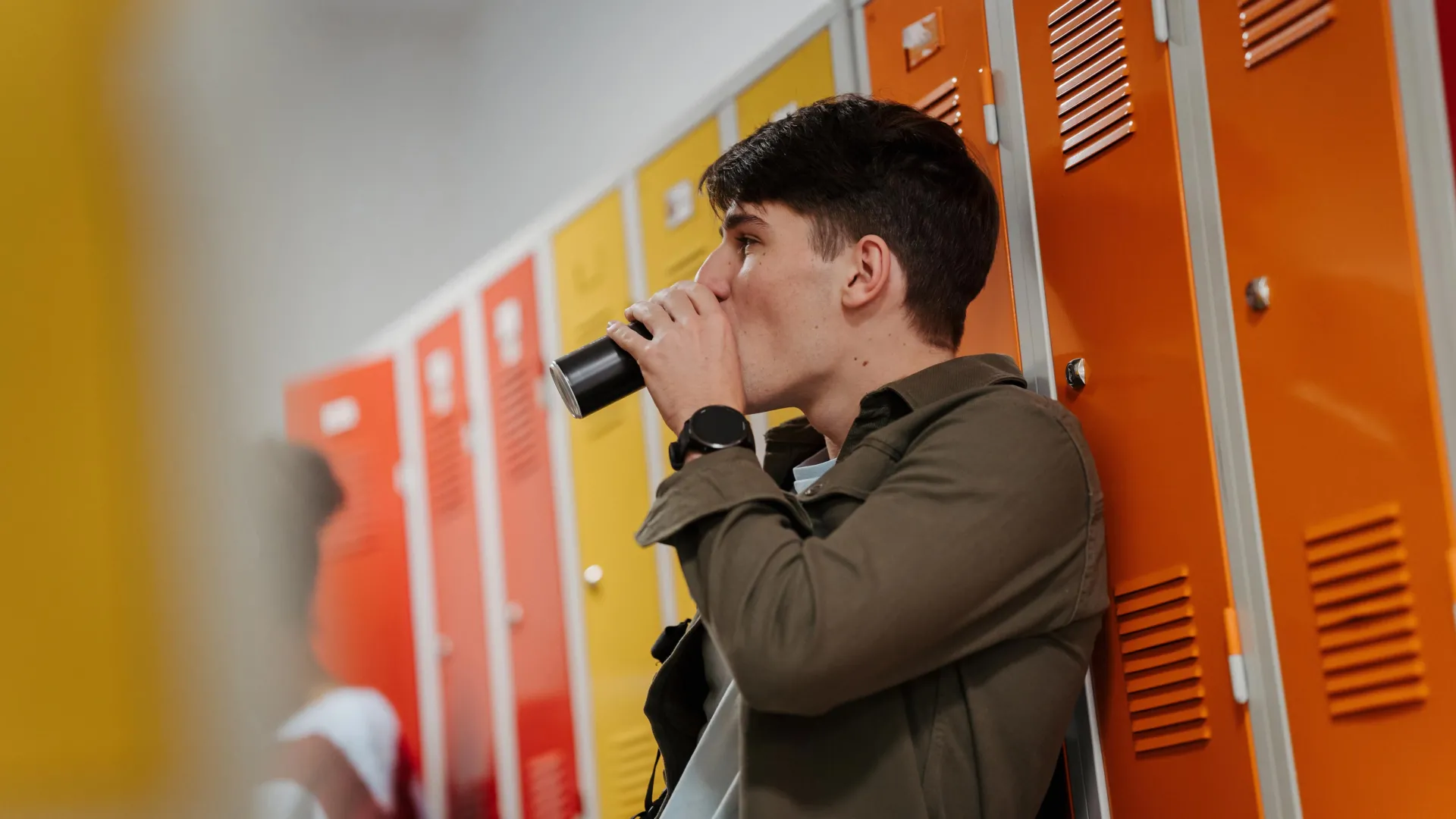
A comprehensive review of existing research, conducted by a team of academics from Bournemouth University, has uncovered a significant link between the consumption of sugar-sweetened beverages and the prevalence of anxiety symptoms among adolescents. The findings, published in the esteemed Journal of Human Nutrition and Dietetics, highlight a critical but often overlooked dimension of teenage well-being, focusing on the impact of dietary choices on mental health. This large-scale collaborative effort synthesized data from numerous previous studies, meticulously examining patterns of diet and mental health across diverse groups of young people to identify consistent trends.
The Underexplored Mental Health Dimension of Adolescent Nutrition
While public health discourse has predominantly centered on the physical ramifications of poor dietary habits in teenagers – with obesity and the burgeoning rates of type-2 diabetes frequently cited – the mental health consequences have received comparatively less attention. Dr. Chloe Casey, a Lecturer in Nutrition at Bournemouth University and a co-author of the study, emphasized this disparity. "With increasing concern about adolescent nutrition, most public health initiatives have emphasized the physical consequences of poor dietary habits, such as obesity and type-2 diabetes," Dr. Casey stated. "However, the mental health implications of diet have been underexplored by comparison, particularly for drinks that are energy dense but low in nutrients."
This oversight is particularly concerning given the rising tide of mental health challenges faced by young people. Anxiety disorders are now recognized as one of the most pervasive mental health issues affecting this demographic. Statistics from 2023 indicate that approximately one in five children and adolescents in many developed nations were living with a diagnosed mental health disorder, with anxiety being among the most frequently reported conditions. This figure underscores the urgent need to investigate all contributing factors, including dietary habits, that might influence the mental well-being of this vulnerable population.
Survey Data Illuminates the Link Between Sugary Beverages and Anxiety
The cornerstone of the Bournemouth University review was the analysis of survey data from multiple prior studies. These surveys were designed to quantify both the intake of sugary drinks and the presence of mental health symptoms, specifically focusing on anxiety. The definition of "sugary beverages" used in the review encompassed a broad spectrum of commonly consumed drinks. This included carbonated soft drinks (fizzy sodas), energy drinks, fruit juices with added sugars, concentrated fruit squashes, sweetened teas and coffees, and flavored milk products. Essentially, any beverage characterized by a high sugar content and a low nutritional value was considered.
Across the diverse range of studies examined, a striking consistency emerged. The collective data pointed towards a clear association: adolescents who reported higher consumption of sugary beverages also tended to report a greater frequency and intensity of anxiety symptoms. This recurring pattern across different research methodologies and participant demographics lends significant weight to the study’s conclusions.
Understanding the Nuances: Association vs. Causation
It is crucial, as the researchers themselves vehemently stress, to interpret these findings with a degree of caution regarding causality. The review, by its very nature of synthesizing existing research, is observational. This means that while a strong association has been identified, it does not definitively prove that sugary drinks directly cause anxiety in teenagers. The relationship is complex and could be influenced by a multitude of interconnected factors.
One prominent possibility is a reverse causation. Teenagers who are already experiencing anxiety might, consciously or unconsciously, turn to sugary drinks as a coping mechanism or a source of temporary comfort. The rapid sugar rush can provide a fleeting sense of pleasure or distraction, leading to increased consumption patterns in individuals already struggling with anxiety.
Furthermore, shared underlying influences could contribute to both increased sugar intake and the manifestation of anxiety symptoms. These shared factors could include socio-economic status, family environment, peer influences, academic pressures, or even underlying sleep disorders. For instance, a teenager experiencing significant stress due to family issues might exhibit both heightened anxiety and a tendency to consume comfort foods and sugary drinks. Similarly, poor sleep quality, which is often linked to anxiety, can also disrupt hormonal balances and increase cravings for sugary items.
"Whilst we may not be able to confirm at this stage what the direct cause is, this study has identified an unhealthy connection between consumption of sugary drinks and anxiety disorders in young people," Dr. Casey acknowledged. This statement encapsulates the study’s contribution: it has pinpointed a significant correlation that warrants further investigation and potential intervention, even if the precise causal pathway remains to be fully elucidated.
A Growing Concern: The Rise of Adolescent Anxiety
The timing of this research is particularly pertinent. The increase in anxiety disorders among adolescents has been a growing concern for mental health professionals and public health bodies globally. While precise figures can vary by region and the specific diagnostic criteria used, the general trend indicates a substantial rise in reported anxiety conditions over the past decade and a half. Factors often cited for this increase include heightened academic pressures, the pervasive influence of social media, economic uncertainties, and the lingering effects of global events such as pandemics.
This escalating crisis underscores the importance of identifying modifiable lifestyle habits that could help mitigate the risk of developing or exacerbating anxiety. The study’s conclusion that changes in dietary habits, specifically reducing the intake of sugary drinks, could be a viable strategy for addressing this trend is therefore highly significant.
The Scientific Process: From Conception to Publication
The research project was spearheaded by Dr. Karim Khaled, a former PhD student at Bournemouth University, who is now affiliated with the Lebanese American University in Beirut. The journey of such a study typically involves several stages:
- Initial Research Question Formulation: Driven by the existing knowledge gap regarding diet and adolescent mental health, the researchers posed a question about the specific role of sugar-sweetened beverages.
- Systematic Literature Search: A rigorous and comprehensive search of academic databases was conducted to identify all relevant studies published on the topic. This involved using specific keywords and adhering to strict inclusion and exclusion criteria to ensure the quality and relevance of the selected papers.
- Data Extraction and Synthesis: Once the studies were selected, data on sugary drink consumption, anxiety symptom reporting, and demographic information was systematically extracted. This data was then pooled and analyzed using statistical methods appropriate for meta-analysis and systematic reviews.
- Interpretation of Findings: The researchers carefully analyzed the aggregated data to identify consistent patterns and associations. Crucially, they also considered potential confounding factors and limitations of the original studies.
- Manuscript Preparation and Peer Review: The findings were compiled into a research manuscript, which was then submitted to the Journal of Human Nutrition and Dietetics. This journal, recognized for its high standards, subjected the manuscript to a rigorous peer-review process, where independent experts in the field evaluated the study’s methodology, results, and conclusions before its eventual publication.
Broader Implications and Future Directions
The implications of this study extend beyond mere academic interest. For parents, educators, and healthcare providers, the findings offer tangible insights into potential avenues for supporting adolescent mental health. The focus on readily modifiable dietary habits, such as reducing the intake of sugary drinks, presents a practical and accessible intervention point.
Public Health Campaigns: This research could inform the design of future public health campaigns aimed at improving adolescent well-being. Such campaigns could emphasize the connection between diet and mental health, specifically highlighting the potential risks associated with excessive sugar consumption. Educational materials could be developed to raise awareness among teenagers and their families about healthier beverage choices.
Clinical Practice: Healthcare professionals, including pediatricians and mental health counselors, could integrate questions about dietary habits, particularly sugar-sweetened beverage intake, into their assessments of adolescent patients presenting with anxiety symptoms. This could lead to more holistic and effective treatment plans.
Further Research: While this study provides a strong association, it also opens doors for further investigation. Future research could focus on:
- Longitudinal studies: Tracking adolescents over time to better understand the temporal relationship between sugar intake and anxiety development.
- Intervention studies: Designing trials to test the efficacy of reducing sugary drink intake on anxiety symptoms in adolescents.
- Mechanistic studies: Exploring the biological pathways through which sugar might influence mood and anxiety, such as its impact on gut microbiota, inflammation, or neurotransmitter function.
- Differentiating sugar types: Investigating whether different types of sugars (e.g., high-fructose corn syrup vs. sucrose) have varying effects.
The study’s leadership by Dr. Karim Khaled, supported by Dr. Chloe Casey and the broader Bournemouth University team, represents a significant step forward in understanding the complex interplay between diet and mental health in young people. As Dr. Casey concluded, "Anxiety disorders in adolescence have risen sharply in recent years so it is important to identify lifestyle habits which can be changed to reduce the risk of this trend continuing." By shining a light on the role of sugary drinks, this research offers a crucial piece of the puzzle in the ongoing effort to promote the mental well-being of the next generation.
