

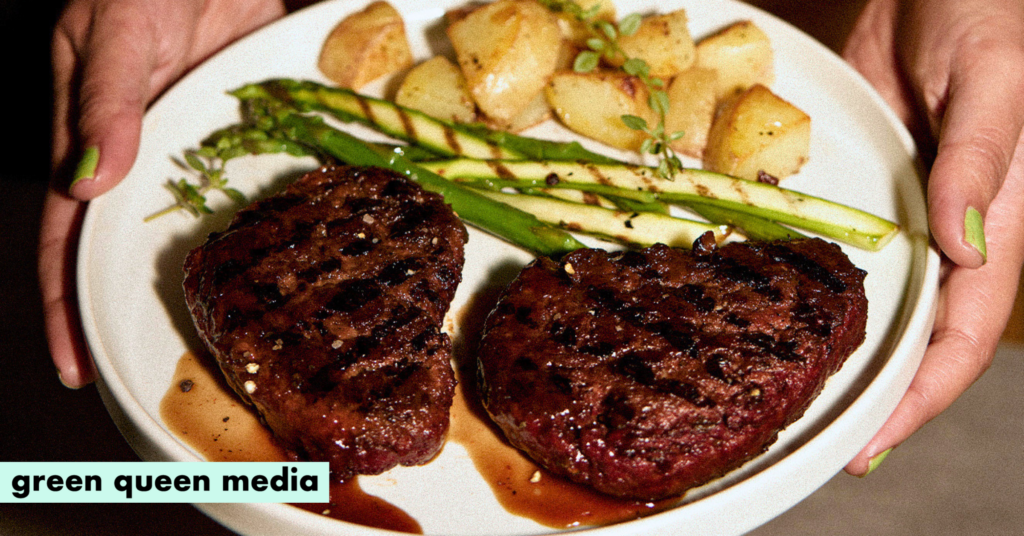
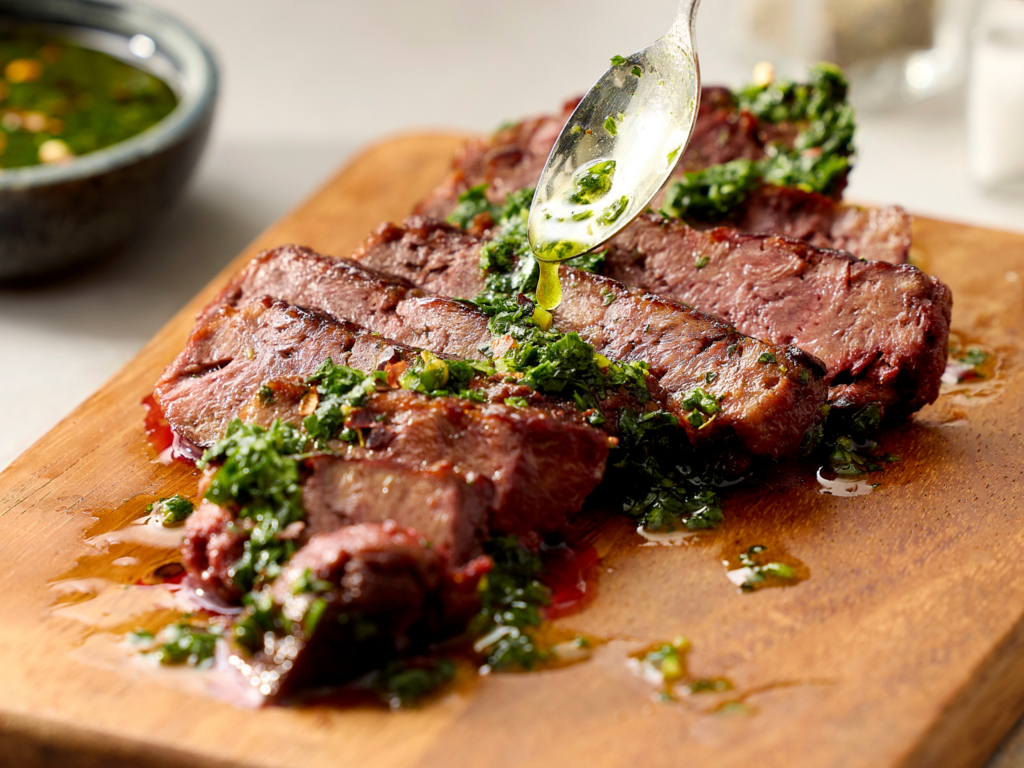
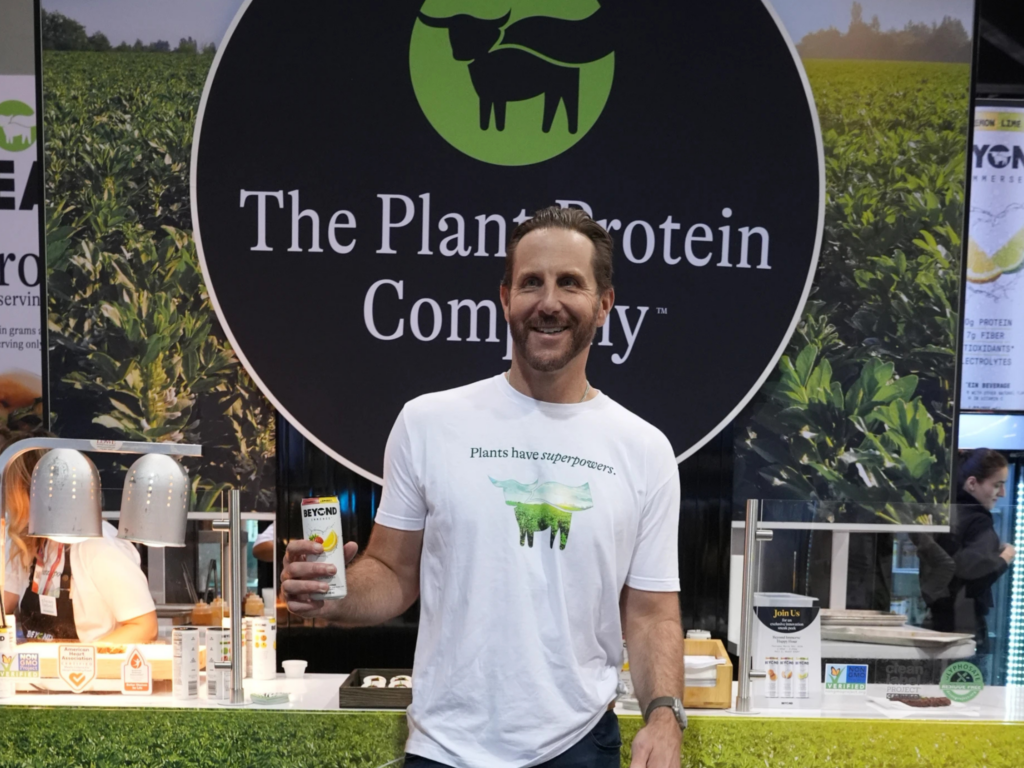
Beyond Meat is undergoing a significant transformation, the latest instance being the expansion of its Clean Label Project Certified portfolio, which now covers over 20 products, including its new protein drinks. Building on its repositioning as a Plant Protein Company rather than just a purveyor of the most well-known meat alternatives on the planet, Beyond Meat is now targeting America’s penchant for clean-label foods. The Nasdaq-listed firm now has more than 20 products certified by the Clean Label Project, with the designation now awarded to its mycelium-based steak filet, its non-meat-mimicking fava bean mince, and Beyond Immerse, its new line of sparkling protein drinks. This makes it the first company to earn the recognition for ready-to-drink protein beverages, and comes amidst its rebrand to Beyond The Plant Protein Company, or simply Beyond. The move follows several quarters of declining sales for the maker of the Beyond Burger, whose share price fell to an all-time low, leading the company to become a meme stock, deny rumors of bankruptcy, and receive a delisting warning from Nasdaq. With the rebrand, Beyond is looking, well, beyond meat with a push into the wider plant protein category. And it will hope its clean-label certifications will draw consumers back. “Third-party certifications like Clean Label Project validate the standards we hold ourselves to every day as we deliver the power of plants to the consumer,” said Beyond founder and CEO Ethan Brown. “Our commitment to clean and healthful ingredients defines us, and we are pleased to see this external recognition.”
The Evolution of Clean Label and Beyond Meat’s Strategic Pivot
The concept of "clean label" has transcended its status as a mere industry buzzword to become a fundamental product attribute within the consumer packaged goods (CPG) sector. Data from Innova Market Insights indicates that in 2025, a significant portion of food and beverage launches in North America—over one in three—featured a clean-label claim, with "no additives/preservatives" emerging as the most prominent characteristic. This heightened consumer interest is largely fueled by growing concerns surrounding ultra-processed foods (UPFs). Plant-based meat alternatives and various additive ingredients have found themselves at the center of a consumer backlash, with many health experts warning about the potential risks. This has led to a conflation in the public consciousness between the level of processing and the nutritional value of a food product.
Current consumer sentiment underscores this trend. A substantial 79% of Americans perceive UPFs as a "significant threat" to public health. Furthermore, 82% of consumers believe that a food’s healthfulness is inversely proportional to the number of artificial or unfamiliar ingredients it contains. This sentiment is reflected in purchasing decisions, with 69% of consumers actively checking labels to avoid highly processed ingredients, and an overwhelming 80% expressing a preference for familiar ingredients over artificial additives.
Beyond Meat has, in the past, faced scrutiny regarding the ingredient list of its products, a narrative often amplified by the meat industry. A notable instance occurred in 2020 when the Center for Consumer Freedom launched a Super Bowl advertisement that highlighted consumers struggling to pronounce ingredients like methylcellulose, a common component in meat alternatives. The ad’s tagline, "If you can’t spell it or pronounce it, maybe you shouldn’t be eating it," aimed to sow doubt about the perceived naturalness of these products. In response, Beyond Meat has proactively addressed these concerns through various marketing initiatives. These include advertising campaigns that emphasize the role of farmers and highlight cleaner ingredients, as well as the release of a short documentary designed to counter misinformation surrounding plant-based meat narratives. The company’s persistent pursuit of Clean Label Project certification is a strategic move to directly address these consumer concerns and enhance transparency.
However, the term "clean label" itself can be ambiguous. For some consumers, it signifies a product with a concise list of easily understandable ingredients. The Clean Label Project, on the other hand, focuses its accreditation on a more rigorous assessment, screening products for harmful environmental toxins such as heavy metals, pesticides, and plasticizers, and evaluating ingredient quality. Beyond Meat’s expanded portfolio, now boasting over 20 Clean Label Project Certified products, aims to establish a "new benchmark for transparency and purity" in the eyes of consumers.
A Strategic Rebrand and Diversification into Broader Protein Categories
The company’s strategic pivot is further underscored by its rebrand to "Beyond The Plant Protein Company," or simply "Beyond." This rebranding signifies a conscious effort to move beyond the sole focus on mimicking meat and to embrace a broader spectrum of plant-based protein offerings. This diversification strategy is designed to tap into America’s robust appetite for protein, extending Beyond’s reach beyond traditional meat alternatives.
The Clean Label Project’s recognition extends to Beyond Immerse, the company’s new line of sparkling protein drinks. Launched in January, the product experienced a rapid sell-out and was subsequently expanded with new flavors within weeks, indicating strong initial consumer demand. This new beverage line is a key component of the company’s rebranding efforts, aimed at appealing to a wider consumer base by offering diverse protein sources.
A spokesperson for Beyond shared with Green Queen that "Our expansion into additional protein categories builds on our core competencies in an innovation-first approach, culinary standards, and sustainability principles that define us, and strengthens our ability to meet more consumer needs." The spokesperson elaborated, "It puts less focus on mimicry, an increasingly complicated and limiting frame, and more focus on the high-quality plant protein products we offer. It also gives us room to grow beyond centre-of-the-plate protein and meet a broader range of consumer protein needs over time."
While the company remains committed to its leadership in the plant-based meat category, CEO Ethan Brown has acknowledged the current market dynamics, stating that "it’s just not the moment for plant-based meat right now." This statement, made in a recent interview with the Associated Press, suggests a strategic recalibration of priorities in light of prevailing market conditions and consumer preferences.
Industry Reactions and Broader Implications
Molly Hamilton, executive director of the Clean Label Project, commented on Beyond Meat’s expanded certification, stating, "Earning Clean Label Project certification across more than 20 products demonstrates Beyond Meat’s continued focus on transparency and product quality. Our program is designed to recognize brands that take proactive steps to evaluate and address contaminants in the products consumers rely on every day. These certifications underscore Beyond Meat’s commitment to accountability and exceeding the status quo." This endorsement from a respected third-party certifier lends significant weight to Beyond Meat’s claims of enhanced product integrity.
The emphasis on food safety and ingredient purity has gained considerable momentum in the US market, partly driven by initiatives such as Health Secretary Robert F. Kennedy Jr.’s "Make America Healthy Again" (MAHA) movement. Kennedy Jr. has pledged to address a petition from former FDA Commissioner David Kessler, which calls for the revocation of the Generally Recognized As Safe (GRAS) status for several food additives and their subsequent removal from the food supply. This broader regulatory and public health focus creates a favorable environment for companies like Beyond Meat that are prioritizing clean-label attributes.
The implications of Beyond Meat’s strategic shift are multifaceted. Firstly, by diversifying its product portfolio beyond meat alternatives, the company aims to mitigate risks associated with its historically core business and tap into new growth areas within the broader plant protein market. This includes expanding its presence in the ready-to-drink beverage sector, which has shown robust growth in recent years.
Secondly, the intensified focus on Clean Label Project certification is a direct response to consumer demand for transparency and perceived healthfulness. By addressing concerns about processing and ingredient lists, Beyond aims to rebuild consumer trust and differentiate itself in a crowded market. This strategy also positions the company to benefit from the growing consumer awareness of the potential health impacts of ultra-processed foods.
Thirdly, the rebrand to "Beyond" signifies a more inclusive identity, acknowledging that plant-based protein consumption extends beyond the direct replacement of meat. This allows the company to engage with a wider range of dietary preferences and health goals, appealing to consumers seeking convenient, nutritious, and sustainably sourced protein options.
The company’s financial performance has been a significant factor in driving these strategic changes. Following a period of rapid growth, Beyond Meat experienced declining sales and a sharp drop in its share price, leading to its classification as a "meme stock" and a delisting warning from Nasdaq. This challenging financial landscape has necessitated a decisive strategic overhaul. The success of this transformation will hinge on Beyond’s ability to effectively communicate its value proposition to consumers, navigate the complexities of the evolving food industry, and ultimately regain investor confidence. The expanded clean-label portfolio and the broader embrace of plant protein represent a significant step in this ongoing journey.
