
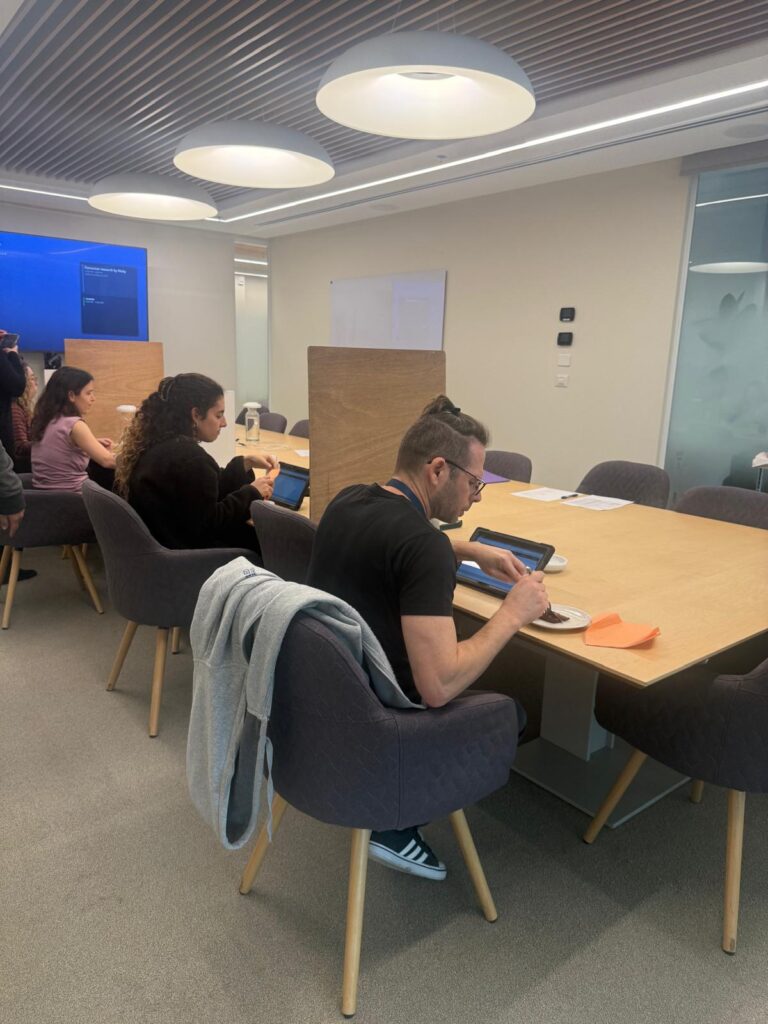
In a groundbreaking development for the burgeoning cultivated meat industry, Aleph Farms has announced the results of a recent blind taste test where its cultivated Black Angus steak was rated by consumers as indistinguishable from conventional beef in terms of flavor and texture. The study, conducted in partnership with New Sense Research, involved 60 regular meat-eating consumers who dine frequently at chef-led restaurants. The findings indicate a significant step towards mainstream acceptance of cultivated meat, with half of the participants expressing willingness to order the product in a restaurant setting, a figure comparable to conventional beef.
The Rehovot-based company, a pioneer in producing cultivated meat from animal cells, conducted the taste test at its facility last month. The objective was to ascertain if cultivated meat could meet the critical benchmark of taste and texture parity with traditional beef, a non-negotiable prerequisite for widespread consumer adoption. The results of this independent, blind evaluation offer compelling validation for Aleph Farms’ technology and its commitment to delivering a product that satisfies discerning palates.
Key Findings: Parity and Preference in Blind Consumption
The study revealed that 96% of participants accepted the cultivated steak, a figure only marginally lower than the 98% acceptance rate for the conventional beef steak. Crucially, when asked about their likelihood to order the product as part of a meal in a restaurant, 50% of participants indicated they would order Aleph Farms’ cultivated steak, while 51% said the same for the conventional beef steak. Researchers noted, "The purchase intentions of the two cuts are similar, with no significant difference between the samples." This parity in purchase intent is a monumental achievement, suggesting that the cultivated product can compete directly with its conventional counterpart on appeal.
Further details shared exclusively with Green Queen revealed that the texture of Aleph Farms’ cultivated meat is on par with conventional beef. Moreover, the study highlighted that the health positioning of cultivated meat resonated positively, particularly among consumers who are already engaged with innovative food technologies.

Didier Toubia, Co-founder and CEO of Aleph Farms, emphasized the significance of these findings: "Parity is the prerequisite, not the ceiling. You cannot ask consumers to make a values-based choice if the product does not first meet their expectations on taste and texture. Our study shows we have cleared that bar on the attributes that matter most in a blind setting."
Cultivated Meat Edges Closer to Ideal Texture
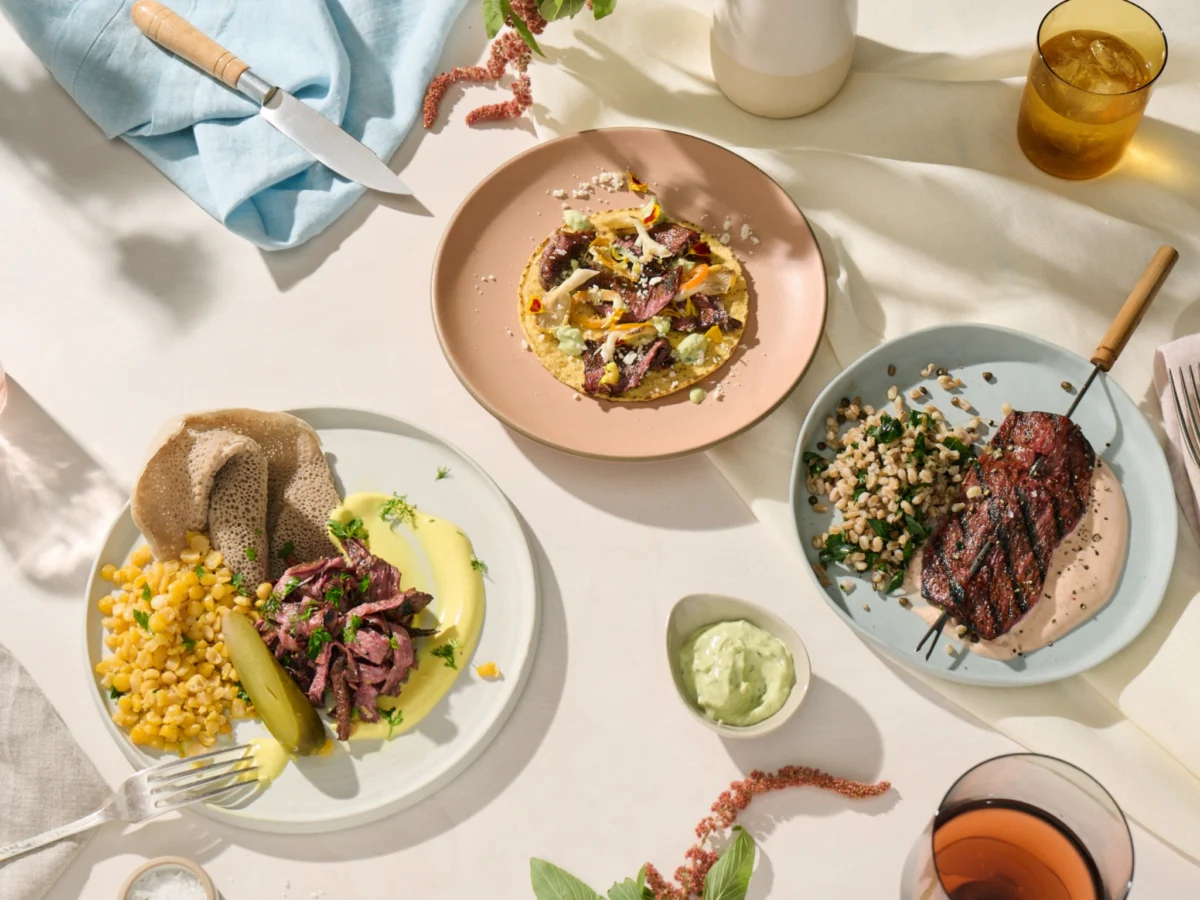
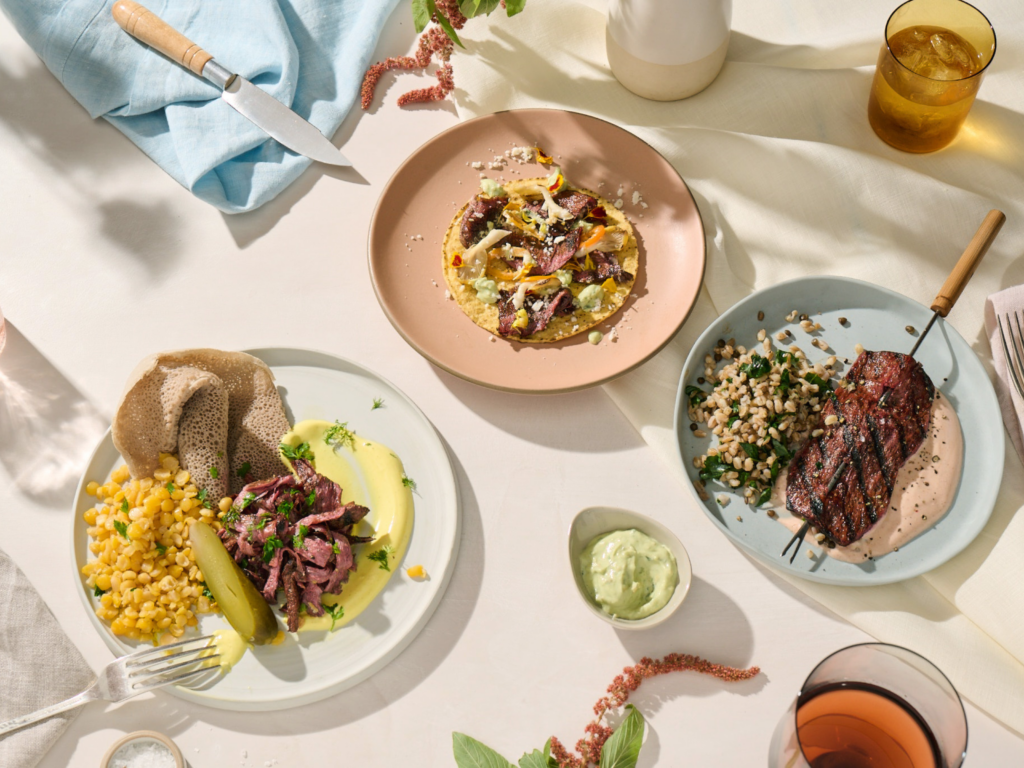
Aleph Farms’ flagship offering, the Petit Steak, is a hybrid meat product that combines non-modified, non-immortalized cells from a Black Angus cow with a plant-protein matrix derived from soy and wheat. Marketed under the Aleph Cuts brand, this product aims to replicate the sensory experience of traditional steak.
In the blind taste test, Aleph Cuts achieved a score of 7.6 out of 10 for tenderness, slightly surpassing the conventional steak’s rating of 7.3. On juiciness, the cultivated meat scored 7.4, compared to 7.7 for the conventional beef. While these differences were not statistically significant, they indicate that the cultivated product is highly competitive.
More telling were the participants’ responses when asked to assess each attribute on a "just-about-right" scale. The conventional steak was perceived by some as not tender or juicy enough and requiring excessive chewing. In contrast, the cell-cultured meat scored closer to the ideal on all three metrics: tenderness, juiciness, and ease of chewing.
"Texture has been our primary focus for the past five years, and this study validated that work," Toubia stated. "On tenderness and juiciness, Aleph Cuts performed on par with conventional beef with no statistically significant difference. That is a significant milestone for us. Our differentiation strategy has always been to lead with texture and build from there, and the data confirms we are on the right track. We will continue improving every dimension of the product, as any serious food company does. But the fact that consumers in a blind test said they would order Aleph Cuts at a restaurant at the same rate as conventional beef tells us the foundation is solid."
Health Perceptions Enhance Consumer Interest
Beyond taste and texture, the study also delved into consumer perceptions regarding the nutritional and health aspects of cultivated meat. When presented with a product description that included the nutritional profile—lower in fat, saturated fat, calories, and cholesterol than conventional steak—the attractiveness of the product remained high, with 72% of participants giving it a top-two-box rating. This was identical to the attractiveness score when the product was presented with no nutritional claims, suggesting that the inherent appeal of the taste and texture was sufficient to drive interest.
"Top-two-box is a standard research metric used across the food industry to measure positive purchase intent. It captures everyone who said they would probably or definitely order the product," explained Toubia. "The most meaningful way to read our result is not in isolation but in comparison: Aleph Cuts and conventional beef scored within one percentage point of each other, with no statistically significant difference between them. These were regular beef-eating restaurant-goers who had no idea what they were tasting. Their willingness to order cultivated beef was indistinguishable from their willingness to order conventional beef."
Subsequently, participants were informed about the existing concept of Aleph Cuts, including its nutritional benefits and the presence of essential nutrients like iron and vitamin B12, which are typically associated with beef. The response was overwhelmingly positive. A significant 61% of participants stated that learning about these nutritional benefits increased their interest in the product, while only 11% indicated that it decreased their interest. "The health story adds appeal. It does not create friction," Toubia noted.
Nutritional Superiority as a Differentiator
Aleph Farms’ strategic expansion plans include scaling up production. The company operates a 65,000 square foot facility in Rehovot, Israel, with an initial production capacity of 10 tonnes of cultivated steak annually. Furthermore, Aleph Farms is constructing a factory in Thailand in collaboration with biotech firms BBGI and Fermbox Bio. They have also formed strategic alliances with The Cultured Hub in Switzerland and Cell Agritech in Malaysia to facilitate production for their European and Asia-Pacific operations, respectively.

To date, Aleph Farms has secured $147 million in funding and is actively seeking additional capital. The company has already received regulatory clearance to sell its cultivated steak in Israel and is awaiting approval in Singapore, the United Kingdom, and Switzerland. Plans are in motion to seek regulatory approval in the European Union and the United Arab Emirates. The company aims to launch its products with restaurant partners in Israel and Singapore by 2027.
"This study matters because it is independent, it is blind, and it uses the same methodology the food industry uses to evaluate any new product," Toubia stated. "For us, the findings validate our product strategy and confirm product-market fit. We set out to deliver the right product to the right consumer at the right price, and the data shows we are there. Consumers who had no idea what they were tasting chose cultivated beef at the same rate as conventional beef. That is not a theoretical result. It is evidence that our strategy works. For the wider category, it is proof that cultivated meat is ready to be evaluated on the same terms as any other food. Not as a concept. As a product."
Toubia further elaborated on what sets Aleph Cuts apart: "Aside from taste, what makes Aleph Cuts genuinely different is that it’s nutritionally superior to beef. 80% less cholesterol, nine times more polyunsaturated fat, comparable protein, and fewer calories. All with the same beef-eating experience. When the product is priced right, performs right, and is nutritionally better than what it replaces, consumers do not need to make a sacrifice. On the contrary, they buy Aleph Cuts because it is meeting an unmet need for high-quality, indulgent, and healthy proteins. That changes the conversation entirely."
Background and Broader Implications
The development of cultivated meat has been a long-standing pursuit within the scientific and food technology communities, driven by concerns over the environmental impact of conventional animal agriculture, animal welfare, and food security. The process involves harvesting a small sample of animal cells, which are then cultured in a nutrient-rich medium within bioreactors to grow into muscle and fat tissue. This method promises to produce meat without the need for raising and slaughtering animals.
However, early iterations of cultivated meat often struggled with texture and flavor profiles, and the high cost of production presented a significant barrier to market entry. Companies like Aleph Farms have focused on addressing these challenges through technological innovation and strategic product development. The hybrid approach, combining cultivated cells with plant-based ingredients, has emerged as a pragmatic strategy to optimize both sensory attributes and cost-effectiveness.
The results from Aleph Farms’ blind taste test have significant implications for the future of food. They suggest that cultivated meat is no longer a niche product for early adopters but is poised to enter the mainstream consumer market. The ability to achieve parity with conventional beef in a blind setting removes a major psychological hurdle for consumers. Furthermore, the positive reception to the health benefits indicates that cultivated meat can be positioned not just as an ethical or environmental alternative, but as a healthier option for consumers seeking to improve their diets.
The success of this taste test could accelerate investment and innovation across the cultivated meat sector. As regulatory approvals expand globally and production scales up, the competitive landscape will likely intensify. Companies that can demonstrate consistent quality, compelling taste, and clear health advantages, while also achieving price competitiveness, will be best positioned for success. The journey from laboratory innovation to supermarket shelves and restaurant menus is complex, involving not only technological prowess but also effective marketing, consumer education, and robust supply chains. Aleph Farms’ recent study provides compelling evidence that the foundational elements for mainstream acceptance are increasingly in place.
