
The landscape of personal well-being continued its intricate evolution throughout 2021, as individuals grappled with the persistent influence of the COVID-19 pandemic. This period, characterized by a nuanced return to pre-pandemic routines interspersed with newly adopted habits and hobbies, also brought about shifts in dietary patterns and lifestyle choices. A significant U.S. consumer survey conducted during 2021 indicated a moderation in certain behaviors that had seen a dramatic surge in 2020. Specifically, the proportion of Americans reporting increased snacking decreased from 32% in 2020 to 18% in 2021. Similarly, the number of individuals admitting to "eating more in general" dropped from 20% in 2020 to 11% in 2021. However, this trend of recalibration was not uniform across all aspects of food consumption. The survey also revealed a decline in home cooking, with only 47% of consumers reporting this habit in 2021, a notable decrease from 60% in the preceding year. Furthermore, the findings underscored persistent and significant disparities in food security across the nation, highlighting ongoing challenges in ensuring equitable access to nutritious food for all segments of the population. Beyond dietary considerations, the pervasive impact of the COVID-19 pandemic continued to manifest in a wide array of unique and individualized challenges. The emergence of new disease variants served as a stark reminder of the critical and ongoing need for expanded global vaccination efforts, particularly in low- and lower-middle-income countries where access to essential medical interventions remains a significant hurdle.
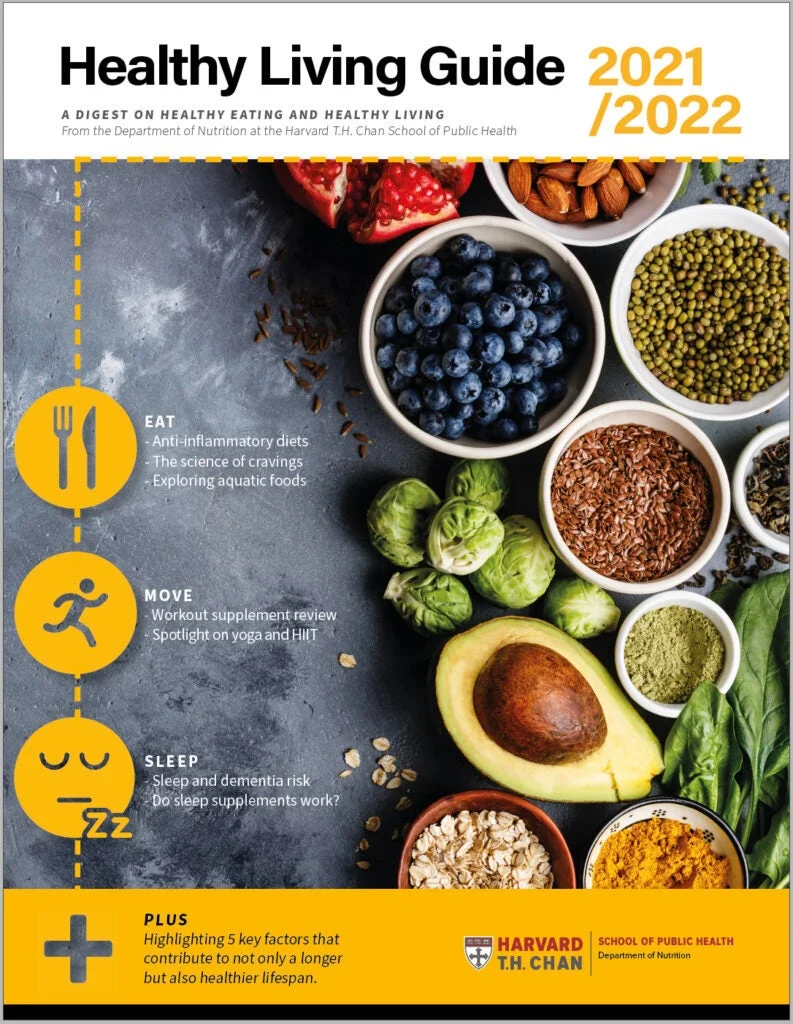
In response to these evolving circumstances and the enduring public health imperative, health and nutrition experts are once again emphasizing the importance of integrating healthy behaviors into daily life. The latest iteration of the "Healthy Living Guide," a resource designed to offer actionable advice and evidence-based information, revisits fundamental themes of optimal nutrition, regular physical activity, and adequate sleep. This year’s guide, building upon the foundational knowledge shared in previous editions, incorporates selected research highlights and delves deeper into popular nutrition and lifestyle topics. The overarching aim is to equip individuals with the knowledge and tools necessary to foster a healthier and more fulfilling existence throughout 2022 and beyond. The guide is available for download as a printable PDF, featuring concise tip sheets and summaries, with many of the full online articles accessible through direct links for more in-depth exploration.
The Shifting Tides of Consumer Behavior in 2021
The year 2021 presented a complex picture of consumer behavior, marked by a gradual recalibration following the unprecedented disruptions of 2020. While the initial surge in certain pandemic-related habits began to subside, other trends persisted, indicating a more ingrained adaptation to the altered realities of daily life. The decrease in reported snacking and general overeating suggests a conscious effort by some individuals to regain a sense of normalcy and control over their dietary intake. This shift could be attributed to several factors, including the reopening of public spaces, a return to more structured work environments, and a growing awareness of the long-term health implications of inconsistent eating patterns.
However, the decline in home cooking warrants closer examination. In 2020, lockdowns and restrictions had propelled a significant portion of the population into their kitchens, fostering new culinary skills and a greater appreciation for homemade meals. The subsequent decrease in 2021 may reflect a desire to return to pre-pandemic social activities, including dining out, or a sense of fatigue with the demands of meal preparation. This trend raises potential concerns regarding the nutritional quality of diets, as restaurant meals and convenience foods can often be higher in sodium, unhealthy fats, and added sugars compared to home-cooked alternatives. The International Food Information Council (IFIC) Foundation’s 2021 Food and Health Survey provides crucial data to contextualize these observations. The survey, which polled a representative sample of American adults, revealed that while the proportion of consumers reporting they were "snacking more" fell from 32% in 2020 to 18% in 2021, and those reporting "eating more in general" decreased from 20% to 11%, the trend of reduced home cooking (down from 60% to 47%) signals a potential pivot away from one of the positive health habits that emerged during the height of the pandemic.
Persistent Food Security Challenges Amidst Evolving Lifestyles
Despite shifts in individual eating habits, the issue of food security remained a critical concern throughout 2021. The IFIC survey’s findings on food security underscored significant disparities, indicating that certain demographic groups continued to face substantial challenges in accessing adequate and nutritious food. These disparities are often exacerbated by socioeconomic factors, geographic location, and systemic inequalities. The pandemic’s economic fallout, including job losses and reduced incomes, disproportionately affected vulnerable populations, further intensifying food insecurity.
The implications of persistent food insecurity are far-reaching, impacting not only physical health but also mental well-being and educational attainment. Children experiencing food insecurity are more likely to suffer from chronic health conditions, developmental delays, and behavioral problems. Adults facing such challenges may experience increased stress, anxiety, and a higher risk of diet-related diseases. Addressing these disparities requires a multi-faceted approach, involving government assistance programs, community-based initiatives, and efforts to promote equitable access to healthy and affordable food options. The persistence of these issues, even as other pandemic-related behaviors normalized, highlights the deep-rooted nature of food insecurity and the ongoing need for robust policy interventions and community support.
The Enduring Threat of COVID-19 and the Imperative for Global Vaccination
The emergence of new COVID-19 variants in 2021 served as a potent reminder that the pandemic was far from over. This development underscored the critical importance of continued public health measures and, most significantly, the urgent need for accelerated global vaccination efforts. Health organizations and scientific bodies repeatedly emphasized that widespread vaccination is the most effective strategy for controlling the spread of the virus, preventing severe illness and death, and mitigating the emergence of new, potentially more dangerous variants.
The disparities in vaccine access between high-income and low- and lower-middle-income countries remained a significant global concern. While wealthier nations were able to secure large quantities of vaccines, many developing countries faced severe shortages, hindering their ability to protect their populations. This inequity not only posed a direct threat to the health of citizens in these nations but also created a fertile ground for the virus to mutate and spread, potentially undermining global efforts to achieve herd immunity. The World Health Organization (WHO) and other international bodies have consistently called for greater vaccine equity, urging wealthier nations to share surplus doses and to support the production and distribution of vaccines in developing countries. The long-term implications of this global health crisis are still unfolding, but it is clear that a coordinated and equitable approach to vaccination is paramount to safeguarding global health and economic recovery.
Embracing Healthy Habits for a Resilient Future
As individuals and communities continue to navigate the complexities of the post-pandemic era, the cultivation of healthy habits remains a cornerstone of personal well-being and societal resilience. The "Healthy Living Guide" serves as a valuable resource in this endeavor, offering practical guidance on core pillars of a healthy lifestyle:
Optimal Nutrition: Beyond Calorie Counting
The guide emphasizes a holistic approach to nutrition, moving beyond simple calorie restriction to focus on the quality and balance of dietary intake. Key principles often highlighted include:
- Emphasis on Whole Foods: Prioritizing fruits, vegetables, whole grains, lean proteins, and healthy fats. These foods are rich in essential vitamins, minerals, fiber, and antioxidants, which are crucial for overall health, immune function, and disease prevention.
- Mindful Eating: Encouraging individuals to pay attention to hunger and fullness cues, savor their meals, and avoid distractions during eating. This practice can help prevent overeating and foster a more positive relationship with food.
- Hydration: Stressing the importance of adequate water intake throughout the day, which plays a vital role in numerous bodily functions, including digestion, temperature regulation, and nutrient transport.
- Limiting Processed Foods: Advising a reduction in the consumption of ultra-processed foods, which are often high in added sugars, unhealthy fats, sodium, and artificial ingredients, and are linked to increased risks of chronic diseases.
- Dietary Patterns: Promoting established healthy dietary patterns, such as the Mediterranean diet or the DASH diet, which have been scientifically linked to reduced risks of heart disease, stroke, type 2 diabetes, and certain cancers.
The Power of Physical Activity: Moving for Life
Regular physical activity is presented as an indispensable component of a healthy lifestyle, offering a wide range of physical and mental health benefits. The guide likely advocates for:
- Aerobic Exercise: Encouraging at least 150 minutes of moderate-intensity or 75 minutes of vigorous-intensity aerobic activity per week, such as brisk walking, jogging, swimming, or cycling. These activities improve cardiovascular health, enhance stamina, and aid in weight management.
- Strength Training: Recommending muscle-strengthening activities at least two days per week to build and maintain muscle mass, improve bone density, and boost metabolism.
- Flexibility and Balance: Incorporating activities like yoga or stretching to improve flexibility, reduce the risk of injuries, and enhance overall mobility, particularly important for older adults.
- Reducing Sedentary Behavior: Advising individuals to break up prolonged periods of sitting by standing, stretching, or taking short walks, which can mitigate the negative health effects of a sedentary lifestyle.
The Crucial Role of Sleep: Rest and Rejuvenation
Adequate and quality sleep is recognized as a fundamental pillar of health, essential for physical recovery, cognitive function, and emotional well-being. The guide likely provides insights into:
- Sleep Duration: Recommending 7-9 hours of quality sleep per night for most adults, with variations for different age groups.
- Sleep Hygiene: Offering practical tips for improving sleep quality, such as establishing a consistent sleep schedule, creating a relaxing bedtime routine, ensuring a dark and quiet sleep environment, and avoiding caffeine and heavy meals close to bedtime.
- Recognizing Sleep Disorders: Encouraging individuals to seek medical advice if they experience persistent sleep problems, such as insomnia or sleep apnea, which can have significant impacts on health.
Broader Implications and Future Outlook
The insights gleaned from 2021’s evolving consumer behaviors and the ongoing challenges posed by the pandemic offer valuable lessons for public health strategies and individual choices. The moderation in certain pandemic-driven dietary shifts, coupled with persistent food insecurity, highlights the need for sustained efforts to promote healthy eating environments and equitable access to nutritious food. The continued threat of COVID-19 and the imperative for global vaccination underscore the interconnectedness of global health and the importance of international cooperation in addressing public health crises.
As we move forward, the principles of healthy eating, regular physical activity, and sufficient sleep remain timeless guides for fostering individual well-being and building more resilient communities. Resources like the "Healthy Living Guide" play a crucial role in disseminating evidence-based information and empowering individuals to make informed choices that contribute to a healthier and more fulfilling life. The ongoing analysis of behavioral trends and health outcomes will continue to inform public health initiatives, aiming to create a future where health and well-being are accessible to all.
