
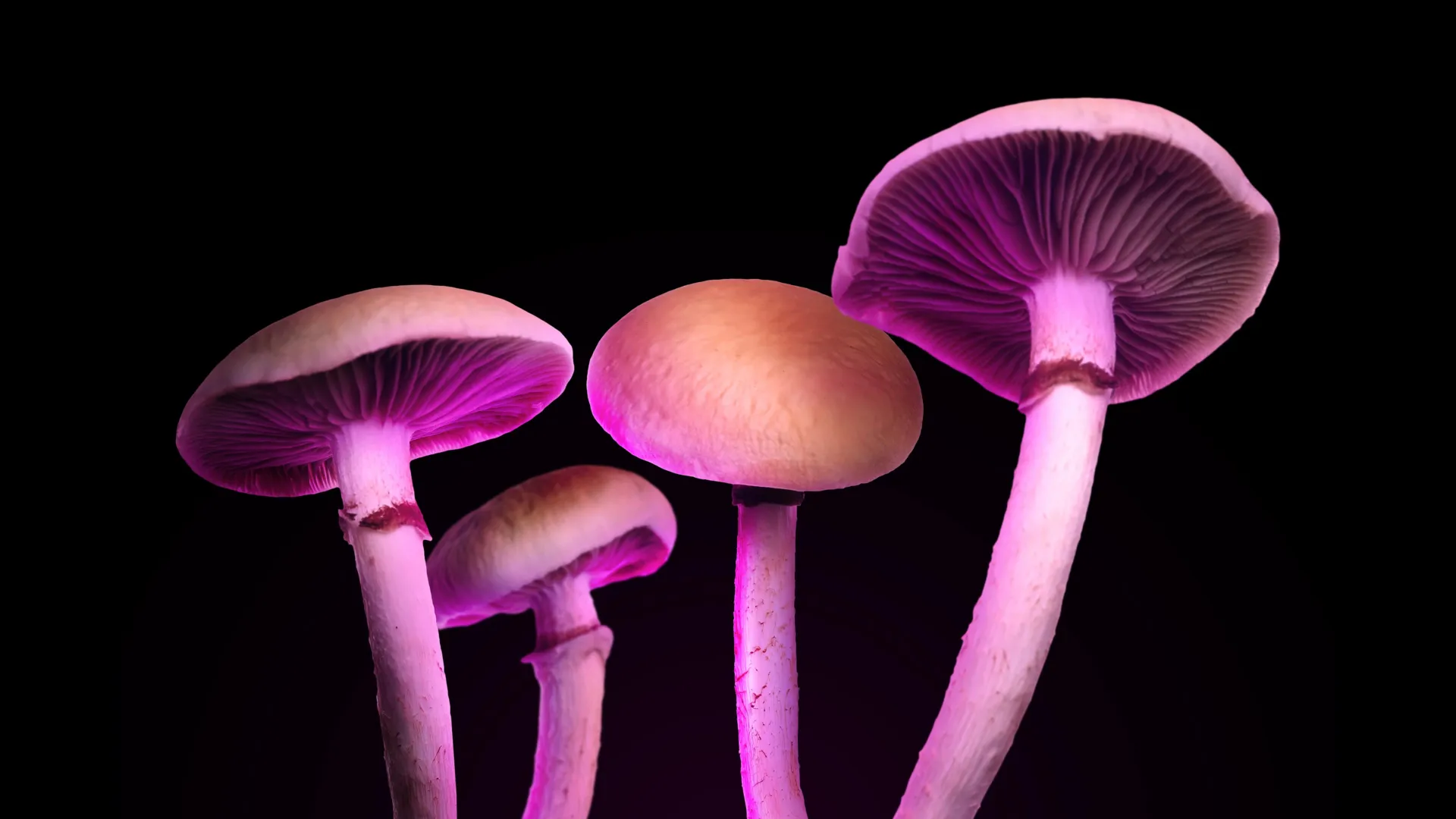
The quest for novel therapeutic interventions for a spectrum of challenging mental health conditions has taken a significant leap forward with the development of modified psilocin molecules. Psilocybin, the naturally occurring psychoactive compound found in certain species of mushrooms, has garnered substantial scientific interest for its potential to treat conditions such as depression, anxiety, substance use disorders, and even some neurodegenerative diseases. However, the profound hallucinogenic experiences associated with psilocybin have historically posed a barrier to its widespread integration into clinical practice. Now, a groundbreaking study published in the Journal of Medicinal Chemistry by researchers at the University of Trieste and collaborators offers a promising avenue: engineered psilocin derivatives that retain therapeutic activity while significantly mitigating their hallucinogenic potential.
The research team, led by Andrea Mattarei, Sara De Martin, and Paolo Manfredi, has successfully designed and tested five novel chemical variants of psilocin, the active metabolite of psilocybin in the body. Their work addresses a fundamental challenge in psychedelic medicine: the dissociation of therapeutic benefits from intense perceptual alterations. "Our findings are consistent with a growing scientific perspective suggesting that psychedelic effects and serotonergic activity may be dissociated," stated Andrea Mattarei, a corresponding author of the study. "This opens the possibility of designing new therapeutics that retain beneficial biological activity while reducing hallucinogenic responses, potentially enabling safer and more practical treatment strategies."
The Serotonin Connection: A Target for Neurological Disorders
The intricate relationship between serotonin, a critical neurotransmitter, and brain function has long been a focus of neurological and psychiatric research. Serotonin plays a pivotal role in regulating mood, sleep, appetite, and numerous other cognitive and emotional processes. Disruptions in serotonin pathways are implicated in a wide array of disorders, including major depressive disorder, generalized anxiety disorder, obsessive-compulsive disorder, and even neurodegenerative conditions like Alzheimer’s disease, where imbalances can contribute to cognitive decline and behavioral changes.
For decades, scientists have been drawn to psychedelics like psilocybin due to their profound influence on serotonin signaling. These compounds primarily act as agonists at serotonin receptors, particularly the 5-HT2A receptor, which is widely distributed in the brain and is believed to mediate many of their perceptual and emotional effects. While the therapeutic potential of this serotonergic modulation is increasingly recognized, the accompanying hallucinations can be a significant deterrent for patients and a logistical challenge for clinicians. The intensity of these subjective experiences can range from mild perceptual shifts to profound alterations in reality, which, while potentially therapeutic in a controlled setting, can be overwhelming or even frightening for some individuals. This has spurred a critical need for agents that can harness the beneficial neurochemical effects without the accompanying psychoactive intensity.
A Strategic Design: Engineering Psilocin for Therapeutic Precision
The research undertaken by the University of Trieste team aimed to circumvent the hallucinogenic aspect of psilocybin by modifying its active form, psilocin. Their strategy involved engineering chemical variants of psilocin designed to achieve a more controlled and sustained release of the active molecule into the brain. The hypothesis was that a slower, steadier influx of psilocin would allow for engagement with therapeutic targets, such as serotonin receptors, without overwhelming the system and triggering the intense hallucinogenic effects.
The development process involved a meticulous, multi-stage approach. Initially, the researchers synthesized five distinct chemical analogs of psilocin. These were not arbitrary modifications but were carefully designed based on an understanding of psilocin’s molecular structure and its interaction with serotonin receptors. The goal was to alter the pharmacokinetic properties – how the body absorbs, distributes, metabolizes, and excretes the drug – to achieve the desired controlled release profile.
Rigorous Pre-Clinical Evaluation: Identifying a Promising Candidate
The initial phase of the study involved in vitro experiments designed to mimic the conditions the compounds would encounter in the human body. These included testing the stability of the synthesized compounds in human plasma samples, which provided insights into how they would behave once absorbed into the bloodstream. Crucially, they also simulated gastrointestinal absorption to understand how effectively the compounds could be taken orally and reach circulation.
From these initial screenings, one compound, designated as "4e," emerged as the most promising candidate. Compound 4e demonstrated robust stability during the simulated absorption process, indicating its potential for reliable oral delivery. More importantly, it exhibited a gradual release of psilocin, a key characteristic that aligned with the researchers’ objective of reducing hallucinogenic responses. Concurrently, laboratory assays confirmed that 4e effectively activated key serotonin receptors, including the 5-HT2A receptor, at levels comparable to pharmaceutical-grade psilocin. This dual property – sustained release and receptor engagement – underscored its potential as a therapeutic agent.
In Vivo Studies: Differentiating Effects in Rodent Models
The next critical step involved translating these promising in vitro findings into an in vivo setting. Researchers conducted a comparative study using mice, administering equivalent oral doses of the lead candidate, 4e, and pharmaceutical-grade psilocybin. The study meticulously tracked the concentration of psilocin in the bloodstream and brain over a 48-hour period following administration.
The results of this pharmacokinetic analysis were highly encouraging. The study revealed that compound 4e was efficiently absorbed and successfully crossed the blood-brain barrier, reaching the central nervous system. However, the levels of psilocin observed in the brains of mice treated with 4e were notably lower than those seen with psilocybin. Crucially, these lower levels were maintained for a more extended duration. This sustained, albeit lower, concentration of psilocin in the brain is precisely the controlled release profile the researchers aimed to achieve, suggesting a mechanism for prolonged therapeutic effect without intense acute psychoactivity.
Behavioral Observations: Quantifying Reduced Hallucinogenic-Like Activity
Beyond pharmacokinetic data, the study incorporated behavioral observations to directly assess the psychoactive potential of 4e. In rodent models, head twitches are a well-established and reliable indicator of psychedelic-like activity, reflecting the engagement of specific neural circuits involved in perceptual alteration. The research team observed a significant difference in this behavioral marker between the two treatment groups.
Mice that received 4e exhibited a substantially lower frequency of head twitches compared to those treated with psilocybin. This reduction in a key indicator of psychedelic-like activity was observed even though 4e demonstrated strong interaction with serotonin receptors, suggesting that the compound was indeed engaging with the relevant neurochemical pathways. The researchers attribute this critical difference primarily to the nuanced release kinetics of psilocin into the brain. The slower and steadier release facilitated by the engineered molecule appears to prevent the acute, overwhelming surge of serotonin receptor activation that is associated with intense hallucinations.
The Dawn of Psychedelic-Inspired Medicines: A New Era in Treatment?
The findings from this pre-clinical research carry significant implications for the future of mental health treatment. The ability to design stable psilocin-based compounds that can effectively reach the brain and modulate serotonin receptors while simultaneously reducing the profound mind-altering effects is a major breakthrough. This research suggests that it may indeed be possible to develop "psychedelic-inspired" medicines that offer the therapeutic benefits of compounds like psilocybin without the associated risks and patient hesitancy.
The potential applications are vast. For individuals suffering from severe and treatment-resistant depression, anxiety disorders, or addiction, these modified compounds could offer a more accessible and less daunting therapeutic option. The reduced hallucinogenic profile could also simplify clinical administration, potentially allowing for greater flexibility in treatment settings and reducing the need for extensive psychological support during administration, although such support remains a cornerstone of psychedelic-assisted therapy.
Furthermore, the implications extend to neurodegenerative diseases where mood disturbances and cognitive impairments are common. If these compounds prove safe and effective in human trials, they could represent a novel approach to managing the psychological and neurological symptoms associated with conditions like Alzheimer’s and Parkinson’s disease.
Next Steps and Future Directions
While these findings are highly encouraging, the researchers emphasize that further investigation is crucial. The current study was conducted in rodent models, and human physiology and brain function are considerably more complex. Comprehensive pre-clinical toxicology studies will be necessary to fully understand the safety profile of these new compounds. Subsequent clinical trials in human participants will be essential to evaluate their efficacy, optimal dosing, long-term safety, and precise therapeutic mechanisms.
The research team also plans to delve deeper into the molecular mechanisms underlying the observed effects. Understanding precisely how these modified molecules interact with serotonin receptors and downstream signaling pathways will be key to further refining their design and predicting their therapeutic potential. The study’s authors are also exploring the potential for these compounds to modulate other neurobiological systems that may contribute to their therapeutic effects, beyond direct serotonin receptor activation.
The research was supported by funding from MGGM Therapeutics, LLC, in collaboration with NeuroArbor Therapeutics Inc. This industry-academic partnership highlights the growing commercial and scientific interest in developing novel psychedelic therapeutics. Several authors of the study have declared their inventorship on patents related to psilocin, indicating a commitment to translating these scientific discoveries into tangible medical treatments.
In conclusion, the development of these novel psilocin derivatives represents a pivotal moment in the field of psychedelic research. By decoupling therapeutic activity from intense hallucinogenic effects, scientists are paving the way for a new generation of safer, more practical, and potentially more widely accessible treatments for a range of debilitating neurological and psychiatric conditions. The journey from laboratory discovery to approved medicine is long and rigorous, but these early findings offer a powerful beacon of hope for millions worldwide.
