
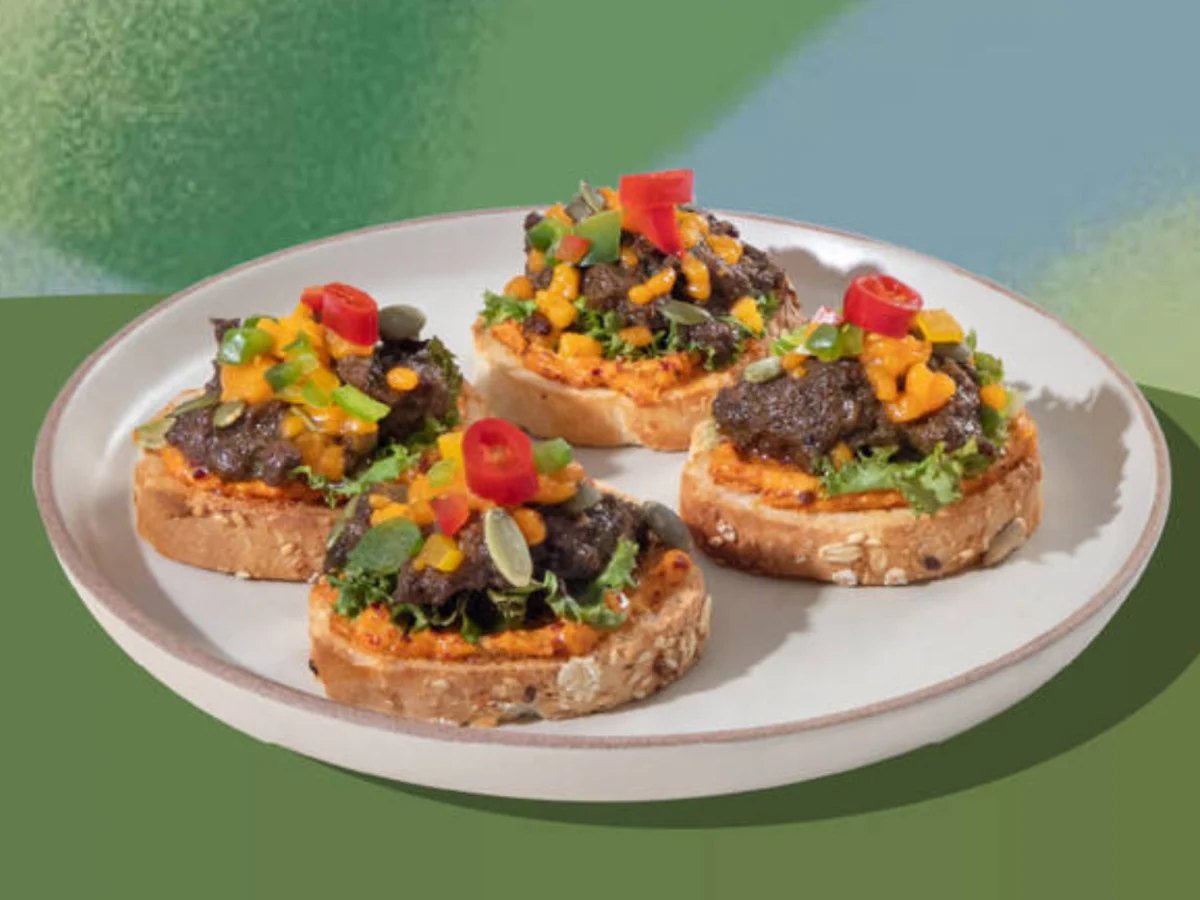
Starbucks has launched a new menu item centered on local startup GoodDot’s soy and pea protein mince, extending its plant-based bet to satiate India’s hunger for protein. Indians can now walk into a Starbucks store and grab a breakfast meal with around 50g of animal-free protein. This strategic move marks a significant expansion of Starbucks’ plant-based portfolio in India, leveraging the country’s burgeoning demand for protein-rich foods and the growing alternative protein ecosystem.
The global coffee giant has previously signaled its intent to tap into India’s protein market. Earlier this year, Starbucks pioneered the "Proffee" movement in India by rolling out cold foams fortified with yeast protein from another Indian startup, SuperYou. This initiative demonstrated Starbucks’ willingness to collaborate with local innovators to introduce novel, protein-enhanced beverage options. The current partnership with GoodDot, however, signifies a deeper dive into the food segment, addressing the growing awareness and need for substantial protein intake among Indian consumers.
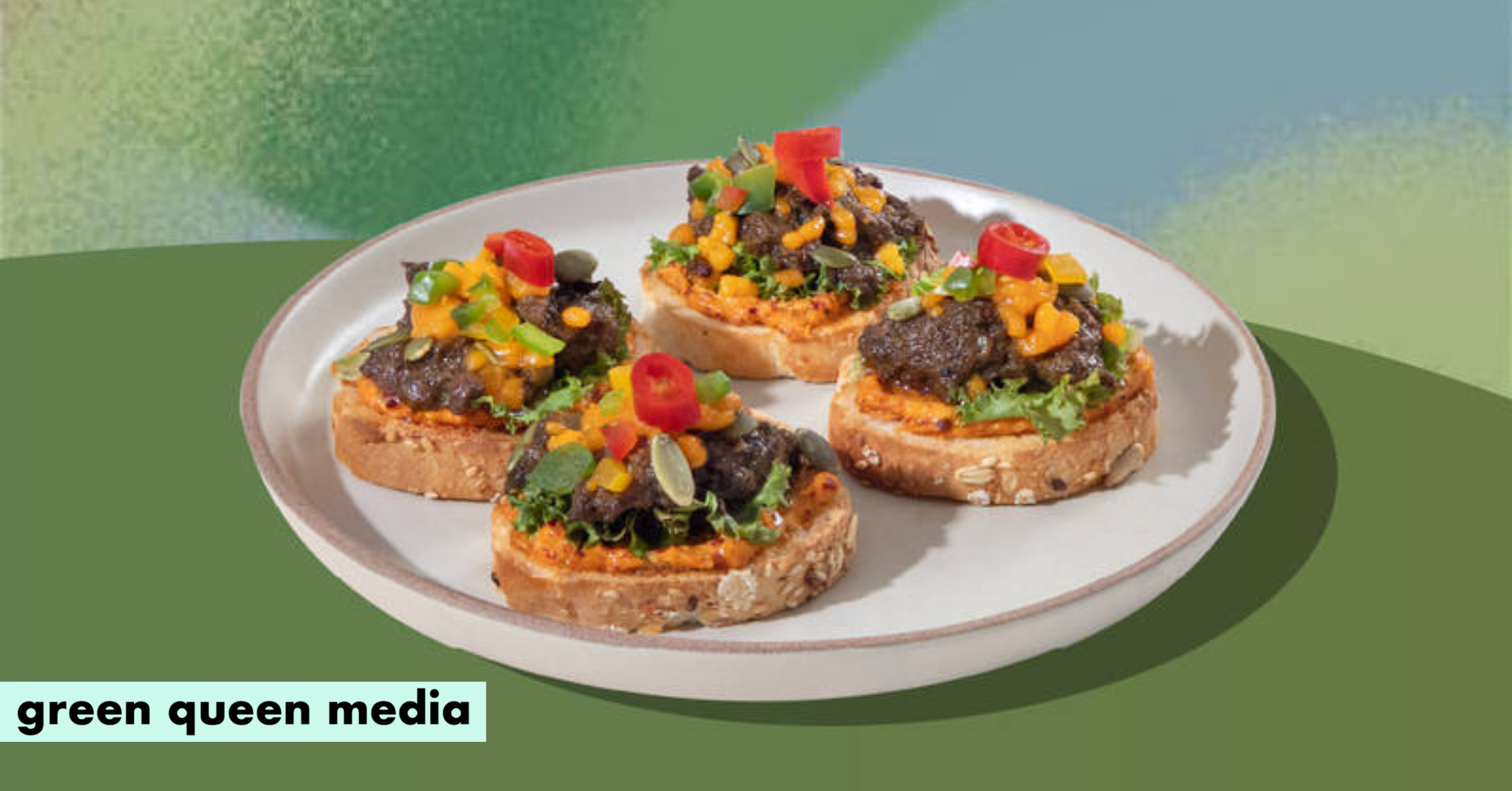
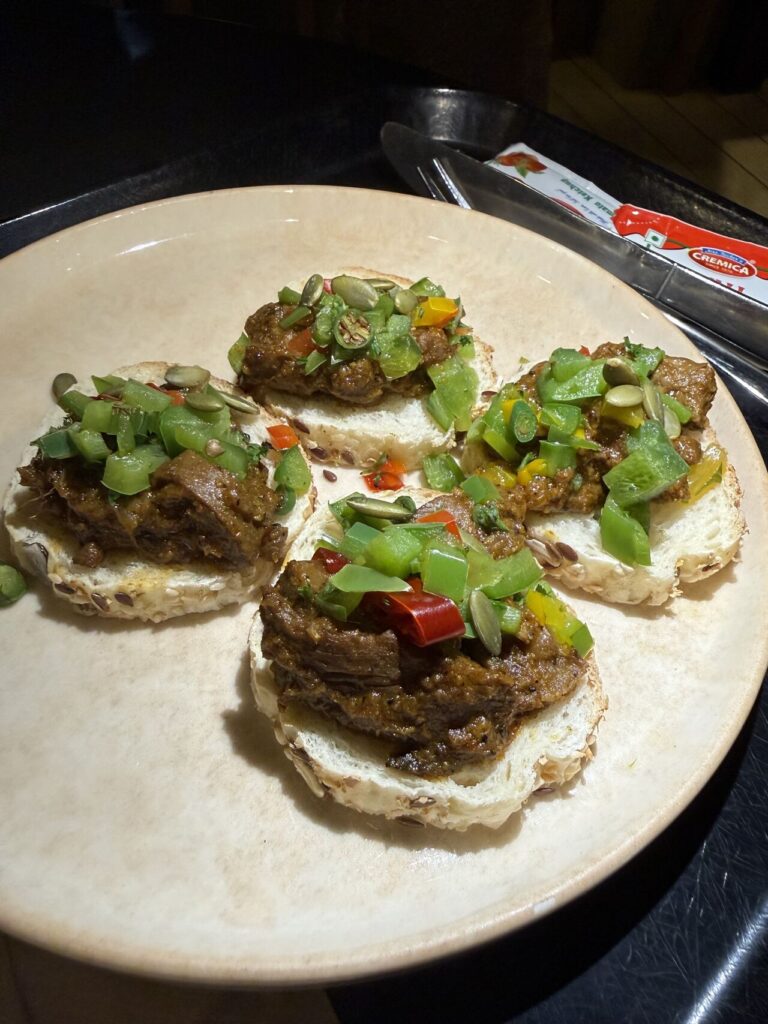
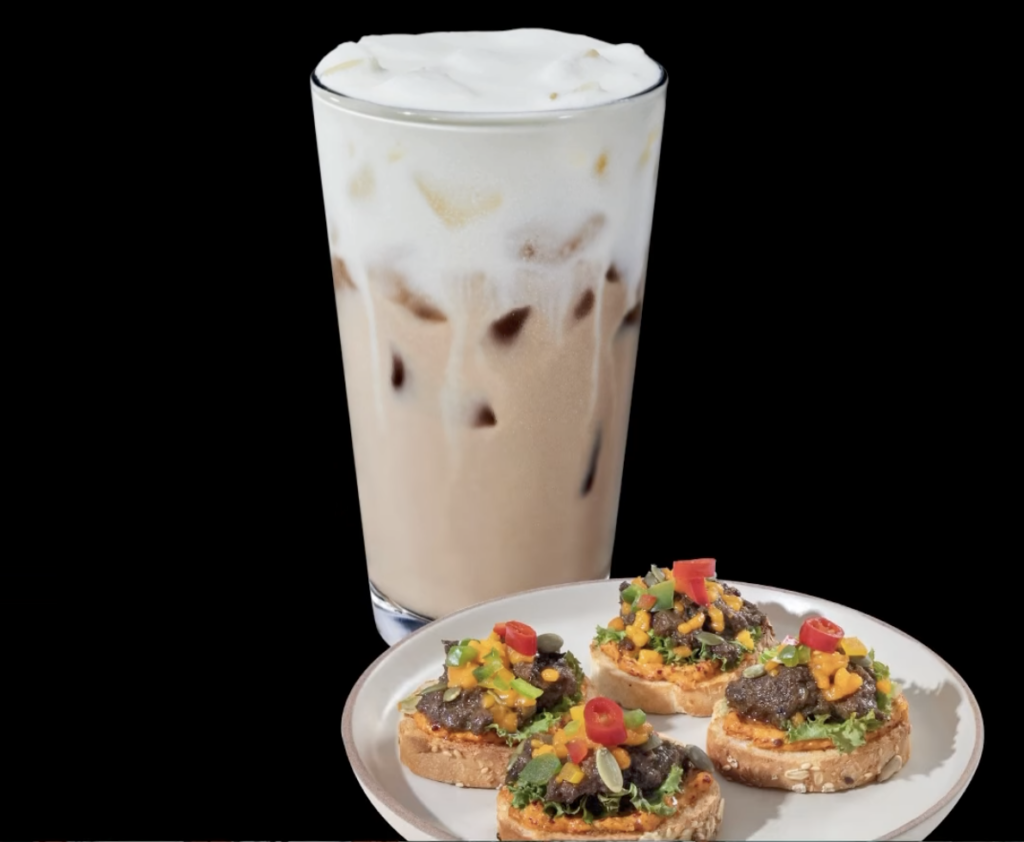
Starbucks India’s latest offering, the "Soya Protie Toastie," is a bruschetta-style toast topped with a Chettinad curry crafted from GoodDot’s signature soy and pea protein mince. Each serving of this innovative dish boasts an impressive 32 grams of protein. While the standard preparation includes cheese, GoodDot co-founder and CEO Abhishek Sinha confirmed to Green Queen that the item can be customized to be fully vegan upon request, as it is prepared fresh in-store. This flexibility caters to a wider range of dietary preferences and ethical considerations.
The Strategic Imperative: Addressing India’s Protein Deficit
The partnership between Starbucks and GoodDot is strategically timed, given the significant protein deficiency prevalent in India. Research indicates that approximately 80% of the adult population in India suffers from inadequate protein intake. This statistic, coupled with an increasing consumer awareness about the importance of protein for overall health and well-being, has created a fertile ground for alternative protein solutions. While discussions around the nuances of protein consumption continue, the overall trend shows Indians are indeed consuming more protein than ever before.
The Indian protein market is already a substantial economic force, valued at an estimated $1.5 billion. Projections indicate this market is poised for substantial growth over the next decade, largely propelled by the expansion of the alternative protein sector. Consumer surveys further underscore this trend, with 37% of Indian citizens expressing a desire to incorporate more plant proteins into their diets. Notably, a larger proportion of consumers are keen to increase their protein intake from plant-based sources rather than animal sources, signaling a significant shift in dietary preferences.
Abhinav Sinha, co-founder and VP of strategy at GoodDot, articulated the underlying philosophy driving these collaborations: "No complex messaging. Just good food, in a format people already love. That’s where the real shift is happening in the (plant) protein space. Not in loud claims or category jargon, but in everyday food experiences getting better." This statement highlights the strategy of integrating plant-based protein into familiar and beloved food formats, making it accessible and appealing to a broad consumer base.
GoodDot: A Pioneer in India’s Plant-Based Landscape
GoodDot, established a decade ago, stands as one of India’s earliest and most established players in the plant-based meat industry. The company has cultivated a diverse range of consumer-facing products, including popular items like soya chaap, mutton-style bites, chicken-like chunks, BBQ tikkas, biryani, and an egg-free scramble. Beyond its retail offerings, GoodDot also supplies a comprehensive line of plant protein products to business-to-business clients. These B2B offerings include soft chunks, nuggets, kebabs, soya chaap skewers, and the very Chettinad curry that now graces Starbucks’ menu.
The visibility of its products on Starbucks’ shelves represents a significant milestone for GoodDot. Sinha’s reflection on this achievement, shared via LinkedIn, underscores the symbiotic relationship between ethical consumption and commercial success: "Seeing it on Starbucks shelves, where millions make daily food choices, feels amazing. It reinforced the idea that compassion, health and commerce can mutually coexist."
GoodDot’s track record includes strategic partnerships with other major food brands, further cementing its position in the market. In the previous year, the company collaborated with the iconic Indian restaurant chain Haldiram’s, which integrated GoodDot’s soya chaap into its menu across the national capital region. More recently, at the beginning of the current year, GoodDot partnered with the hospitality giant Hilton for a month-long plant protein festival across its 32 locations nationwide. These collaborations demonstrate GoodDot’s proactive approach to scaling its impact and making plant-based protein more mainstream.
Starbucks’ Evolving Plant-Based Strategy in India
Starbucks’ investment in plant-based options in India is not a new development. The introduction of protein-boosted cold foams with SuperYou earlier this year was a precursor to this more comprehensive food integration. These yeast-protein-enhanced drinks, when made with cow’s milk, can deliver up to 18 grams of protein, factoring in the natural protein content of the milk. When plant-based milk alternatives like soy milk are used, the protein levels remain comparable.
The Soya Protie Toastie, with its 32 grams of protein (including that from cheese), offers a substantial protein boost. However, this raises a crucial point regarding customization and clear communication. When the cheese is omitted for a vegan option, the total protein content will naturally decrease slightly. This nuance is critical for consumers seeking precise nutritional information.
Challenges in Customization and Communication
The current process for customizing these protein-rich offerings to be fully vegan presents a notable challenge. While both the protein cold foam drinks and the Soya Protie Toastie can be made vegan, the implementation requires specific customer action and barista intervention. For instance, ordering a protein cold foam drink with soy milk does not automatically guarantee a vegan preparation; the barista needs to be instructed to make the foam itself with non-dairy milk. Customers are often informed that such a foam might be less stable, a trade-off that requires informed consent.
Similarly, requesting the omission of cheese from the Soya Protie Toastie is a necessary step for vegan consumers. A significant communication gap exists as these customization options are not readily available or clearly communicated through Starbucks’ mobile app. This means that achieving a vegan preparation is primarily an in-person process, often requiring explicit requests and potentially further clarification from the staff.
This lack of clear, accessible messaging regarding vegan customization is a potential impediment to Starbucks’ broader plant-based ambitions in India. While the company is actively supporting the local alternative protein industry through these partnerships, its own internal communication strategies regarding product modifications could be more robust. This oversight risks alienating a segment of consumers who are increasingly seeking plant-based choices but may be unaware of the available customization options or find the process too cumbersome.
Parallels with Other Industry Players
The challenges in clear communication regarding plant-based ingredients are not unique to Starbucks. McDonald’s India, for example, faced scrutiny over its "Protein Plus" slices introduced last year. Initially stated to contain soy, pea, and whey proteins, the company’s website later updated the description to emphasize "premium plant-based proteins including peas and soy protein," with no mention of whey. Subsequent allergen sheets and menu updates have not provided definitive clarification on the complete ingredient makeup of these slices. This ambiguity, even from a global fast-food giant, highlights the broader industry challenge of transparently communicating ingredient formulations, especially in the rapidly evolving plant-based sector.
Despite these communication hurdles, the initiatives by both Starbucks and McDonald’s represent a significant positive development for India’s alternative protein ecosystem. As leading global food service brands, their involvement signals a growing acceptance and integration of plant-based options into mainstream consumer diets. However, to truly accelerate the transformation towards a more sustainable and protein-conscious food system, these industry giants could significantly enhance their efforts through clearer, more proactive, and universally accessible communication strategies regarding their plant-based and vegan offerings. The potential for these brands to influence consumer behavior and drive market growth is immense, and effective communication is a key lever in realizing this potential. The continued evolution of Starbucks’ plant-based menu in India, alongside its strategic collaborations, will be closely watched as a barometer for the future of protein consumption in the country.
