
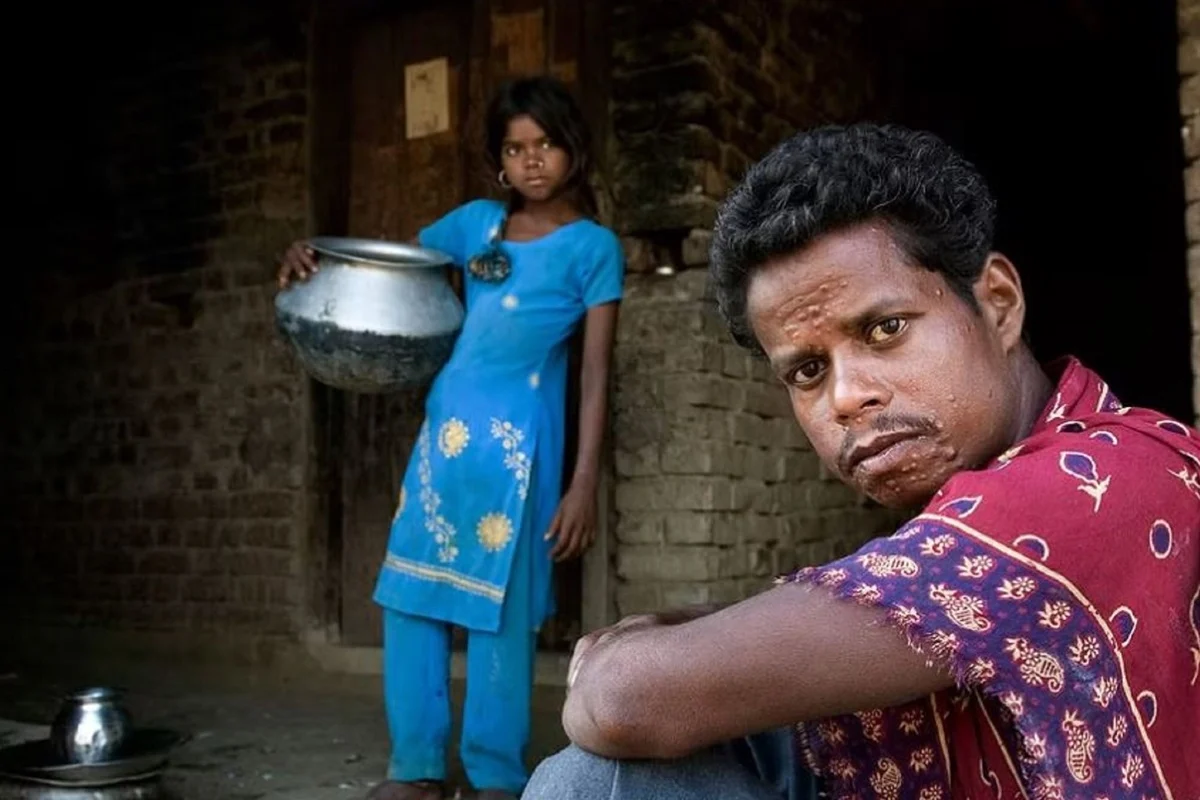
On World Neglected Tropical Diseases (NTDs) Day, the World Health Organization (WHO) issued a stark warning regarding the millions of individuals currently suffering from these conditions who continue to face profound, often unseen hardships rooted in discrimination, social stigma, and untreated mental health conditions. Under the global theme "Unite. Act. Eliminate.", the WHO and its international partners are calling upon governments and healthcare providers to urgently integrate mental health care into NTD elimination strategies. This initiative aims to ensure that no individual is left to suffer in isolation or pain, acknowledging that the successful eradication of a disease requires more than just biological intervention; it necessitates the restoration of human dignity and social inclusion.
More than 1 billion people worldwide are currently affected by NTDs, a diverse group of 20 conditions that primarily affect impoverished communities in tropical and subtropical regions. Concurrently, a similar number of individuals globally experience mental health conditions, yet the intersection of these two health crises has historically been overlooked in international development agendas. For those living with NTDs that result in visible physical impairments or significant disfigurement—such as cutaneous leishmaniasis, leprosy, lymphatic filariasis, mycetoma, and noma—the burden is twofold. These patients do not only struggle with the physical manifestations of their illnesses but are also disproportionately vulnerable to intense social stigma and institutional discrimination.
The Invisible Crisis: Stigma and Mental Health in NTD Care
The psychological toll of neglected tropical diseases is often as debilitating as the physical symptoms. Misconceptions regarding the nature of infection and contagion continue to fuel social exclusion, often leading to the ostracization of patients from their families and workplaces. According to the WHO, individuals living with chronic NTDs exhibit significantly higher rates of depression, anxiety, and suicidal behaviors when compared to the general population. This disparity is also evident when comparing NTD patients to those living with other chronic conditions, such as diabetes or hypertension, suggesting that the specific "neglected" status and the visible nature of many NTDs create a unique psychological burden.
Dr. Tedros Adhanom Ghebreyesus, WHO Director-General, emphasized that the global community must broaden its definition of success in the fight against these diseases. "The fight against neglected tropical diseases is not only a fight against pathogens, it’s a fight against the profound human suffering they cause," Dr. Tedros stated. He further noted that true elimination is only achieved when patients are freed from the "shame, isolation, and despair" that frequently accompany these diagnoses. Despite the clear need for psychological support, the majority of those affected do not receive adequate mental health care within their local health systems, often due to a lack of trained personnel and the persistent taboo surrounding mental health in many endemic regions.
A New Framework for Holistic Healing: The Essential Care Package
To bridge this critical gap in service delivery, the WHO has officially launched its first global guide titled "Essential care package (ECP) to address mental health and stigma for persons with neglected tropical diseases." This publication serves as a comprehensive resource for health service leaders and policymakers, offering a summary of evidence-based interventions designed to be integrated into existing NTD programs. The guide moves beyond the traditional biomedical model of "search and treat" for pathogens, advocating instead for a "person-centered" approach.
The ECP provides a roadmap for implementing mental health screenings at the primary care level, training community health workers to recognize signs of psychological distress, and establishing peer support groups that can help mitigate the effects of social isolation. By embedding these services into the standard NTD response, the WHO aims to normalize mental health support and reduce the barriers to seeking help. Experts suggest that such integration can also improve physical health outcomes, as patients with better mental well-being are more likely to adhere to long-term medication regimens and participate in rehabilitation efforts.
A Decade of Progress: Tracking the Roadmap to 2030
The World NTD Day campaign serves as a reminder that while challenges remain, the global health community has made historic strides over the last decade. The current progress is measured against the targets set in the WHO’s 2021–2030 Roadmap for NTDs, which seeks to reduce the number of people requiring interventions by 90% and eliminate at least one NTD in 100 countries by the end of the decade.
The latest data indicates that the number of people requiring NTD interventions has reached a historical low of 1.4 billion. This figure represents a significant decline from the start of the decade, accompanied by a steady reduction in mortality and morbidity rates. As of early 2025, 58 countries have successfully eliminated at least one NTD, demonstrating that the goals of the 2030 Roadmap are within reach. Success stories span the globe: Brazil has made significant inroads against trachoma; Jordan has eliminated leprosy as a public health problem; Niger has achieved monumental success in the fight against onchocerciasis (river blindness); and Fiji has made substantial progress in controlling lymphatic filariasis. These achievements underscore the efficacy of mass drug administration (MDA) programs and improved vector control strategies.
The Funding Gap: A Threat to Global Health Security
Despite these unprecedented gains, the WHO’s "Global Report on Neglected Tropical Diseases 2025" highlights a precarious financial situation that threatens to undermine years of work. Official development assistance (ODA) specifically earmarked for NTDs plummeted by 41% between 2018 and 2023. This decline in funding is attributed to shifting global priorities, including the economic fallout of the COVID-19 pandemic and the emergence of new geopolitical conflicts that have diverted humanitarian resources.
The withdrawal of financial support is particularly concerning given the high cost-effectiveness of NTD interventions. The WHO estimates that every US$ 1 invested in preventive chemotherapy—the primary tool for controlling diseases like intestinal worms and schistosomiasis—yields an economic return of approximately US$ 25. This return is realized through increased productivity, improved school attendance for children, and reduced long-term healthcare costs. Conversely, the cost of inaction is staggering. NTDs continue to drain the global economy of an estimated US$ 33 billion annually in lost wages and out-of-pocket medical expenses incurred by the world’s poorest families.
Chronology of the Global NTD Response
The trajectory of the global fight against NTDs has been marked by several key milestones that have shaped current policy:
- 2012: The London Declaration on NTDs: A turning point where pharmaceutical companies, donors, and endemic countries pledged to support the elimination of 10 key diseases through drug donations and increased funding.
- 2017: The First WHO Global Report on NTDs: This report highlighted for the first time that over 1 billion people were receiving treatment, signaling the massive scale of the intervention.
- 2020: Launch of the 2021–2030 Roadmap: The WHO shifted the focus from single-disease programs to integrated, cross-sectoral approaches that address water, sanitation, and hygiene (WASH).
- 2023–2024: Post-Pandemic Stagnation: Funding began to decline significantly as global health budgets were restructured, leading to the current 41% deficit in ODA.
- 2025: Integration of Mental Health: The launch of the Essential Care Package marks the beginning of a new era where psychological well-being is recognized as a pillar of NTD elimination.
Broader Impact and Implications for Global Health
The call to integrate mental health into NTD programs has implications that extend far beyond the 20 diseases listed by the WHO. It represents a broader shift in global health toward "Universal Health Coverage" (UHC), which posits that health systems must address the needs of the whole person rather than just treating specific ailments. If successful, the integration of mental health services into NTD care could serve as a blueprint for other chronic disease programs, such as those for HIV/AIDS or tuberculosis, where stigma also plays a significant role in patient outcomes.
Furthermore, the economic data suggests that failing to address NTDs is a major barrier to achieving the United Nations Sustainable Development Goals (SDGs), particularly Goal 1 (No Poverty) and Goal 3 (Good Health and Well-being). Because NTDs trap individuals in a cycle of poverty and disability, their elimination is a prerequisite for economic development in many parts of the Global South.
As the global community looks toward the 2026 World NTD Day, the focus remains on mobilizing new leadership and securing sustainable funding. The WHO emphasizes that the tools to eliminate these diseases already exist—many in the form of donated medicines from the private sector—but the "last mile" of elimination requires political will and a commitment to addressing the social and psychological scars left by these ancient diseases. The message of World NTD Day is a call to safeguard past progress and ensure that the path to elimination is paved with both medicine and compassion. Through renewed investment and the integration of mental health care, the vision of a world free from the burden of neglected tropical diseases remains a realistic, albeit challenging, objective for the current decade.
