
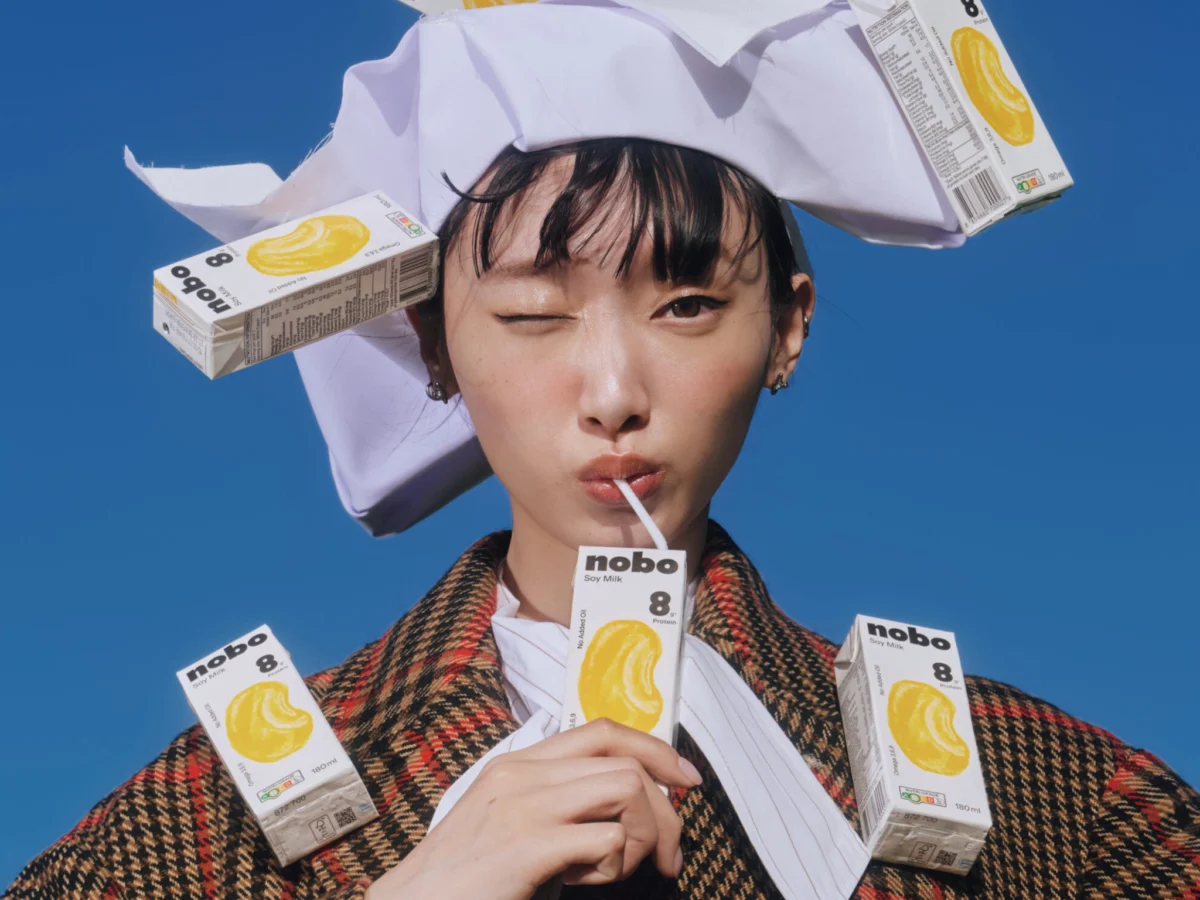
Singaporean plant-based milk innovator Oatside has unveiled Nobo, a new brand designed to infuse a contemporary appeal into soy milk, a beverage with deep Asian roots. The initial launch features two high-protein soy milk varieties, signaling Oatside’s strategic expansion beyond its dominant oat milk presence into a historically significant yet evolving segment of the dairy-free market. This move aims to re-engage younger consumers who have increasingly gravitated towards newer plant-based alternatives, while acknowledging soy milk’s enduring importance and nutritional benefits across Asia.
Asia stands as the epicenter of plant-based milk consumption, boasting the world’s largest market for these alternatives. This dominance is historically rooted in the region’s long-standing tradition of soy milk consumption, a beverage that has been a staple for centuries. However, despite its foundational role and continued market share dominance, soy milk has been losing its trendsetting appeal to newer entrants like oat milk. Market analysis from firms such as Grand View Research indicates that oat milk has emerged as the most lucrative segment within Asia’s burgeoning dairy-free market. While soy milk still commands the lion’s share of the overall non-dairy milk market in Asia, there is a growing concern that it risks being overlooked by younger demographics. This trend is precisely what Oatside, already a leading player in the oat milk space, aims to address with its new venture.
Benedict Lim, founder and CEO of Oatside, articulated the sentiment driving this initiative. "Soy milk is something I grew up drinking; it’s nostalgic and nourishing," Lim stated. "Yet, it’s something I drink less and less frequently." This personal reflection underscores the challenge: how to retain the inherent value and comfort of a traditional beverage while adapting it to contemporary tastes and preferences. The mission, as articulated by Lim, is clear: "We wanted to make a soy milk we could feel good about drinking." This aspiration has materialized into the launch of Nobo, a brand that promises not only enhanced nutritional profiles, specifically higher protein content than traditional dairy milk, but also a richer, creamier texture and an elevated flavor. The initial product lineup includes an ‘Original’ and a ‘Roasted Almond’ variant, now available in Singapore and Malaysia. This launch represents an extension of Oatside’s existing Nobo line, which has previously introduced value-oriented oat and barista coconut milks. The overarching strategy behind Nobo, as explained by the company, is to "give soy a modern cultural lens," repositioning it as a relevant and desirable choice for today’s consumers.
The Science Behind Nobo: Tackling the "Beany" Perception
Soy milk’s cultural significance in East and Southeast Asia is undeniable, deeply woven into the fabric of daily life. From the bustling atmosphere of local coffee shops, or ‘kopitiams,’ to street food stalls and family kitchens, soy milk has long been a cherished beverage. Its appeal stems from its robust nutritional profile, its integral role in culinary traditions, and its critical function for the significant portion of the Asian population experiencing lactose intolerance, estimated to affect up to two-thirds of the region’s inhabitants, with some estimates suggesting even higher figures.
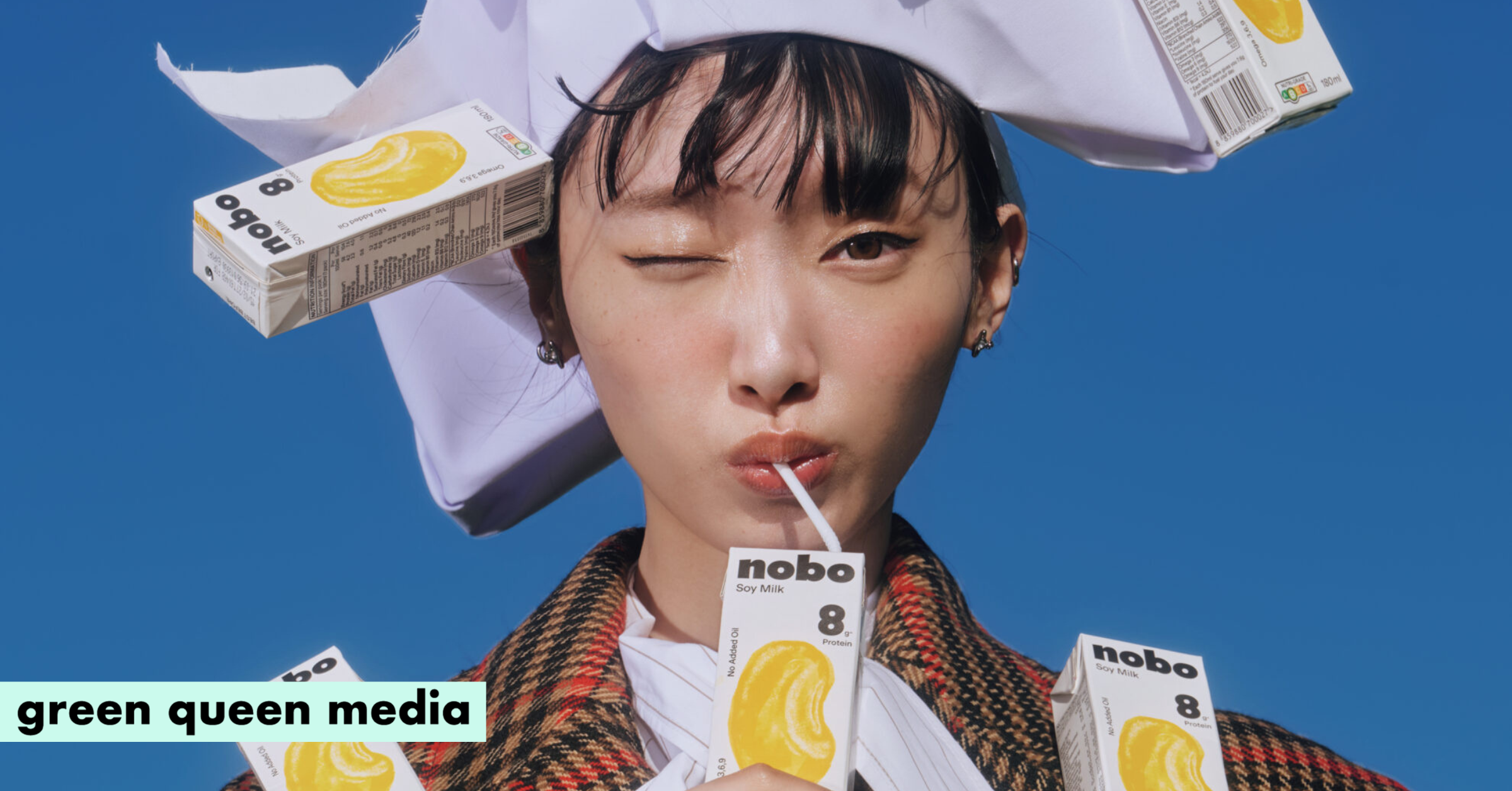
However, a persistent challenge associated with traditional soy milk is its characteristic "beany" flavor, which can be off-putting to some consumers. For younger generations, particularly Gen Z and millennials, this flavor profile often fails to complement modern coffee beverages as seamlessly as other plant-based alternatives, such as oat milk. This is a key reason behind Oatside’s established success and its current position as Asia’s leading oat milk provider, with products expanding across 19 markets.
With Nobo, Oatside is strategically targeting a segment of the soy milk market that has been underserved by traditional offerings. The company’s commitment to quality begins with ingredient selection. "We spent a lot of time sourcing the right soybeans and eventually chose non-GMO, high-protein beans from Canada for their nutrition and flavour," Lim explained. The emphasis on high-protein, non-GMO soybeans is a deliberate choice to enhance the nutritional value and taste from the outset.
The process of creating Nobo soy milk is equally critical to its modern appeal. Lim elaborated on the meticulous development process: "From there, it was about developing a process that could pack more soybeans per pack to deliver a creamier texture and higher protein levels without adding ingredients like gums, emulsifiers, oils or protein powders." This minimalist approach to formulation is a significant differentiator, appealing to consumers increasingly wary of processed ingredients.
To specifically address the flavor challenges, Nobo employs a proprietary "double extraction" technology. This sophisticated process involves flash-heating, roasting, and vacuum-cooling stages. These steps are designed to significantly soften the inherent "beany" notes of the soybeans while concurrently preserving their valuable nutritional content. The result is a soy milk that offers a flavor profile reminiscent of kinako, or roasted soybean flour, a familiar and appreciated taste in many Asian cuisines.
Nutritionally, Nobo’s soy milk is positioned as a superior alternative. Each 100ml serving contains 4.2g of protein, which is nearly double the amount found in conventional soy milks and approximately 40% more than that of dairy milk. The sugar content is managed at 4.8g per 100ml. Furthermore, the milk is fortified with a comprehensive array of vitamins, including D, E, B1, B3, B6, and B12, alongside calcium, enhancing its functional benefits. The soy base ensures that Nobo’s milks provide all nine essential amino acids, crucial for complete protein intake, as well as omega-3, omega-6, and omega-9 fatty acids. This comprehensive nutritional offering caters directly to the growing consumer demand for functional foods that support overall health and wellness.
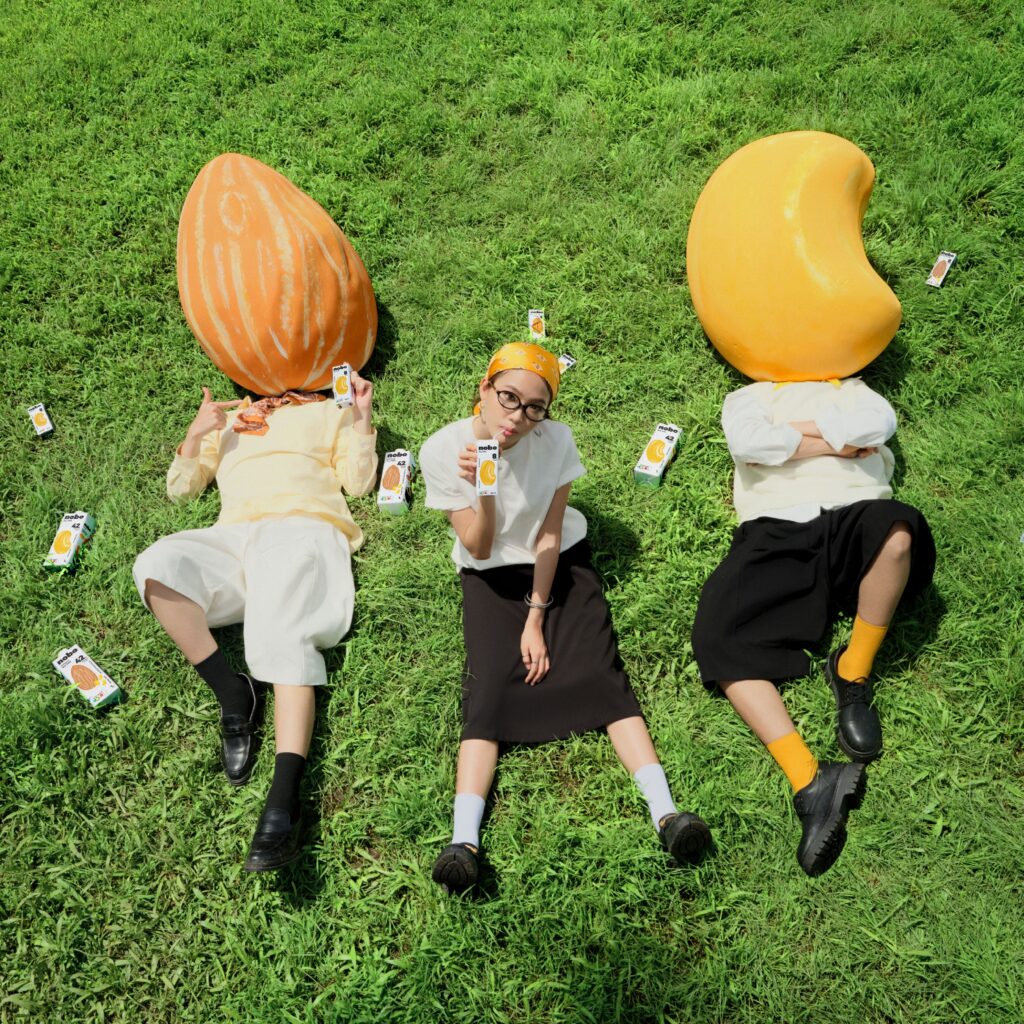
The product formulation further highlights Nobo’s commitment to natural ingredients. The ‘Original’ variant comprises 85% soybean extract and is free from gums and emulsifiers. The ‘Roasted Almond’ soy milk blends over 50% soybean extract with 45% dark-roasted almond grounds, offering a nuanced flavor profile that appeals to those seeking a richer, nuttier taste. Both products are available in convenient one-liter and 180ml packaging formats across Singapore and Malaysia, ensuring accessibility for a wide range of consumers. Lim summarized the brand’s ethos: "Ultimately, our philosophy with Nobo is to be minimalist and allow soy’s natural richness and nutrition to shine through without unnecessary additives."
Strategic Market Entry and Cultural Integration
The launch of Nobo soy milk by Oatside arrives at a propitious moment, aligning with significant shifts in consumer preferences across Southeast Asia. In Malaysia, a substantial 48% of consumers express an intention to increase their consumption of plant-based milk. Concurrently, in Singapore, 30% of the population is actively seeking to reduce their dairy intake. These trends are further bolstered by the robust growth of the non-dairy sector in the Asia-Pacific region. Data from Euromonitor, as published by the Good Food Institute, reveals that in 2024, dairy alternatives constituted over 96% of the vegan food sales in the Asia-Pacific. The region’s retail sales for plant-based dairy products reached an impressive $8.6 billion, accounting for more than a third of the global total.
Oatside, already a recognized leader in the plant-based milk market, is leveraging this momentum to expand its footprint with the Nobo brand. To commemorate the launch, the company has orchestrated a series of strategic partnerships designed to embed Nobo into the cultural and culinary landscapes of Singapore and Malaysia.
In Singapore, Nobo collaborated with This Humid House’s Senang Supper Club to host a unique dining experience. The event featured a meticulously crafted tasting menu where every dish creatively incorporated Nobo soy milk. Highlights included Pidan tofu with Nobo soy curd, drunken eggplant with smoked Nobo soy and sambal balado, and a traditional Teochew congee prepared using the new soy milk. This culinary integration demonstrates the versatility of Nobo and aims to showcase its suitability for both savory and sweet applications, moving beyond its traditional role as a beverage.
In Malaysia, the brand partnered with established heritage bakery Fung Wong Biscuits and the contemporary bakehouse Floccus Floccus. These collaborations focused on reimagining classic Malaysian pastries and ‘kuihs’ (traditional bite-sized desserts and snacks) using Nobo soy milk. Offerings included innovative soy rolls, mochi, soy pudding, and a specially created thousand-layer cake, highlighting the integration of Nobo into local confectionary traditions.
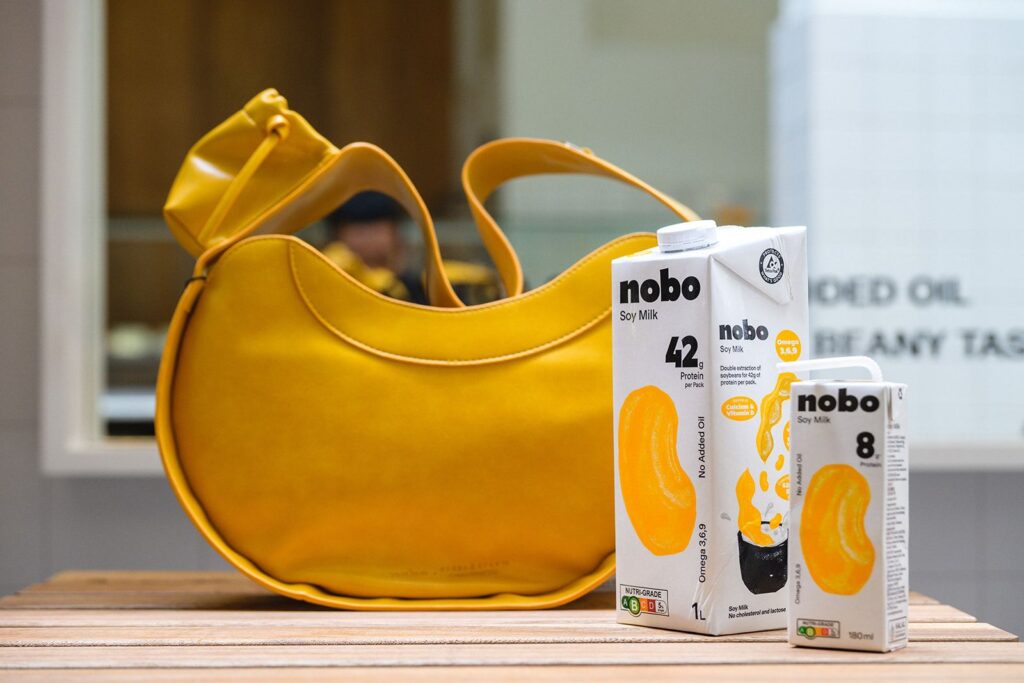
Beyond culinary collaborations, Nobo has also ventured into the fashion and design world. Oatside partnered with Vietnamese fashion label Chautfifth to create a limited-edition, soybean-shaped handbag. This unique accessory serves as a distinctive emblem of Nobo’s launch and its cultural resonance. Chau Tran, founder of Chautfifth, commented on the collaboration, stating, "What we love about Nobo is how clear and honest the idea behind the brand is. It’s functional, but it’s also expressive and design-led, which is how we approach our design philosophy too. The soybean is such a huge part of so many cultures across Asia. It was an honour, and a challenge, to turn this iconic flavour into something you’d actually want to carry around with you day-to-day." This partnership underscores Nobo’s ambition to connect with consumers on multiple levels, extending beyond mere consumption to cultural expression.
Oatside’s foray into fashion-forward collaborations is not an isolated phenomenon within the plant-based milk industry. Swedish oat milk pioneer Oatly has also engaged with the fashion world, releasing seasonal recipe ‘lookbooks’ and a "Future of Taste" trend report that drew parallels with fashion industry publications. Oatly further partnered with designer brand Avavav for Milan Fashion Week, pairing its Autumn/Winter 2026 collection with three signature drinks, signaling a broader industry trend of plant-based milk brands seeking to align themselves with lifestyle and design aesthetics.
Broader Implications and Future Outlook
The launch of Nobo by Oatside is more than just an expansion of product lines; it represents a thoughtful strategic move to re-energize a foundational product within the Asian dairy-free landscape. By leveraging its established brand equity and market understanding from its oat milk success, Oatside is poised to capture a new wave of consumers who may have previously dismissed soy milk. The emphasis on high protein, a clean ingredient list, and a modern flavor profile directly addresses contemporary consumer demands for health, transparency, and sophisticated taste.
The success of Nobo could have several significant implications. Firstly, it could catalyze a broader revitalization of the soy milk market across Asia, encouraging other brands to innovate and improve their offerings to remain competitive. Secondly, it reinforces the trend of established plant-based milk companies diversifying their portfolios to cater to a wider range of consumer preferences and dietary needs. Thirdly, the brand’s successful integration into culinary and fashion spheres suggests a growing recognition of plant-based foods as lifestyle products, capable of transcending their basic nutritional function.
The substantial market share that soy milk currently holds in Asia, combined with the increasing demand for plant-based alternatives, presents a significant opportunity. If Nobo can successfully overcome the lingering perceptions associated with traditional soy milk and resonate with younger consumers, it could not only solidify Oatside’s position as a dominant player in the region’s plant-based market but also redefine the future of soy milk consumption in Asia and potentially beyond. The company’s innovative approach to flavor, nutrition, and brand positioning suggests a well-calculated strategy to tap into both nostalgia and novelty, aiming to make soy milk a cherished beverage for generations to come.
