
As the world continued to navigate the complexities of a post-pandemic landscape throughout 2021, shifts in daily habits and lifestyle choices became increasingly apparent. A recent U.S. consumer survey revealed a notable decrease in certain behaviors that had surged during the initial lockdowns of 2020. Specifically, the percentage of Americans reporting increased snacking dropped from 32% in 2020 to 18% in 2021. Similarly, the proportion of individuals admitting to eating more in general saw a decline from 20% to 11% over the same period. This suggests a partial return to pre-pandemic routines for some, as life began to re-establish a semblance of normalcy, blending established practices with newly adopted habits.
However, this return was not uniform across all aspects of domestic life. The survey also indicated a significant decrease in the frequency of home cooking, falling from 60% in 2020 to 47% in 2021. This trend, coupled with ongoing findings that underscore persistent disparities in food security, paints a nuanced picture of evolving consumer behavior and the persistent challenges many face in accessing nutritious food. Concurrently, the ongoing global health crisis, marked by the emergence of new disease variants, continues to serve as a stark reminder of the critical need for accelerated vaccination efforts worldwide, with a particular emphasis on low- and lower-middle-income countries where access and infrastructure remain significant hurdles.
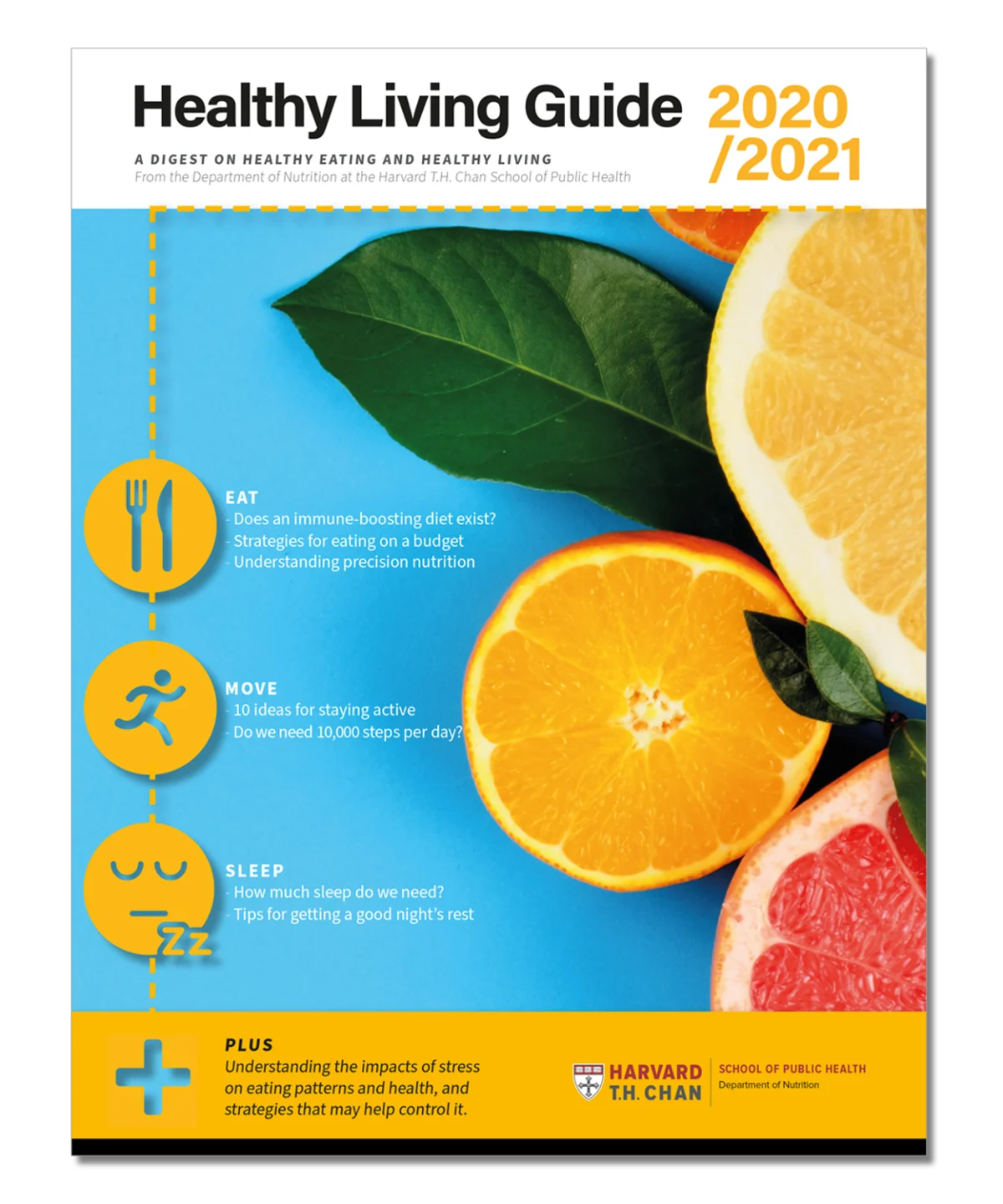
In light of these evolving dynamics, health organizations and research institutions are re-emphasizing the importance of adopting and maintaining healthy behaviors. This year’s "Healthy Living Guide" aims to provide actionable insights and research-backed information to support individuals in their pursuit of well-being. The guide revisits foundational themes of balanced nutrition, regular physical activity, and adequate sleep, incorporating selected research highlights and offering a deeper dive into popular nutrition and lifestyle topics. This comprehensive resource is designed to empower individuals to make informed choices, fostering a healthier and more fulfilling 2022.
The Shifting Landscape of Consumer Habits in 2021
The year 2021 presented a complex societal backdrop as many individuals attempted to reintegrate into pre-pandemic routines while retaining certain new habits cultivated during periods of lockdown. This duality was reflected in consumer behavior related to food and eating. Data from a U.S. consumer survey conducted by the International Food Information Council (IFIC) in 2021, published in their "Food & Health Survey," provided a quantitative snapshot of these changes.
Timeline of Behavioral Shifts:
- Early 2020 (Lockdowns): A significant surge in home cooking, increased snacking, and general overeating was observed as individuals adapted to stay-at-home orders and altered work/life schedules.
- Throughout 2020: These altered eating patterns became more entrenched for a substantial portion of the population.
- 2021: A noticeable shift occurred. The IFIC survey indicated a decrease in these previously heightened behaviors.
- Snacking: The percentage of Americans reporting "snacking more" declined from 32% in 2020 to 18% in 2021. This suggests a potential return to more structured meal patterns for some.
- General Eating: Similarly, the proportion of consumers reporting "eating more in general" decreased from 20% in 2020 to 11% in 2021. This could indicate a renewed focus on portion control or a reduction in stress-related eating.
- Home Cooking: Conversely, the trend of cooking at home saw a decline, with the percentage of consumers cooking at home dropping from 60% in 2020 to 47% in 2021. This observation might be linked to the reopening of restaurants and a greater reliance on food services as daily routines normalized.
Underlying Factors and Disparities:
The IFIC survey also brought to light persistent and, in some cases, exacerbated issues of food security. These findings underscore that the impact of the pandemic on dietary habits and access to food was not uniform. Factors such as socioeconomic status, geographic location, and access to resources played a significant role in shaping individual experiences. For instance, communities with limited access to affordable, nutritious food options may have faced greater challenges in maintaining healthy eating patterns, even as national trends suggested a move away from pandemic-induced behaviors. The reliance on food assistance programs and the impact of inflation on grocery prices likely continued to be significant concerns for many households.
The Persistent Shadow of the Pandemic and the Call for Global Health Equity
Beyond the shifts in dietary habits, the COVID-19 pandemic continued to exert its influence on public health and global society throughout 2021. The emergence of new viral variants, such as Delta and Omicron, served as a potent reminder of the virus’s adaptability and the ongoing threat it posed. This reality underscored the critical importance of global vaccination initiatives.
Global Vaccination Landscape in 2021:
- Early 2021: The rollout of vaccines began in many high-income countries, offering a glimmer of hope for controlling the pandemic.
- Mid to Late 2021: While vaccination rates surged in some regions, significant disparities became evident. Low- and lower-middle-income countries faced substantial challenges in accessing vaccines due to factors including:
- Vaccine Nationalism: Wealthier nations securing large quantities of vaccines, often in advance.
- Logistical Hurdles: Difficulties in distribution, cold chain management, and healthcare infrastructure.
- Economic Constraints: The high cost of vaccines and the financial strain on developing economies.
The World Health Organization (WHO) and other global health bodies repeatedly highlighted these inequities, emphasizing that the pandemic could not be effectively contained until vaccination coverage was significantly increased across all nations. The emergence of new variants was often linked to regions with low vaccination rates, demonstrating how a global health crisis requires a globally coordinated response. The economic and social ramifications of these disparities were profound, impacting not only public health but also global economic recovery and the achievement of Sustainable Development Goals.
Embracing Healthy Lifestyles: A Timeless Imperative
Amidst the evolving circumstances and ongoing health challenges, the fundamental principles of healthy living remain paramount. The "Healthy Living Guide" emphasizes a holistic approach, integrating nutrition, physical activity, and sleep as interconnected pillars of well-being.
Core Themes of Healthy Living:
- Eating Well: This involves making informed food choices that provide the body with essential nutrients, support immune function, and contribute to overall health. It encompasses understanding macronutrient and micronutrient needs, prioritizing whole foods, limiting processed items, and maintaining a balanced dietary pattern. The guide likely delves into specific dietary recommendations, such as the benefits of plant-based diets, the importance of healthy fats, and strategies for managing sugar intake.
- Being Active: Regular physical activity is crucial for cardiovascular health, weight management, mental well-being, and reducing the risk of chronic diseases. The guide likely promotes various forms of exercise, from moderate-intensity aerobic activities to strength training and flexibility exercises, encouraging individuals to find enjoyable ways to incorporate movement into their daily routines. Recommendations may include aiming for at least 150 minutes of moderate-intensity aerobic activity or 75 minutes of vigorous-intensity activity per week, along with muscle-strengthening activities at least two days a week.
- Getting Enough Sleep: Sleep is a vital biological process that plays a critical role in physical and cognitive restoration, immune function, and emotional regulation. Insufficient sleep has been linked to a myriad of health problems, including increased risk of obesity, diabetes, cardiovascular disease, and impaired cognitive function. The guide likely offers practical advice on improving sleep hygiene, such as establishing a regular sleep schedule, creating a relaxing bedtime routine, optimizing the sleep environment, and avoiding stimulants before bed. Aiming for 7-9 hours of quality sleep per night for adults is a widely accepted recommendation.
Research Highlights and Emerging Topics
The "Healthy Living Guide" aims to synthesize current scientific understanding and address popular areas of interest within nutrition and lifestyle science. While specific research highlights are not detailed in the provided excerpt, the intention is to offer evidence-based insights into various topics. These could include:
- The Gut Microbiome: The growing body of research on the role of gut bacteria in digestion, immunity, and even mental health.
- Plant-Based Diets: The benefits and considerations of adopting vegetarian or vegan lifestyles, including nutrient adequacy and sustainability.
- Mindful Eating: Techniques to foster a healthier relationship with food, focusing on awareness, enjoyment, and satiety.
- The Impact of Chronic Stress: Strategies for managing stress and its physiological effects on the body.
- Personalized Nutrition: The emerging field of tailoring dietary recommendations based on individual genetic makeup, lifestyle, and health status.
Empowering Knowledge: A Quiz for Self-Assessment
To further engage readers and reinforce key concepts, the guide includes a quiz designed to test knowledge of healthy living principles. This interactive element encourages self-reflection and prompts individuals to revisit the information provided. The inclusion of a reference to last year’s "Healthy Living Guide" for answers suggests a continuity of information and a commitment to building upon foundational knowledge. This approach not only serves as an educational tool but also as a motivational one, empowering individuals to take an active role in their health journey.
Broader Implications and Future Outlook
The trends observed in 2021, including the recalibration of pandemic-induced behaviors and the persistent global health disparities, offer valuable insights into the challenges and opportunities for public health initiatives. The continued emphasis on healthy eating, active living, and sufficient sleep underscores the enduring importance of these lifestyle factors in building resilience against both infectious diseases and chronic health conditions.
The data suggests that while some initial pandemic-related shifts may be reversing, the awareness of health and well-being has been heightened for many. This presents an opportunity for sustained public health messaging and the development of accessible resources that support long-term healthy habits. Furthermore, the stark realities of global health inequities necessitate continued efforts towards equitable vaccine distribution, strengthening healthcare systems in vulnerable regions, and addressing the social determinants of health that contribute to disparities in food security and overall well-being.
As individuals continue to adapt and evolve in a post-pandemic world, the principles of healthy living offer a stable foundation for navigating future uncertainties. The "Healthy Living Guide" serves as a timely reminder that proactive engagement with one’s health is an ongoing process, requiring informed choices, consistent effort, and a commitment to holistic well-being. The pursuit of a healthy lifestyle is not merely a personal endeavor but a collective responsibility, with far-reaching implications for individual quality of life and the broader health of global communities.
