
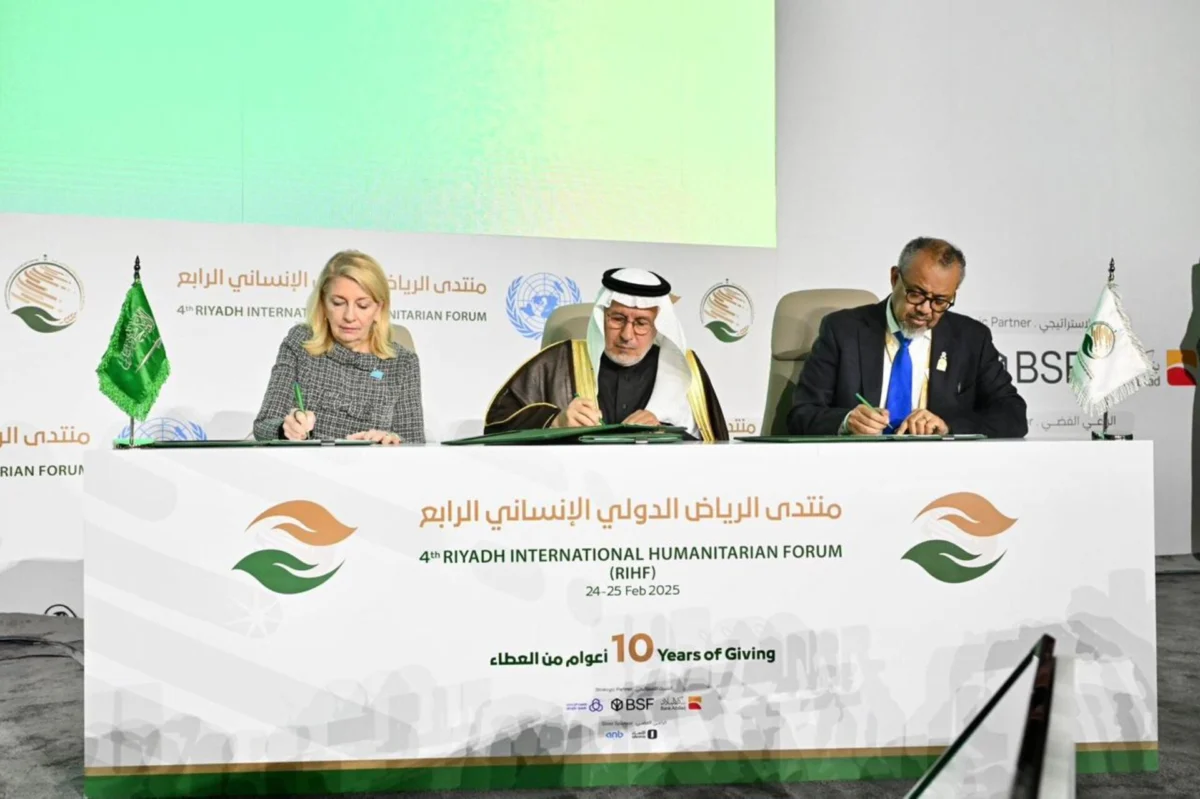
The Riyadh International Humanitarian Forum, held from 24 to 25 February 2025, served as a pivotal convergence point for global humanitarian leaders, policymakers, and health experts, marking a decade of operational excellence for the King Salman Humanitarian Aid and Relief Centre (KSRelief). As the international community grapples with a surge in protracted conflicts and the resulting strain on public health infrastructure, the forum emerged as a critical platform for formalizing life-saving commitments. The event underscored a reinvigorated focus on the "health diplomacy" framework, emphasizing that the survival, dignity, and well-being of populations in crisis zones are not merely ethical imperatives but essential components of regional and global security.
A Decade of KSRelief: Context and Evolution
Established in 2015, KSRelief was designed to act as the primary humanitarian arm of the Kingdom of Saudi Arabia, consolidating its diverse relief efforts under a single, specialized entity. Over the last ten years, the organization has evolved from a regional responder to a major global donor, often collaborating with the World Health Organization (WHO), UNICEF, and the World Food Programme (WFP). The 2025 forum, held in the Saudi capital, was strategically timed to coincide with the center’s tenth anniversary, providing a backdrop for reviewing the lessons learned from decades of humanitarian intervention in Yemen, Syria, and across the Horn of Africa.
The forum’s thematic focus—security of aid workers and the preservation of medical neutrality—comes at a time when humanitarian access is increasingly challenged. With the rise of urban warfare and the erosion of international humanitarian law in several conflict theaters, the Riyadh forum provided a high-level stage for delegates to call for the protection of frontline personnel who operate in high-risk environments.
Chronology of Key Agreements and Strategic Pledges
The forum was characterized by the rapid signing of multi-million-dollar agreements, reflecting a transition from broad policy discussions to concrete, budget-backed implementation.
- February 24, 2025: Opening plenary sessions prioritized the intersection of climate change and public health. Following these sessions, the WHO and KSRelief finalized immediate funding for infectious disease control in Yemen. This included US$ 12 million earmarked specifically for malaria control programs and US$ 2.1 million to bolster the infrastructure for cholera treatment centers.
- February 24, 2025 (Afternoon): A secondary agreement, valued at US$ 3.6 million, was formalized to address the healthcare needs of Sudanese refugees currently sheltered in Egypt. This funding is specifically designated for dialysis services, a critical requirement for a displaced population dealing with the disruption of long-term care systems.
- February 25, 2025: The forum culminated in the formal confirmation of the Global Polio Eradication Initiative (GPEI) funding. This followed a high-level panel discussion on the resurgence of polio in conflict-torn regions. The US$ 500 million commitment—split into US$ 300 million for the WHO and US$ 200 million for UNICEF—solidified Saudi Arabia’s role as a primary financial pillar for global immunization efforts.
The Polio Eradication Mandate: A Multi-Year Strategic Pivot
The US$ 500 million contribution toward the GPEI is not merely a donation; it represents a strategic intervention designed to bridge the gap in regions where vaccination coverage has collapsed due to instability. According to GPEI data, the virus has seen a concerning resurgence in areas such as Gaza, Afghanistan, and Pakistan. The eradication of polio requires consistent access to "hard-to-reach" populations, and the Saudi-funded initiative is specifically designed to provide the logistical support needed to vaccinate 370 million children annually.

From a public health standpoint, the eradication of polio is considered one of the most cost-effective global health investments. Every dollar invested in the initiative is estimated to yield significant long-term economic benefits by reducing the permanent disability burden on developing nations. The involvement of both the WHO and UNICEF ensures a two-pronged approach: the WHO provides the clinical oversight and surveillance data, while UNICEF manages the complex "last-mile" logistics of vaccine distribution in volatile territories.
Fact-Based Analysis of Humanitarian Implications
The Riyadh forum highlights a shift in the nature of humanitarian aid. Rather than relying solely on reactive emergency food aid, the new agreements prioritize the maintenance of existing health systems. The focus on malaria, cholera, and dialysis indicates an understanding that in the modern era, the greatest threats to displaced persons are often "secondary disasters"—the collapse of routine medical services.
The allocation of US$ 3.6 million for dialysis in Egypt is a particularly telling example of this shift. As conflict in Sudan forces thousands into neighboring countries, the host nations’ health systems are often overwhelmed. By funding specialized care for refugees, KSRelief and the WHO are attempting to prevent a "double crisis," wherein the refugees’ health issues become a systemic burden on the local population, potentially leading to social friction and further health instability.
Furthermore, the US$ 14.1 million investment in Yemen (malaria and cholera) acknowledges the reality of the environmental impact of war. The degradation of water sanitation systems in Yemen has made cholera a perennial threat, while stagnant water and displaced populations have fueled malaria outbreaks. These targeted investments are designed to mitigate these environmental consequences before they reach epidemic levels.
Official Responses and International Cooperation
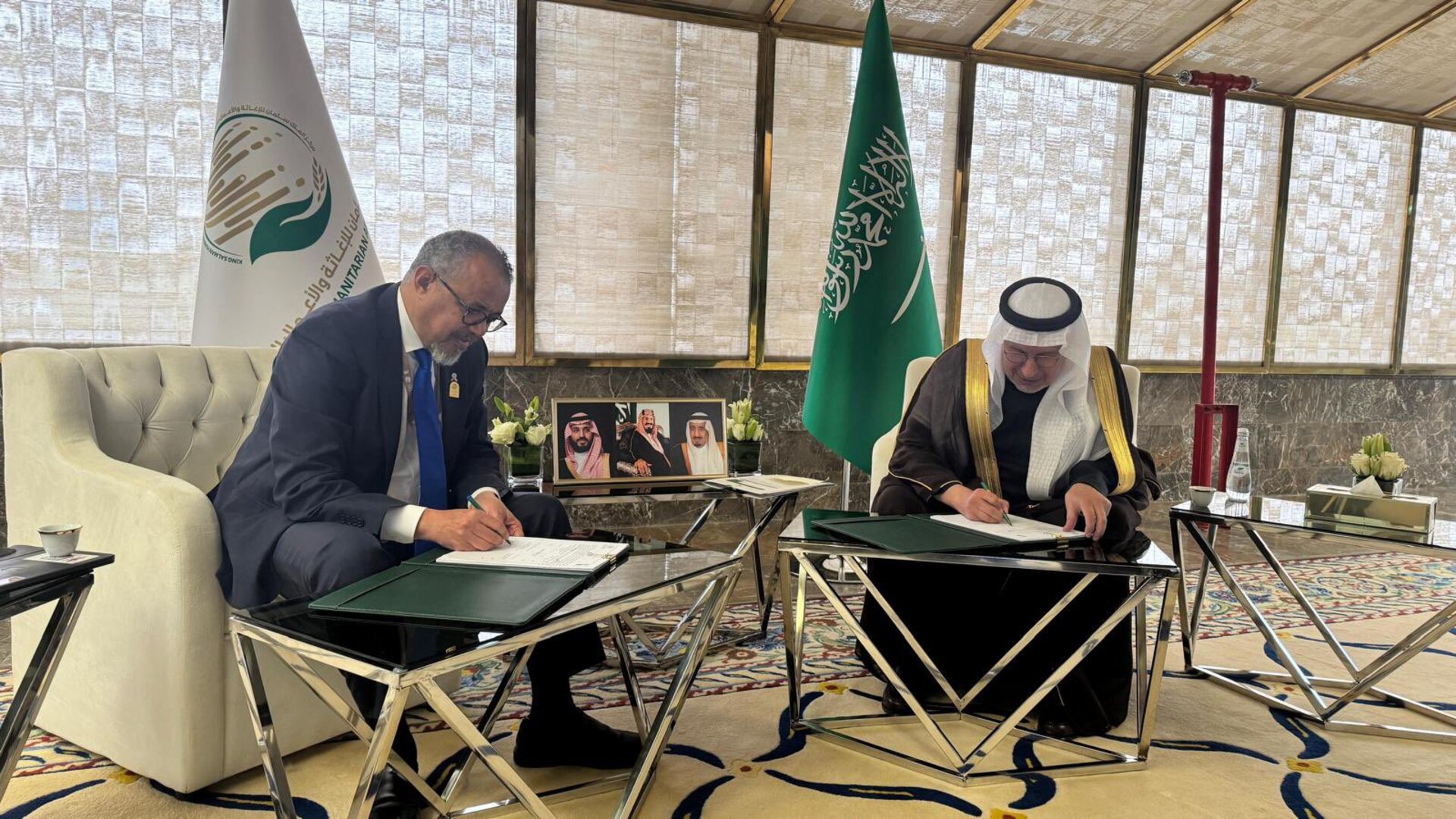
Dr. Tedros Adhanom Ghebreyesus, the Director-General of the WHO, noted during the signing ceremonies that the partnership between the WHO and KSRelief is essential for maintaining a "global safety net." In his remarks, he emphasized that without the consistent financial backing provided by the Kingdom, the WHO’s ability to respond to neglected tropical diseases and acute outbreaks would be significantly constrained.
KSRelief Supervisor-General, Abdullah Al Rabeeah, underscored the Kingdom’s "unwavering commitment to humanitarian neutrality." His statements throughout the forum suggested that Saudi Arabia views its humanitarian aid as a mechanism for long-term regional stability, rather than a short-term political instrument.
UNICEF Executive Director Catherine Russell highlighted the importance of the GPEI agreement, noting that the protection of children in conflict zones is the "ultimate litmus test for global humanity." She pointed out that the 370-million-child vaccination target is one of the most ambitious health goals set for the current decade.
Looking Ahead: The Future of Health Diplomacy
The Riyadh International Humanitarian Forum 2025 has established a new benchmark for how regional powers can integrate with multilateral agencies. By focusing on sustainable interventions rather than just aid delivery, the forum has signaled a move toward a "systems-strengthening" approach in humanitarian response.
The implications for the broader humanitarian sector are clear: funding is increasingly being directed toward specialized health outcomes. As the global landscape faces the compounding pressures of climate-induced migration, persistent conflict, and economic inflation, the partnership model showcased in Riyadh will likely serve as a blueprint for future humanitarian summits. The success of these initiatives will ultimately depend on the ability of the signatories to maintain access to conflict zones—a challenge that remains the most significant hurdle for the year ahead.
As the forum concluded, the consensus among attendees was that the next decade of KSRelief’s operations must focus on digital health surveillance and more resilient supply chains. The pledges made in Riyadh are a significant step toward these goals, ensuring that even in the most fractured corners of the globe, the fundamental right to health is upheld through collective, well-funded, and strategically sound international cooperation. The legacy of this forum will be measured not by the amount of funding pledged, but by the tangible reduction in mortality rates and the success of disease eradication efforts in the world’s most vulnerable regions.
