
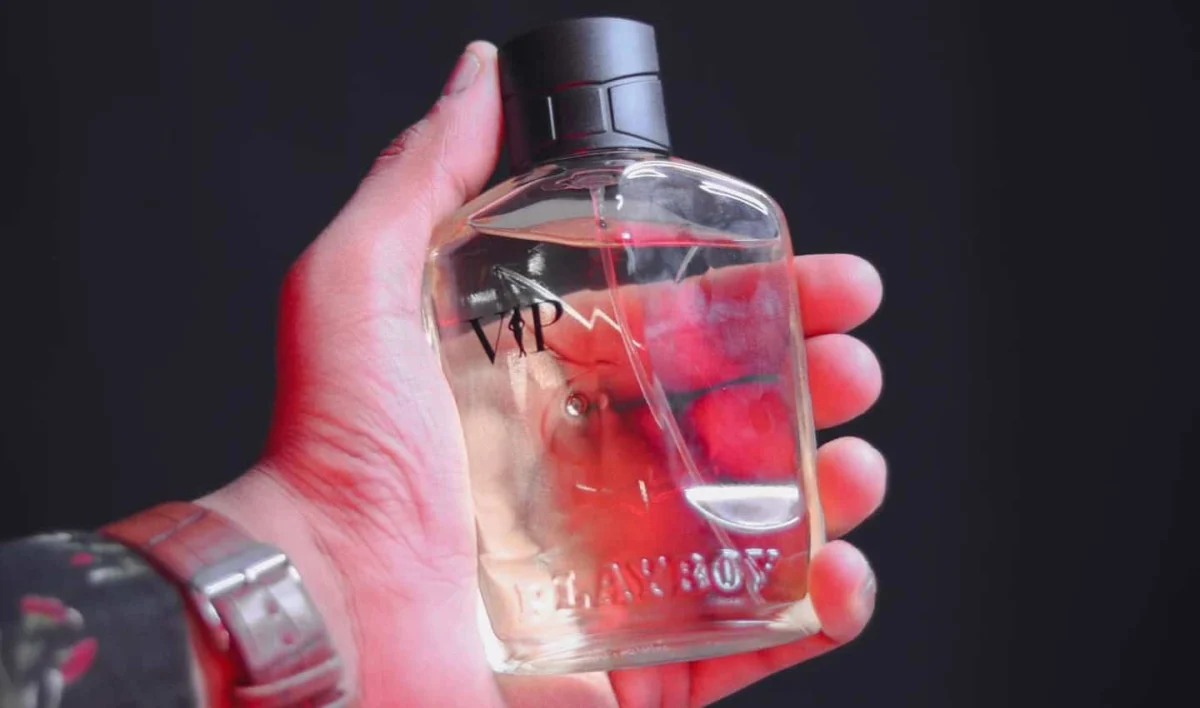
For nearly two decades, the Playboy fragrance line has occupied a unique niche in the grooming industry, bridging the gap between mass-market affordability and the aspirational branding of the iconic media company. Since its inception in 1953, the Playboy brand has cultivated an image of lifestyle luxury, and its venture into the fragrance market—which began in earnest in the late 2000s—sought to package that image for a younger, cost-conscious demographic. While often categorized as budget-friendly, the collection has produced over 40 distinct scents, some of which have earned a cult following for their surprising complexity and impressive longevity.

The longevity of the Playboy fragrance series is a testament to its success in maintaining relevance. By focusing on accessible price points—typically under $20—the brand has effectively captured the entry-level market, allowing consumers to experiment with various scent profiles without the financial commitment of designer or niche perfumery.
A Chronology of the Playboy Fragrance Evolution
The trajectory of Playboy’s scent portfolio reflects the broader shifts in men’s grooming trends over the last twenty years. In the early 2000s, the brand leaned heavily into "urban" branding, releasing location-themed scents like New York and Hollywood. These fragrances were designed to evoke specific, idealized environments, utilizing marketing strategies that emphasized lifestyle over raw ingredient complexity.

By 2010, the brand expanded its reach significantly, collaborating with various perfumers to diversify its offerings. The introduction of the "Game" series, including King of the Game, marked a pivot toward more "night-out" oriented, intense, and boozy profiles. This era saw the brand experiment with gourmand notes—such as white chocolate and coffee—which were becoming increasingly popular in the high-end fragrance market at the time. By 2016 and beyond, the focus shifted toward "active" and "wild" themes, aligning with the rise of athletic-inspired, fresh-yet-spicy scents that appealed to a younger, more active consumer base.
Analysis of the Top 7 Fragrance Profiles
Market research and consumer sentiment analysis indicate that seven specific scents consistently outperform others in the Playboy catalog. These selections are categorized based on their intended use, ingredient profiles, and consumer feedback gathered over the last decade.

-
Playboy New York: Often cited as the brand’s most successful "everyday" fragrance, New York utilizes a blend of vinyl, lime, and green apple. Its dry down—anchored by vanilla and tonka bean—provides a balanced, fresh-sweet profile that performs well across multiple seasons.
-
Playboy London: Distinguished by its focus on spice rather than overt sweetness, London serves as a prime example of a cold-weather scent. The inclusion of saffron, cinnamon, and a cognac base gives it a mature, sophisticated edge that is often missing in budget-tier colognes.

-
King of the Game: Positioned as a luxury-leaning option, this scent utilizes cardamom and black pepper to create an initial "energy drink" sensation that settles into a deeper, coffee-infused base. It is frequently noted for its 7-hour longevity, a significant figure for an Eau de Toilette at this price point.
-
Play it Wild: This fragrance draws stylistic comparisons to high-end market leaders like Paco Rabanne 1 Million. Its composition, featuring dark chocolate, leather, and amber, provides a "dark" allure suitable for evening wear.

-
Playboy Hollywood: Serving as the collection’s most versatile entry, Hollywood relies on an oriental-woody structure. The blend of bergamot, lavender, and sandalwood creates a profile that is notably less "cloying" than its counterparts, making it a reliable choice for professional environments.
-
Playboy VIP: As a body spray and EDT offering, VIP is built around a "glamorous" ethos. The key differentiator here is the prominent rum and white chocolate accord, which provides a sweet, powdery finish that resonates well with younger audiences.

-
Playboy Ibiza: Representing the brand’s aquatic efforts, Ibiza incorporates water notes, kiwi, and red berries. It is one of the few Playboy scents designed specifically for high-temperature environments, offering a crisp, soapy dry down that provides a departure from the brand’s traditionally heavy, spice-laden DNA.
Economic Factors and Consumer Accessibility
The primary driver behind the continued growth of the Playboy fragrance line is its pricing strategy. In a 2026 market landscape, where inflation has pushed many designer fragrances well above the $100 mark, the ability to secure a 3.4-ounce bottle of cologne for $10 to $15 provides a significant competitive advantage.

Retail data suggests that these products are most frequently purchased via mass-market online retailers and regional pharmacy chains. This accessibility is essential to the brand’s model. By keeping costs low, Playboy avoids the "barrier to entry" associated with high-end perfumery, allowing the products to function as "gateway fragrances" for younger consumers who are just beginning to develop their personal style.
Strategic Considerations for Consumers
When evaluating these scents, consumers should consider two primary variables: season and occasion. The majority of the Playboy catalog is composed of "warm" scents. Due to their high concentration of tonka bean, amber, and spice, they are objectively better suited for Fall and Winter. The heat of Summer can cause these ingredients to become overwhelming or "cloying."

Conversely, the "nightlife" category—exemplified by King of the Game and Play it Wild—is designed to be assertive. The projection of these scents is higher, meaning they are intended for social environments rather than confined spaces like an office. Selecting a scent like Hollywood or New York for professional settings is a common recommendation among fragrance enthusiasts who value the brand’s affordability but wish to maintain a standard of professional etiquette.
Industry Impact and Market Reception
While Playboy colognes are rarely compared to niche houses or high-end luxury brands, their impact on the men’s grooming industry is undeniable. They have proven that there is a sustainable market for "fast-fashion" style fragrances. By maintaining a steady stream of releases and updating their packaging to reflect modern design trends, the brand has avoided the stagnation that often claims legacy consumer goods.

Critics of the line often point to the "linear" nature of the scents—meaning they do not evolve significantly from the initial spray to the final dry down. However, for the target demographic, this is often viewed as a benefit rather than a drawback. Predictability in scent, combined with a familiar, pleasant profile, ensures that the consumer receives exactly what they expect upon application.
Future Outlook and Final Assessment
As we move further into 2026, the Playboy fragrance brand shows no signs of retreating. The reliance on established scent profiles, combined with the brand’s ability to maintain high-volume distribution, suggests that it will remain a fixture in the men’s personal care category.

For the consumer, the best approach to the Playboy catalog is one of utility. These fragrances are not intended to be "statement pieces" or "signature scents" in the traditional, high-investment sense. Instead, they serve as effective, reliable, and highly affordable tools for daily grooming. Whether one is selecting the fresh, airy profile of New York for a morning in the office or the deeper, boozier notes of King of the Game for an evening engagement, the value proposition remains consistent: accessibility without sacrificing the fundamental requirement of smelling pleasant. By focusing on these seven pillars of the collection, the modern man can build a versatile fragrance wardrobe that is both financially responsible and socially effective.
