
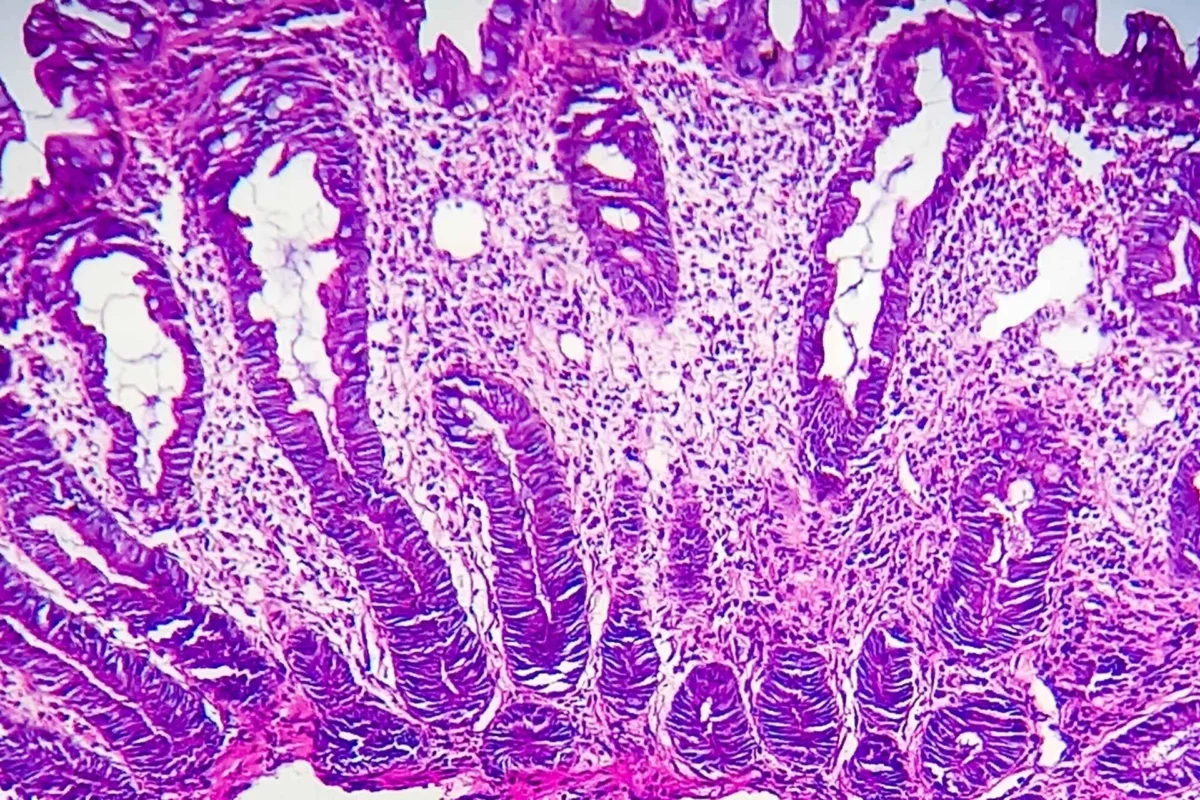
The landscape of colorectal cancer prevention may be on the verge of a significant paradigm shift following new scientific findings regarding the human gastrointestinal tract. Recent research indicates that monitoring or reshaping the gut microbiota after adenoma removal could become a foundational component of future strategies to mitigate the long-term risk of colorectal malignancies. While conventional medical practice has long relied on the physical excision of precancerous polyps during routine colonoscopies to safeguard patients, emerging clinical data demonstrates that the microbial ecosystem of the gut may retain a lasting molecular signature long after these growths have been eliminated. This lingering microbial dysbiosis could help explain why individuals with a history of adenomas continue to face an elevated risk of developing colorectal cancer compared to the general population.
Background Context and the Pathogenesis of Colorectal Cancer
Colorectal cancer remains one of the most diagnosed malignancies and a leading cause of cancer-related mortality globally. The vast majority of these cancers develop through a well-documented pathway known as the adenoma-carcinoma sequence. In this progression, benign precancerous lesions—referred to as adenomas or adenomatous polyps—form on the mucosal lining of the large intestine. Over a span that can often take a decade or longer, genetic mutations and cellular changes within these polyps can cause them to transform into malignant tumors.
To interrupt this trajectory, healthcare systems worldwide have heavily invested in screening programs, primarily utilizing colonoscopies, sigmoidoscopies, and stool-based tests. When gastroenterologists identify and remove adenomas during a colonoscopy, the immediate threat posed by those specific growths is neutralized. Consequently, clinical guidelines confirm that polyp removal substantially lowers a patient’s lifetime probability of developing full-scale colorectal cancer.
However, a persistent clinical conundrum has puzzled oncologists and gastroenterologists for decades: patients who have successfully undergone the removal of adenomas maintain a significantly higher risk of future colorectal cancer recurrence compared to individuals who have never developed polyps in the first place. Until recently, standard medical explanations attributed this heightened risk exclusively to host genetics, shared environmental exposures, dietary habits, or missed micro-adenomas during the initial screening procedure. Today, researchers are increasingly looking inward—toward the trillions of microorganisms residing within the human gastrointestinal tract—for a more comprehensive explanation.
The Study: Methodology and Comparative Analysis
To investigate whether long-lasting alterations in the gut microbiota and its metabolic byproducts contribute to this sustained risk profile, a team of researchers conducted a comprehensive case-control study. The investigation centered on the analysis of stool samples collected from a well-defined cohort of 354 women who had previously undergone the successful endoscopic removal of colorectal adenomas. These samples were meticulously compared against a control group consisting of 354 women with no clinical history of adenomas or colorectal abnormalities, matched for key demographic variables such as age and lifestyle factors.
The analytical process utilized advanced metagenomic sequencing and metabolomic profiling to examine the composition of the microbial communities and the chemical byproducts present in the stool samples. The results revealed a striking distinction between the two cohorts. Women who had their past adenomas removed still exhibited persistent alterations in their gut microbiota composition—alterations that bore a striking resemblance to the microbial signatures typically observed in active cases of colorectal cancer. Furthermore, the microbial metabolites—the biochemical byproducts generated as these bacteria break down dietary components and interact with the host—differed significantly from those found in the control group of women with no history of adenomas.
These findings suggest that the removal of a physical polyp does not automatically restore the gut microbiome to a healthy, baseline state. Instead, a form of microbial memory appears to persist within the gastrointestinal environment, maintaining an internal milieu that may favor continued cellular proliferation, inflammation, or tumorigenesis if left unchecked.
Chronology of Scientific Discovery Regarding the Gut Microbiome and Oncology
The realization that the human microbiome plays a critical role in gastrointestinal health and disease is the culmination of decades of scientific evolution. Understanding this timeline provides essential context for the recent discoveries surrounding post-adenoma microbial states.
In the early 2000s, the launch of the Human Microbiome Project marked a turning point in medical research, providing the genetic tools necessary to map and catalog the vast array of bacteria, fungi, and viruses inhabiting the human body. As sequencing technologies advanced and became more cost-effective during the 2010s, researchers shifted their focus toward understanding how microbial imbalances, or dysbiosis, might influence chronic inflammatory diseases and metabolic disorders.
By the mid-2010s, pioneering oncological studies began to identify specific bacterial strains—such as Fusobacterium nucleatum and certain strains of Escherichia coli and Bacteroides fragilis—that were disproportionately abundant in the microenvironments of colorectal tumors compared to healthy surrounding tissue. These studies established that specific pathogens could promote inflammation, damage host DNA, and modulate the immune system in ways that facilitate cancer progression.
In the late 2010s and early 2020s, the scientific community moved from simply cataloging microbial presence to investigating causality. Researchers began conducting fecal microbiota transplant experiments in animal models, demonstrating that transferring a "cancer-prone" microbiome could accelerate tumor formation.
The current research analyzing post-adenoma patients represents the logical next step in this evolutionary timeline. By shifting the observational window from active cancer patients to individuals in the intermediate phase—those who have had precancerous polyps removed—science has bridged a critical gap in understanding how microbial alterations manifest across the entire continuum of colorectal carcinogenesis.
Detailed Breakdown of Supporting Data and Findings
The data gathered from the comparative analysis of the 708 total participants underscore several key patterns that are drawing intense scrutiny from the oncology community.
First, the taxonomic profiling of the stool samples indicated a depletion of beneficial, short-chain fatty acid (SCFA) producing bacteria—such as various species from the Lachnospiraceae and Ruminococcaceae families—in the post-adenoma group. Short-chain fatty acids, particularly butyrate, play a vital role in maintaining the integrity of the intestinal epithelial barrier, providing energy to colonocytes, and exerting anti-inflammatory and anti-neoplastic effects. The sustained reduction of these protective bacterial populations implies that the post-adenoma gut lacks crucial biochemical defenses against future mucosal damage.
Second, the study highlighted an enrichment of pro-inflammatory and pathogenic taxa among individuals with a history of adenomas. These bacterial groups are known to produce genotoxins and metabolites that stimulate cellular proliferation and chronic low-grade inflammation within the colon. Over a prolonged period, this persistent inflammatory signaling can create an environment conducive to new adenoma formation or the rapid progression of missed micro-lesions.
Third, the metabolomic analysis corroborated the taxonomic findings. The chemical signature of the post-adenoma stools showed altered secondary bile acid profiles and diminished levels of protective metabolites, reinforcing the conclusion that the functional output of the microbiome remains disrupted long after the physical removal of precancerous tissue.
Expert Responses and Clinical Implications
While the study offers a compelling new lens through which to view colorectal cancer surveillance, medical professionals emphasize that these findings represent an early stage of clinical translation. Leading gastroenterologists and oncologists have noted that while the association between lingering dysbiosis and adenoma history is clear, establishing a definitive causal mechanism requires further prospective, longitudinal research.
Inferred reactions from the broader medical community suggest a growing consensus that standard post-polyp surveillance protocols—which currently rely almost exclusively on interval colonoscopies—may eventually need to incorporate non-invasive biomarker testing. By evaluating a patient’s gut microbiome and associated metabolomic profile following adenoma removal, physicians could potentially stratify patients into risk categories far more accurately than is currently possible using histology and family history alone.
Furthermore, these insights open up entirely new avenues for preventative interventions. Rather than merely waiting to see if new polyps develop during a follow-up colonoscopy three to five years down the line, clinicians could actively intervene to reshape the patient’s gut microbiota.
Future Strategies: Reshaping the Gut Microbiota
The concept of actively modifying the gastrointestinal ecosystem to prevent disease recurrence is gaining traction across various medical specialties, and oncology is no exception. Several therapeutic modalities are currently being explored or evaluated in clinical trials to determine their efficacy in restoring a healthy gut microbiome following adenoma resection:
-
Targeted Dietary Interventions: Precision nutrition tailored to nourish specific beneficial bacterial strains is a primary line of inquiry. Increasing the intake of diverse dietary fibers, resistant starches, and polyphenol-rich plant foods can stimulate the proliferation of short-chain fatty acid producers, thereby enhancing mucosal health and counteracting the dysbiotic state observed in post-adenoma patients.
-
Next-Generation Probiotics and Synbiotics: Unlike generic over-the-counter probiotics, upcoming clinical formulations are designed to introduce specific, highly characterized bacterial consortia aimed at re-establishing a healthy ecological balance within the colon. Combining these live biotherapeutic products with precise prebiotic substrates (synbiotics) can enhance their engraftment and metabolic activity.
-
Fecal Microbiota Transplantation (FMT): Though traditionally reserved for refractory Clostridioides difficile infections, FMT is being investigated in controlled settings to determine whether introducing a healthy, diverse fecal microbiome can reset a dysbiotic post-adenoma gut and lower long-term malignancy risk.
-
Pharmacological and Antimicrobial Modulation: In cases where specific pathogenic or pro-carcinogenic bacteria dominate the microbiome, targeted antimicrobial agents or small-molecule inhibitors could theoretically be deployed to suppress harmful taxa without causing widespread collateral damage to the broader microbial community.
Broader Public Health and Economic Impact
The implications of integrating microbiome monitoring and modulation into standard colorectal cancer care extend far beyond individual patient outcomes; they carry profound public health and economic ramifications. Colorectal cancer treatment imposes a massive financial burden on healthcare systems globally, encompassing the costs of surgeries, chemotherapy, radiation, and long-term survivorship care.
By refining risk stratification models through microbiome analysis, healthcare providers can optimize screening intervals. Patients who show successful restoration of a healthy gut microbiota following adenoma removal might safely extend the time between follow-up colonoscopies, thereby reducing the strain on endoscopy units and lowering healthcare expenditures. Conversely, patients who maintain a high-risk microbial signature could be flagged for more rigorous surveillance or early therapeutic intervention, catching potential recurrences before they progress to invasive cancer.
Conclusion and Next Steps for Research
The discovery that gut microbiota changes and altered metabolic byproducts persist long after the surgical removal of colorectal adenomas marks a crucial milestone in cancer prevention research. By linking historical precancerous lesions to ongoing microbial dysbiosis, science has uncovered a plausible biological mechanism underlying the elevated lifetime risk faced by post-adenoma patients.
Translating these insights into routine clinical practice will require validating these findings across diverse populations, standardizing stool sample collection and sequencing methodologies, and conducting randomized controlled trials to test the efficacy of microbiome-targeted interventions. As research progresses, the ability to monitor and actively reshape the gut microbiota may well become an indispensable tool in the global effort to reduce the incidence and mortality of colorectal cancer, transforming passive post-polyp surveillance into an active, personalized strategy for lifelong intestinal health.
