
The year 2022 marked a significant turning point in American public health policy, characterized most prominently by the Biden-Harris administration’s revitalization of national discourse regarding food insecurity and nutritional wellness. The centerpiece of this shift was the White House Conference on Hunger, Nutrition, and Health, held in September 2022. This event served as the first federal summit of its kind since the seminal 1969 conference, which fundamentally shaped American food assistance programs like the Special Supplemental Nutrition Program for Women, Infants, and Children (WIC).
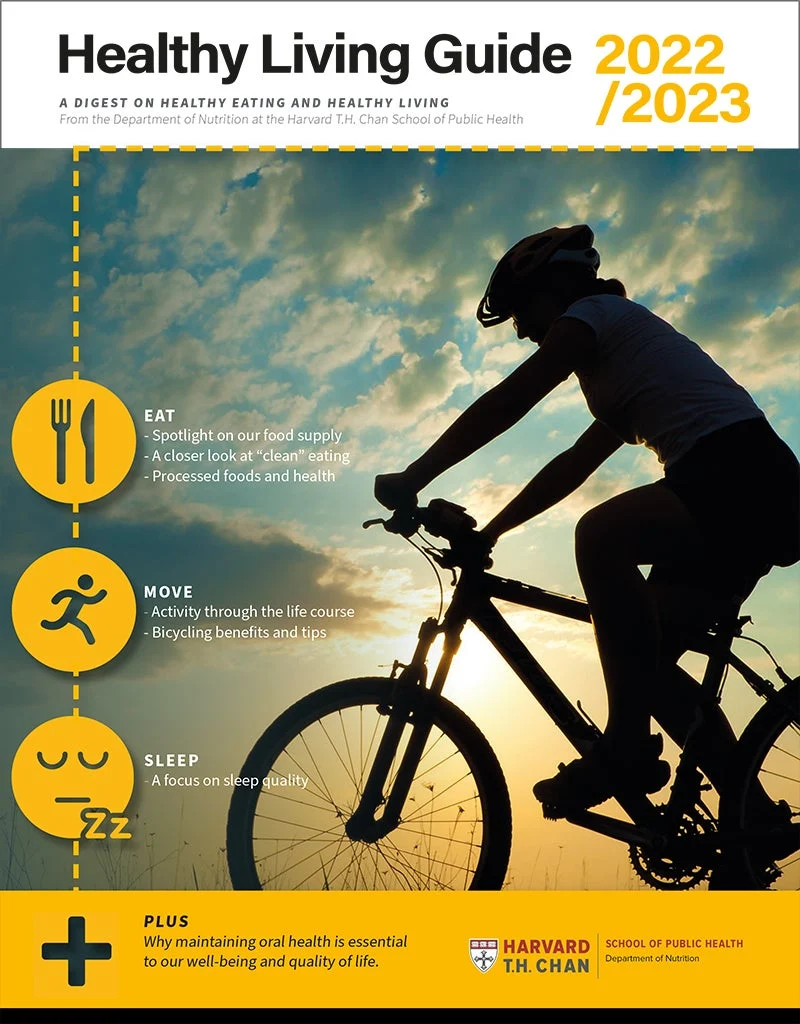
As the nation faces a dual crisis of chronic, diet-related diseases and persistent food insecurity, the Harvard T.H. Chan School of Public Health has synthesized these developments into a comprehensive Healthy Living Guide. This resource aims to bridge the gap between high-level policy initiatives and actionable, individual-level dietary choices. While federal strategies provide the framework for systemic change, the experts behind the guide argue that true progress requires a multi-faceted approach involving private-sector accountability, academic rigor, and individual empowerment.
A Chronology of Federal Nutrition Policy
To understand the weight of the 2022 White House Conference, one must examine the historical context of federal involvement in nutrition. In 1969, the Nixon administration convened the first White House Conference on Food, Nutrition, and Health. That event was the catalyst for the expansion of the Food Stamp Program (now SNAP) and the creation of the national school lunch program standards.
For over five decades, the United States lacked a unified national strategy to address the intersection of hunger and chronic illness. By the early 2020s, the landscape had changed significantly. The prevalence of obesity, Type 2 diabetes, and cardiovascular disease had reached epidemic proportions, accounting for a substantial share of national healthcare expenditures. Consequently, in 2022, the White House announced a national strategy aimed at ending hunger and increasing physical activity by 2030. The administration set five primary pillars for this initiative: improving food access and affordability, integrating nutrition and health, empowering consumers to make healthy choices, supporting physical activity, and enhancing nutrition and food security research.
Data-Driven Realities of the Food Environment
The urgency for these policy shifts is underscored by staggering public health data. According to the Centers for Disease Control and Prevention (CDC), nearly 42% of U.S. adults are obese, a condition strongly correlated with poor dietary patterns. Furthermore, the Economic Research Service of the U.S. Department of Agriculture (USDA) reported that in 2021, over 13.5 million households were food insecure at some point during the year.
The Harvard Department of Nutrition experts, including Drs. Frank Hu, Walter Willett, and Lilian Cheung, emphasize that these statistics are not merely figures; they are indicators of a food system that prioritizes convenience and shelf stability over nutritional density. The financial burden of these diet-related conditions is immense, with estimates suggesting that hundreds of billions of dollars are spent annually on medical treatments for conditions that are largely preventable through dietary interventions.
Analysis of the 2022 National Strategy
While the administration’s strategy received praise for its focus on expanding nutrition assistance and exploring medically tailored meals within Medicare, the expert response has been one of cautious optimism. A primary critique involves the omission of robust regulatory mechanisms.
For instance, the strategy lacks a federal mandate to protect children from the predatory marketing of ultra-processed, nutrient-poor foods. Historically, the food industry has successfully lobbied against strict marketing regulations, arguing that voluntary self-regulation is sufficient. However, public health researchers point out that the exposure of children to digital and traditional media advertisements for high-sugar and high-sodium products significantly influences long-term eating habits.
Furthermore, the strategy has been criticized for its limited focus on the climate-food nexus. The food system is both a contributor to and a victim of climate change. Intensive monoculture farming, reliance on synthetic fertilizers, and the high carbon footprint of meat production present challenges that require systemic reform. Experts argue that a national strategy that ignores the environmental sustainability of the food supply is fundamentally incomplete, as planetary health and human health are inextricably linked.
The Role of Multi-Sector Collaboration
A recurring theme in the discourse surrounding the 2022 conference is the necessity of "whole-of-society" involvement. The administration’s plan calls for engagement from the public and private sectors, academia, and philanthropic organizations. This collaborative approach is intended to decentralize the burden of change, moving it away from a solely governmental responsibility.
For example, private-sector partnerships could involve retailers expanding access to fresh produce in "food deserts"—geographic areas where residents have few to no convenient options for securing affordable and healthy foods. Academics play a vital role in this ecosystem by providing the evidence-based research required to inform policy, while philanthropists can provide the "patient capital" necessary to test innovative programs before they are scaled at the federal level.
Implications for Individual Health
Despite the complexities of national policy, the core message remains that small, consistent changes in lifestyle can have a profound impact on individual health outcomes. The Healthy Living Guide provided by Harvard serves as a practical tool for translating scientific findings into daily habits.
The guide emphasizes that healthy living is not a static goal but an ongoing process. This includes:
- Prioritizing Whole Foods: Reducing reliance on processed foods that are high in added sugars, sodium, and refined grains.
- Physical Activity Integration: Moving beyond formal exercise to incorporate movement into daily routines, such as active commuting or standing desks.
- Evidence-Based Decision Making: Navigating the overwhelming amount of nutritional misinformation by relying on peer-reviewed, independent research.
The transition toward healthier living is often hindered by the "affordability gap." Healthy food is frequently more expensive per calorie than processed alternatives. Addressing this requires policy intervention—such as subsidies for fruits and vegetables—to ensure that the optimal choice is also the accessible choice for low-income populations.
Addressing the Knowledge Gap
To foster a more health-literate population, the Harvard guide incorporates interactive elements, such as self-assessments and quizzes. These tools are designed to test the user’s knowledge on current nutritional science and debunk common myths. By empowering individuals with accurate information, the initiative aims to reduce the susceptibility of the public to fad diets and deceptive marketing practices.
The focus on education is particularly vital in an era where social media influencers often dictate dietary trends without clinical oversight. By providing a curated, science-backed digest, the Harvard experts hope to provide a reliable anchor in an increasingly fragmented information environment.
Looking Toward 2030
As the nation moves toward the 2030 goals set by the White House, the focus must remain on accountability. Setting goals is the first step; however, achieving them will require periodic assessments and the willingness to adjust strategies when data indicates that targets are being missed.
The integration of medically tailored meals into the healthcare system represents one of the most promising developments. By treating food as medicine, healthcare providers can address the underlying causes of chronic disease rather than merely managing symptoms. This model, if successfully scaled, could revolutionize the American approach to healthcare, shifting the focus from reactive treatment to proactive prevention.
Conclusion
The 2022 White House Conference on Hunger, Nutrition, and Health was a significant milestone, yet it is only the beginning of a long-term effort to reform the American food environment. The challenges ahead—ranging from climate change to corporate lobbying—are substantial. However, the alignment of academic research, government policy, and individual action offers a viable pathway toward a healthier society.
For the individual, the path forward involves staying informed, demanding better policy, and making deliberate choices that support long-term well-being. As the experts at Harvard suggest, no change is too small when it is part of a collective effort to shift the national standard toward health and sustainability. Through the continued dissemination of resources like the Healthy Living Guide, the scientific community remains committed to guiding the public through the complexities of modern nutrition, ensuring that the progress made in 2022 continues to yield results for years to come.
