
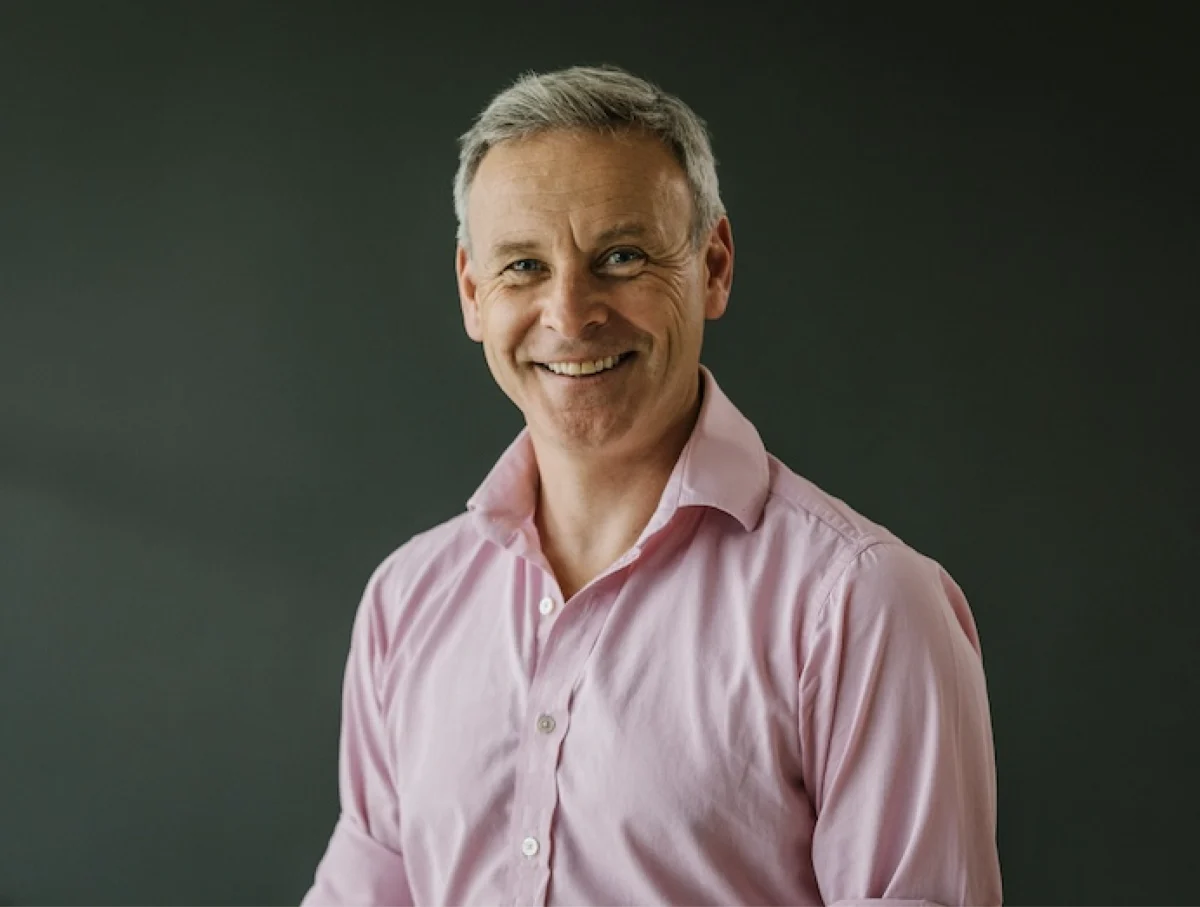
The British Association of Aesthetic Plastic Surgeons (BAAPS) has officially announced a pivotal leadership transition, appointing esteemed consultant plastic surgeons Mr Anthony MacQuillan as its new president and Mr Mike Tyler as vice president. The appointments mark the beginning of a two-year presidential term for Mr MacQuillan, who succeeds outgoing president Ms Nora Nugent following her successful tenure. This leadership shakeup comes at a critical juncture for the cosmetic surgery sector in the United Kingdom, as practitioners grapple with the dual challenges of rapid technological disruption—particularly the proliferation of artificial intelligence in media—and an escalating demand for aesthetic procedures among an increasingly diverse demographic.
Mr MacQuillan steps into the role with a clear and ambitious mandate. According to strategic communications released by BAAPS, his presidency will be anchored on three fundamental pillars: fortifying patient safety protocols across the board, actively countering the distortive influence of artificial intelligence-generated and manipulated imagery on patient psychological expectations, and significantly expanding comprehensive training opportunities for the incoming generation of specialized aesthetic surgeons. Meanwhile, Mr Tyler, who has served as a consultant plastic surgeon since 2001 and brings extensive governance experience from his tenure on the BAAPS Council, will support these strategic initiatives. Together, the newly formed leadership team aims to reinforce the association’s long-standing commitment to upholding the highest benchmarks of clinical excellence, rigorous professional training, and absolute transparency within the UK cosmetic surgery landscape.
The Chronology and Context of BAAPS Leadership
To understand the weight of this leadership transition, one must examine the institutional history of BAAPS and the evolving landscape of cosmetic surgery in the United Kingdom over the past two decades. Established in 1982, BAAPS has historically operated as the premier voice for aesthetic plastic surgery in the country, representing practitioners who are on the General Medical Council’s (GMC) specialist register for plastic surgery. The presidency typically operates on a biennial cycle, allowing successive leaders to implement focused strategic initiatives while maintaining continuity through council members like Mr Tyler.
Ms Nora Nugent’s tenure, which spanned from 2022 to 2024, was characterized by rigorous advocacy for tighter regulation in the non-surgical cosmetic sector, public awareness campaigns regarding medical tourism, and navigating the post-pandemic surge in elective procedures. As Ms Nugent hands over the reins to Mr MacQuillan, the organization is transitioning from crisis management and post-pandemic procedural backlogs to proactive defense against emerging technological and psychological threats to patient welfare.
Mr Tyler’s background adds institutional depth to this new era. Having attained his consultant plastic surgeon status in 2001, Mr Tyler has witnessed firsthand the evolution of cosmetic surgery from a niche medical specialty into a mainstream consumer service. His decades of clinical experience, combined with his active involvement in the BAAPS Council, position him to act as a vital stabilizing and guiding force as the association implements Mr MacQuillan’s modernization agenda.
The Data Landscape of Modern Aesthetic Surgery
The urgency behind Mr MacQuillan’s focus on patient safety and realistic expectations is underscored by comprehensive data tracking the growth and safety profile of the cosmetic surgery industry. While comprehensive annual audits by BAAPS consistently demonstrate high levels of patient satisfaction among those treated by accredited specialists, the broader industry has seen exponential growth that raises regulatory and clinical concerns.
According to historical and current market data, the UK cosmetic surgery market—encompassing both surgical and non-surgical interventions—has expanded significantly, estimated to be worth billions of pounds. However, this growth has occurred alongside a troubling parallel market: the proliferation of unregulated or under-qualified practitioners offering complex procedures. BAAPS has historically played a vital role in distinguishing between general practitioners or surgeons operating outside their specialty and fully certified plastic surgeons.
Furthermore, data concerning psychological motivations for surgery have shifted dramatically. Industry surveys and psychological studies indicate that patients are increasingly seeking surgical interventions not based on traditional consultations with medical professionals, but rather in response to digital stimuli. The rise of social media filters and easily accessible AI-driven image modification tools has created a frictionless environment where individuals can alter their facial and bodily features in real time, bringing these altered digital avatars to medical consultations as blueprints for physical transformation.
The Threat of Artificial Intelligence and Distorted Expectations
One of the most pressing and novel challenges highlighted by the newly appointed BAAPS president is the pervasive influence of artificial intelligence on patient psychology. In recent years, the democratization of generative AI tools, smartphone editing applications, and social media filters has fundamentally altered how individuals perceive their own physical appearance.
Patients increasingly arrive at surgical consultations armed with digitally perfected, algorithmically smoothed photographs of themselves or digital influencers—images that often defy the laws of human anatomy, skin texture, and physiological healing. This phenomenon, sometimes clinically referred to as "Snapchat dysmorphia" or more broadly as digital body dysmorphia, poses a profound ethical and clinical dilemma for ethical practitioners.
Mr MacQuillan has explicitly targeted this issue as a core focus of his presidency. When patients harbor unrealistic expectations fueled by AI manipulations, the risk of psychological distress post-operation multiplies, regardless of how technically successful the surgery itself may be. Addressing this requires a dual approach: enhancing the psychological screening protocols during pre-operative consultations and launching public education campaigns that demystify what plastic surgery can genuinely achieve. By fostering an open dialogue about the limitations of surgery versus the boundless illusions of digital media, BAAPS aims to protect vulnerable individuals from pursuing unattainable physical ideals.
Elevating Training Standards for the Next Generation
Beyond managing digital expectations, the new BAAPS administration has placed heavy emphasis on the structural integrity of surgical education in the UK. As medical technology advances and new techniques emerge, the demand for specialized training in aesthetic plastic surgery has never been more critical.
Historically, standard medical school curricula and general surgical training pathways provide foundational knowledge in reconstructive surgery, but dedicated cosmetic training often requires post-residency fellowships and mentorship under senior practitioners. Mr MacQuillan has articulated a clear vision to formalize and expand these pathways.
"My ambition is that anyone completing a BAAPS fellowship or training scheme can genuinely say they have received comprehensive training in aesthetic surgery," Mr MacQuillan stated following his appointment. This initiative is designed to address a persistent vulnerability in the UK market: the blurred lines of credentialing. Because current UK laws permit virtually any registered medical doctor—regardless of their primary specialty—to perform cosmetic surgery, certified plastic surgeons face a saturated market of competitors with varying degrees of specialized training.
By strengthening the BAAPS fellowship framework, the organization aims to make the BAAPS credential an undisputed gold standard of safety and competence, instantly recognizable to both patients and healthcare commissioners as a mark of elite, specialized training.
Official Responses and Industry Implications
The leadership transition has drawn positive commentary and cautious optimism from various stakeholders within the broader medical and regulatory ecosystem. Representatives from allied health organizations, patient advocacy groups, and fellow surgical colleges have welcomed the appointment of Mr MacQuillan and Mr Tyler, noting that their combined expertise strikes an ideal balance between forward-thinking innovation and steadfast clinical governance.
Medical analysts point out that BAAPS’ renewed focus on public education is both timely and necessary. As cosmetic procedures become increasingly destigmatized, the demographic profile of patients is broadening to include younger cohorts who are particularly susceptible to digital peer pressure. By positioning safety and realism at the forefront of its public messaging, BAAPS is actively working to counteract the commercialization of surgery by non-specialist providers who prioritize volume over clinical outcomes.
Furthermore, the emphasis on rigorous professional training has broader implications for the UK’s standing in the global medical tourism and healthcare economy. The United Kingdom has long maintained a reputation for world-class medical standards, governed by stringent regulatory bodies such as the GMC and the Care Quality Commission (CQC). However, intense international competition and aggressive marketing by overseas clinics offering discounted procedures have presented ongoing economic challenges for domestic practitioners. By ensuring that UK-trained aesthetic surgeons represent the pinnacle of global competence and ethical practice, BAAPS helps maintain the UK’s position as a premier, trusted destination for high-quality aesthetic surgery.
Broader Impact and Future Outlook for BAAPS
As Mr MacQuillan and Mr Tyler assume their respective offices, the challenges ahead are formidable, yet the strategic direction of BAAPS is sharply defined. The modern aesthetic surgeon must be more than a technician wielding a scalpel; they must act as a clinical psychologist, an ethical gatekeeper, and an educator in a media landscape saturated with digital artifice.
The commitment to strengthening patient safety will likely manifest in updated clinical guidelines, closer collaboration with advertising watchdogs to monitor misleading claims online, and continued lobbying for legislative reform regarding who is legally permitted to perform invasive cosmetic procedures in the UK. Simultaneously, the focus on AI-generated imagery represents a pioneering effort by a surgical association to confront the psychological frontiers of modern medicine.
Ultimately, the leadership of Mr MacQuillan and Mr Tyler signals a reaffirmation of BAAPS’ core mission: to protect the public while advancing the science and art of aesthetic plastic surgery. Through enhanced training pathways, unyielding advocacy for safety, and proactive engagement with the realities of the digital age, the association is well-equipped to navigate the complexities of the healthcare landscape over the next two years and beyond.
