
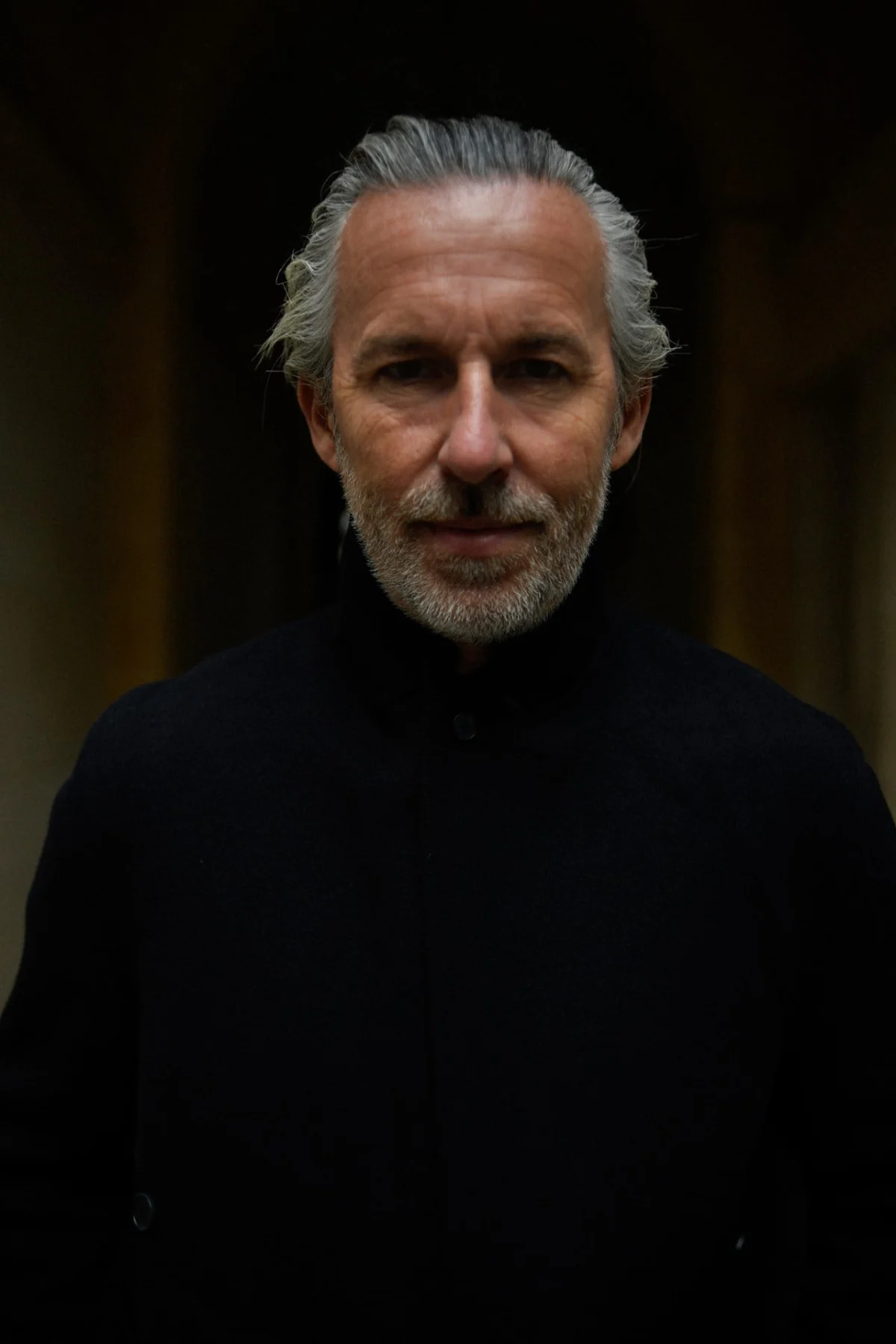
The evolution of modern menswear often hinges on the delicate balance between traditional aesthetics and the practical demands of contemporary life. For Pierre Mahéo, the founder and creative director of the Parisian label Officine Générale, this tension recently manifested in a personal realization: his deep-seated affinity for traditional flannel was no longer compatible with his daily professional wardrobe. While the visual language of the fabric remained essential to his design philosophy, the physical weight and rigidity of heritage flannel rendered it impractical for modern office environments. This paradox has served as the catalyst for the brand’s latest technical development, a project that seeks to preserve the visual gravitas of English flannel while dramatically reducing its physical burden.
The Technical Challenge of Tactile Design
In the world of luxury garment production, the "hand feel"—the tactile response of a fabric against the skin—is the primary metric of quality. Mahéo emphasizes that the consumer’s initial interaction with a garment is almost exclusively tactile, making the texture of the fabric the most critical factor in the design process. The challenge presented to the label’s development team was a deliberate, almost contradictory design brief: to engineer a fabric that maintains the substantial, authoritative aesthetic of a classic heavy-weight English flannel while ensuring it possesses the lightness and fluidity required for modern, versatile wear.
Traditional flannel, long revered for its durability and warmth, is defined by its density, resistance to movement, and a somewhat abrasive, rigid texture. Mahéo’s objective was not to preserve these historical qualities, but rather to distill the visual essence of the fabric. Achieving this required a multi-stage engineering process executed in collaboration with one of the brand’s primary Italian textile mills.
The development involved three technical pillars: meticulous yarn selection, the precise calibration of ply counts in both the warp and weft, and the application of advanced finishing techniques post-weaving. This process, while iterative, was not framed as a radical innovation but rather as a necessary evolution of existing textile capabilities. The lead times required for such custom fabric development are extensive, necessitating that the textile composition be finalized long before the silhouettes are cut, a reality that underscores the strategic priority Mahéo places on fabric-first design.
The Versatility of Lightweight Construction
The implications of this lightweight flannel extend beyond mere comfort; they fundamentally alter the functionality of a wardrobe. By reducing the weight of the cloth without compromising its aesthetic, Mahéo has enabled the creation of pieces that were previously impossible to produce in traditional flannel, such as draped shirts, lightweight foulards, and expansive scarves.
For the brand’s "Essentialism" collection, this innovation allowed for the creation of monochromatic looks—navy, grey, and brown—that maintain a cohesive, high-end appearance while remaining commercially and practically viable. The absence of the traditional stiffness associated with the fabric allows for a natural drape that conforms to the body, a significant departure from the structured, static nature of heritage garments. This design shift reflects a broader industry movement toward "real-world" fashion, where garments are expected to transition seamlessly between formal and informal settings without sacrificing the wearer’s range of motion.
Redefining Heritage in a Modern Context
The current menswear landscape is heavily saturated with the concept of "heritage," a term frequently utilized to signify longevity and historical accuracy. However, Mahéo expresses a measured skepticism toward this terminology, suggesting that "authenticity" is a more accurate descriptor for his design approach. He argues that the industry’s obsession with historical revivalism often borders on the repetitive, whereas his priority lies in the adaptation of classic concepts to meet the realities of contemporary existence.
According to industry analysts, the menswear sector has seen a 12% increase in demand for "technical-classic" hybrid garments over the past three years. This trend is driven by a consumer base that desires the aesthetic markers of traditional tailoring but demands the performance characteristics of modern sportswear. Mahéo’s work sits firmly at this intersection. He posits that the most successful fabrics in menswear history were largely perfected decades ago; therefore, the true value for a contemporary designer lies not in reinventing these materials, but in refining their properties through minor, high-impact adjustments. This cultural, rather than purely innovative, approach to design allows Officine Générale to maintain a dialogue with history while avoiding the pitfalls of stagnancy.
Navigating Climatic Shifts in Seasonal Collections
The design philosophy that guided the development of the lightweight flannel was put to the test during the development of the Spring-Summer 2027 collection, titled "Crossing Paths." The collection was debuted at the Port de l’Arsenal in Paris, a site chosen for its nautical resonance and its ability to evoke the transitory nature of modern life. Mahéo envisioned a collection defined by generous volumes and a light, fluid spirit, intended to serve as a complete wardrobe for the transition from spring to summer.
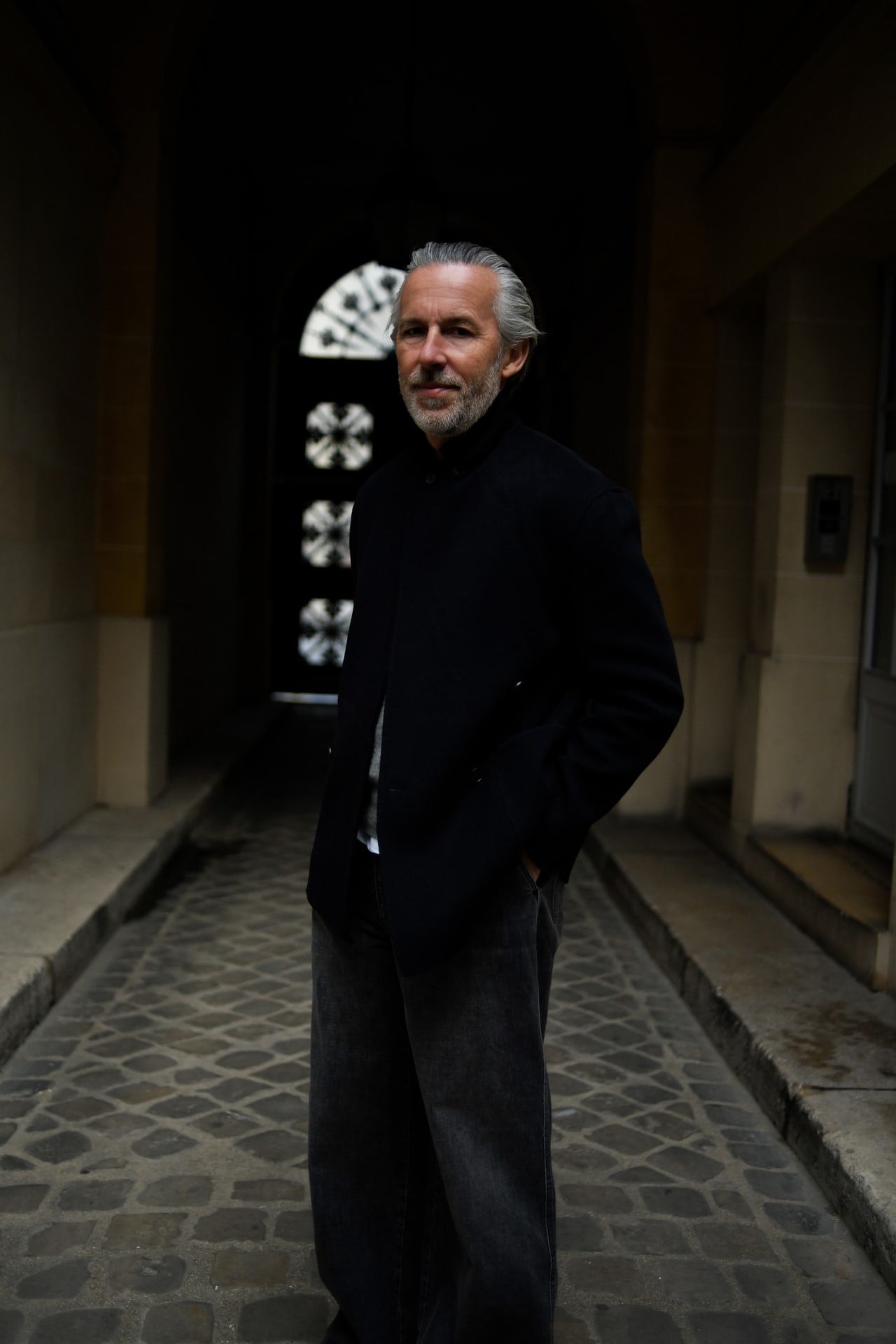
The unexpected arrival of a severe heatwave during the production cycle forced a strategic decision. While many in the industry might have responded by radically altering the collection—such as truncating sleeves or converting trousers into shorts—Mahéo opted to remain steadfast in his initial design vision. This decision was rooted in the brand’s commitment to providing a consistent, reliable wardrobe that addresses the full spectrum of temperatures experienced over a six-month season.
Data from the European Environment Agency suggests that urban centers like Paris are experiencing more frequent and intense heatwaves, shifting the traditional definition of "seasonal" clothing. Mahéo’s response—maintaining a collection of structured poplins, suiting fabrics, denim, and leather—highlights the necessity of designing for atmospheric complexity. By refusing to chase the immediate, temporary demands of a single weather event, the brand reinforced its position as a purveyor of long-term wardrobe solutions rather than reactive, trend-driven fashion.
The Intersection of Utility and Aesthetic
The parallel between the lightweight flannel and the broader "Crossing Paths" collection is clear: both represent a commitment to substantial aesthetics paired with light, functional wear. This design strategy addresses a critical gap in the market, where clothes are often designed for visual impact in photography or on a runway, rather than for the lived experience of the consumer.
The industry shift toward this "performative classicism" is not merely a fleeting trend but a response to the changing nature of the workplace and the increasing volatility of the climate. Retail experts note that consumers are moving away from "occasional wear" and toward high-utility, high-quality garments that can be layered or adjusted based on daily conditions. By prioritizing how a garment behaves during the course of a day—how it moves, how it breathes, and how it holds its shape—Mahéo is addressing the core frustrations of the modern male consumer.
Concluding Perspectives on Industry Innovation
The methodology employed by Officine Générale serves as a blueprint for modern tailoring. By declining to claim the title of "reinventor" and instead focusing on the granular, technical improvement of existing materials, Mahéo provides a transparent and grounded perspective on the state of fashion. His work suggests that the future of the industry does not lie in the pursuit of entirely new synthetic materials or avant-garde silhouettes, but in the sophisticated, iterative improvement of the foundational fabrics that have defined menswear for generations.

As the industry continues to grapple with the demands of sustainability and the need for longevity, the focus on "authenticity over heritage" is likely to become a dominant theme. When a designer like Mahéo invites the consumer to "feel the product before looking at it," they are shifting the focus from the surface-level marketing of heritage to the intrinsic value of the garment itself. This approach not only validates the investment of the consumer but also ensures that the resulting pieces remain relevant long after the season in which they were introduced has passed.
In summary, the journey of the Officine Générale lightweight flannel is emblematic of a broader, more thoughtful approach to design. It acknowledges the emotional connection to tradition while refusing to be held hostage by it. Through the careful recalibration of fabric weight and texture, Mahéo has successfully bridged the gap between the past and the present, offering a solution that is as much about the reality of daily life as it is about the art of fine tailoring.
