
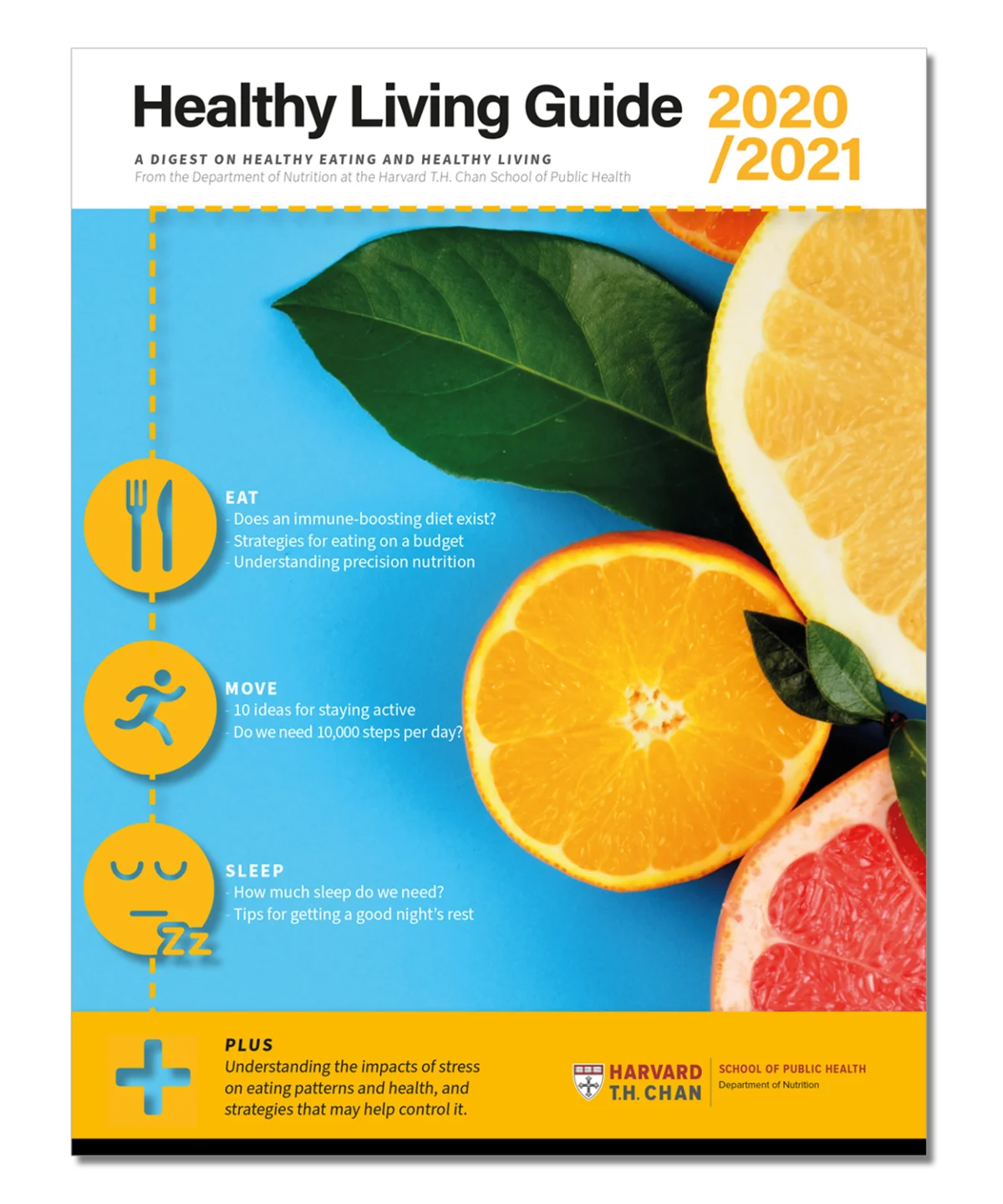
The convergence of the global COVID-19 pandemic and the broader challenge of chronic disease management has underscored the necessity for robust, science-backed lifestyle interventions. As public health systems globally grapple with the long-term sequelae of the virus, institutions like the Harvard T.H. Chan School of Public Health have sought to provide actionable, evidence-based frameworks to help individuals fortify their health. The release of updated resources for healthy living reflects a strategic pivot toward proactive wellness as a primary defense against the complexities of modern environmental and biological stressors.
The Context of Global Health Instability
The transition from 2020 to 2021 marked a period of unprecedented disruption. The COVID-19 pandemic did not merely present a viral threat; it acted as a catalyst for a secondary health crisis defined by food insecurity, economic volatility, and a sharp rise in mental health disorders. Historical analysis of the era reveals that lockdowns and social distancing mandates, while effective in curtailing viral transmission, inadvertently created barriers to physical activity and access to nutrient-dense foods.
Furthermore, the uncertainty of the period exacerbated existing health disparities. Populations with limited access to resources experienced heightened stress, which researchers link to systemic inflammation and impaired immune function. Recognizing this, public health experts emphasized that while no single food or nutrient could serve as a prophylactic against SARS-CoV-2, the structural integrity of the immune system remains inherently tied to long-term behavioral patterns.
The Five Pillars of Longevity: An Empirical Analysis
Decades of longitudinal research, including studies conducted by the Harvard T.H. Chan School of Public Health, have converged on five specific lifestyle habits that significantly alter health outcomes. These habits are:
- Nutrient-Dense Dietary Patterns: Prioritizing whole grains, fruits, vegetables, healthy fats, and lean proteins while limiting processed sugars and trans fats.
- Consistent Physical Activity: Meeting or exceeding the recommended 150 minutes of moderate-intensity aerobic exercise per week.
- Weight Management: Maintaining a body mass index (BMI) within a healthy range, which reduces the systemic burden on metabolic processes.
- Moderate Alcohol Consumption: Limiting intake to prevent the systemic inflammatory effects associated with excessive alcohol use.
- Smoking Cessation: Eliminating tobacco use, which remains the leading preventable cause of death globally.
Data indicates that individuals who adhere to these five habits in middle age see a dramatic reduction in the incidence of chronic conditions. Research published in journals such as Circulation suggests that men and women who adopt these behaviors at age 50 can increase their life expectancy by over a decade, while simultaneously extending their "healthspan"—the number of years lived free from cardiovascular disease, type 2 diabetes, and cancer.
Chronology of Public Health Guidance
The evolution of health communication during the pandemic can be viewed in three distinct phases.
Phase I (March 2020 – June 2020): Crisis Management. Communication focused on immediate survival, sanitization protocols, and the mechanics of viral transmission. Nutrition advice was largely secondary to the need for isolation.
Phase II (July 2020 – December 2020): The Adaptation Period. As the pandemic persisted, public health agencies identified a rise in "pandemic-related sedentary behavior." The focus shifted to home-based exercise and the psychological benefits of routine, as people began to experience the long-term impact of restricted movement and dietary changes.
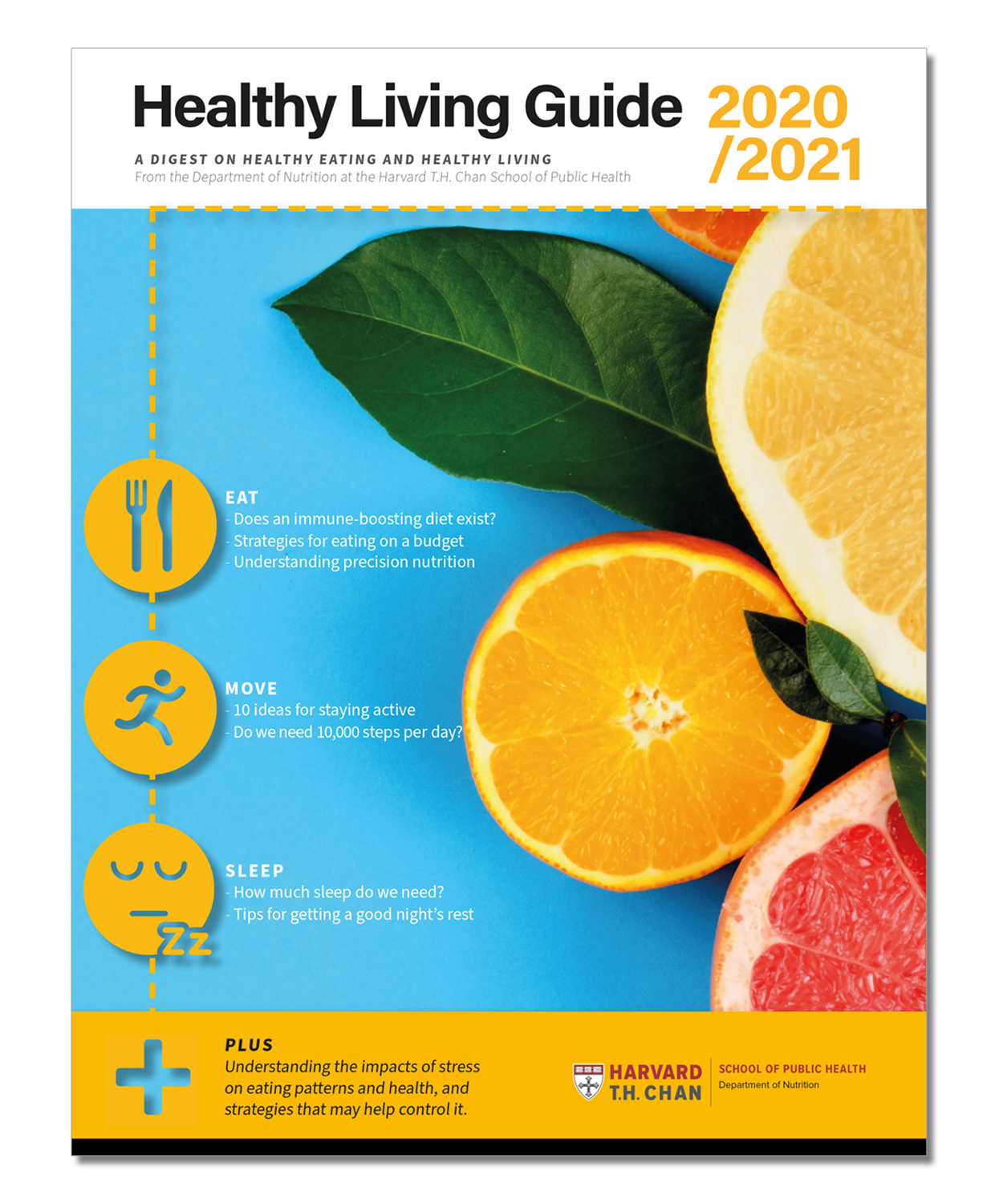
Phase III (January 2021 – Present): Resilience and Sustainable Living. The start of 2021 signaled a transition toward sustainable, long-term health management. Organizations introduced comprehensive guides, such as the Healthy Living Guide, to transition the public away from reactive health measures toward proactive, lifestyle-based prevention. This phase emphasized that the cumulative effect of small, consistent habits provides the highest return on investment for long-term health.
Analytical Perspectives on Immune Health
Medical experts clarify that the immune system is a complex, multi-layered defense mechanism rather than a single organ that can be "boosted" by a specific supplement. The consensus among immunologists is that the immune system requires a steady supply of micronutrients—specifically vitamins C, D, E, and zinc—to function optimally.
When an individual consumes a diet high in processed foods and low in fiber, the gut microbiome, which houses a significant portion of the immune system, suffers. This leads to systemic inflammation, which can complicate the body’s ability to respond to infections. Consequently, the push for healthy eating is not merely about body composition; it is about maintaining a physiological environment that allows the immune system to recognize and neutralize pathogens efficiently.
Implications for Public Policy and Personal Agency
The shift toward promoting these five pillars has significant economic implications. Chronic diseases are the leading drivers of healthcare costs in most developed nations. By investing in preventative habits, individuals not only improve their quality of life but also alleviate the burden on the medical infrastructure.
However, policy analysts note that personal agency is often limited by structural barriers. The "food desert" phenomenon, where healthy, affordable food is inaccessible, remains a significant hurdle. Thus, the dissemination of guides and educational materials is only the first step. The broader implication is that public health must move toward a model where the "healthy choice" is also the "easy choice." This includes initiatives like subsidized fresh produce, urban planning that encourages walkability, and workplace wellness policies that prioritize mental health and physical movement.
Strategies for Sustainable Implementation
To bridge the gap between knowledge and action, health professionals advocate for "micro-habit" formation. Rather than attempting to overhaul an entire lifestyle in a single day, the strategy involves incremental changes.
- The Bingo Approach: Gamification, such as the "Healthy Living Bingo Challenge," has proven effective in encouraging engagement. By turning abstract goals like "eating a leafy green vegetable" or "taking a 20-minute walk" into a visual, trackable activity, individuals are more likely to maintain consistency.
- Psychological Reframing: Viewing health as a tool for enjoyment—such as finding a physical activity that is genuinely pleasurable rather than a chore—increases adherence.
- Integration of Technology: Modern tools, from fitness trackers to meal-planning applications, provide the data points necessary to sustain motivation, allowing individuals to observe the correlation between their habits and their energy levels.
The Role of Institutional Leadership
Educational institutions and public health agencies act as the primary conduits for this information. By curating complex medical research into digestible, printable formats, these entities ensure that health literacy is not confined to the academic elite but is accessible to the general public. The release of downloadable guides and printable summaries reflects an understanding that in an era of information overload, clarity and accessibility are paramount.
The response from the broader medical community to these resources has been overwhelmingly positive. Physicians often highlight that the most significant barrier to patient improvement is a lack of clear, actionable, and non-judgmental guidance. By providing a framework that is both grounded in rigorous science and empathetic to the struggles of modern life, these initiatives serve as a vital link between clinical research and daily reality.
Conclusion: A Forward-Looking Health Paradigm
As the global community continues to navigate the aftermath of the pandemic, the emphasis on a healthy lifestyle is likely to remain a central theme in public health policy. The evidence is clear: the cumulative impact of daily choices regarding diet, movement, and stress management is the most powerful tool available for disease prevention.
While the challenges of the 21st century—including climate change, economic instability, and future public health threats—are formidable, the resilience of the human body remains a constant. By leveraging the insights provided by comprehensive health guides and focusing on the five pillars of longevity, individuals can reclaim a sense of control over their well-being. The path forward is not found in a single breakthrough, but in the sustained, intentional commitment to the fundamental principles of healthy living. As research continues to evolve, the integration of these habits into the fabric of daily life will remain the most effective strategy for ensuring both personal vitality and collective public health stability.
