
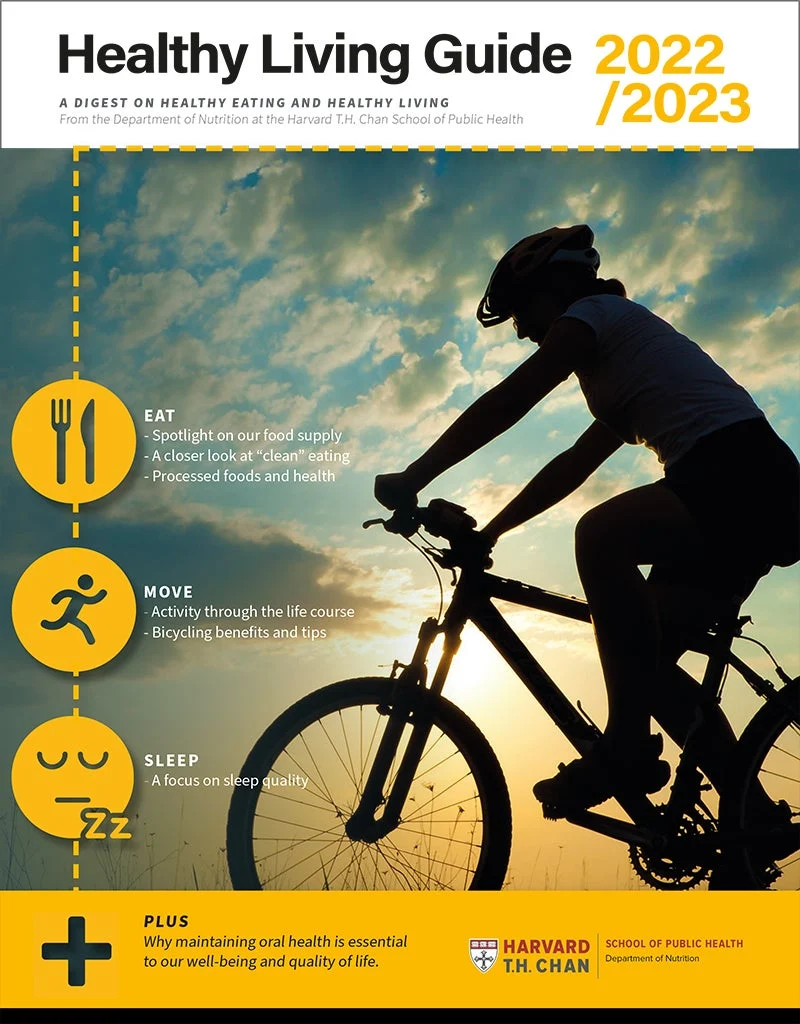
The transition from the height of the COVID-19 pandemic into the post-lockdown era of 2021 signaled a complex recalibration of American health behaviors, characterized by a distinct departure from the extreme dietary shifts observed in 2020. As the global population navigates the ongoing challenges posed by emerging variants and the long-term socioeconomic fallout of the health crisis, the Harvard T.H. Chan School of Public Health has released its latest comprehensive Healthy Living Guide. This resource serves as a clinical roadmap for individuals attempting to synthesize pre-pandemic lifestyle norms with the lasting adaptations forced upon them by the global health emergency.
Chronology of Behavioral Shifts: 2020 to 2021
To understand the current landscape of public health, one must examine the volatility of the preceding 24 months. In early 2020, government-mandated stay-at-home orders triggered a radical disruption in food access and consumption. Panic-buying, the shuttering of commercial kitchens, and the sudden necessity of remote work resulted in an immediate spike in home cooking and a concurrent rise in stress-induced snacking.
By the midpoint of 2021, data provided by the International Food Information Council (IFIC) indicated a regression toward the mean. The proportion of Americans reporting increased snacking fell from 32% in 2020 to 18% in 2021. Similarly, the number of individuals reporting an overall increase in food intake dropped from 20% to 11%. This shift suggests that the initial coping mechanisms adopted during the onset of the pandemic—often categorized by high-calorie, comfort-based food choices—began to wane as the "new normal" stabilized. However, this trend toward pre-pandemic norms was not uniformly positive; the same data revealed a decline in home-cooking frequency, which dropped from 60% in 2020 to 47% in 2021, as commercial food services regained market share.
Supporting Data and Socioeconomic Disparities
While aggregate data paints a picture of stabilization, public health experts emphasize that these averages obscure significant disparities. The 2021 data underscores a deepening divide in food security across the United States. While higher-income households were largely able to transition to remote work and maintain access to diverse food sources, lower-income demographics faced sustained instability due to supply chain volatility and the cessation of school-based nutrition programs.
The Harvard Healthy Living Guide highlights that healthy eating is not merely an individual choice but a byproduct of systemic access. The 2021 survey data corroborates this, showing that individuals with lower levels of education or household income were statistically more likely to struggle with food insecurity throughout the year. The ongoing threat of the COVID-19 pandemic further exacerbated these issues; as the virus continued to evolve into new variants, the public health community shifted its focus toward the global inequity of vaccine distribution. The disparity between high-income nations, which prioritized booster shots, and low-to-middle-income countries, which struggled to secure initial doses, remains a central point of contention for global health policymakers.
Clinical Perspectives on Lifestyle Integration
In response to these trends, the 2021-2022 Healthy Living Guide focuses on the "triumvirate of wellness": nutrition, physical activity, and sleep hygiene. These three pillars have historically been treated as distinct silos in medical literature, yet current research suggests they are highly interdependent.
Dr. Walter Willett and colleagues at the Harvard T.H. Chan School have frequently noted that poor sleep quality directly impacts metabolic health, leading to increased cravings for high-glycemic index foods. By integrating these research highlights into a single, accessible format, the guide seeks to provide a systemic approach to health that does not rely on fad diets or temporary fixes. Instead, the focus is on sustainable behaviors that bolster the immune system, an objective that has gained heightened importance in the context of a respiratory pandemic.
The Role of Evidence-Based Nutrition
Nutrition science has evolved significantly since 2020, with a stronger emphasis on plant-forward diets and the reduction of ultra-processed foods. The guide incorporates peer-reviewed research confirming that diet quality remains the most significant predictor of long-term health outcomes, including the prevention of cardiovascular disease, Type 2 diabetes, and certain cancers.
Despite the prevalence of conflicting information on social media, the consensus among nutritionists remains consistent: the "healthy plate" model, which emphasizes whole grains, healthy proteins, and a high volume of vegetables, remains the gold standard. The 2021-2022 edition of the guide provides printable tip sheets that break down these concepts into actionable steps, acknowledging that the "new normal" of 2021 required a more practical, flexible approach than previous years.
Broader Impact and Public Health Implications
The implications of these trends extend beyond individual health; they impact the future of public health policy and the sustainability of our food systems. As the pandemic persists, the importance of "preventative maintenance" for the human body has moved to the forefront of clinical practice.
The public health community has expressed concern that the "pandemic fatigue" experienced by many citizens may lead to a permanent decline in health-conscious behaviors. When individuals prioritize convenience—such as increased consumption of delivery-based fast food—over nutritional density, the long-term cost to the healthcare system increases. Public health officials are now advocating for institutional changes, such as improved access to healthy foods in "food deserts" and better workplace policies that encourage physical activity and adequate rest.
Addressing the Knowledge Gap
A persistent challenge identified in the report is the public’s struggle to filter health information. With the rise of digital health influencers, the line between anecdotal success and clinical evidence has blurred. The Harvard guide includes a section designed to test the reader’s knowledge, using previous years’ data as a benchmark. This initiative aims to improve health literacy, empowering individuals to discern the difference between sound medical advice and speculative health trends.
By revisiting the core themes of the 2020-2021 guide and synthesizing them with the latest findings from 2021, the new publication offers a longitudinal view of health. It suggests that while the environment in which we live is constantly in flux, the biological requirements for human health—proper nutrition, movement, and recovery—remain constant.
Future Outlook
As we move further into the post-2021 landscape, the focus for public health experts remains on the intersection of individual agency and systemic support. The pandemic has served as a catalyst for a global re-evaluation of how food is produced, distributed, and consumed. While the decline in home cooking observed in late 2021 is a point of concern for nutritionists, it also offers an opportunity to rethink how we teach food preparation and dietary habits in schools and workplaces.
The 2021-2022 Healthy Living Guide is ultimately a tool for resilience. By providing a synthesis of complex scientific data in a format accessible to the general public, it addresses the urgent need for reliable information in an era of uncertainty. As the pandemic continues to evolve, the resilience of the population will be measured not only by their adherence to safety protocols but by their commitment to maintaining the lifestyle habits that sustain long-term physical and mental well-being. The guide acts as a reminder that even in the most tumultuous times, the fundamental principles of healthy living remain the most effective defense against systemic health crises. Individuals are encouraged to download the full documentation and utilize the provided resources to establish a baseline of wellness that can withstand the challenges of the coming year.
